Dr. Jonas Salk was recruited to the University of Pittsburgh School of Medicine
In 1947, Dr. Jonas Salk was recruited from the University of Michigan by Dr. William S. McEllroy, dean…
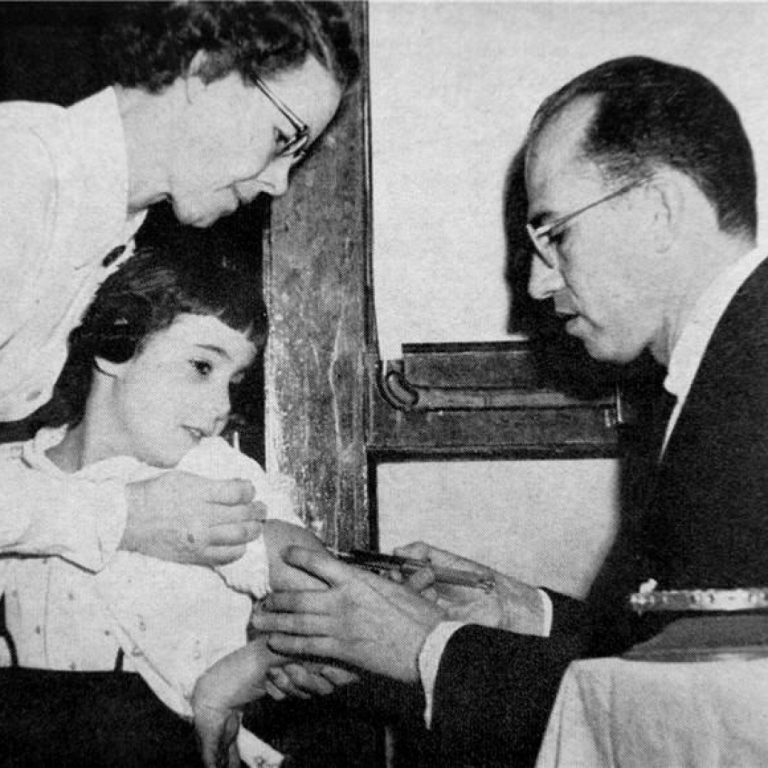
In 1947, Dr. Jonas Salk was recruited from the University of Michigan by Dr. William S. McEllroy, dean…
In late 1946, an outbreak of influenza occurred in Japan and Korea in American troops. It spread in…
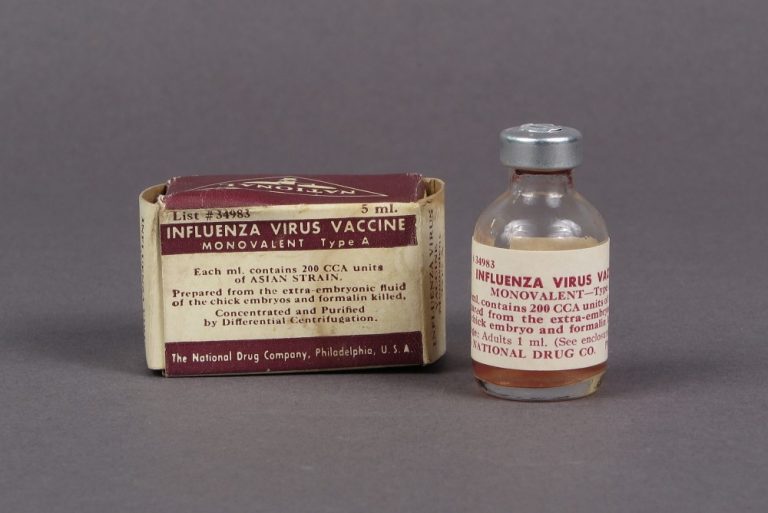
In 1945, the inactivated influenza vaccine was first licensed in the U.S. The first vaccine was an inactivated,…
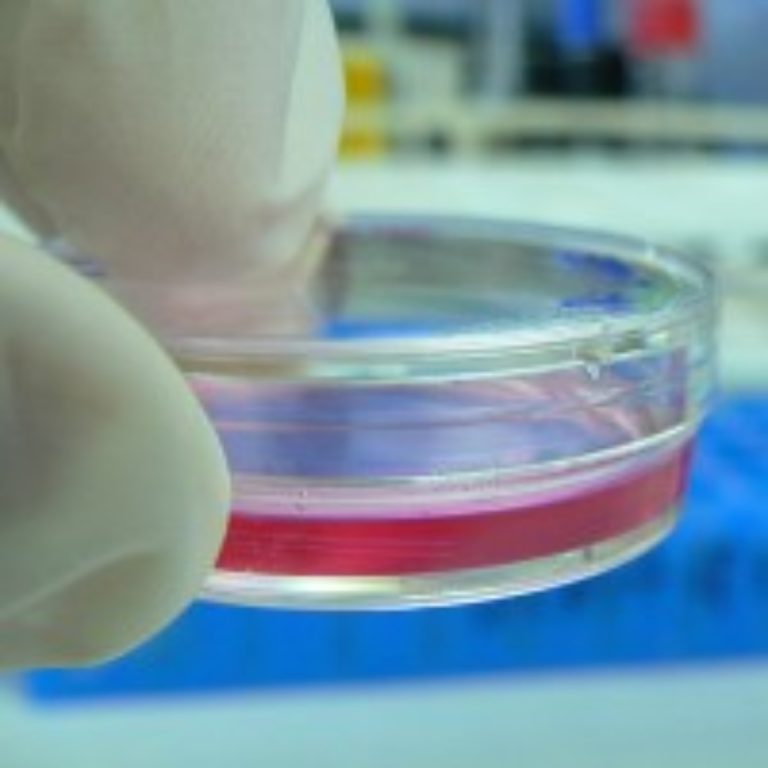
In 1944, the use of cell cultures for virus growth was discovered. This allowed viruses to be cultured…
In 1942, influenza A/B vaccine was introduced to the Armed Forces Epidemiological Board. The vaccine was effective against…

In 1942, Dr. Jonas Salk arrived at the University of Michigan School of Public Health. Techniques earned there…
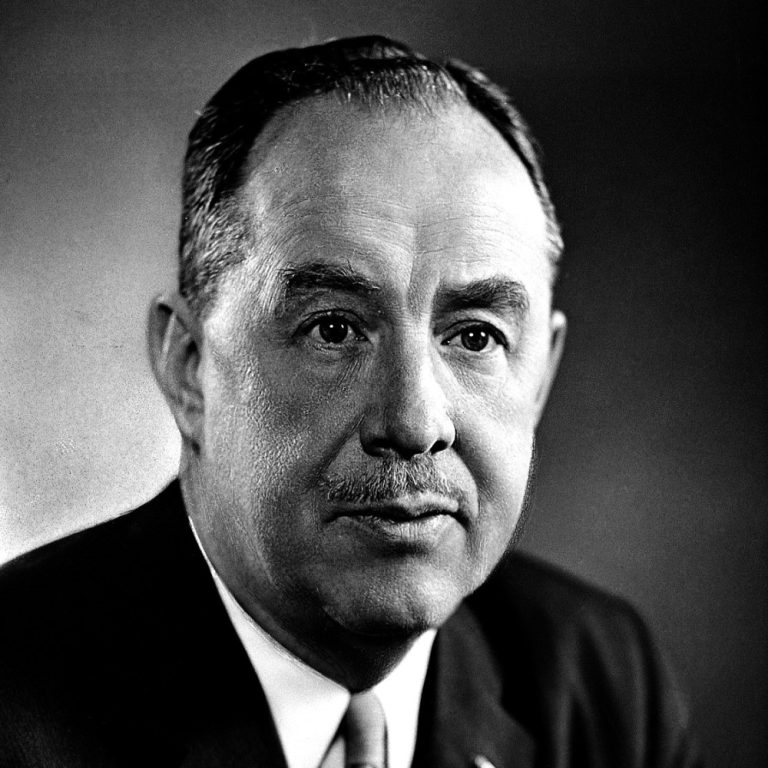
In 1940, Thomas Francis, Jr, MD isolated the influenza B virus from a child in 1940. Francis helped…
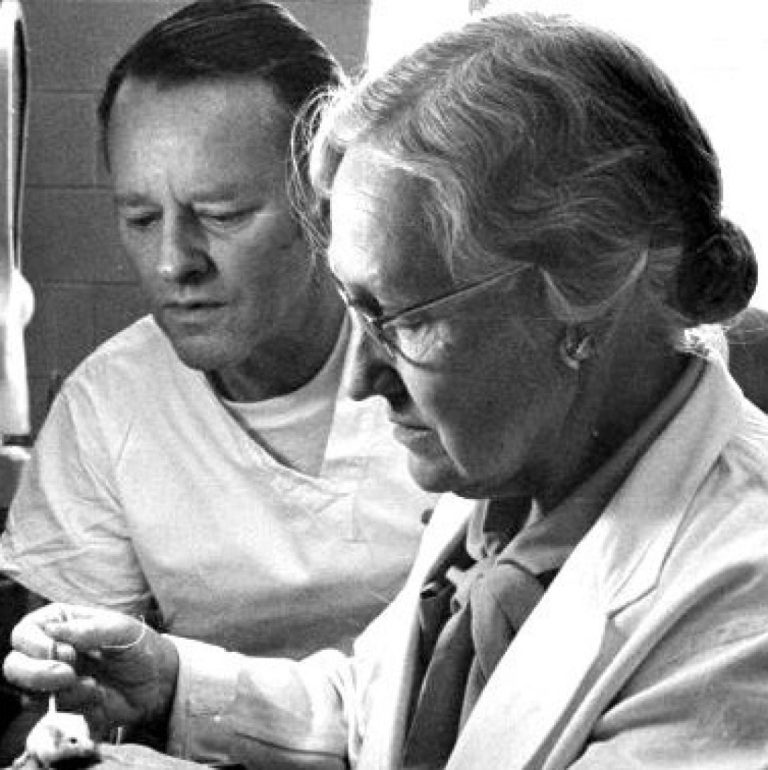
In 1939, Margaret Pittman showed that sulfapyradine was effective against nontype-specific Haemophilus influenzae. Pittman discovered that there are…
In 1938, Thomas Francis, Jr., MD and Jonas Salk, MD served as lead researchers at the University of…
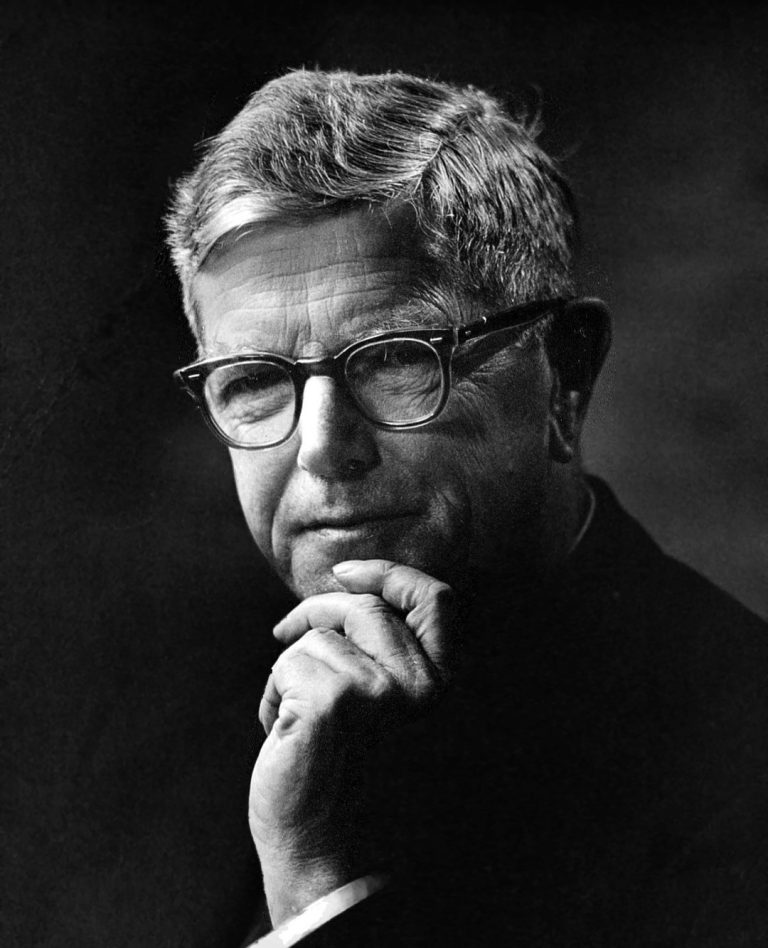
In 1936, Sir Macfarlane Burnet discovered that influenza virus could be grown in embryonated hens’ eggs. This led…
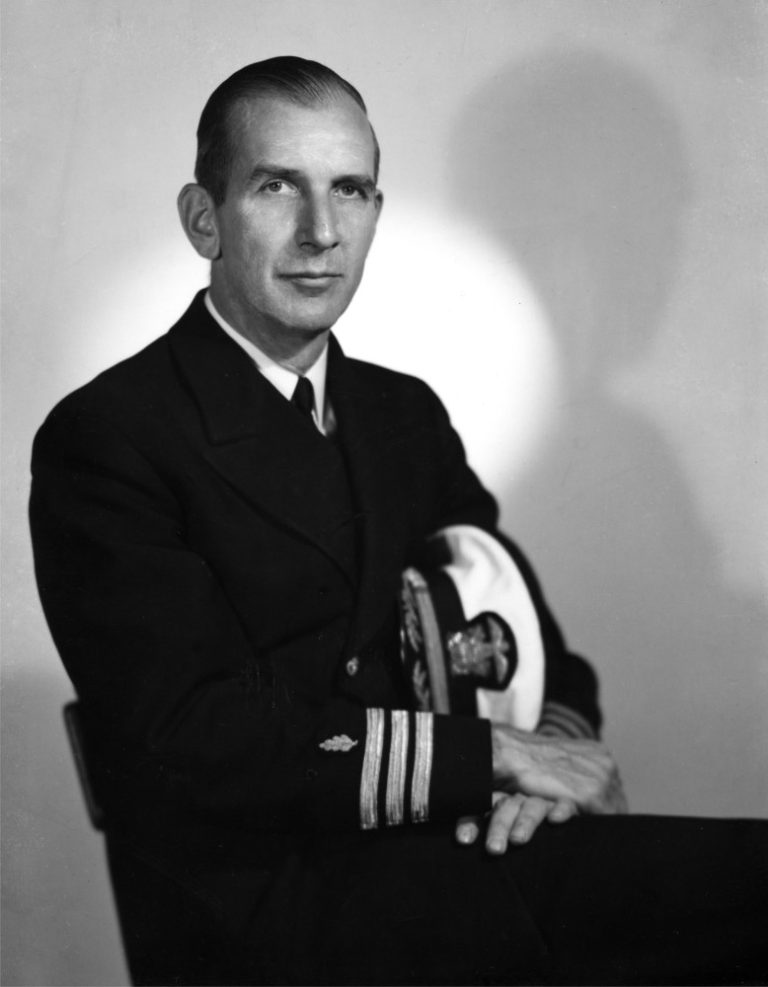
In 1931, Rockefeller Institute investigator Richard Shope published the first of three landmark papers that established the etiology…
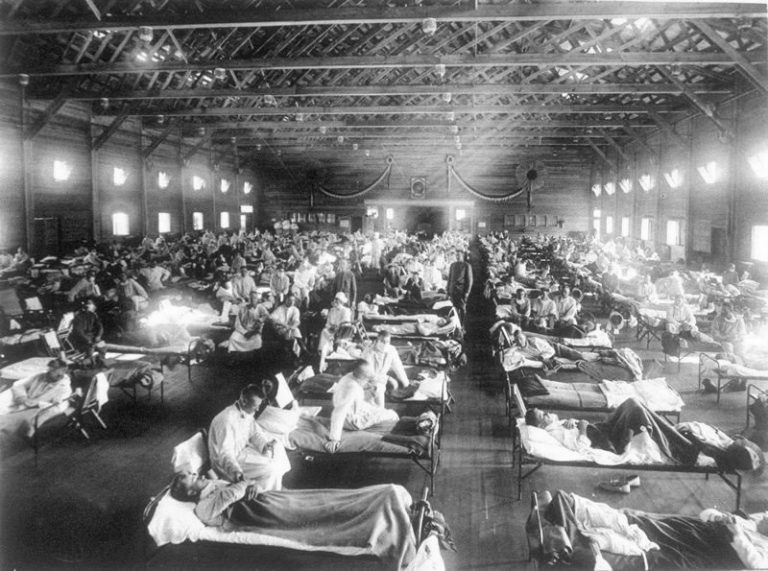
By April 1919, following upticks in influenza over winter, the final tally for New Orleans stood at 54,089…
in 1919, by the end of the influenza epidemic in Omaha, almost 1,200 people had died, with a…
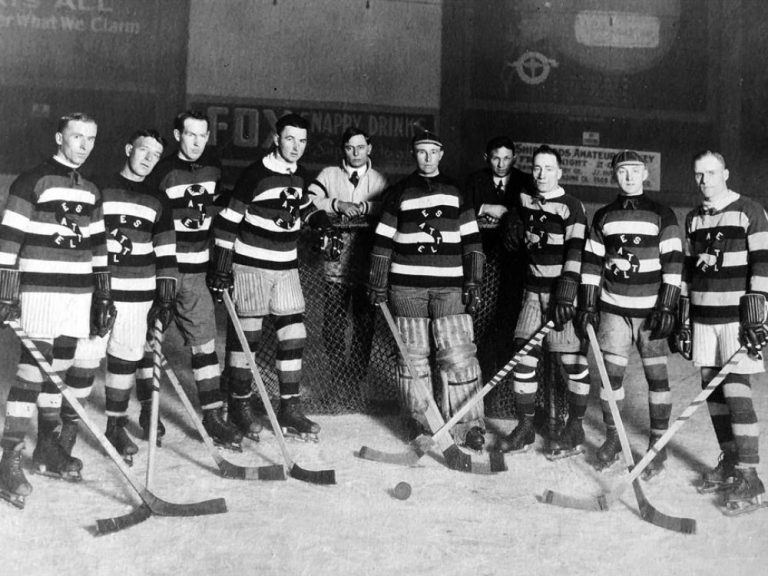
On Apr. 1, 1919, the Stanley Cup playoffs between the Montreal Canadians and the Seattle Metropolitans ended tied…
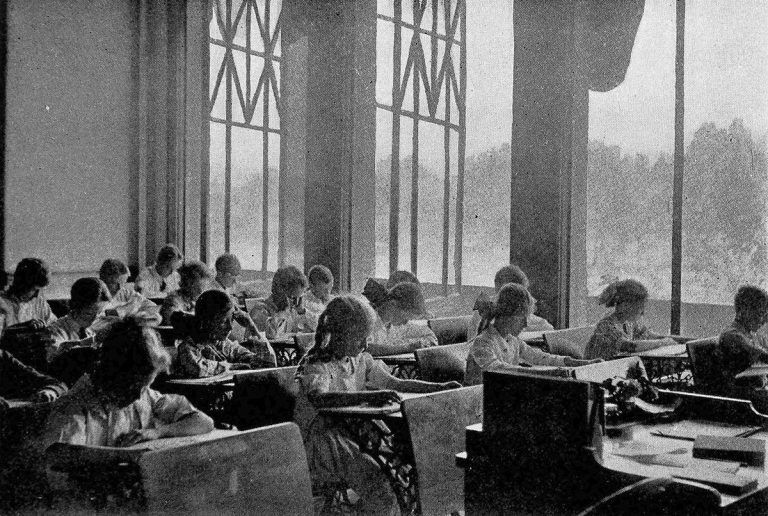
On Jan. 2, 1919, Denver slowly returned to normal after its flu epidemic, and schools reopened. School teachers…
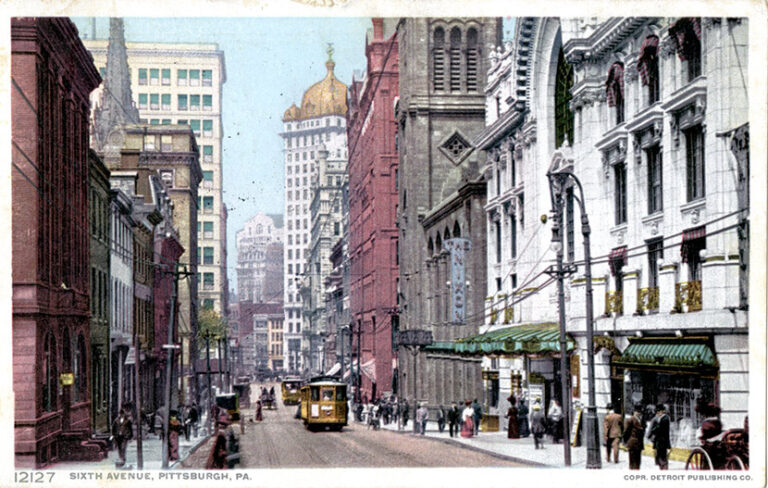
Jan. 1, 1919, brought an increase in the influenza epidemic in Philadelphia and Pittsburgh. With the disease having…
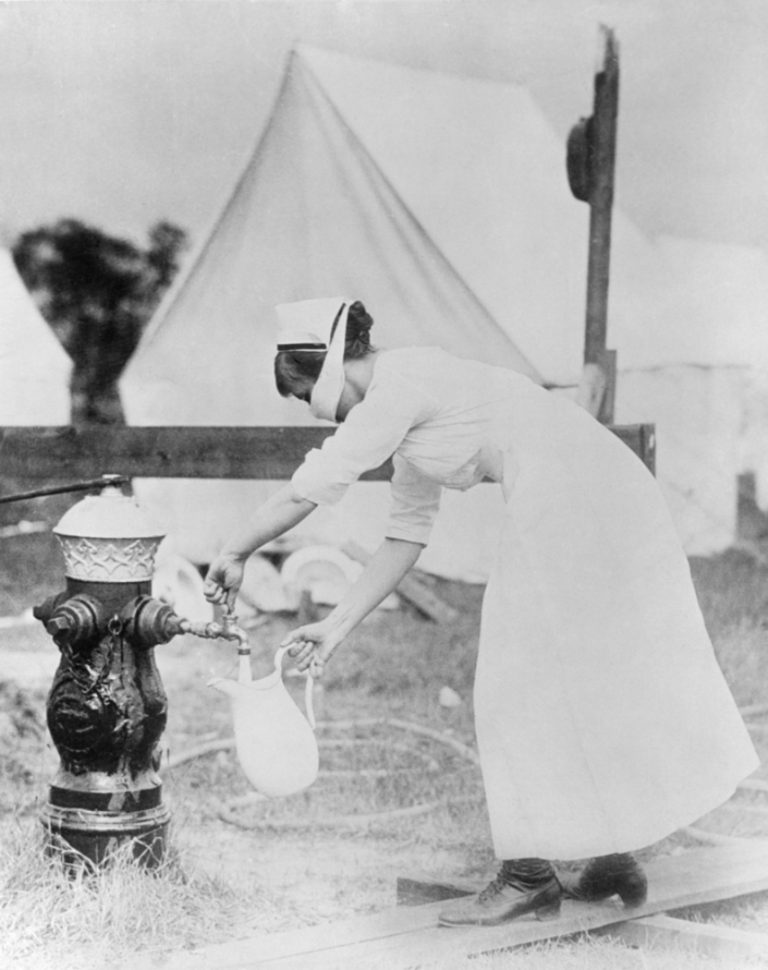
By late February of 1919, Louisville experienced a third wave of influenza cases, but finally began to return…
In Jan. 1919, Birmingham experienced a third wave in influenza cases and deaths.
By 1919, after the end of its second winter influenza wave, Boston had experienced an excess death rate…
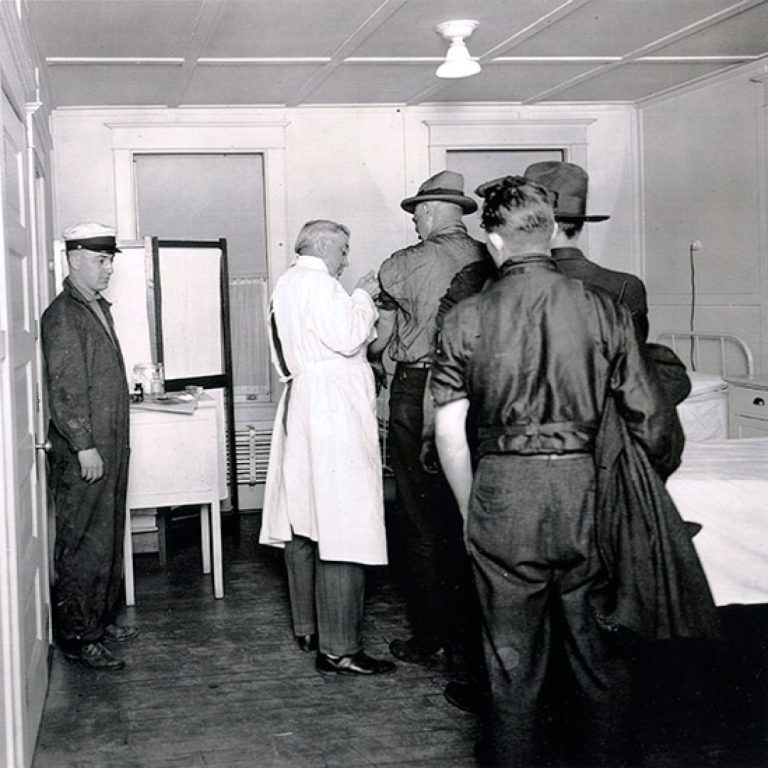
In 1919, Washington, D.C. suffered spikes in influenza cases throughout the remainder of 1918, and into early February…
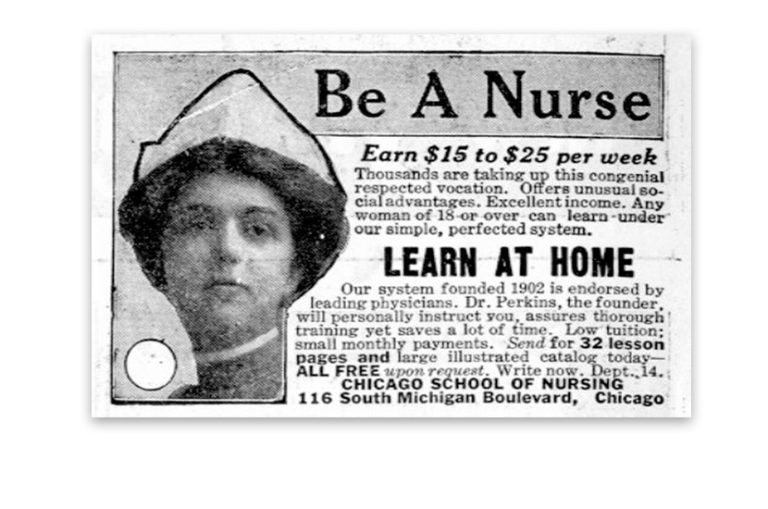
In 1919, the University of Oregon in Eugene introduced the state’s first professional courses in nursing. The courses…
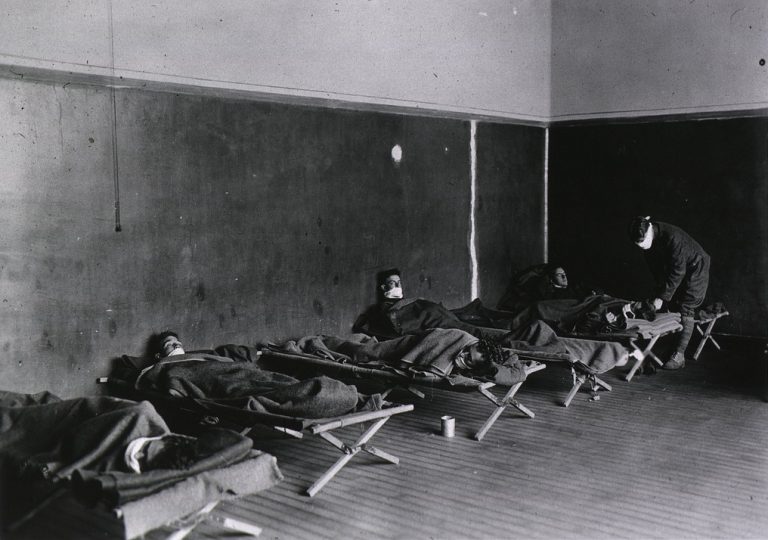
In 1919, influenza cases dwindled through the winter of 1918, yet persisted into April 1919 sporadically. About 9…
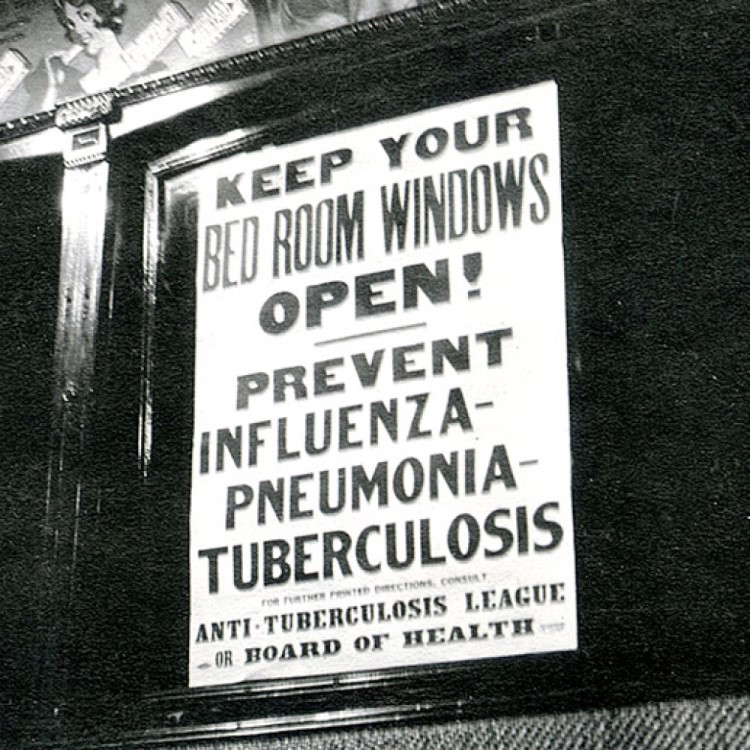
On Dec. 30, 1918, Kansas City schools reopened as the influenza epidemic waned. The New Year came and…
On Dec. 24, 1918, on Christmas Eve, with the epidemic across Nebraska still raging, the state Board of…
On Dec. 23, 1918, the Cincinnati Board of Health removed its ban prohibiting children from entering public places….
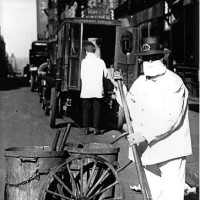
On Dec. 20, 1918, after declining influenza cases, Health Commissioner Starkloff lifted remaining St. Louis closure bans.
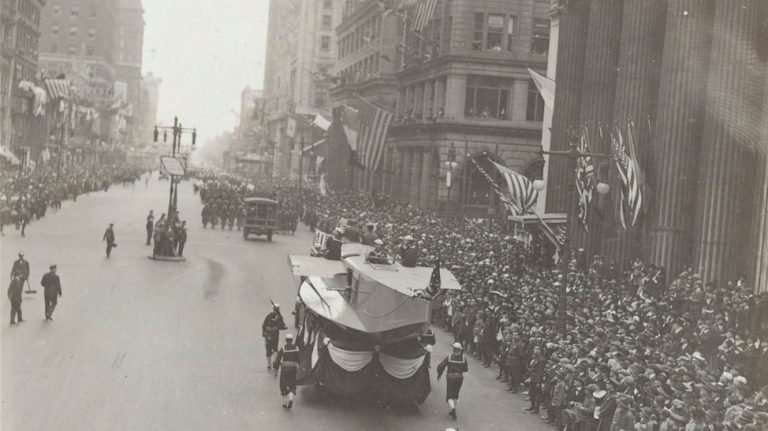
On Dec. 15, 1918, the number of new influenza cases per day in the city slowed to a…
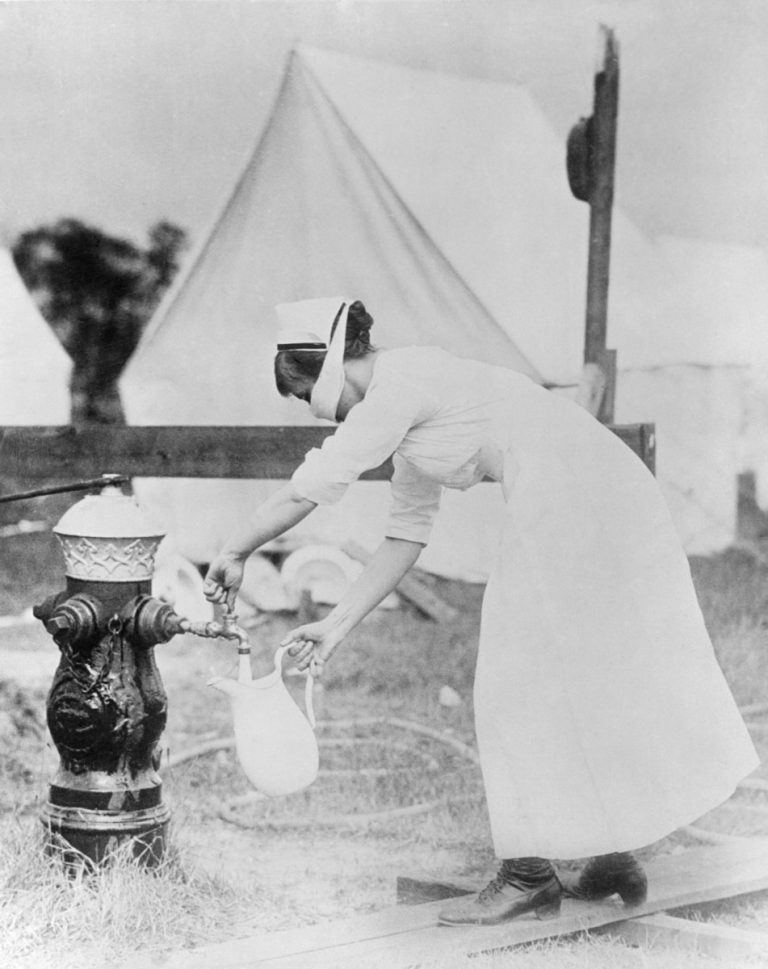
On Dec. 14, 1918, meeting in special session, members quickly decided that the influenza situation in Cincinnati had…
On Dec. 12, 1918, following a second spike in influenza cases especially among schoolchildren, Louisville Health Officer Dr….
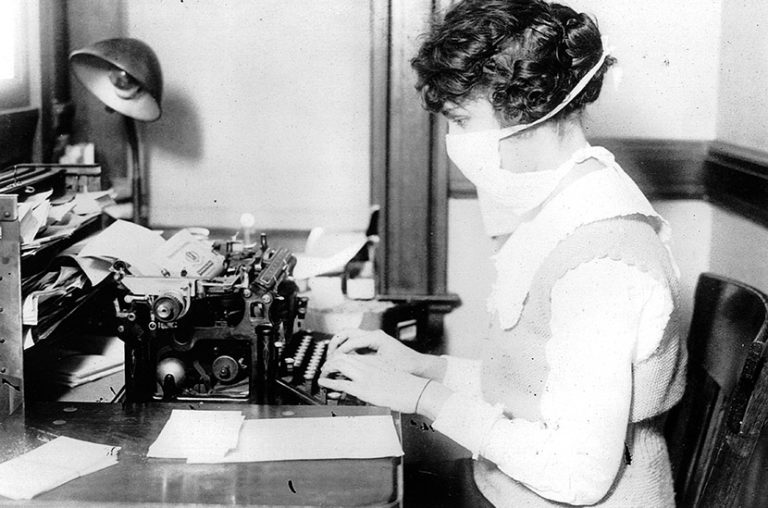
On Dec. 12, 1918, following an increase in influenza cases, Cincinnati Health Officer Dr. William H. Peters recommended…