Sanofi Pasteur delivered H5N1 vaccine for U.S. government pandemic initiatives
On Feb. 6, 2006, Sanofi pasteur announced it had delivered more H5N1 vaccine to the U.S. government including…

On Feb. 6, 2006, Sanofi pasteur announced it had delivered more H5N1 vaccine to the U.S. government including…
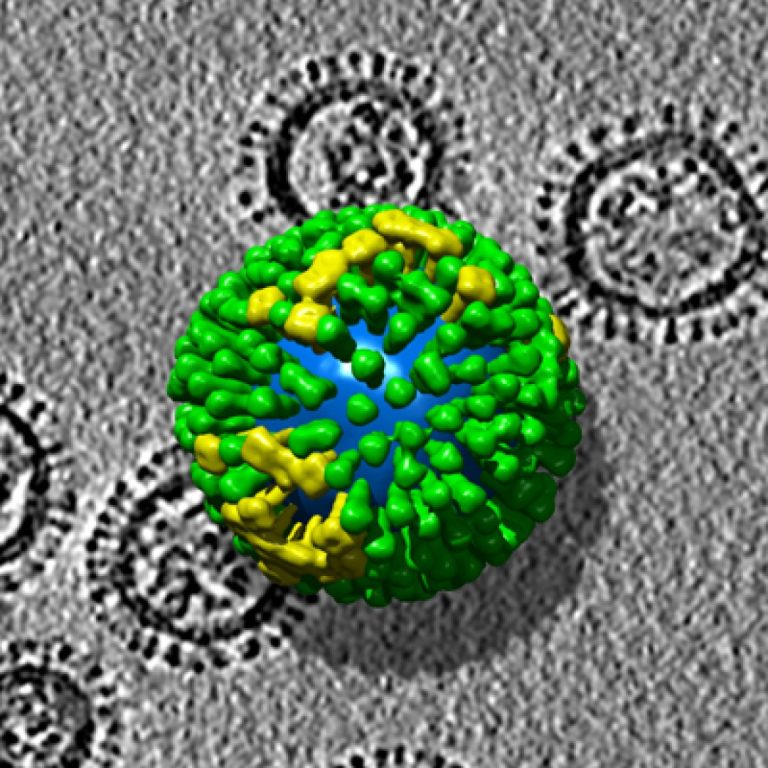
On Jan. 17, 2006, the Centers for Disease Control and Prevention (CDC) announced that it had stopped recommending…
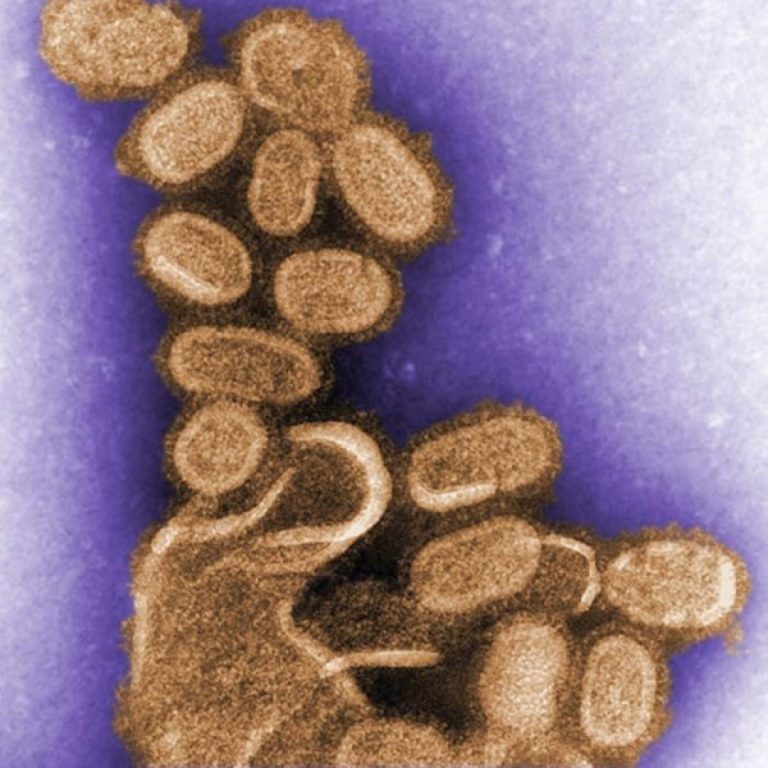
On Oct. 7, 2005, Jeffery Taubenberger, AH Reid, AE Krafft, Karen Bijwaard and Thomas Fanning published a report…

On Oct. 7, 2005, a new Federal Medicare rule became effective that required all long-term care facilities to…
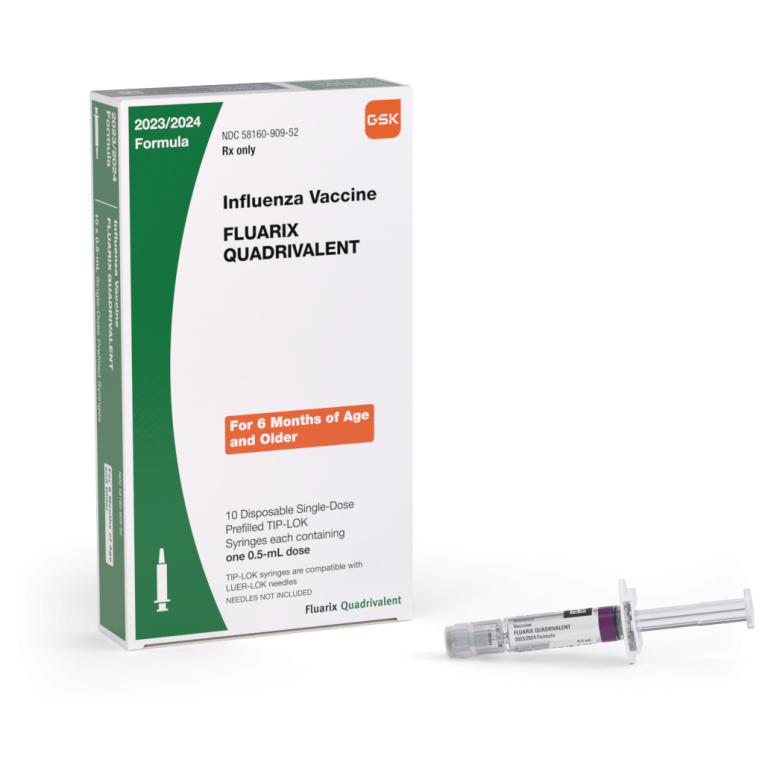
On Aug. 31, 2005, the inactivated, injectable influenza vaccine (Fluarix) by GlaxoSmithKline (GSK) was licensed. The vaccine was…

On Apr. 1, 2005, Sanofi pasteur was awarded a five-year $97 million contract from the U.S. Department of…

In 2005 and 2006, the White House Homeland Security Council outlined the National Strategy for Pandemic Influenza to…

On Aug. 25, 2004, a significant shortage of influenza vaccine occurred in the U.S. as a result of…

On May 27, 2004, the National Institute of Allergy and Infectious Diseases (NIAID) announced it had awarded contracts…

On Oct. 15, 2003, the Immunization Practices Advisory Committee (ACIP) voted to recommend that children 6 to 23…
On Jun. 17, 2003, the U.S. Food and Drug Administration (FDA) announced it had approved FluMist. This was…

On Jan. 1, 2003, the Advisory Committee on Immunization Practices (ACIP) encouraged that children 6 to 23 months…
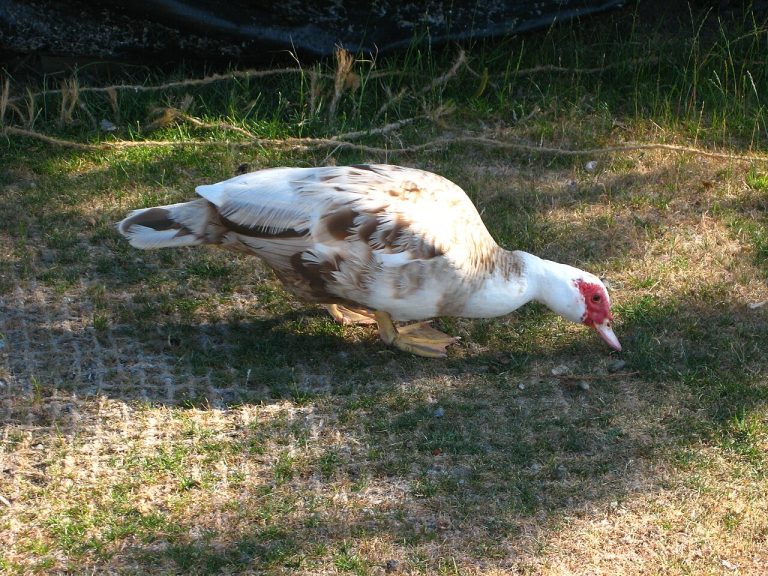
In 2003, public health officials reported the re-emergence of H5N1 avian influenza for the first time since an…
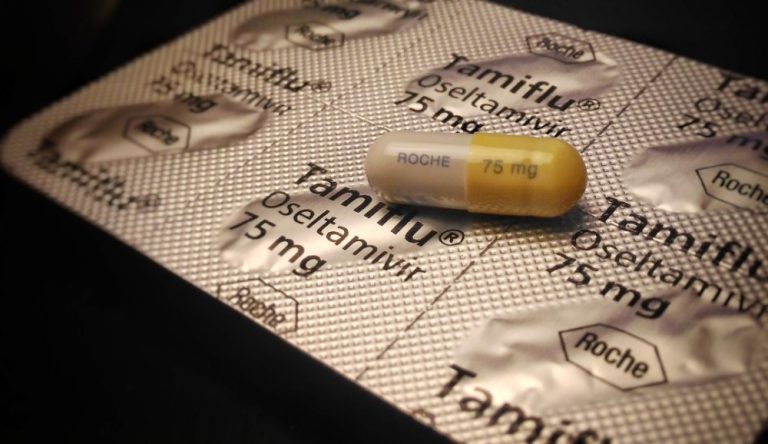
On Oct. 27, 1999, Hoffmann-La Roche and Gilead Sciences announced that Roche’s TAMIFLU (oseltamivir phosphate) had been approved…
On Oct. 27, 1999, Hoffmann-La Roche and Gilead Sciences announced that Roche’s TAMIFLU™ (oseltamivir phosphate) has been approved…

In April 1999, a pandemic planning framework was published by the World Health Organization (WHO) that emphasized the…

In 1998, the U.S. Department of Agriculture (USDA) began surveillance of swine for influenza virus in the U.S….

In 1997, FluNet, a global web-based tool for influenza virological surveillance was launched. It is a critical tool…

In 1997, the H5N1 bird flu incident in Hong Kong was the first known instance of a purely…

On Oct. 2, 1996, the Food and Drug Administration (FDA) licensed a combined Hib conjugate and hepatitis B…
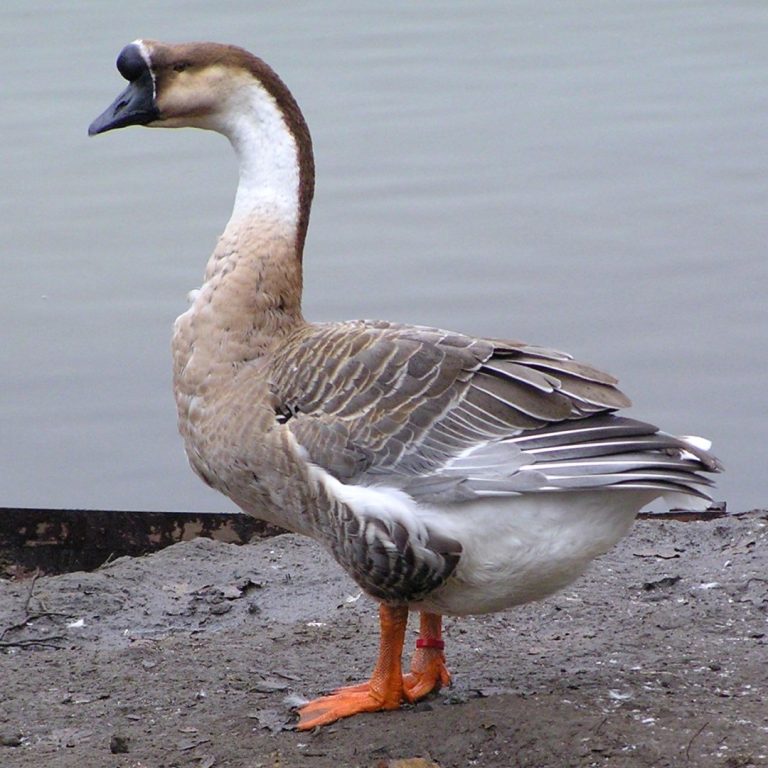
In 1996, A/goose/Guangdong/1/1996 (H5N1), the precursor of the highly pathogenic H5N1 avian influenza viruses (HPAIVs) was identified in…
In 1995, the Immunization Practices Advisory Committee (ACIP), American Academy of Pediatrics, and the American Association of Family…

In 1994, Rimantadine, derived from amantadine, was approved by the Food and Drug Administration (FDA) to treat influenza…

On Aug. 10, 1993, in response to a growing measles epidemic, the U.S. Congress created the National Vaccine…
On May 1, 1993, the costs of influenza vaccine and its administration became a covered benefit under Medicare…
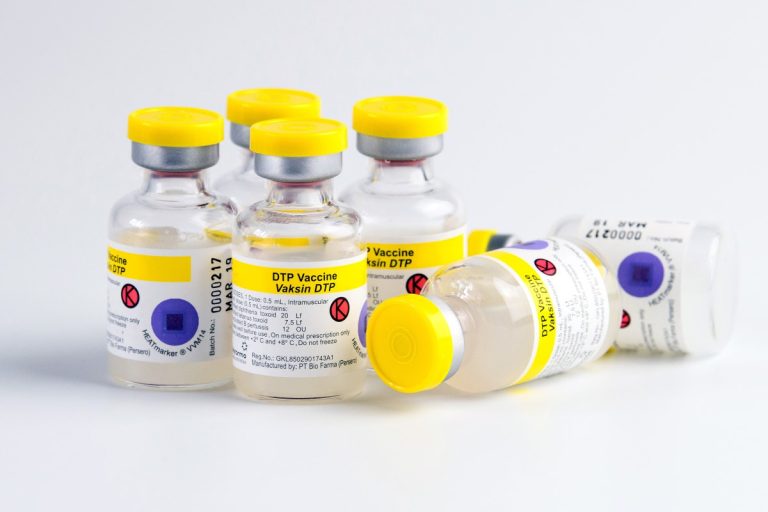
On Mar. 30, 1993, the Food and Drug Administration (FDA) approved a combined diphtheria and tetanus toxoids and…
On Mar. 30, 1993, the U.S. Food and Drug Administration (FDA) approved a new Haemophilus b conjugate vaccine,…

In 1993, the U.S. Centers for Disease Control and Prevention (CDC) responded to the H5N1 avian flu outbreak…

On Dec. 13, 1990, the U.S. Food and Drug Administration (FDA) approved Haemophilus b Conjugate Vaccine (Meningococcal Protein…

On Oct. 4, 1990, the FDA approved the use of Haemophilus b Conjugate Vaccine (Diphtheria CRM 197 Protein…