French scientist Louis Pasteur successfully tested an anti-rabies vaccine
On Jul. 6, 1885, Louis Pasteur’s anti-rabies vaccine was successfully tested on nine-year old Joseph Meister who had…
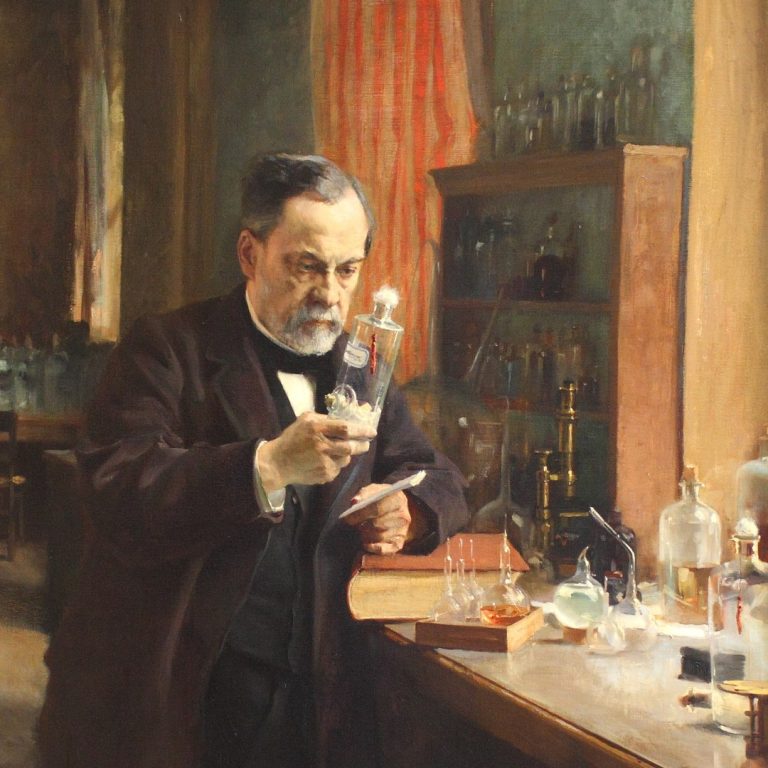
On Jul. 6, 1885, Louis Pasteur’s anti-rabies vaccine was successfully tested on nine-year old Joseph Meister who had…

Between 1884-1895, Milton J. Rosenau, Leslie L. Lumsen, Joseph H. Kastle and other Hygienic Laboratory workers conducted an…
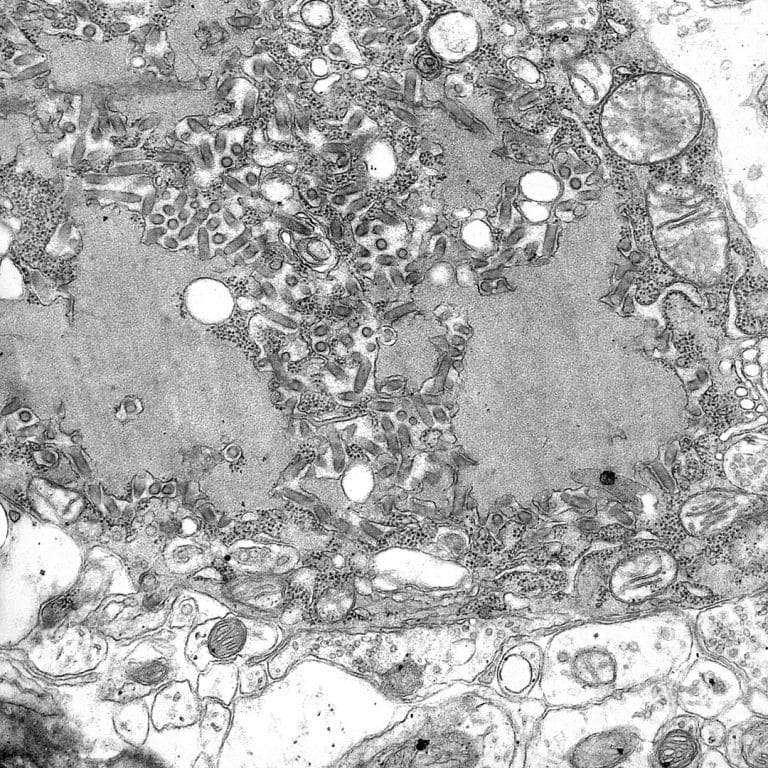
In 1884, the first live attenuated viral vaccine (rabies) was developed by Louis Pasteur, using dessicated brain tissue…

On Mar. 24, 1882, German scientist Robert Koch announced to the Berlin Physiological Society that he had discovered…

In 1880, the Streptococcus pneumoniae was first isolated by Louis Pasteur independently in France from the saliva of a…
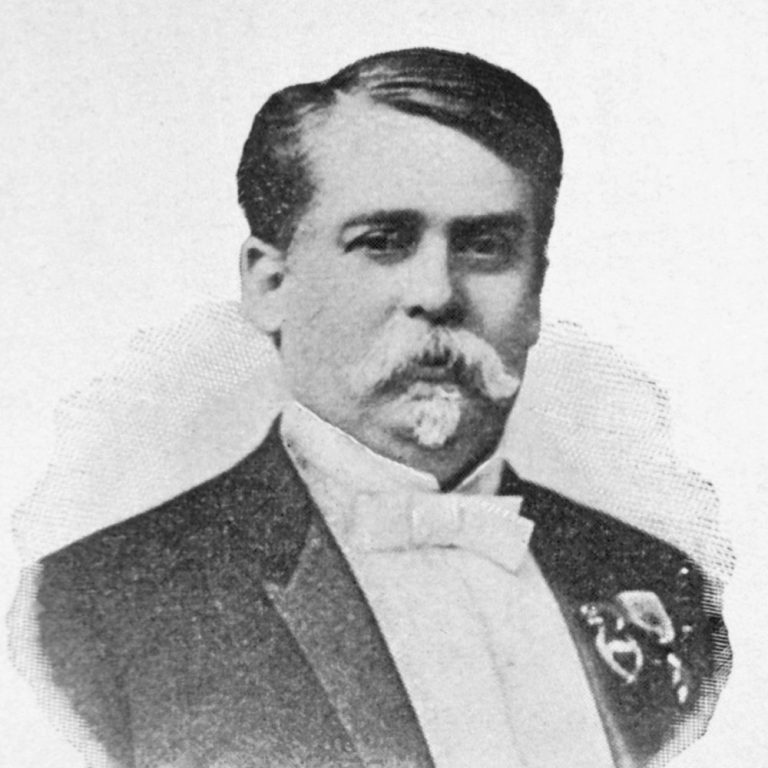
On Apr. 3, 1879, John B. Hamilton began service as Supervising Surgeon (later known as U.S. Surgeon General),…
On Apr. 29, 1878, an Act of the U.S. Congress to Prevent the Introduction of Contagious or Infectious…

On Nov. 9, 1872, the Boston Fire began on a Saturday and ended Sunday destroying 776 buildings across…
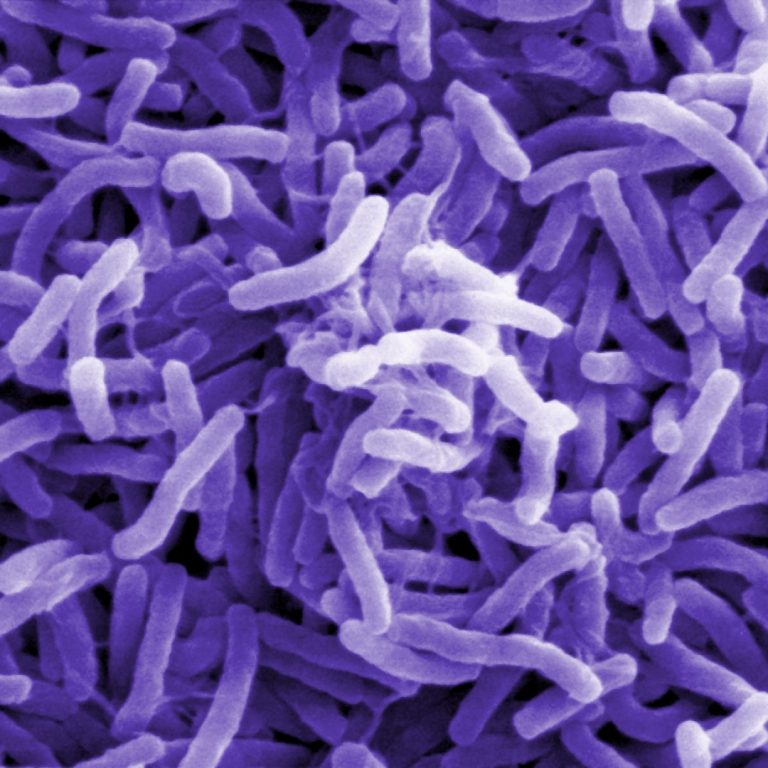
On April 18, 1866, the steamer Virginia arrived in New York from Liverpool, its passengers riddled with cholera….

On Jan. 27, 1864, William Worrall Mayo announced in the area newspapers that he was opening a private…

On Nov. 4, 1854, pioneering British nurse Florence Nightingale brought a team of women nurses to the Crimean…

In 1840, German scientist Dr. Jacob von Heine conducted the first systematic investigation of polio and developed the…
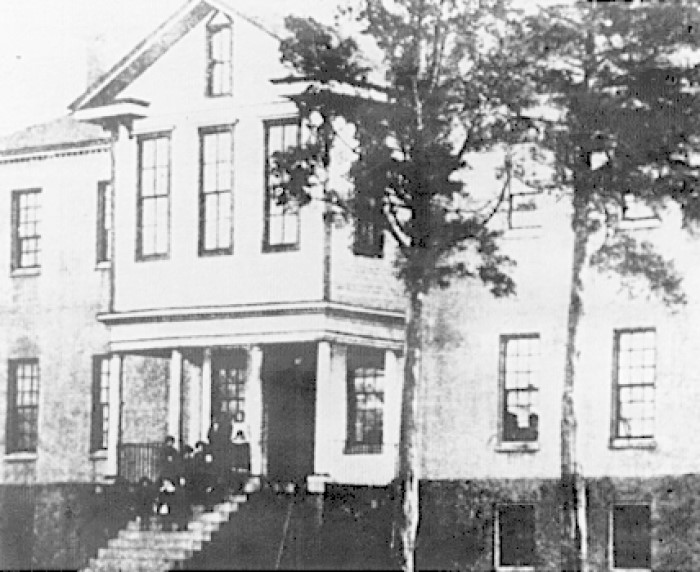
On May 3, 1802, the first permanent Marine hospital was authorized to be built in Boston, Mass. A…
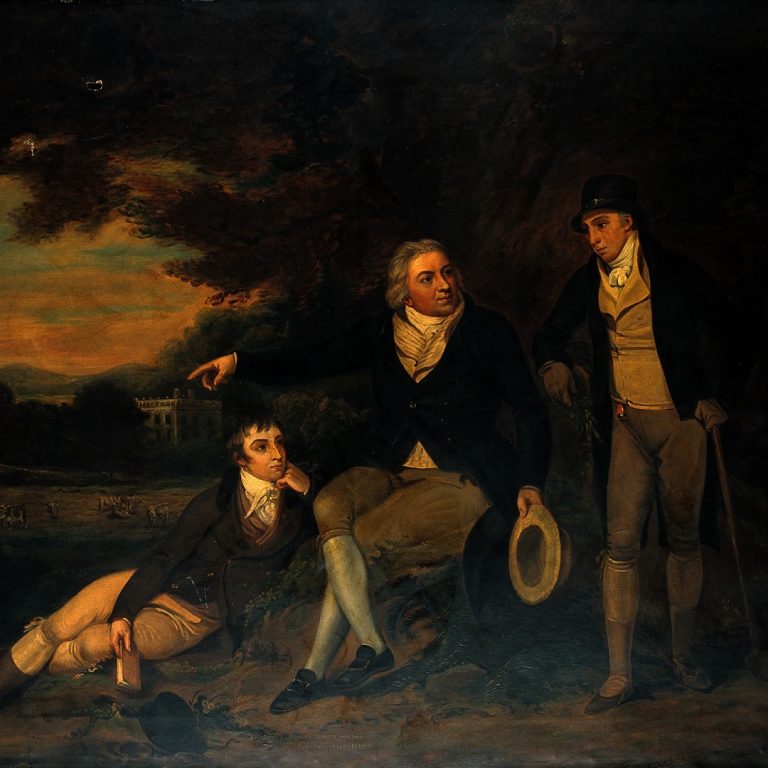
In 1798, Edward Jenner published his work on the development of a vaccination that would protect against smallpox….
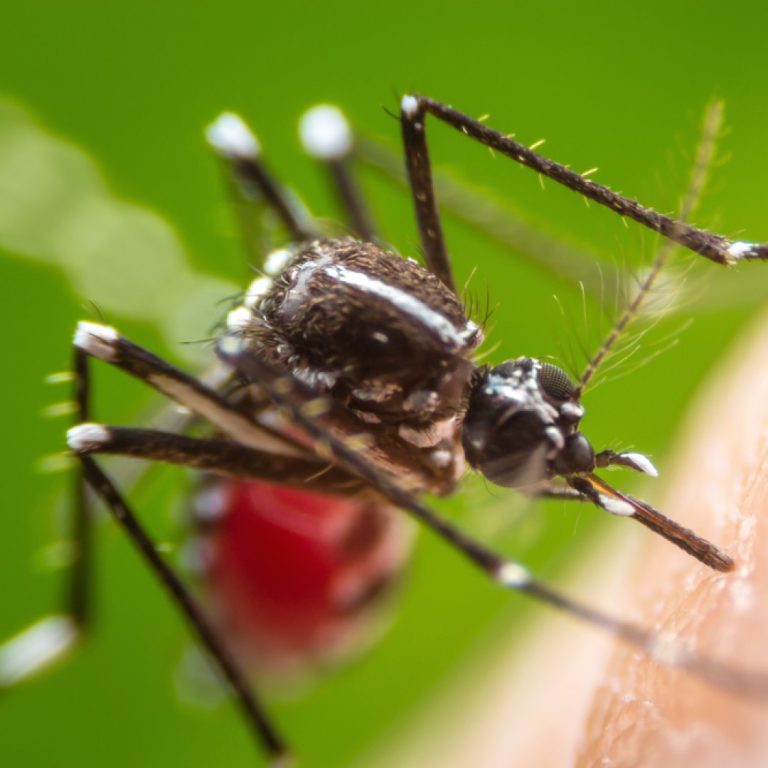
On Aug. 1, 1793, it was reported that a fever, now known as ‘Yellow Fever’ killed more than…

On Feb. 6, 1777, George Washington ordered the mandatory smallpox inoculation for all Continental soldiers against smallpox which had…

On Jun. 26, 1721, smallpox broke out in Boston, threatening to devastate the City. Zabdiel Boylston Adams, a…

On May 25, 1720, the Great Plague of Marseille began with the arrival of the Grand St Antoine…

In 1665 a tailor from Eyam ordered a box of materials relating to his trade from London, that…

In 1664, Russia officials organized quarantines to prevent the spread of the plague and prohibited entry into Moscow…

In 1663, the English monarchy issued royal decrees calling for the establishment of permanent quarantines for people infected…

In 1663, the English enacted a quarantine on all ships bound for London requiring each to pause at…
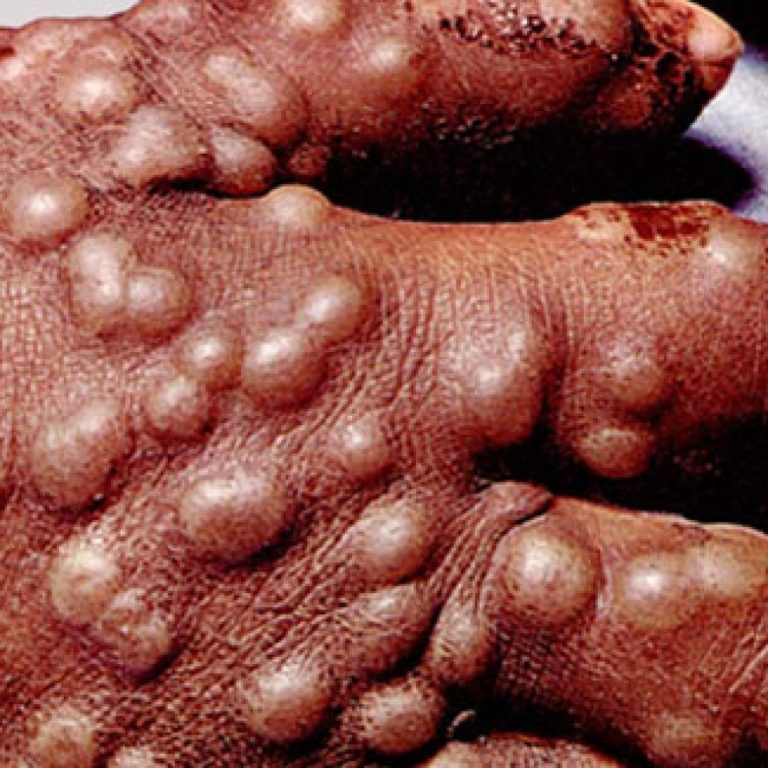
In 1663, during a smallpox epidemic in New York City, the General Assembly passed a law forbidding people…
In 1647, Boston officials enacted an ordinance requiring all arriving ships to stop at the harbor entrance or…
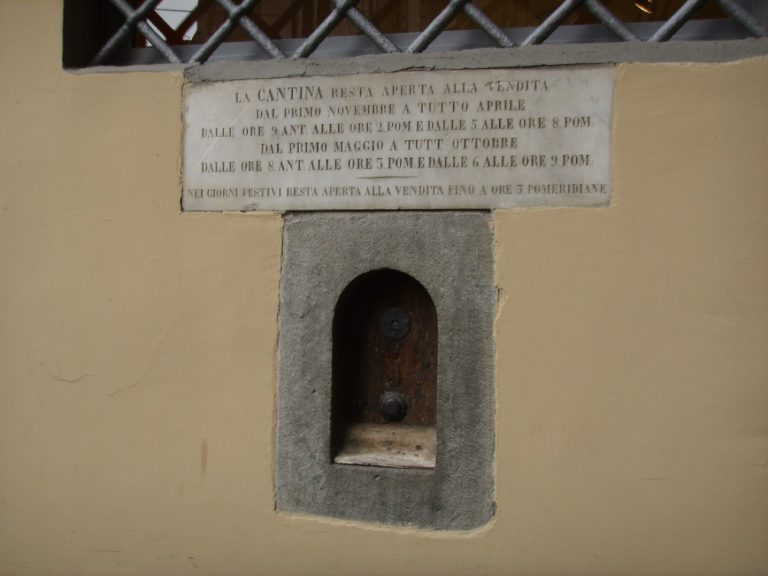
In 1634, the Florentine scholar, Francesco Rondinelli, wrote a report about a disease contagion, now known as the…

In 1580, the first pandemic or worldwide epidemic, that clearly fit the description of influenza occurred in Italy….

In 1521, the first maritime quarantine opened in Marseilles, France. The quarantine system in Marseille lasted from 1620…
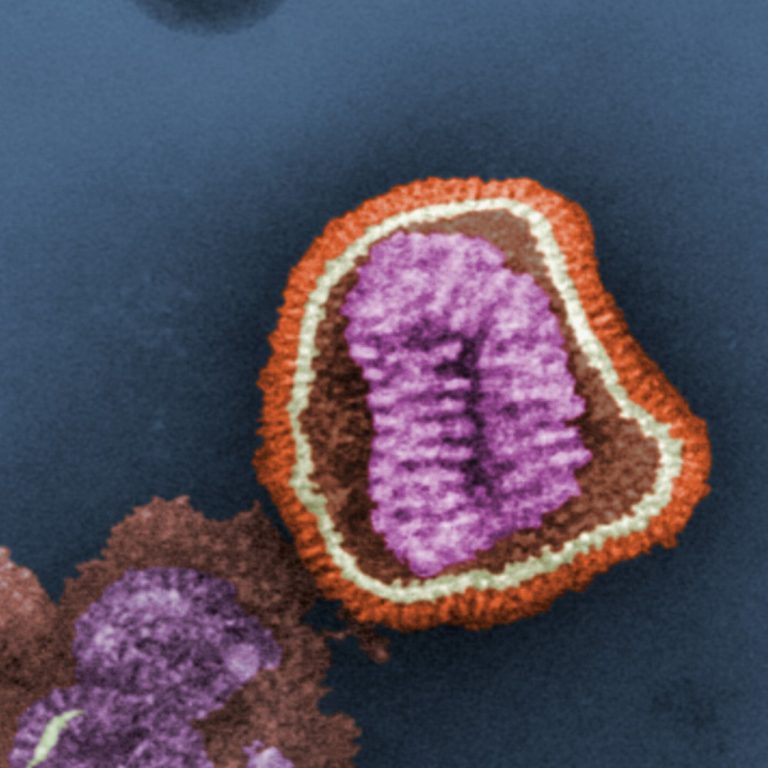
In 1510, history’s first recognized influenza pandemic originated in Asia and rapidly spread to other continents through eyewitness…

In 1403, Venice established the world’s first known maritime quarantine station, or lazaretto, on Santa Maria di Nazareth,…
In 1348, Venice established the world’s first institutionalized system of quarantine that gave a council of three the…