Factory Inspection Amendment required FDA to give manufacturers written reports of conditions observed during inspections
In 1953, the U.S. Congress enacted the Factory Inspection Amendment which clarified previous law and required the U.S….

In 1953, the U.S. Congress enacted the Factory Inspection Amendment which clarified previous law and required the U.S….
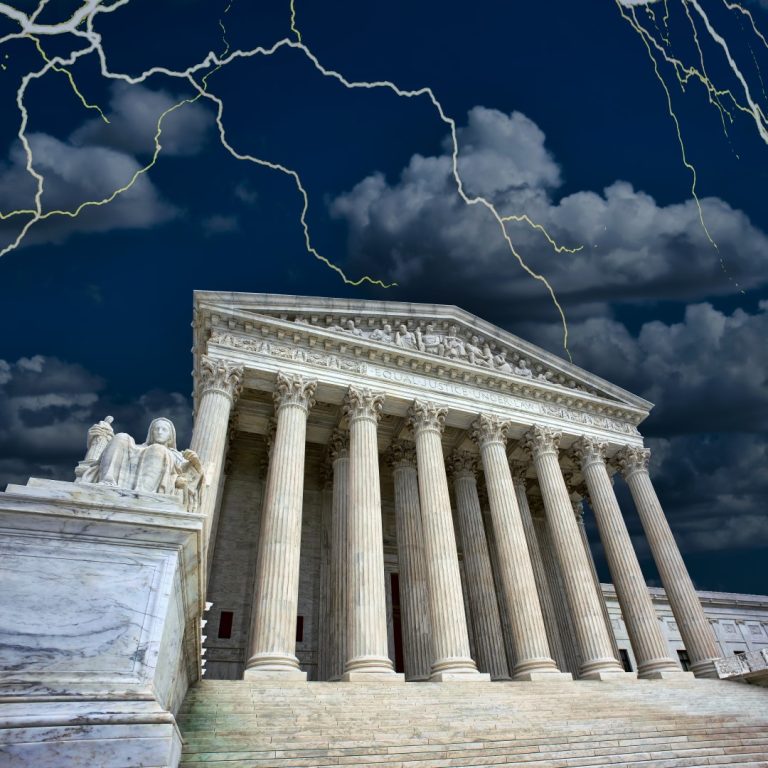
On Dec. 8, 1952, in U.S. v. Cardiff, the Supreme Court ruled that the factory inspection provision of…
In November, 1952, U.S. Food and Drug Administration (FDA) consumer consultants were appointed in each field district to…
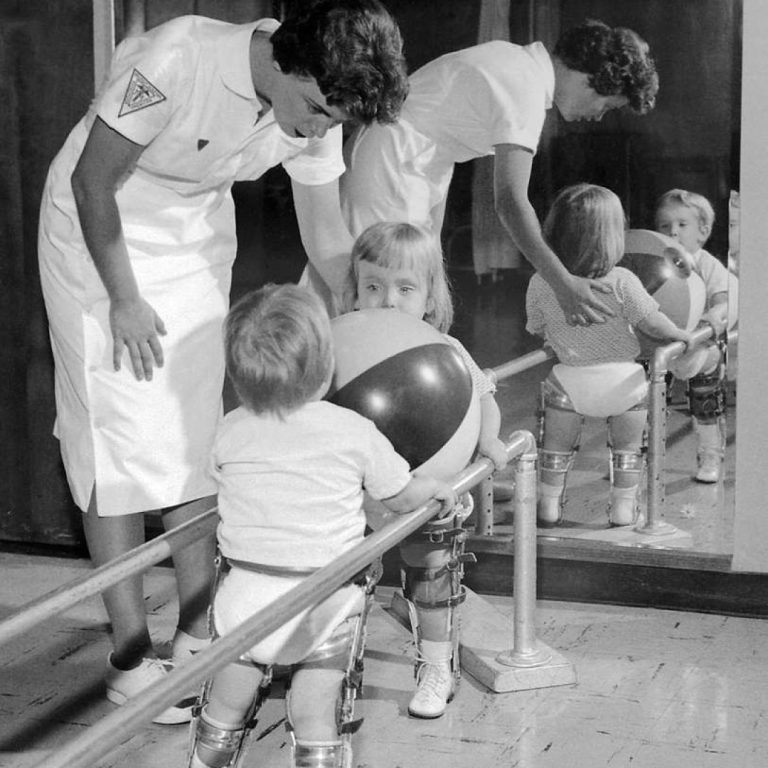
In September 1952, Dr. William Hammon conducted the first placebo-controlled field trial of gamma globulin that, in just…

In 1952, Alfred Hershey and Martha Chase conducted a series of experiments at the Carnegie Institute of Washington…
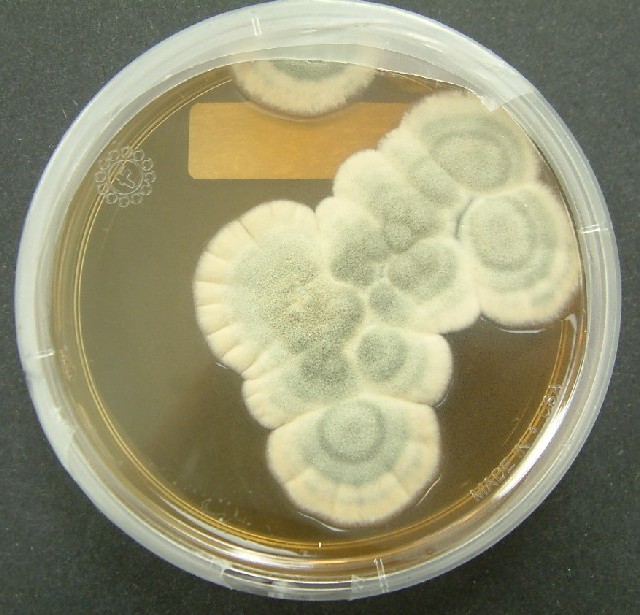
In 1951, the U.S. Food and Drug Administration (FDA) approved the use of antibiotics on animals. In 1943, farmers…
In 1949, the U.S. Food and Drug Administration (FDA) approved nitrogen mustard to kill cancer cells. The major use…
In 1949, U.S. Food and Drug Administration (FDA) published guidance to industry for the first time. This guidance,…

In 1947, a combination diphtheria and tetanus toxoids for pediatric use was first licensed in the U.S. After…
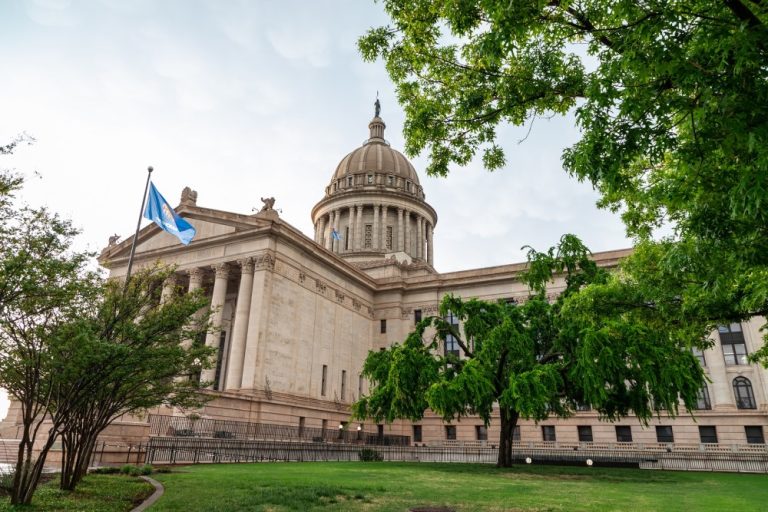
On Aug. 3, 1946, the articles of incorporation were signed by Governor Roy J. Turner that established the…
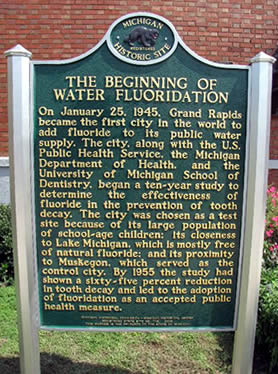
On Jan. 25, 1945, at 4:00 p.m., Grand Rapids, Michigan, achieved a historic milestone by becoming the inaugural…
In 1945, the U.S. Congress passed the Penicillin Amendment, modeled on the earlier Insulin Amendment. The former required…
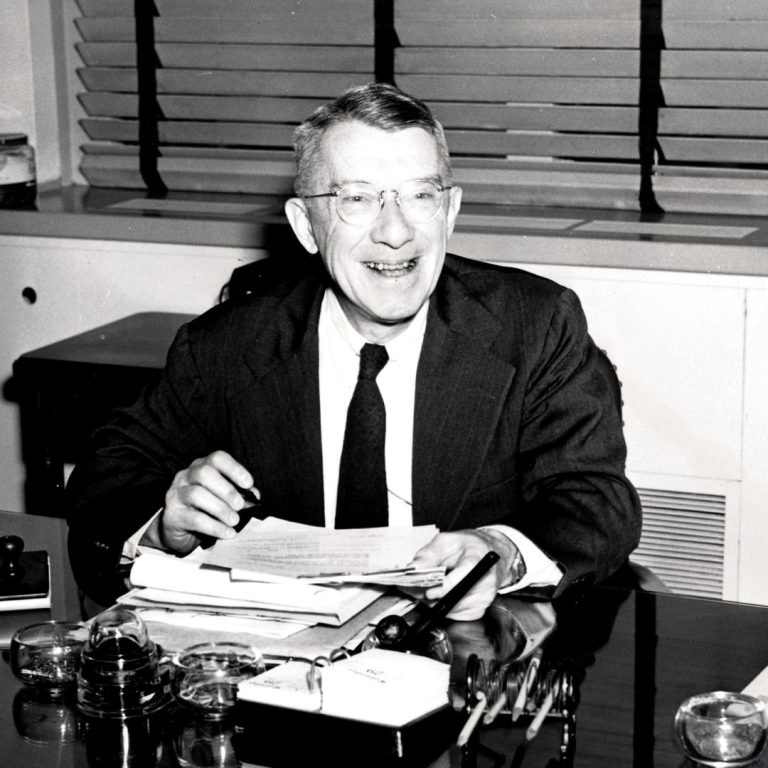
On May. 1, 1944, Paul B. Dunbar, Ph.D., becomes Commissioner of Food and Drugs. His tenure as commissioner…
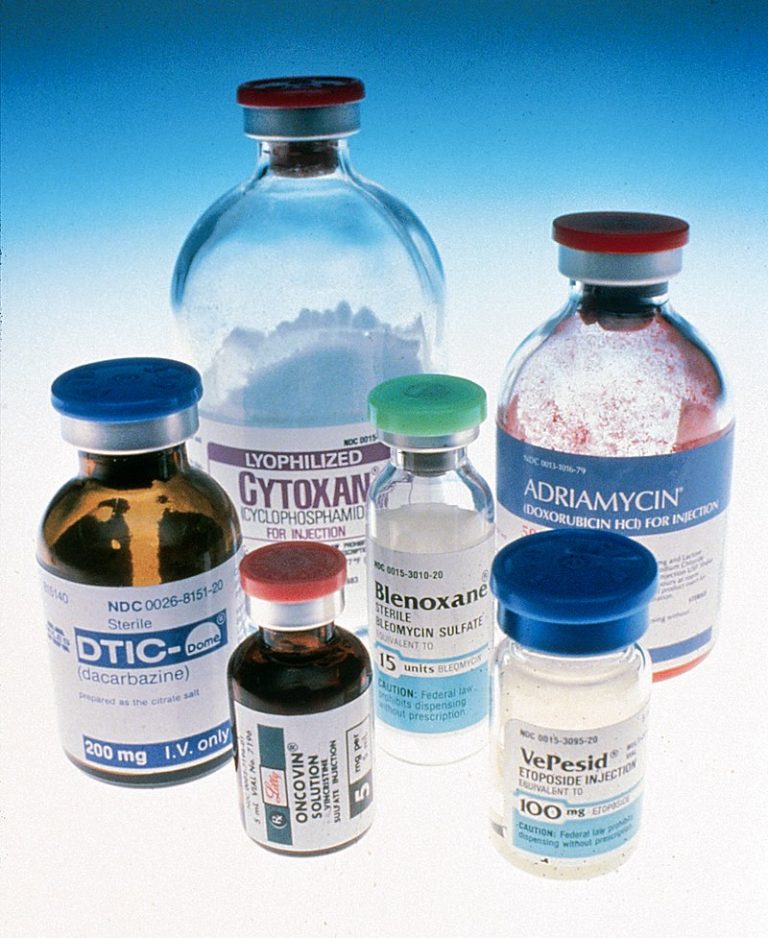
On Aug. 27, 1942, Yale physicians administered the world’s first intravenous chemotherapy to a patient with advanced lymphoma….
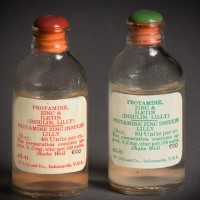
On Dec. 1, 1941, in response to the emergency need for insulin standards, the USP formed an Insulin…
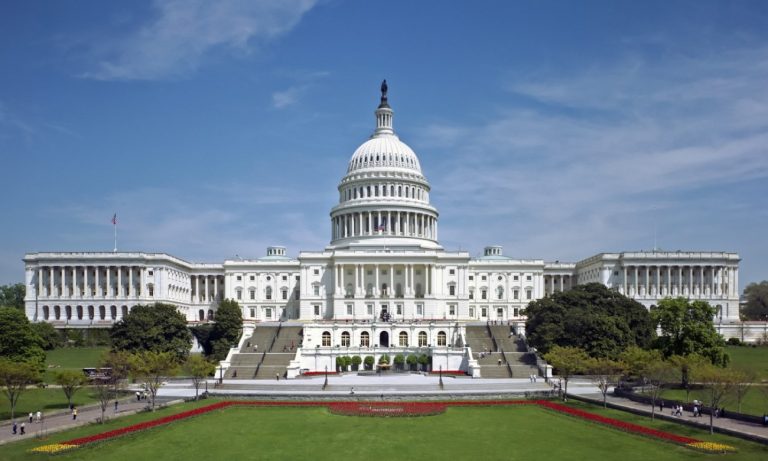
On Jun. 25, 1938, the U.S. Congress passed the Federal Food, Drug, and Cosmetic Act with new provisions….
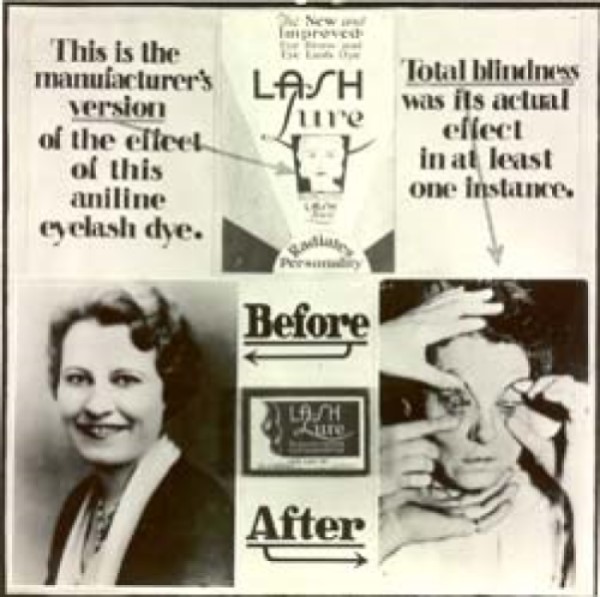
In 1938, under the Wheeler-Lea Act passed by the U.S. Congress, the Federal Trade Commission is charged with…
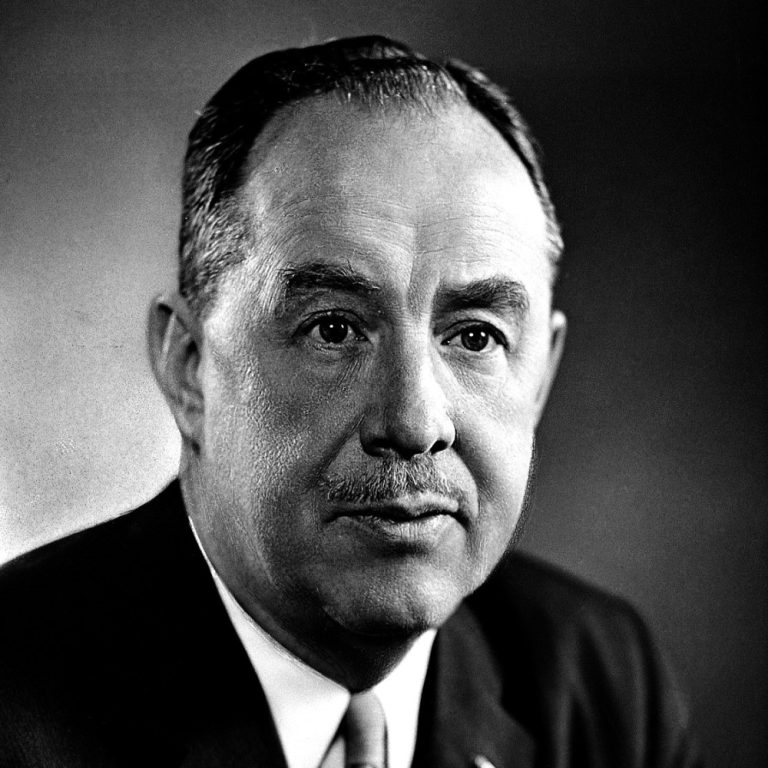
In 1938, Thomas Francis, Jr., MD and Jonas Salk, MD served as lead researchers at the University of…
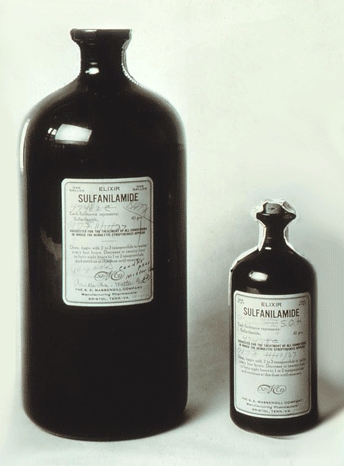
On Nov. 16, 1937, the U.S. Congress directed the Food and Drug Administration (FDA) to give a full…
On Jun. 12, 1933, a bill was introduced in the U.S. Senate by New York Senator Royal S….
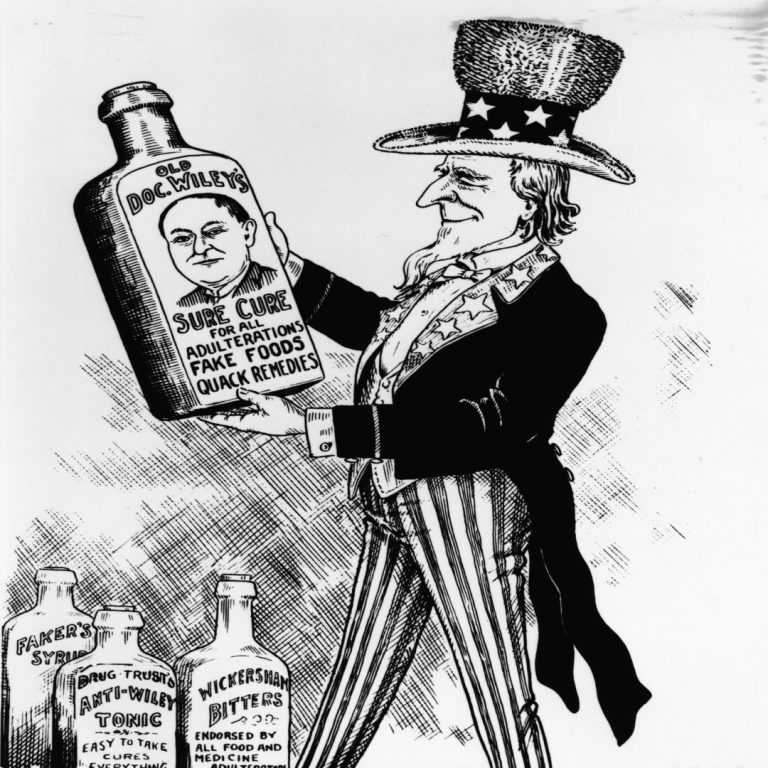
In 1933, the U.S. Food and Drug Administration (FDA) recommended a complete revision of the obsolete 1906 Food and…
In 1930, the name of the Food, Drug, and Insecticide Administration was shortened to Food and Drug Administration…
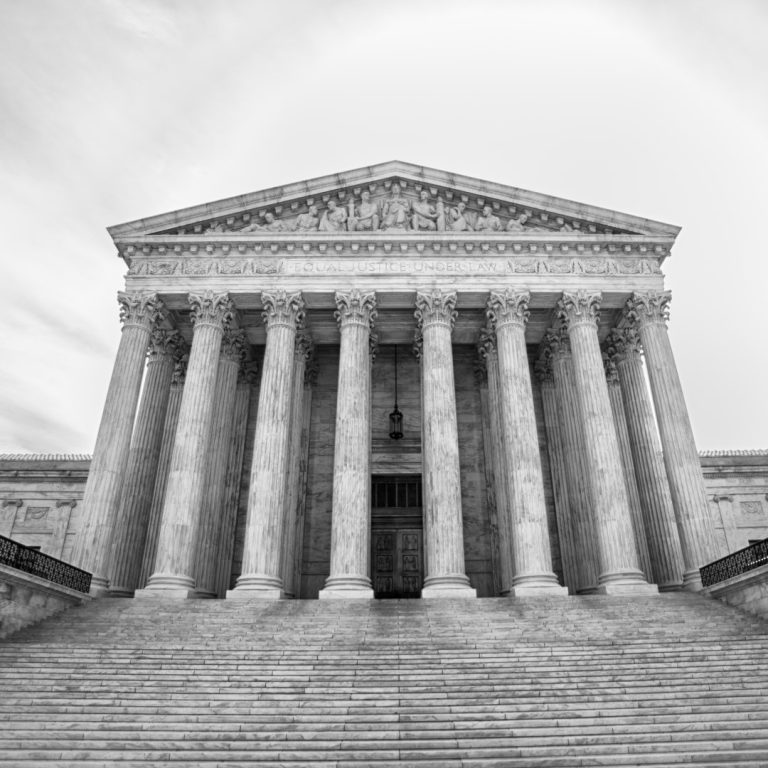
On Jun. 2, 1924, in U.S. v. 95 Barrels Alleged Apple Cider Vinegar, the Supreme Court ruled that…
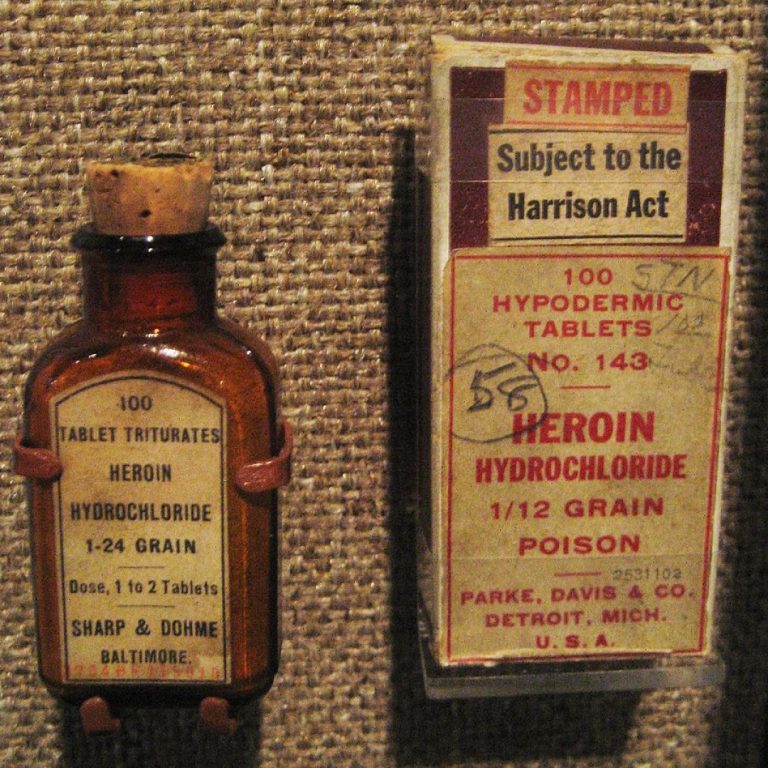
On Feb. 14, 1924, the Harrison Narcotic Act required prescriptions for products exceeding the allowable limit of narcotics…

In 1923, William Mansfield Clark from the U.S. Department of Agriculture alerted the public to the dangers of…
On Feb. 24, 1914, the U.S. Supreme Court issued, in U.S. v. Lexington Mill and Elevator Company, its…
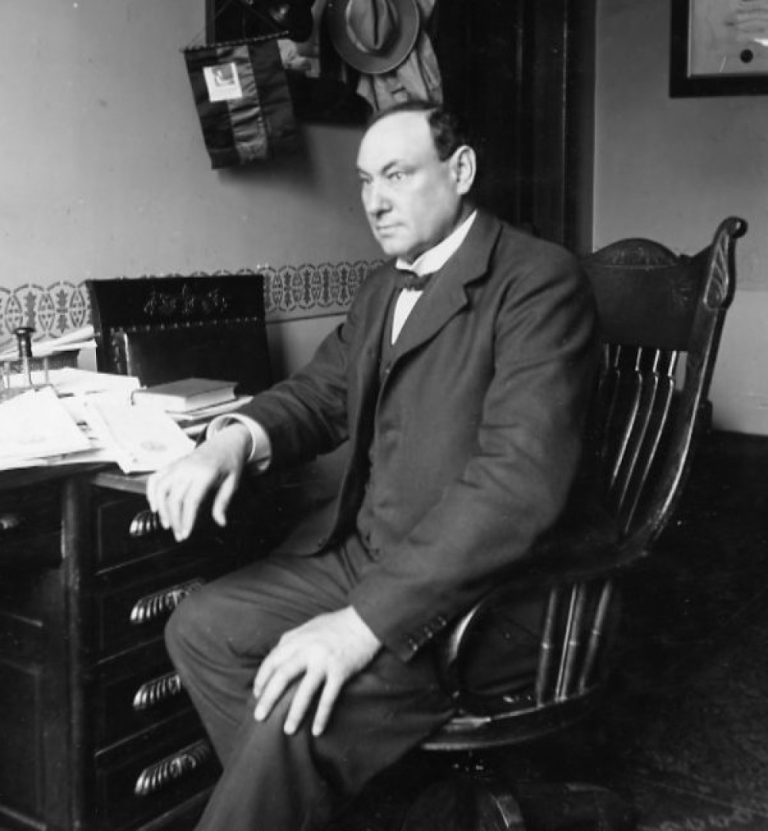
On Mar. 15, 1912, Dr. Harvey Wiley, “Father of the Pure Food and Drugs Act,” resigned as chief…

On May 29, 1911, in U.S. v. Johnson, the Supreme Court ruled that the 1906 Pure Food and…
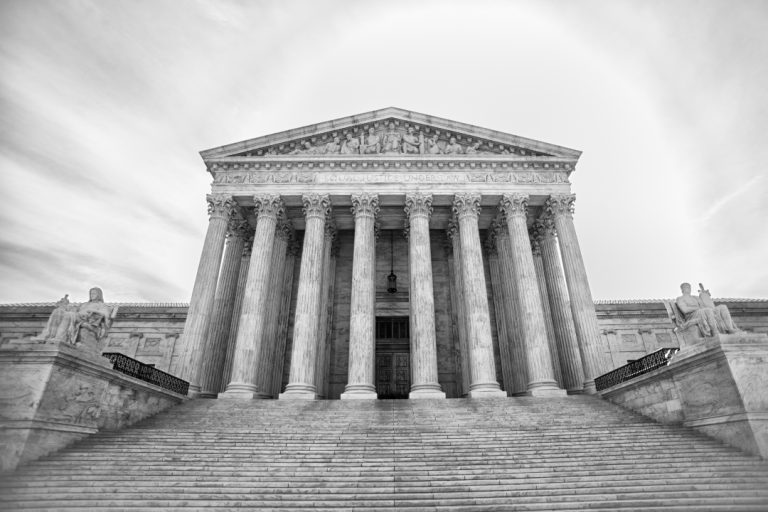
On Apr. 13, 1911, U.S. v. Johnson, the Supreme Court ruled against the government, finding that the product’s…
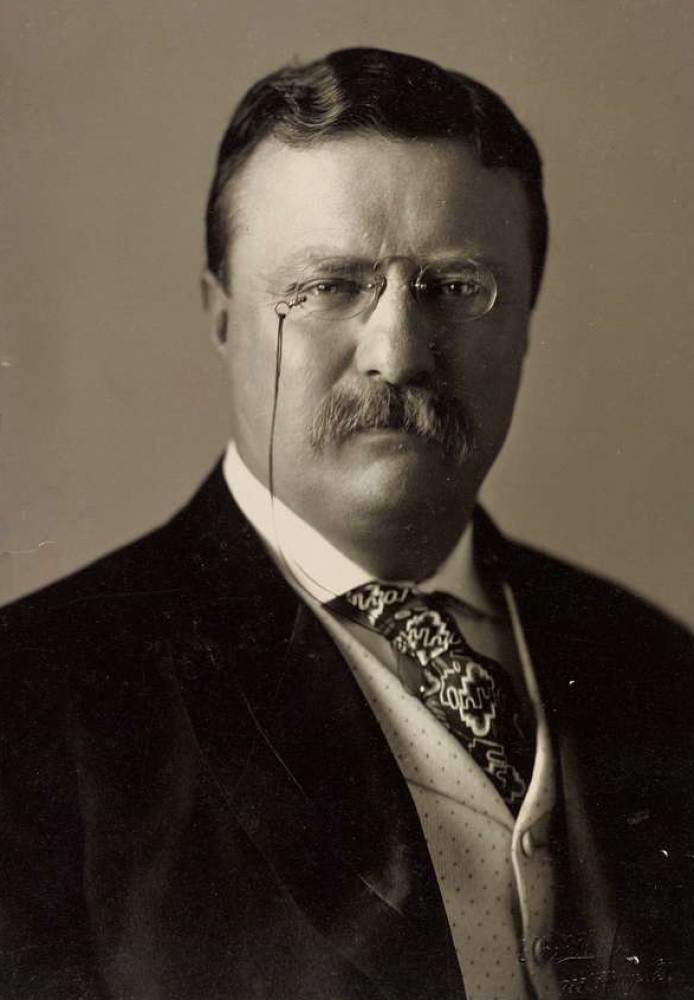
On Jun. 30, 1906, President Theodore Roosevelt signed the Pure Food and Drug Act, and the meat inspection…