The Safe Water System was developed by the CDC and the Pan American Health Organization
In 1990, the Safe Water System (SWS) was developed by the U.S. Centers for Disease Control and Prevention…
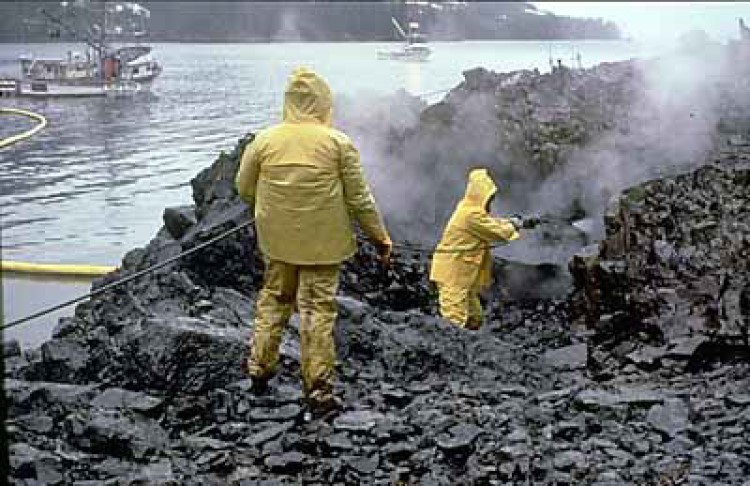
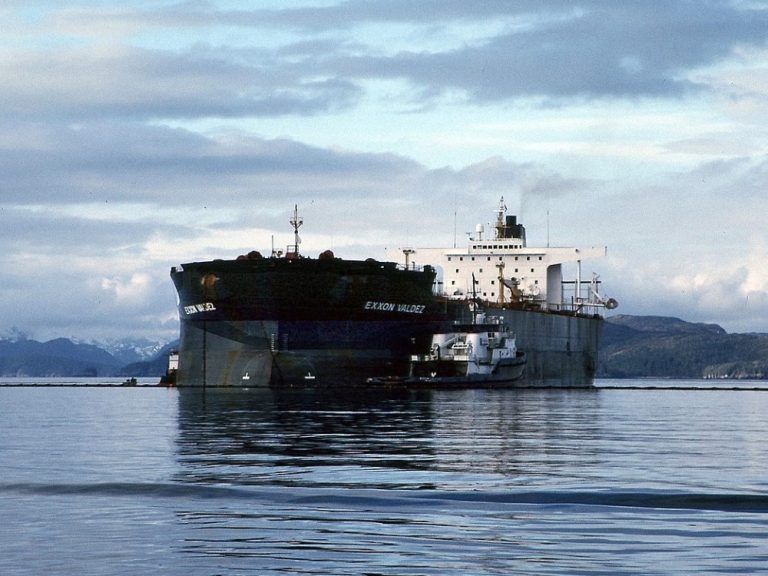
On Mar. 24, 1989, the oil tanker Exxon Valdez ran aground in Prince William Sound, Alaska, spilling 11…
On Mar. 31, 1988, the U.S. Congress enacted the National Space Grant College and Fellowship program and authorized…
In 1988, scientists at the University of Georgia’s Savannah River Ecology Laboratory find 10 times more genetic diversity…
On May 26, 1987, vandals uprooted approximately 3,000 potato plants being studied with ice-minus bacterium on a half-acre…
On Apr. 29, 1987, University of California, Berkeley plant pathologist Steven Lindow field-tested genetically altered Pseudomonas syringae (known…
On Apr. 24, 1987, Advanced Genetic Sciences (AGS) sprayed Frostban on an acre of strawberry plants in Brentwood,…
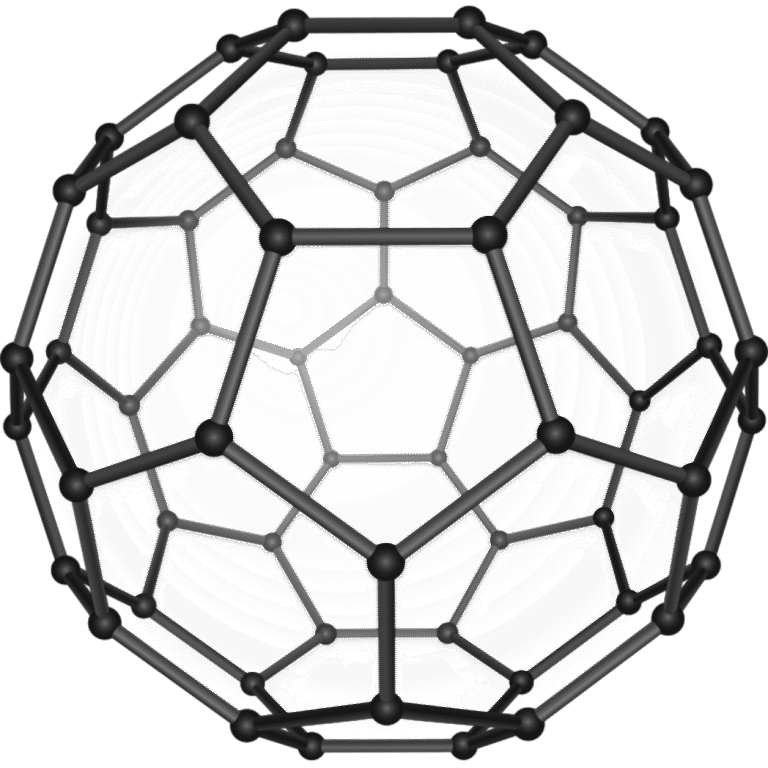
On Nov. 14, 1985, buckyballs were discovered by chemists Harold Kroto, Robert Curl, and Richard Smalley. While experimenting…
On Mar. 4, 1985, the Environmental Protection Agency (EPA) Administrator Lee M. Thomas announced final standards to cut…
In 1985, Federal courts ruled that private companies don’t need National Institutes of Health’s (NIH) permission for field…
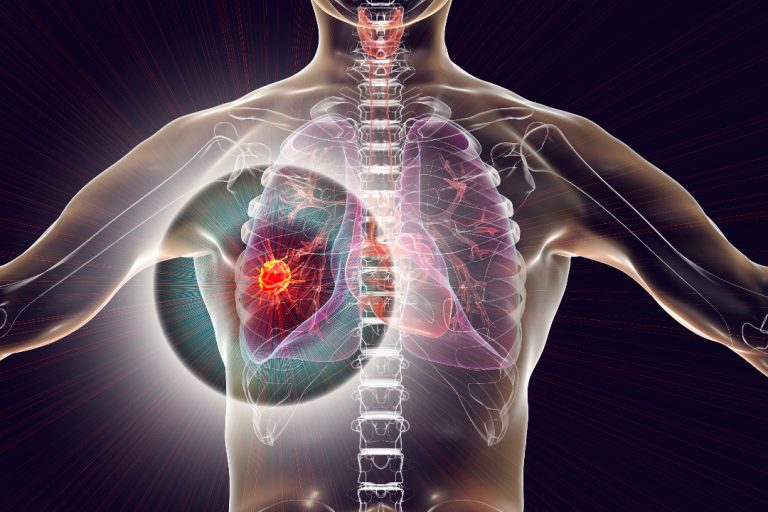
On May 23, 1984, U.S. Surgeon General reported that there was “very solid” evidence linking cigarette smoke to…
In 1984, the U.S. Environmental Protection Agency (EPA) announced that if you genetically engineer any microbe intended for…
On Feb. 7, 1983, Rita M. Lavelle, head of the U.S. Environmental Protection Agency’s Superfund program to clean…
In 1983, the National Institute of Health’s (NIH) Recombinant DNA Advisory Committee unanimously approved Lindow test. Stephen Lindow,…
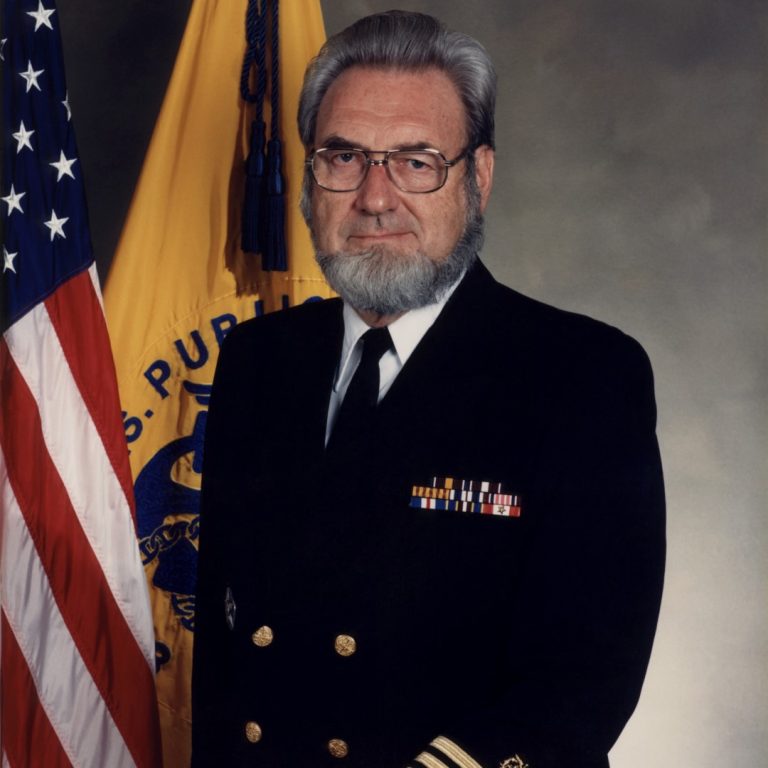
On Jan. 21, 1982, C. Everett Koop was appointed U.S. Surgeon General by President Ronald Reagan. In 1984,…
In 1982, the WISEST (Women in Scholarship, Engineering, Science & Technology) began at the University of Alberta when…
In 1982, Steven Lindow from the University of California, Berkeley, was the first to ask permission to deliberately…
In July 1981, the U.S. Department of Health and Human Services assigned implementation of the Superfund Act to…
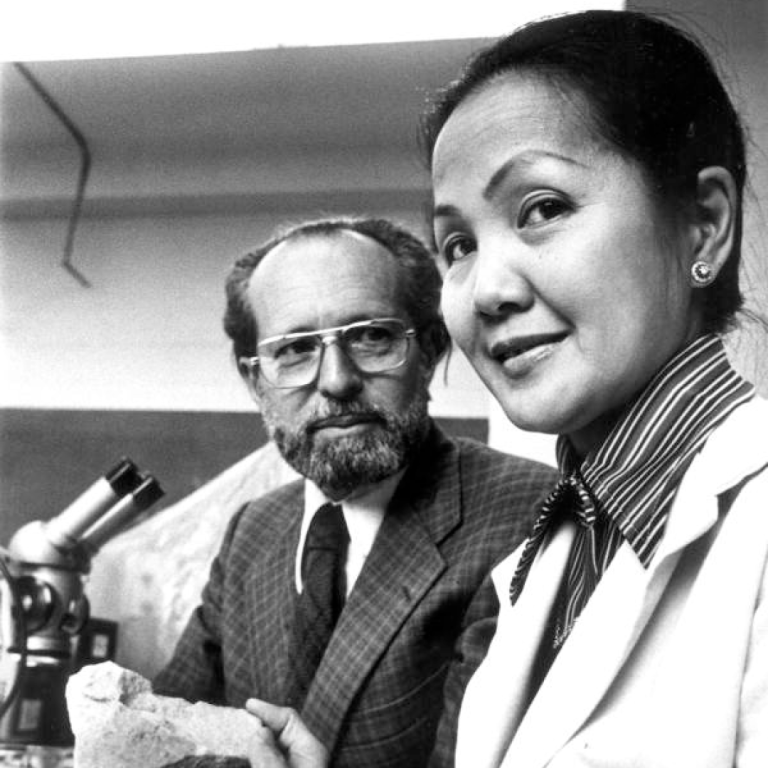
In 1981, Filipino and American scientist Dr. Roseli Ocampo-Friedmann received the U.S. Congressional Antarctic Service Medal for her…
On Dec. 11, 1980, the Comprehensive Environmental Response, Compensation, and Liability Act (CERCLA), commonly known as Superfund, was…
On May 30, 1980, the U.S. Centers for Disease Control and Prevention (CDC) released a report of health…
In 1980, faculty members in the Stanford University’s Department of Pharmacology publicly expressed their opposition to the proposed…
In 1980, the U.S. Centers for Disease Control and Prevention (CDC) established the National Center for Environmental Health…
Om Mar. 28, 1979,the Three Mile Island Unit 2 (TMI-2) reactor, near Middletown, Pa., partially melted down resulting…
On Mar. 28, 1979, the U.S. Centers for Disease Control and Prevention (CDC) investigated health effects related to…
On Nov. 9, 1978, the President Jimmy Carter signed the Community Mental Health Centers Act (P.L. 95-622) amending…
In 1978, Carl Woese, an American microbiologist defined Archaea as a new domain based upon genetic relationships that…
In 1976, The U.S. Congress passed the Toxic Substances Control Act (TSCA) which provided the U.S. Environmental Protection…
In 1976, the U.S. Centers for Disease Control and Prevention’s (CDC) Environmental Services Division revealed blood lead levels…
On Nov. 28, 1973, the Environmental Protection Agency (EPA) Administrator Russell E. Train announced the final regulations to…