Drs. Edward C Kendall and Philip S Hench at the Mayo Clinic, shared the Nobel Prize in medicine
In 1950, Drs. Edward C. Kendall and Philip S. Hench at the Mayo Clinic, along with Tadeus Reichstein,…
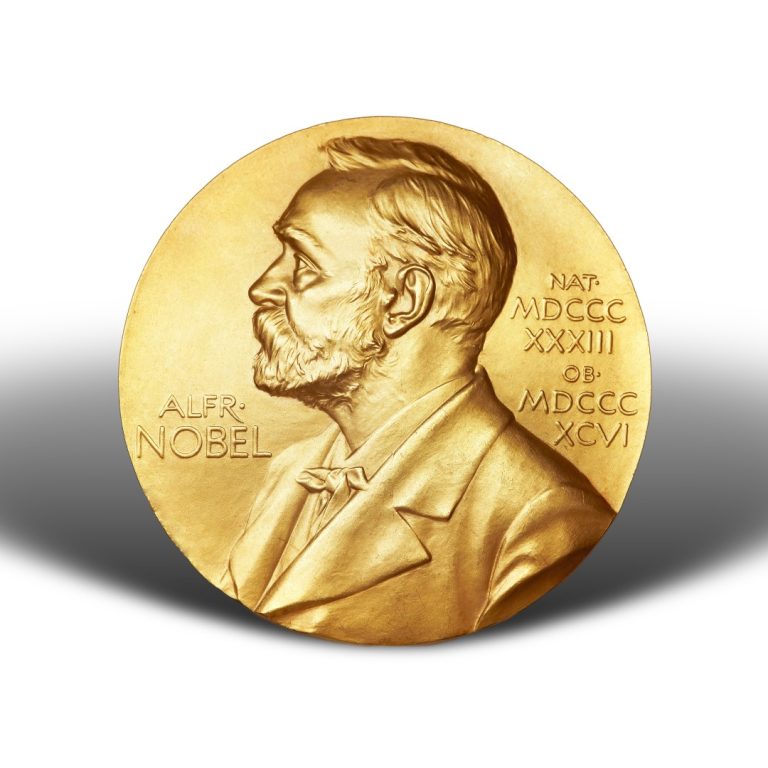
In 1950, Drs. Edward C. Kendall and Philip S. Hench at the Mayo Clinic, along with Tadeus Reichstein,…
In 1950, Roger M. Cole and Byron J. Olson in collaboration with Veterans Administration physicians conducted epidemiologic studies…

On Oct. 9, 1949, the University of Washington’s Health Sciences Building was dedicated on the university’s Seattle campus….
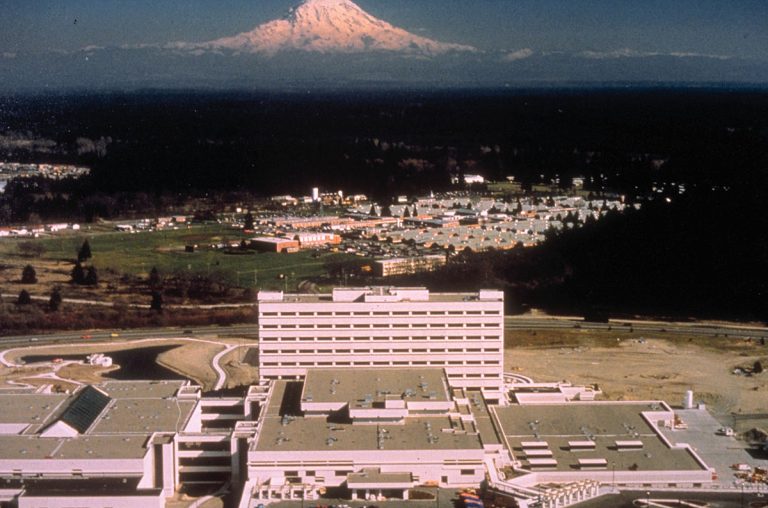
In Jul. 1943, Construction of the original Madigan General Hospital began during the height of World War II…
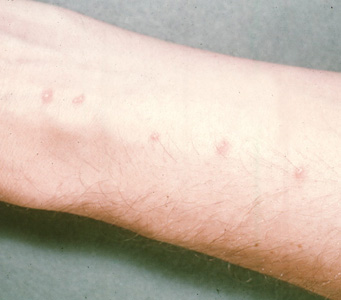
On Mar. 2, 1949, Louis Olivier published “The Penetration of Dermatitis-Producing Schistosome Cercariae” in the American Journal of…
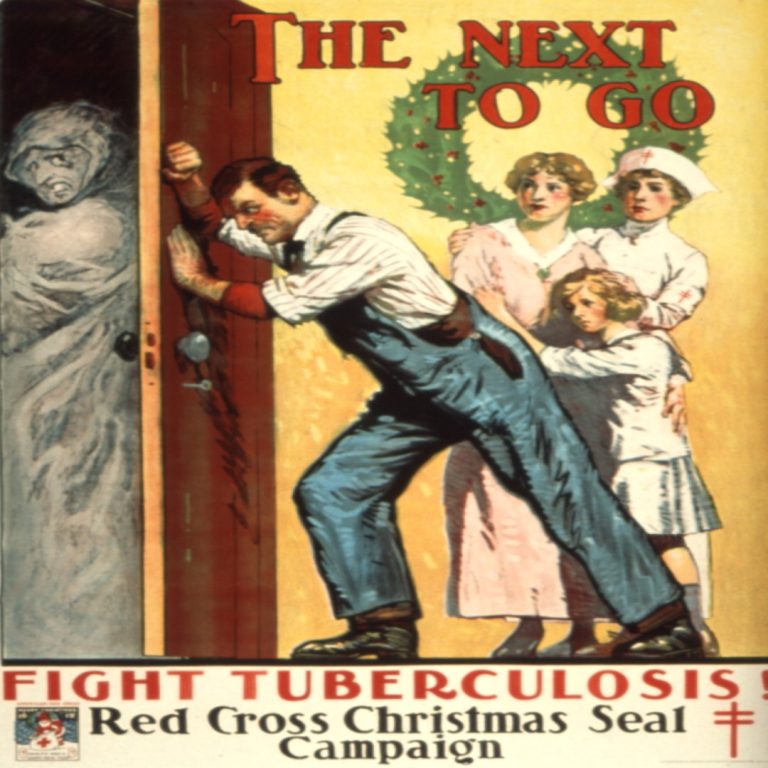
In 1949, to help stem the spread of tuberculosis, the city of Seattle created a locked ward for…
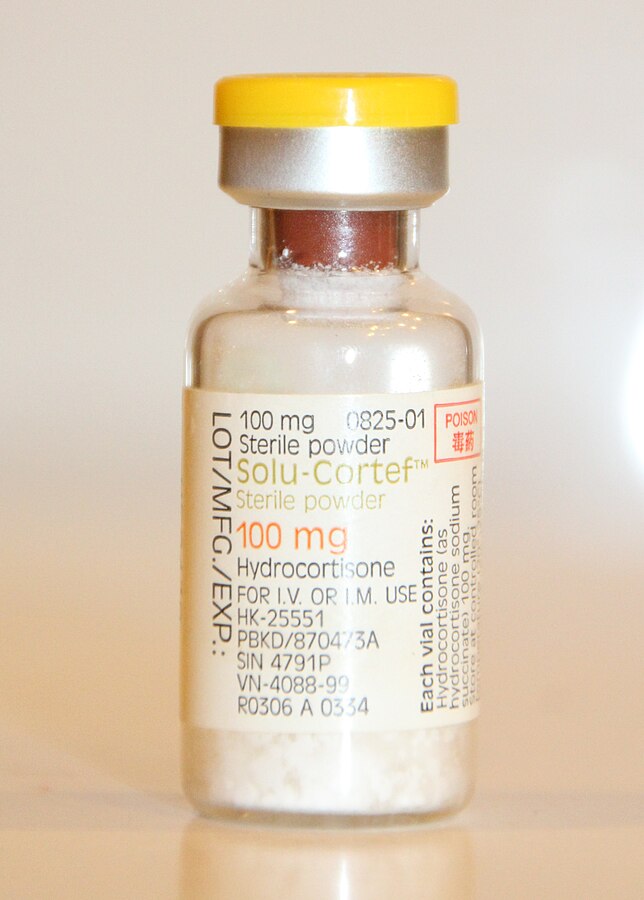
On Sept. 21, 1948, a 28-year-old woman at Saint Marys Hospital (Mayo Clinic) in Rochester, MN received the…
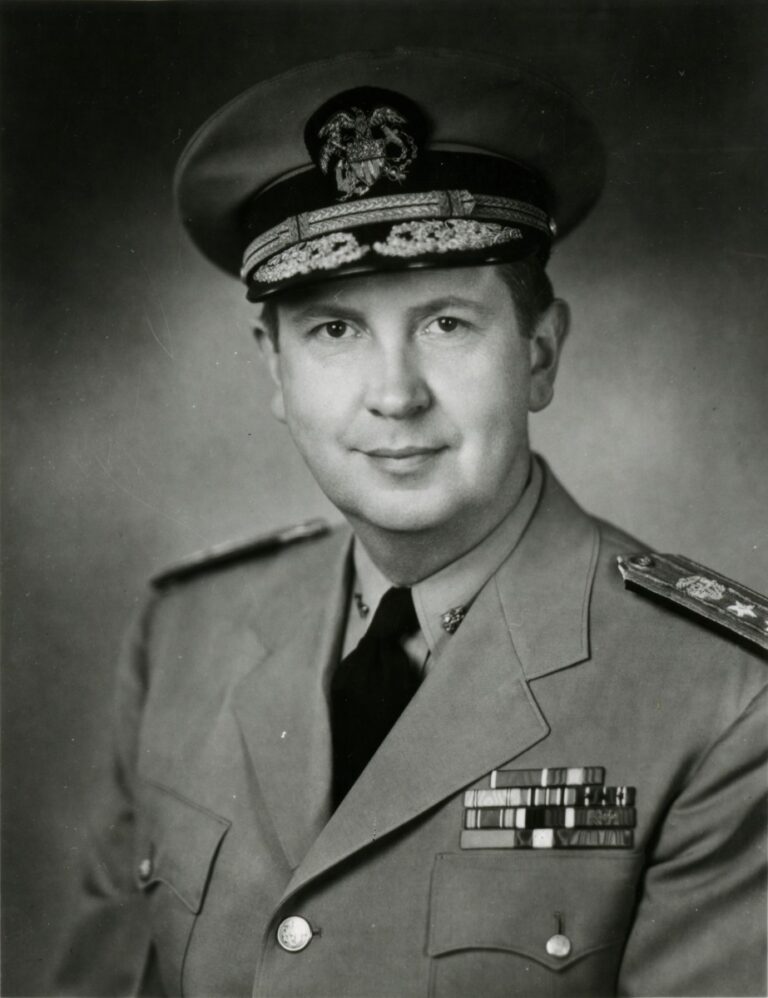
On Apr. 6, 1948, President Harry Truman appointed Leonard A. Scheele as U.S. Surgeon General. Scheele served as Surgeon…
In 1947, The first attempt at coordinating cancer at University of California at San Francisco (UCSF) was a…
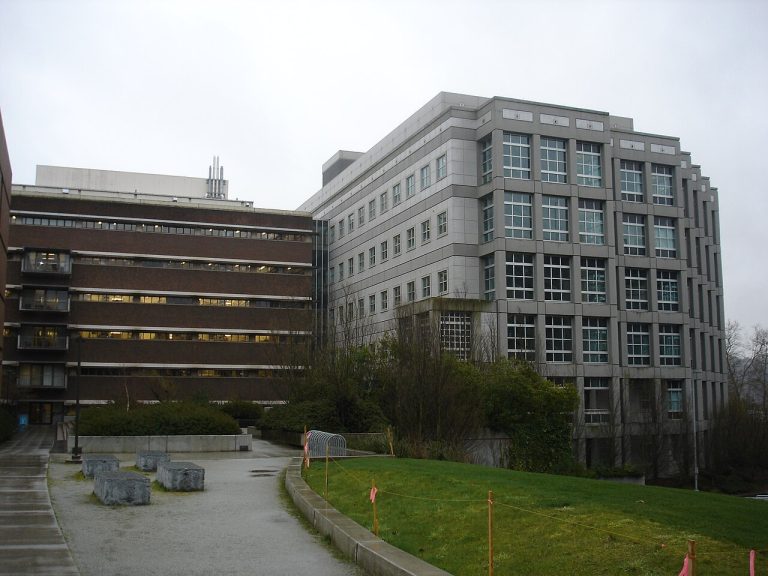
On Mar. 5, 1947, ground was broken for the new University of Washington’s Health Sciences Building. The new…

In 1947, the Southeastern Michigan Division of the American Cancer Society created the Michigan Cancer Foundation to comply…
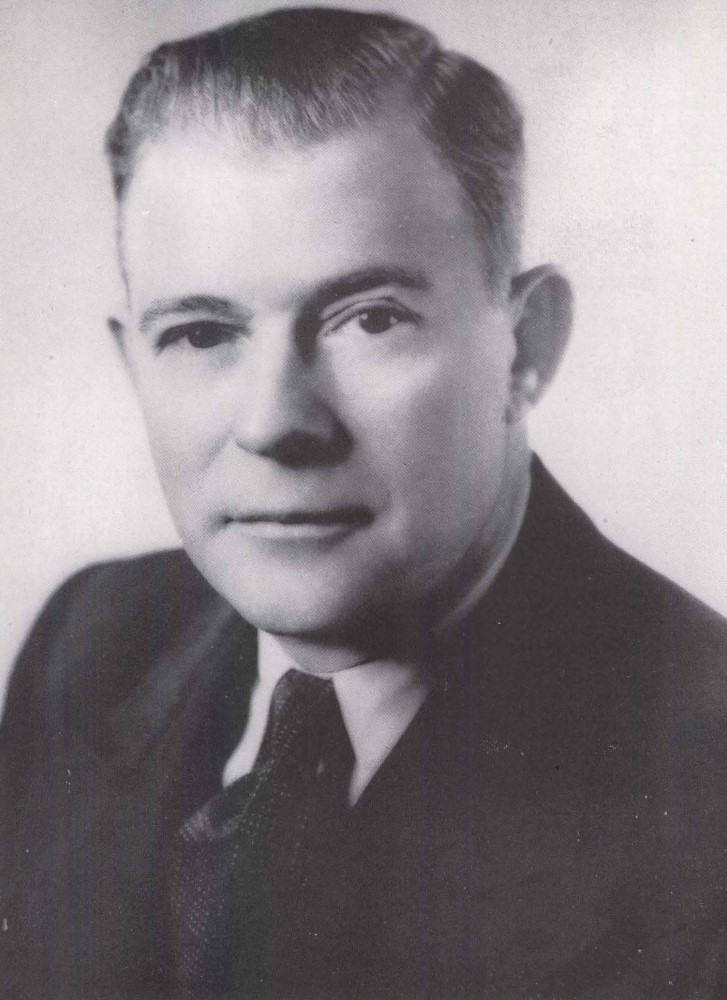
In 1947, Governor Roy J. Turner launched a fund drive that spanned all 77 of Oklahoma’s counties. In…
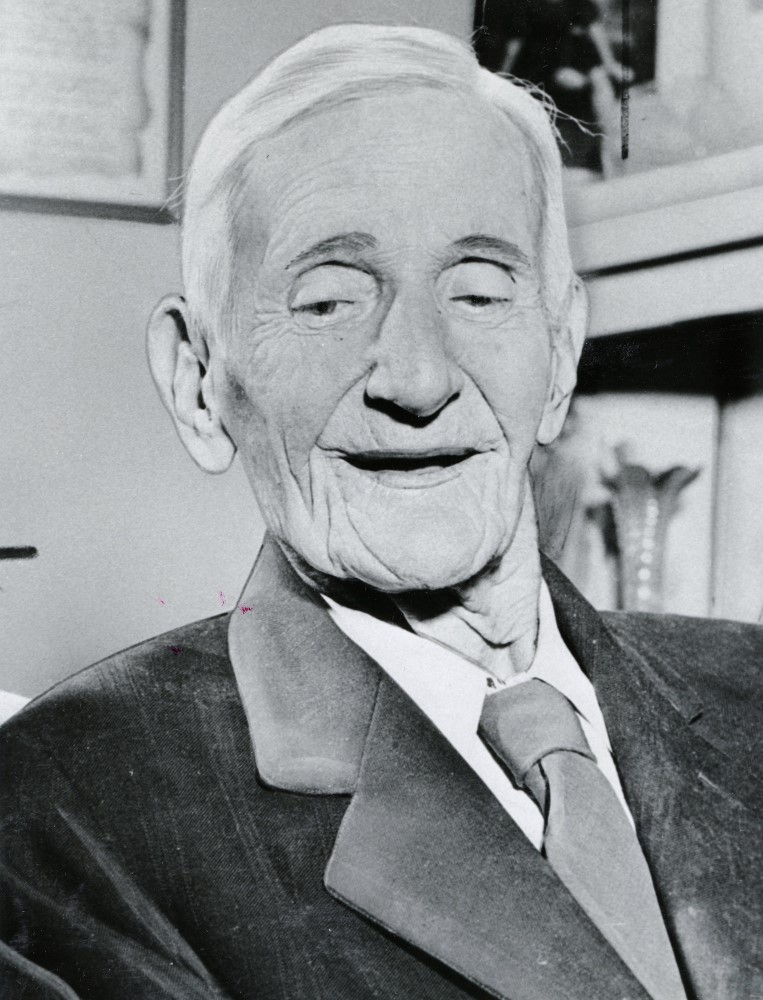
On Aug. 28, 1946, Oklahoma’s Secretary of State Frank C. Carter granted the charter of the Oklahoma Medical…
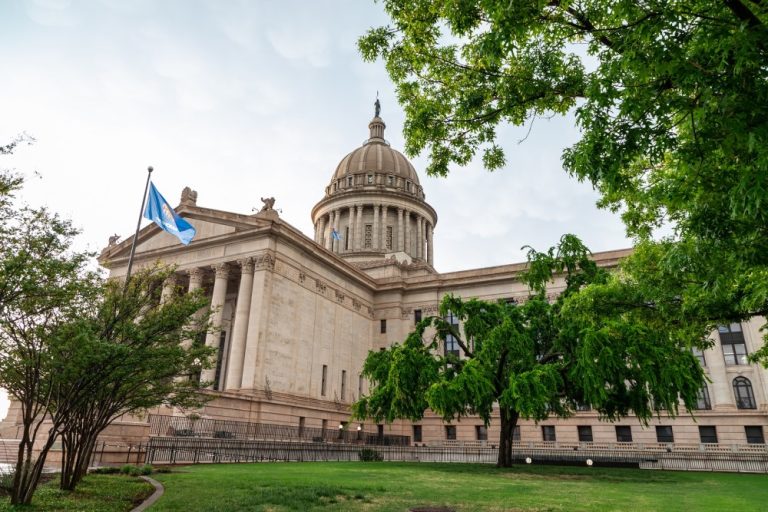
On Aug. 3, 1946, the articles of incorporation were signed by Governor Roy J. Turner that established the…
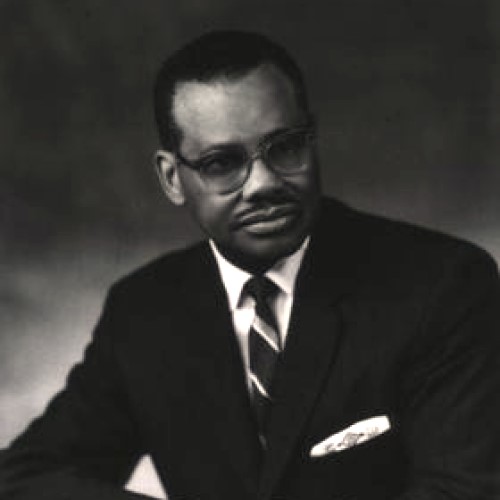
In 1946, Dr. Leonidas Harris Berry became the first black physician on staff at Michael Reese Hospital in…
On Aug. 8, 1945, the Sloan-Kettering Institute for Cancer Research (SKI) was established. A gift of $4 million…
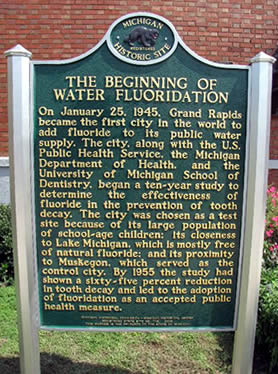
On Jan. 25, 1945, at 4:00 p.m., Grand Rapids, Michigan, achieved a historic milestone by becoming the inaugural…
In 1945, the American Society for the Control of Cancer renamed American Cancer Society.

In 1945, W. Ray Bryan, Michael B. Shimkin, Howard B. Andervont, Herbert Kahler and Thelma B. Dunn published…
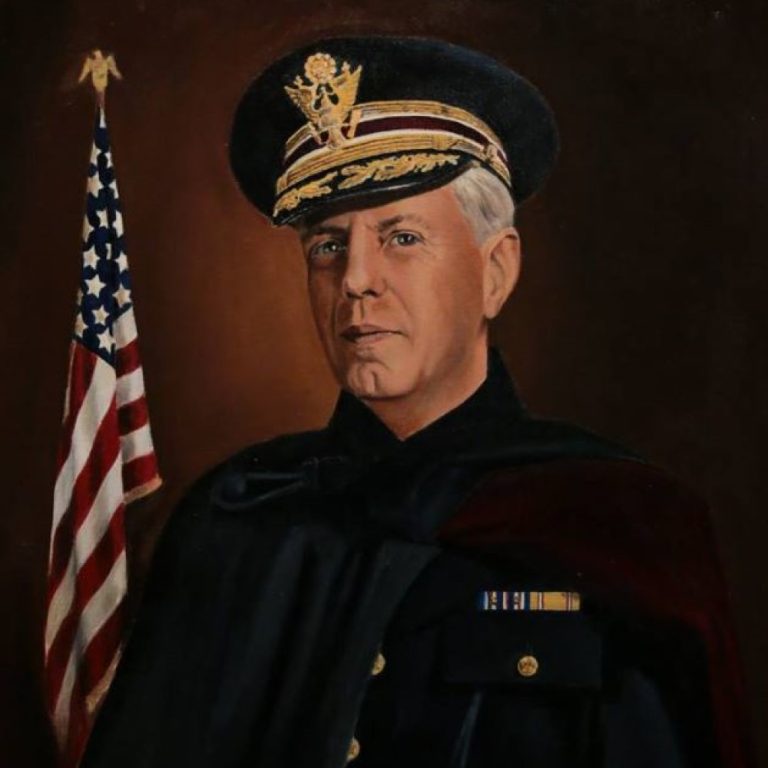
On Sept. 22, 1944, the War Department General Order Number 76 officially redesignated Fort Lewis General Hospital as…

On Jul. 1, 1944, the Public Health Service Act (PHS) was codified and established the quarantine authority of…
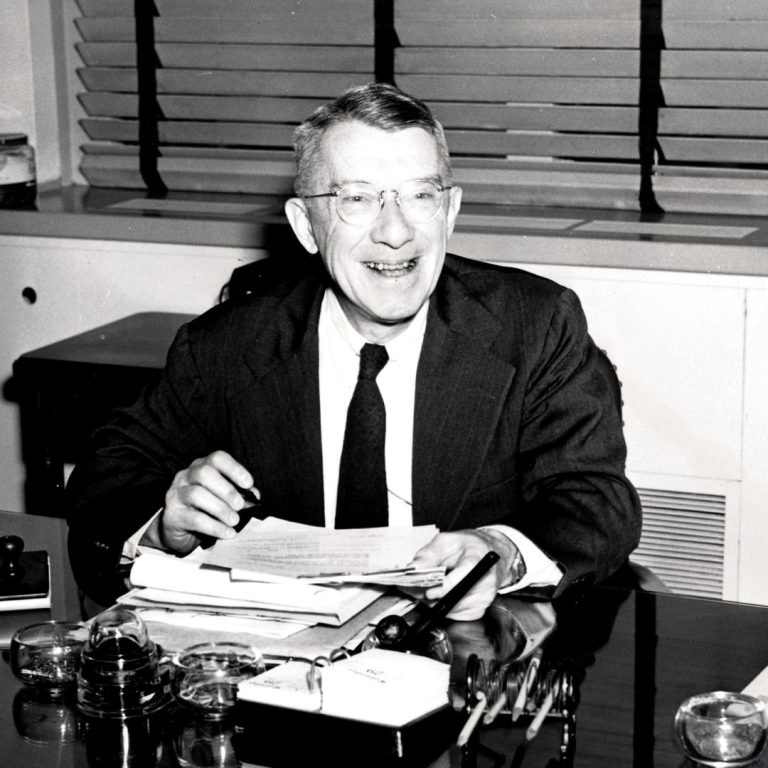
On May. 1, 1944, Paul B. Dunbar, Ph.D., becomes Commissioner of Food and Drugs. His tenure as commissioner…
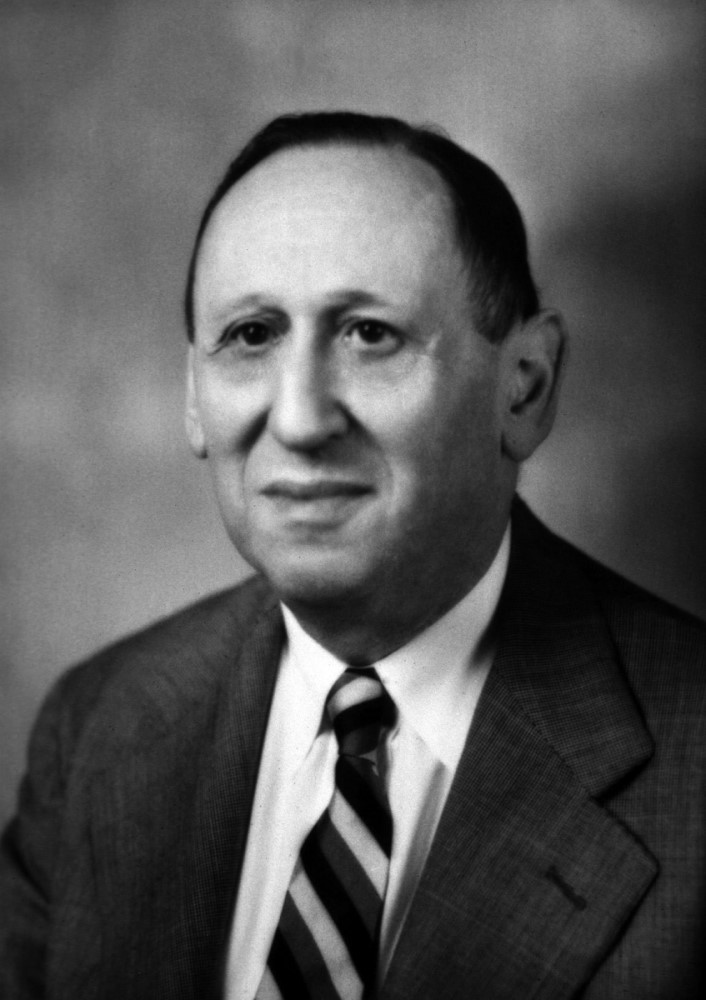
In 1943, Leo Kanner, a child psychiatrist at Johns Hopkins University, published the first clinical description of 11…

In 1943, The Detroit Institute for Cancer Research was incorporated with just $483 and 200 shares of General…
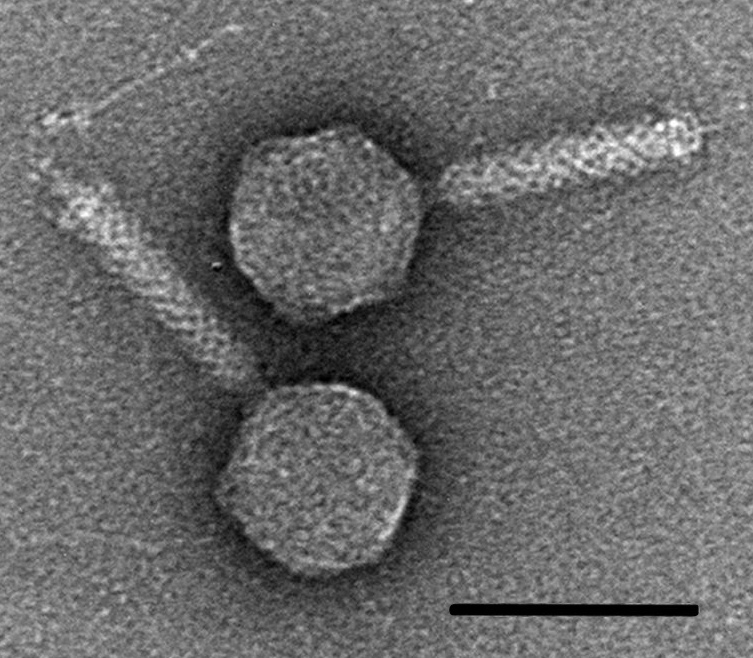
In 1942, the first phage electron micrographs (EM) were published in 1940 in Germany and proved the particulate…
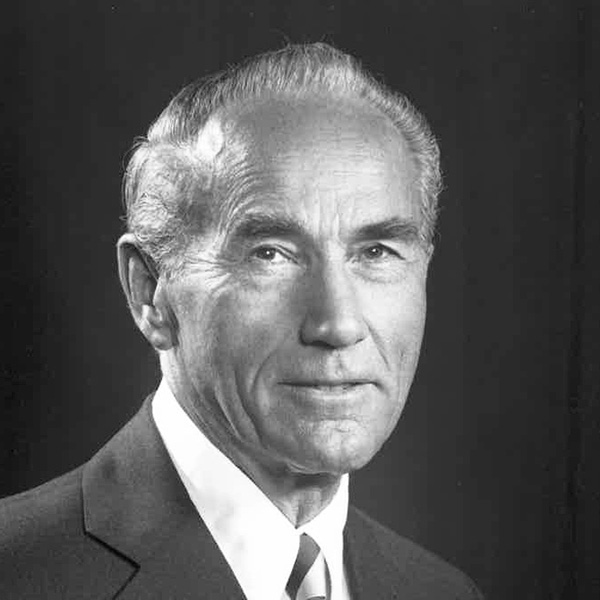
In 1942, Dr. William Hutchinson began a 47 year career in Seattle, Washington when he joined the Swedish…
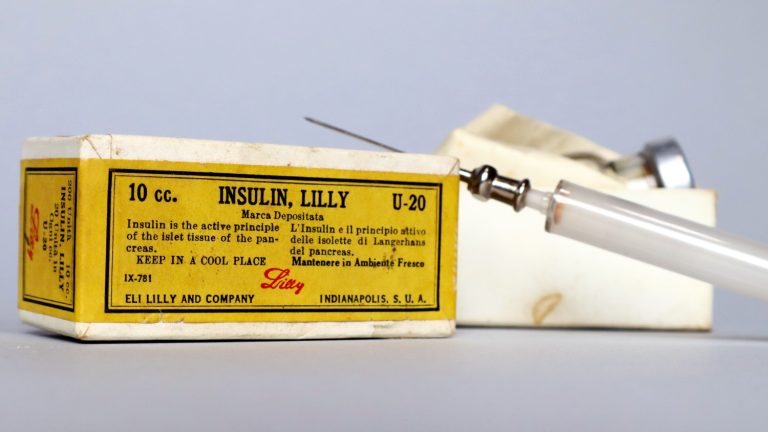
On Dec. 22, 1941, the Insulin Amendment was passed by the U.S. Congress requiring the U.S. Food and…
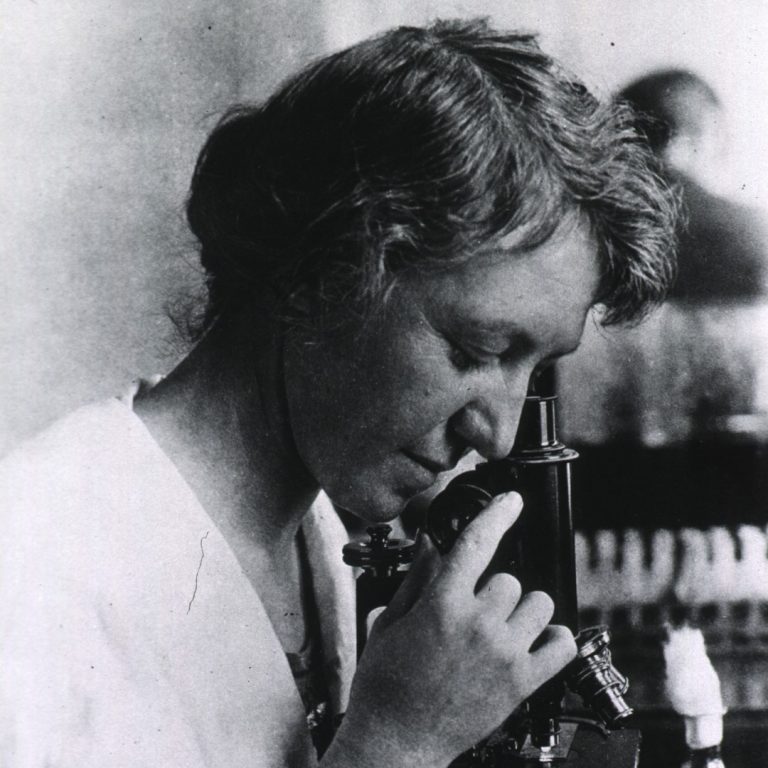
In January 1941, Ida A. Bengtson and Norman Topping published “Complement-Fixation in Rickettsial Diseases” in the American Journal…
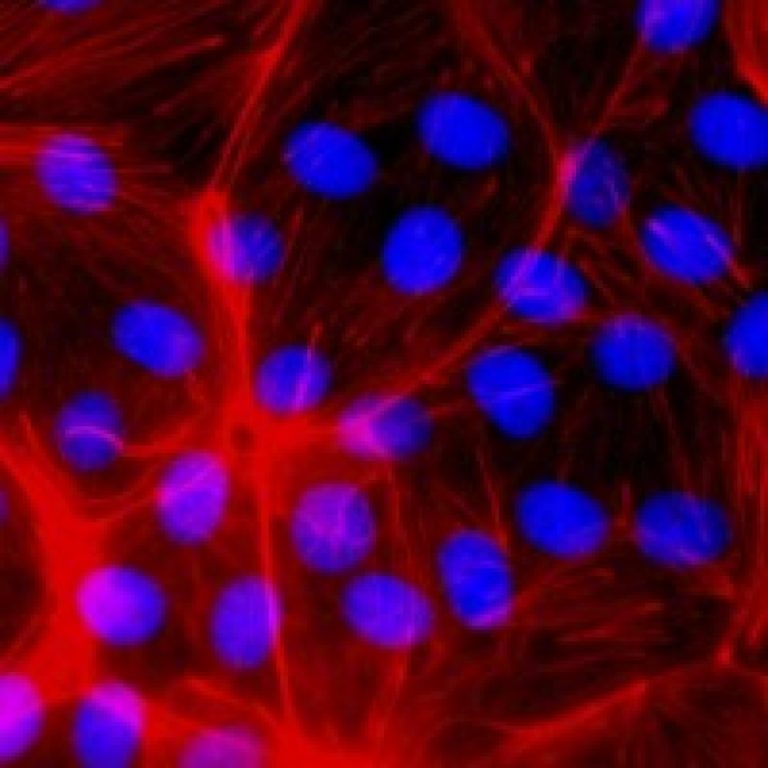
In 1941, Danish microbiologist A. Jost coined the term genetic engineering in a lecture on sexual reproduction in…
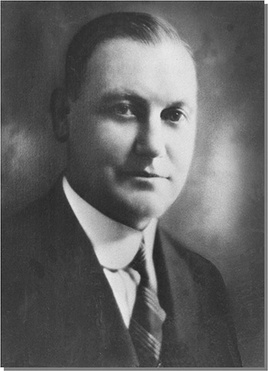
In 1941, Texas State Cancer Hospital, now known as the University of Texas MD Anderson Cancer Center, was…