Emory renamed its Alzheimer’s Disease Research Center the Goizueta Alzheimer’s Disease Research Center
On Aug. 24, 2018, Emory University’s Alzheimer’s Disease Research Center was renamed the Goizueta Alzheimer’s Disease Research Center,…

On Aug. 24, 2018, Emory University’s Alzheimer’s Disease Research Center was renamed the Goizueta Alzheimer’s Disease Research Center,…
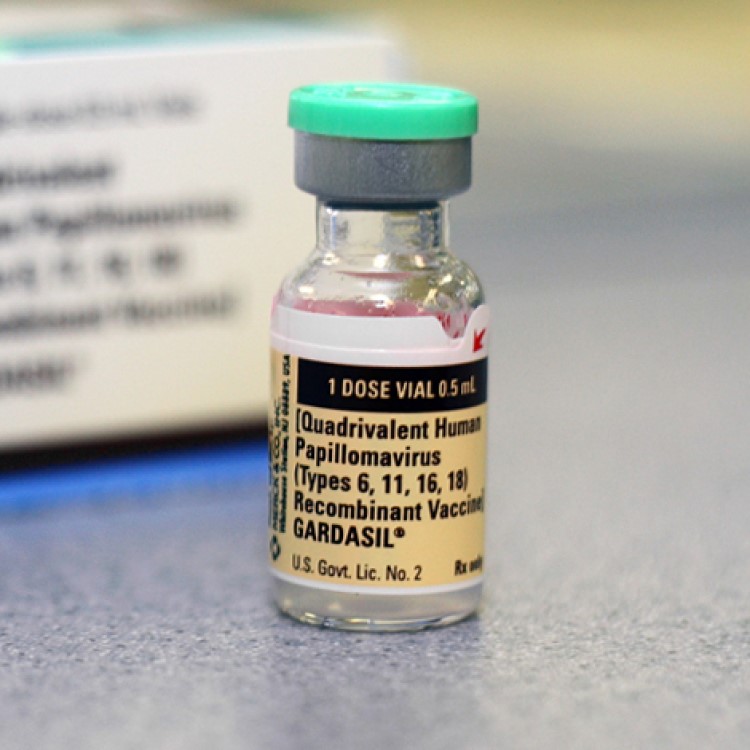
On Aug. 24, 2018, the Cancer Prevention and Research Institute of Texas (CPRIT) announced it passed a $2…

On Jul. 31, 2018, Zoetis anounced it had completed the acquisition of Abaxis, a leader in the development,…
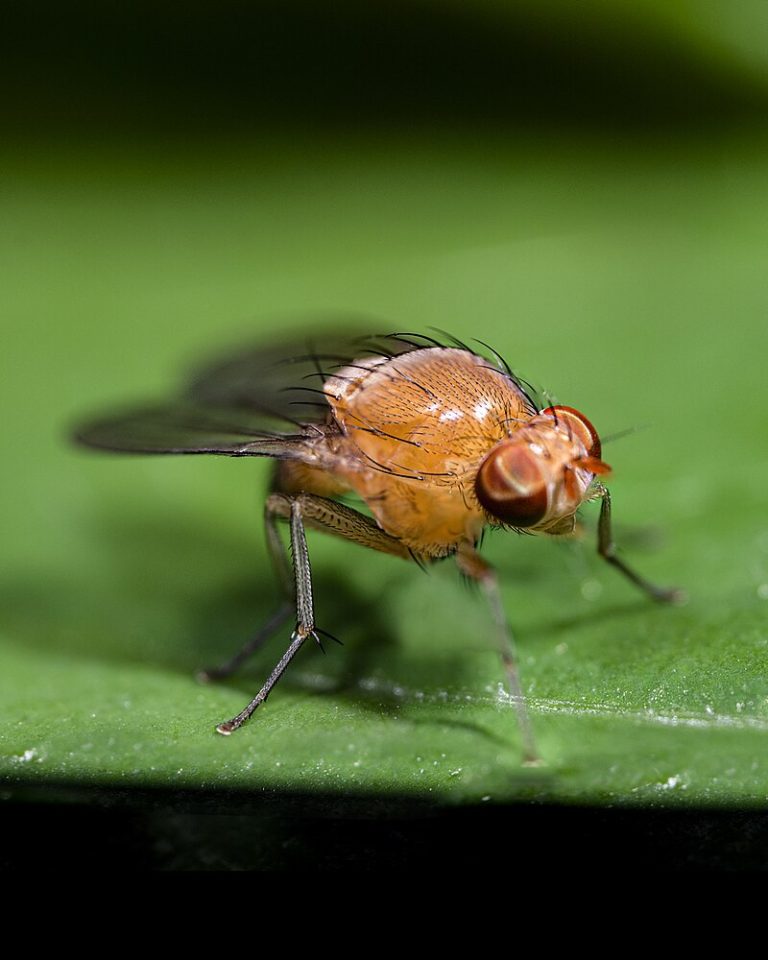
On Jul. 19, 2018, scientists at Howard Hughes Medical Institute (HHMI) announced detailed imaging of the entire brain…

On Jul. 17, 2018, the Keck School of Medicine of USC announced that it was leading a $26.5…
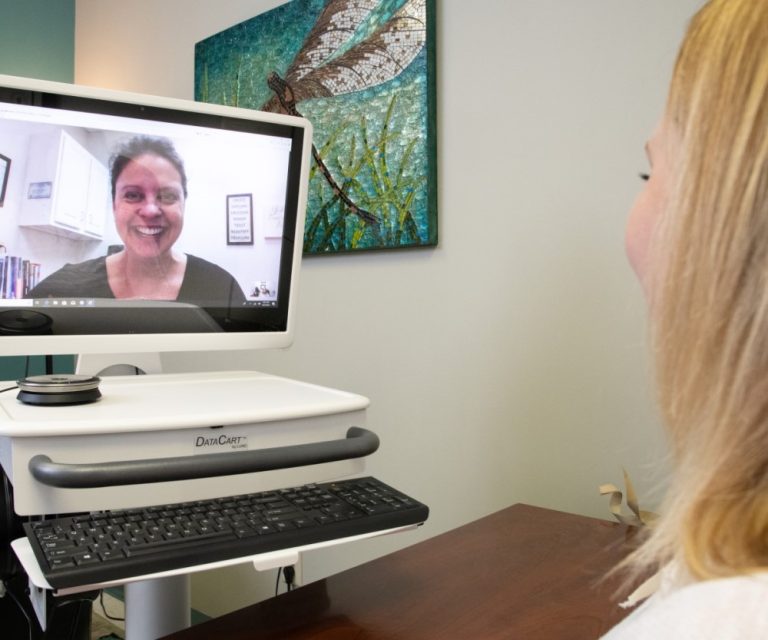
On Jul. 12, 2018, Cue Health announced that is had been awarded up to $30 million in base…
On Jun. 25, 2018, the Robert J. DeArmond Trust gifted $10 million to support University of Oregon (UO)…
On Jun. 8, 2018, the U.S. Centers for Disease Control and Prevention (CDC) published Immunization Practices Advisory Committee…

On Jun. 7, 2018, the Wold Foundation of Wyoming announced a gift of $2.5 million to help in…
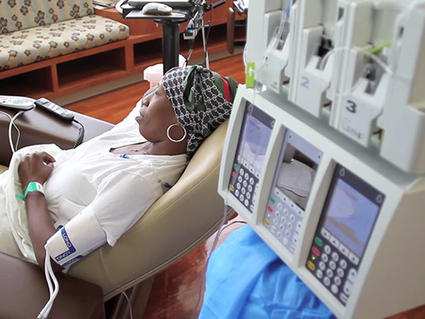
On Jun. 3, 2018, findings were reported from the groundbreaking Trial Assigning Individualized Options for Treatment (Rx), or…
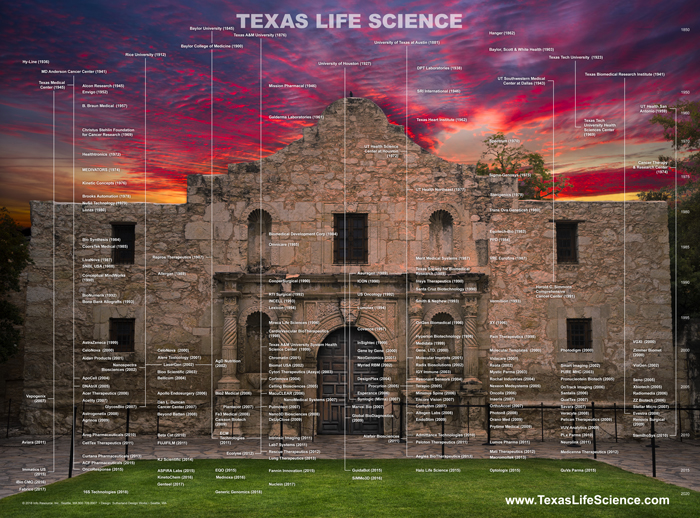
On Jun. 1, 2018, Texas Life Science Genealogy was published illustrating life science companies and non-profit research organization…
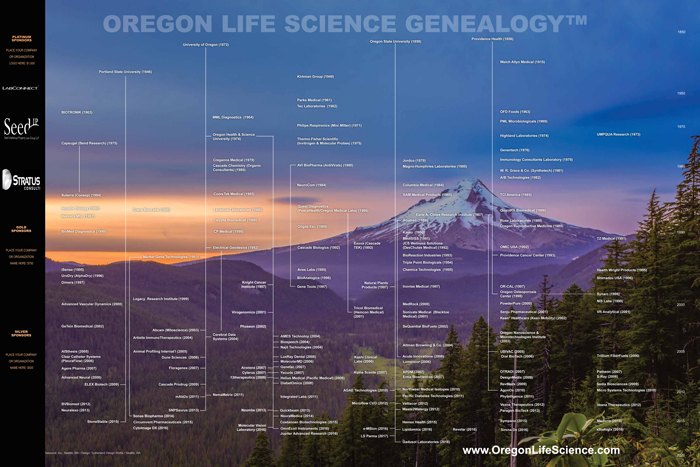
On Jun. 1, 2018, Oregon Life Science Genealogy was published illustrating life science companies and non-profit research organizations…

On May 31, 2018, deCODE genetics published new findings about the founding of the Icelandic population, and its…
On May 21, 2018, the National Cancer Institute awarded Keck School of Medicine of USC and USC Norris…
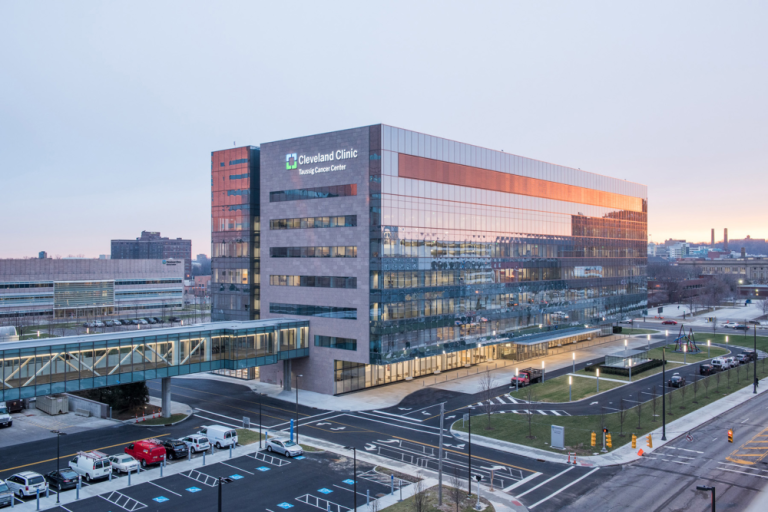
On May 18, 2018, the Boykin family pledged $10 million to support Cleveland Clinic’s Taussig Cancer Institute. Paula…
On May 18, 2018, The Barbara Ann Karmanos Cancer Institute announced it will expand its Lawrence and Idell…
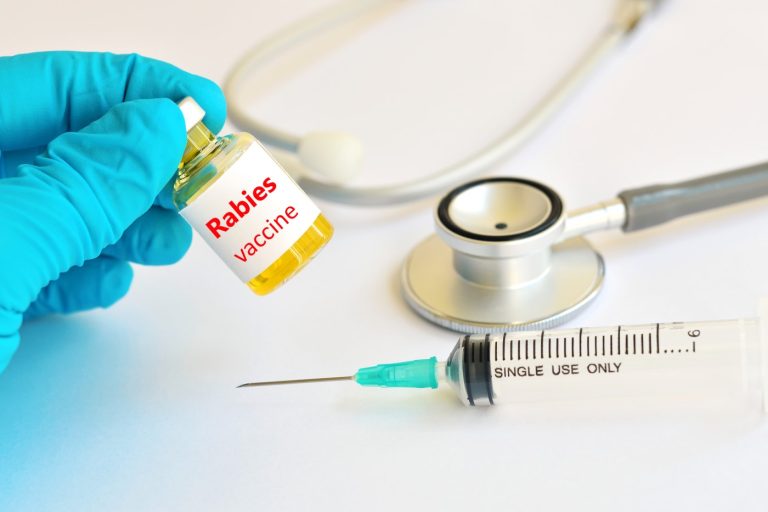
On May 16, 2018, the U.S. Centers for Disease Control and Prevention (CDC) released information about a new…
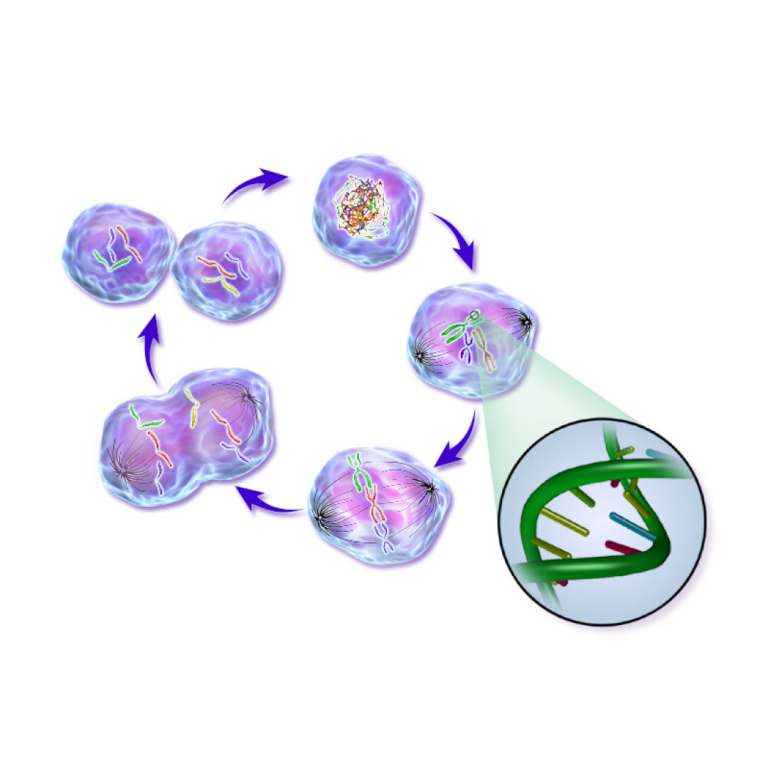
On May 14, 2018, University of California, Los Angeles (UCLA) researchers characterized the mechanism of the mammalian EAK-7…

On May 9, 2018, the Mayo Clinic announced that it had received a $25 million gift from William…
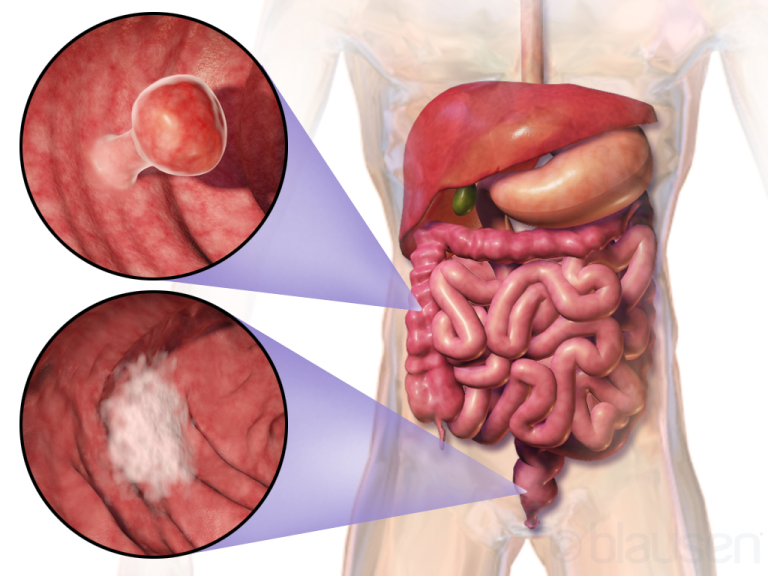
May 4, 2018, scientists from the National Cancer Institute (NCI) reported that an analysis of a prevention clinical…
On May 2, 2018, the Stephenson Cancer Center received National Cancer Institute (NCI) designation. The Stephenson Cancer Center,…
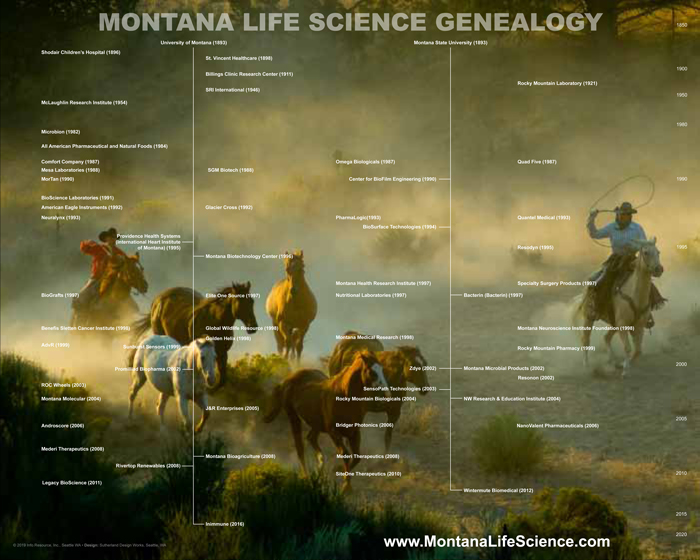
On May 1, 2018, Montana Life Science Genealogy was published illustrating life science companies and non-profit research organization…
On Apr. 30, 2018, the Cancer Prevention and Research Institute of Texas (CPRIT) announced a Seed Award for…

On Apr. 16, 2018, Alberta Life Science Genealogy was published illustrating life science companies and non-profit research organizations…
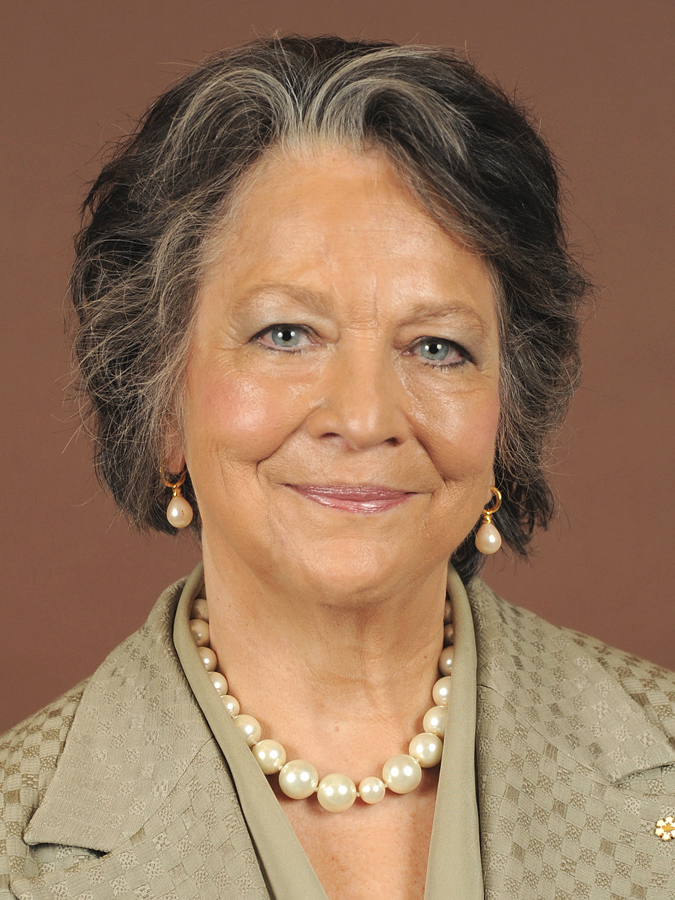
On Apr. 11, 2018, Dr. Judith G. Hall, professor emerita of pediatrics and medical genetics at the University…
On Apr. 5, 2018, researchers funded by the National Institutes of Health (NIH) announced they had completed a…

On Mar. 15, 2018, the $11.6-million Chan Gunn Pavilion at the University of British Columbia (UBC) opened its…
On Mar. 9, 2018, the Keck Medicine of University of Southern California (USC) significantly expanded its patient care…
On Mar. 7, 2018, a $24-million donation to the University of British Columbia’s (UBC) faculty of medicine will…
On Mar. 6, 2018, the U.S. Food and Drug Administration (FDA) authorized 23andMe’s Personal Genome Service Genetic Health…