Dr. Marie Maynard Daly became the first African American woman to receive a Ph.D. in chemistry in the U. S.
On Jun. 3, 1947, Dr. Marie Maynard Daly became the first African American woman to receive a Ph.D….

On Jun. 3, 1947, Dr. Marie Maynard Daly became the first African American woman to receive a Ph.D….

On Jan. 1, 1947, Jesse P. Greenstein of the National Cancer Institute (NCI) summed up 20 years of…

In 1947, the Priestley Medal was awarded to Warren K. Lewis by the American Chemical Society “to recognize…
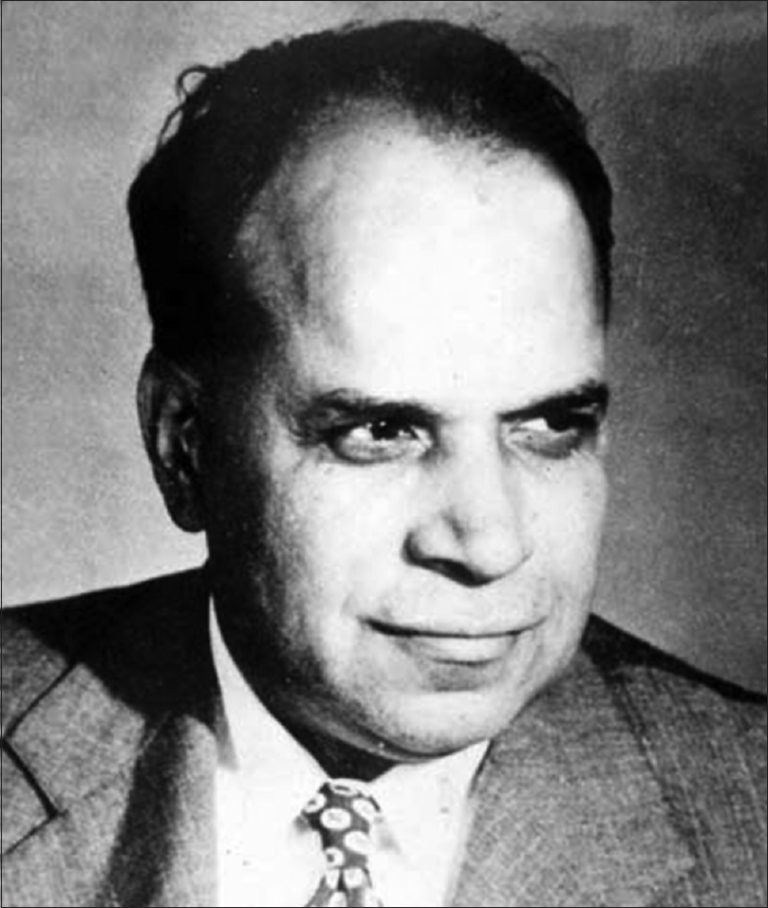
In 1947, biochemist Yellapragada SubbaRow co-discovered the first cancer chemotherapy agent for children suffering from acute leukemia. While…
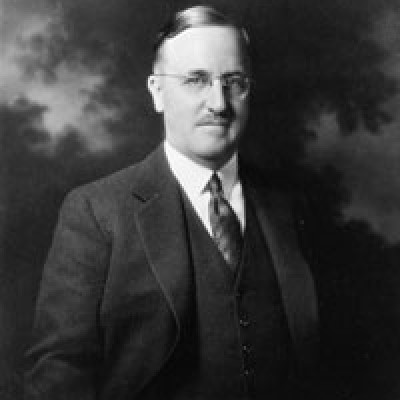
In 1946, the Priestley Medal was awarded to Roger Adams by the American Chemical Society “to recognize distinguished…
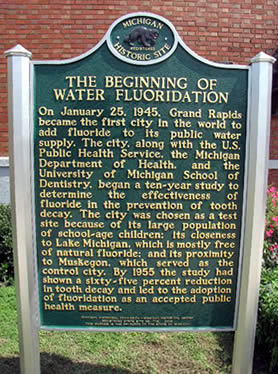
On Jan. 25, 1945, at 4:00 p.m., Grand Rapids, Michigan, achieved a historic milestone by becoming the inaugural…
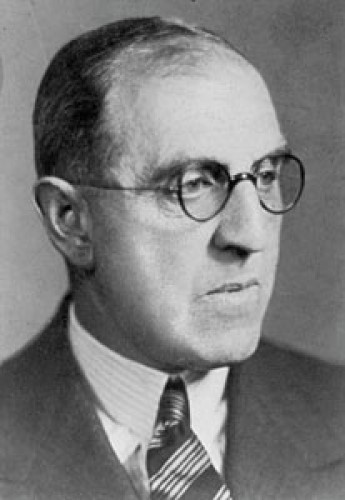
In 1945, the American Chemical Society awarded the Priestley Medal to Ian Heilbron, “to recognize distinguished services to…
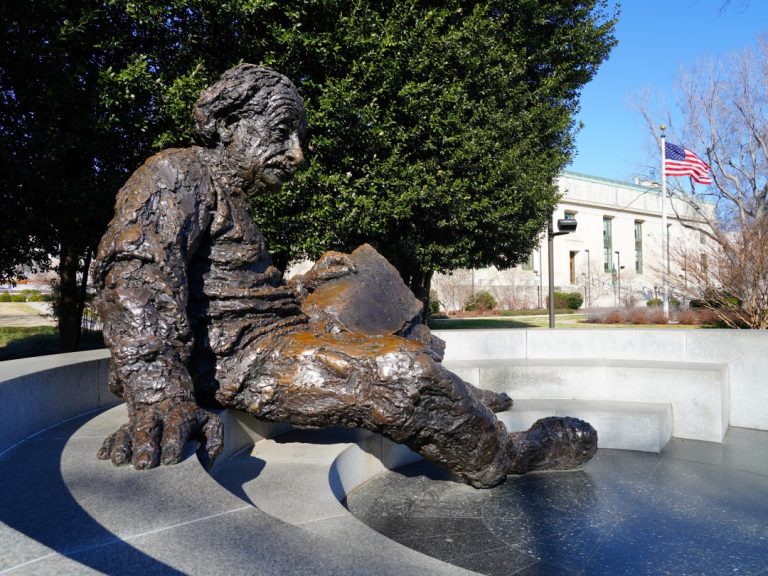
On Nov. 17, 1944, President Franklin Delano Roosevelt wrote a letter to to Vannevar Bush, head of the…

In 1944, the the American Chemical Society awarded the Priestley Medal to James B. Conant “to recognize distinguished…
On Apr. 16, 1943, Albert Hofmann accidentally exposed himself while testing synthesized lysergic acid diethylamide (LSD). Hofmann had…
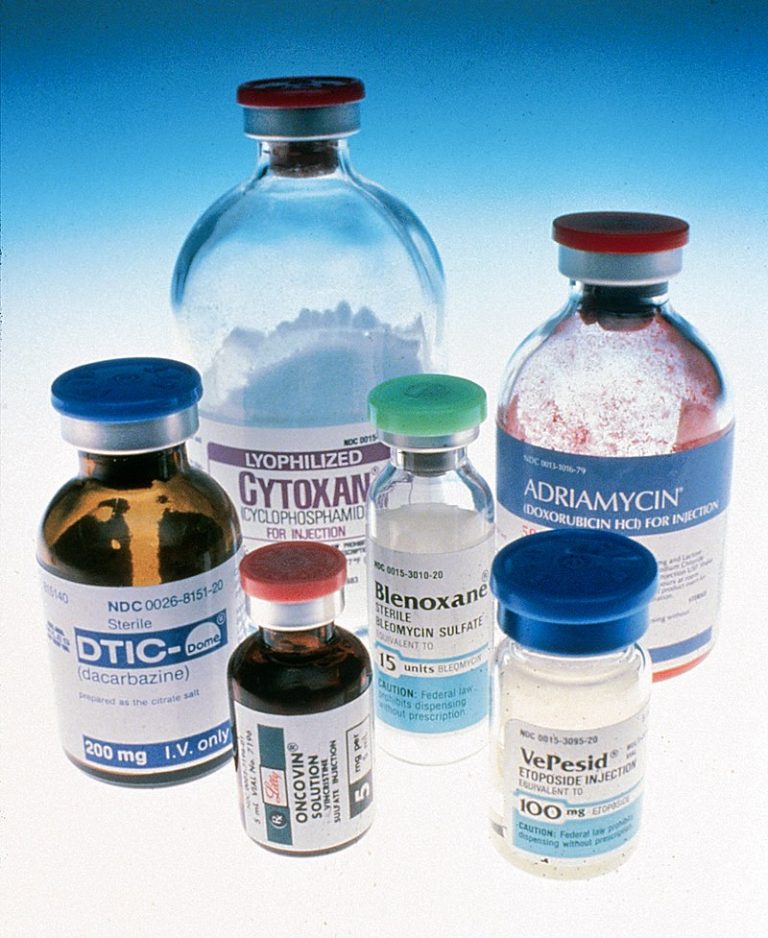
On Aug. 27, 1942, Yale physicians administered the world’s first intravenous chemotherapy to a patient with advanced lymphoma….
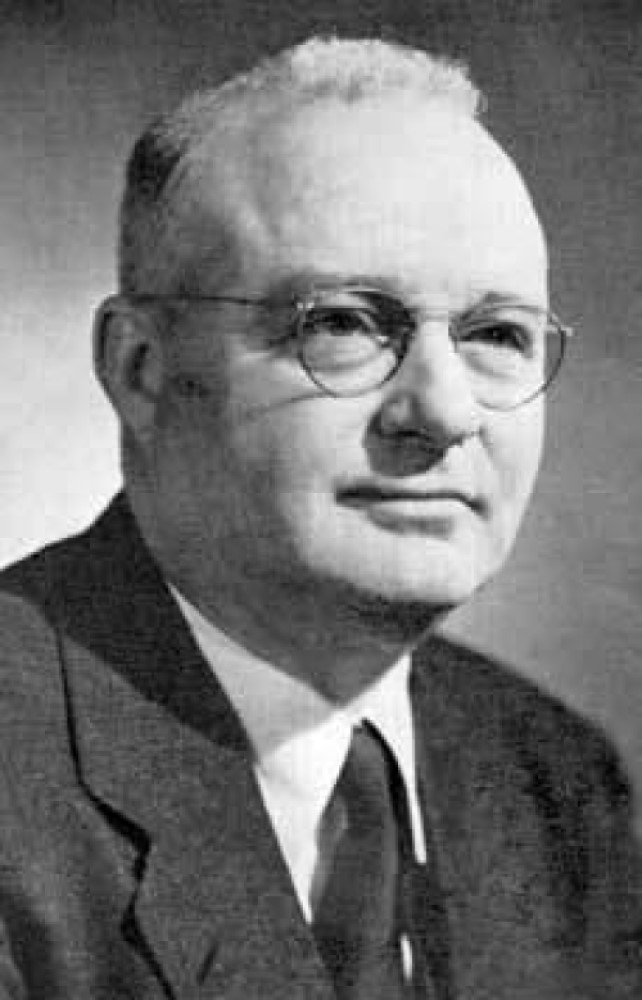
In 1941, the Priestley Medal was awarded to Thomas Midgley by the American Chemical Society “to recognize distinguished…
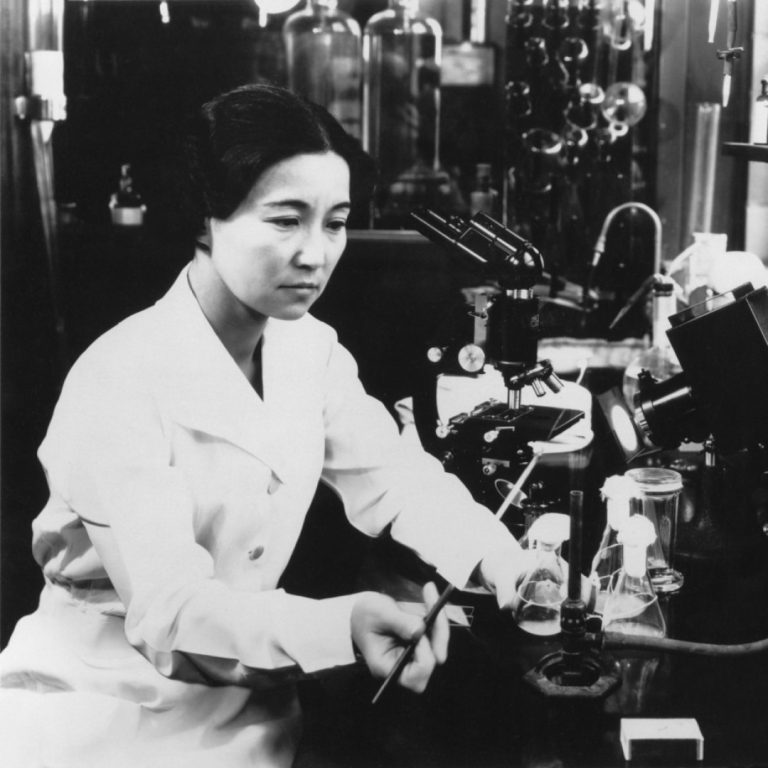
In 1940, biochemist and bacteriologist Ruby Hirose was recognized by the American Chemical Society for accomplishments in chemistry….

In 1939, University of Iowa researcher W.D. “Shorty” Paul developed the concept for buffered aspirin. In 1917, the…

In 1938, the Priestley Medal was awarded to Marston T. Bogert by the American Chemical Society “to recognize…

In 1935, The University of Tennessee Research Foundation (UT) was founded as a non-profit 501(c)(3) organization, that promotes…
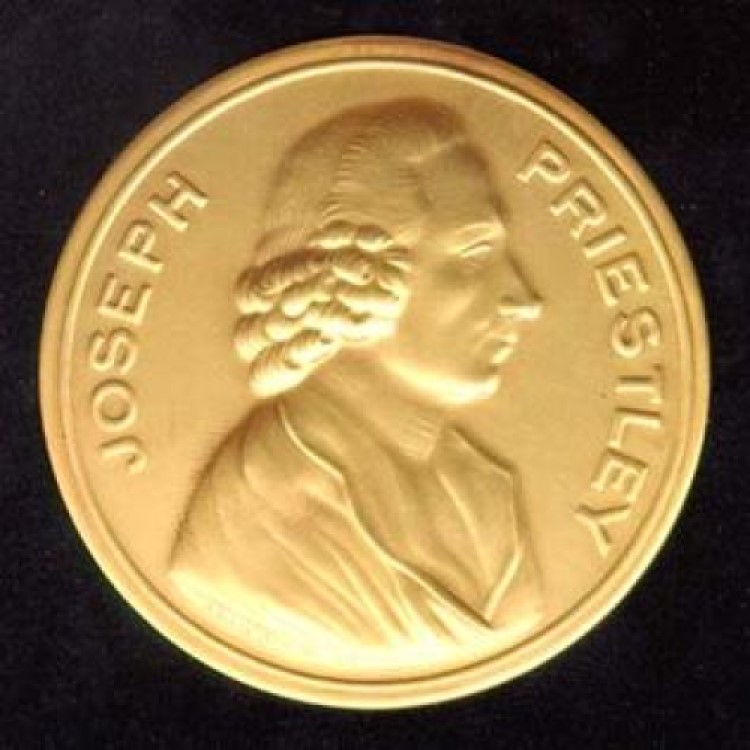
In 1935, The Priestley Medal was awarded to William A. Noyes by the American Chemical Society “to recognize…

In 1935, Irene Joliot-Curie won half of the Nobel Prize in Chemistry “in recognition of their synthesis of…

In 1932, the Priestley Medal was awarded to Charles L. Parsons by the American Chemical Society “to recognize…
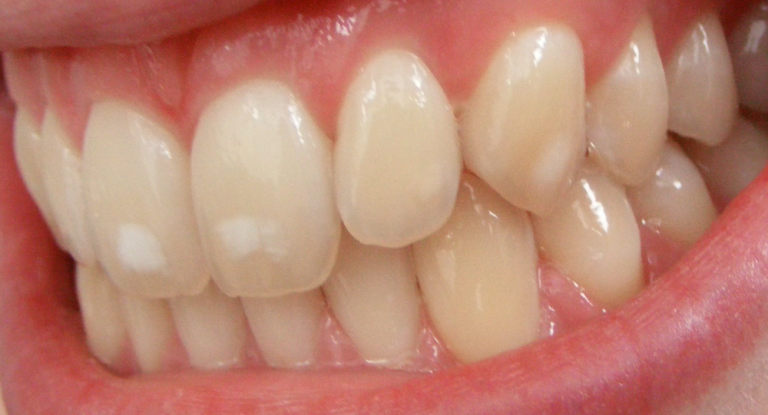
In 1931, H. Trendley Dean and Elias Elvove started work on the mystery of “mottled enamel” — later…
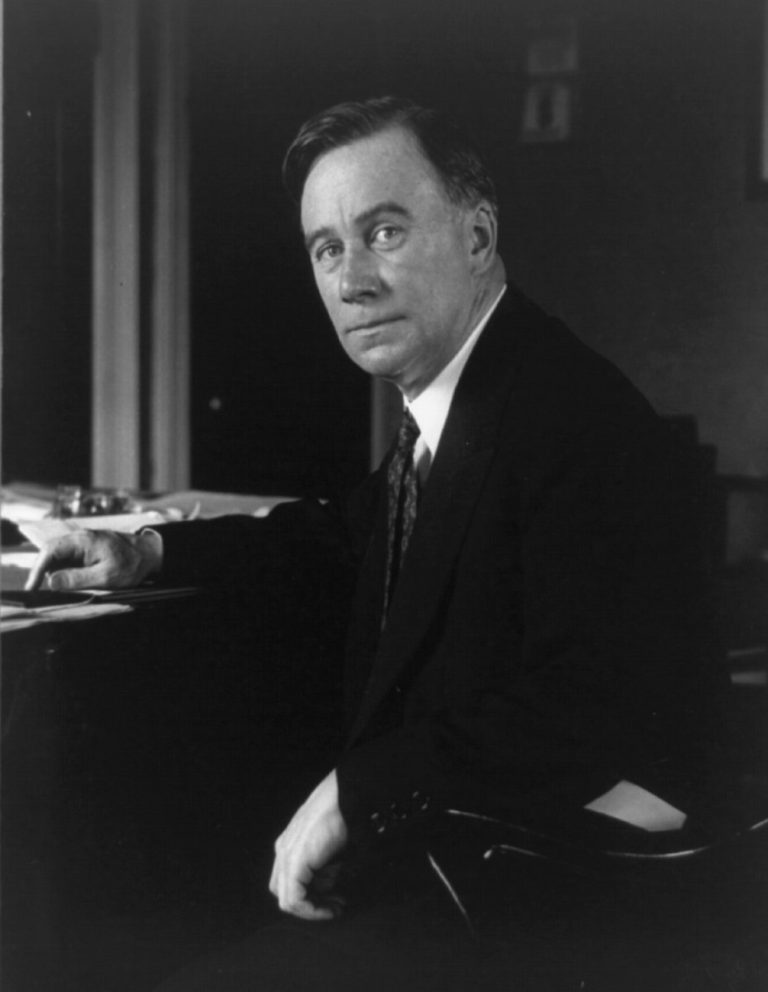
In 1929, the Priestley Medal was awarded to Francis P. Garvan by the American Chemical Society “to recognize…
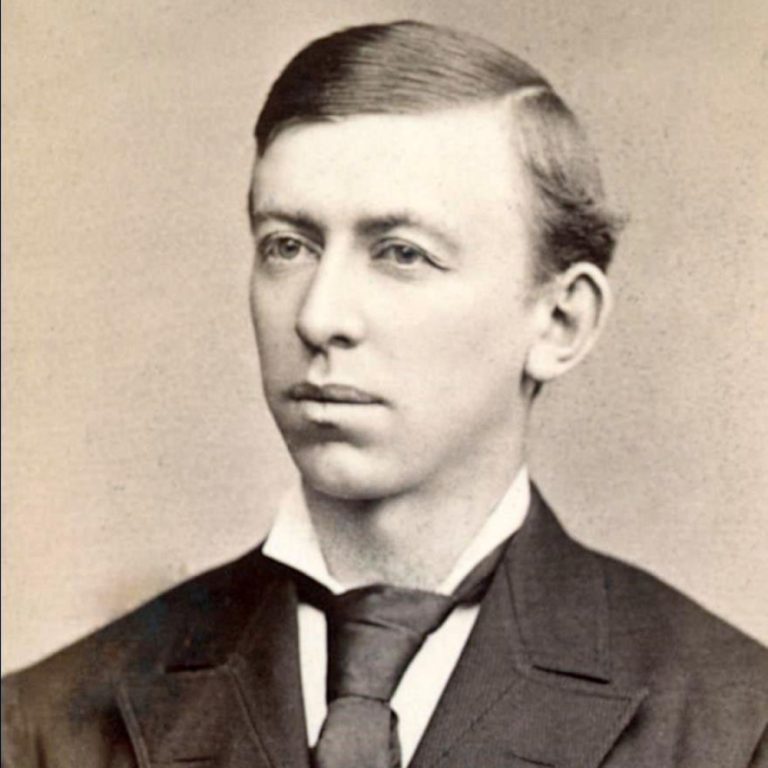
In 1926, the American Chemical Society awarded the Priestley Medal to Edgar F. Smith ‘for his numerous contributions…
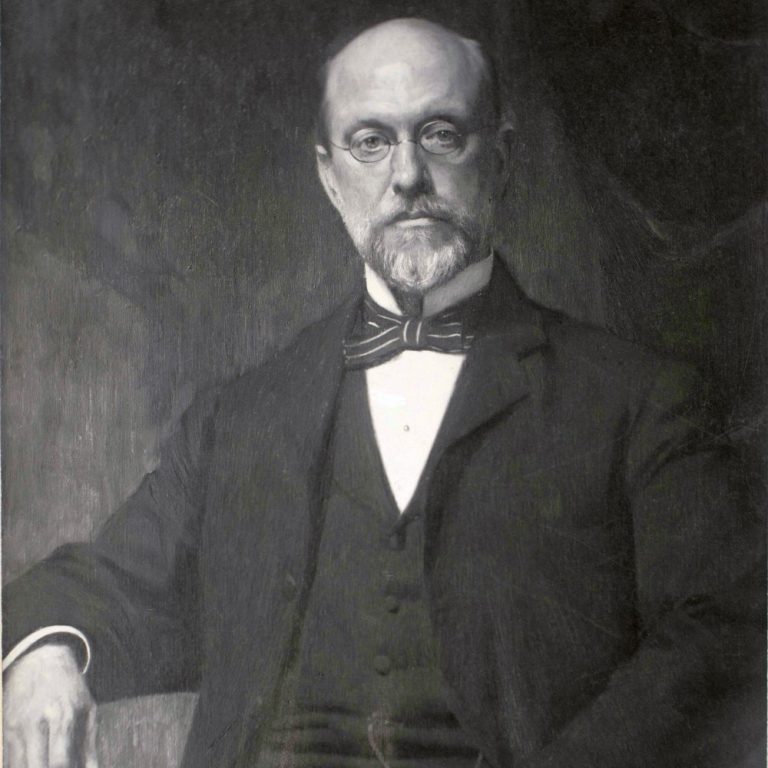
In 1923, the Priestley Medal, named for Joseph Priestley, was awarded for first time by the American Chemical…
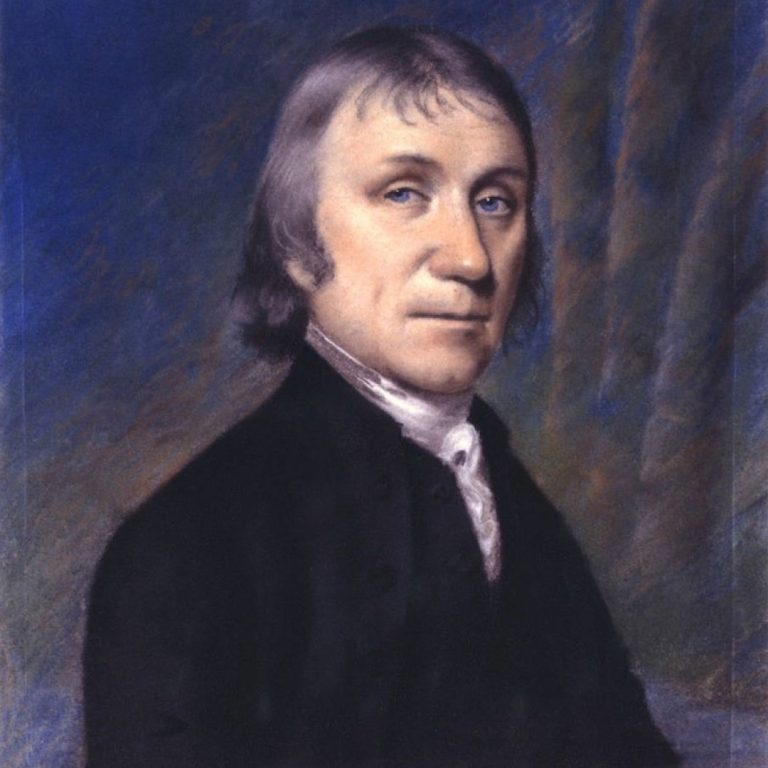
In 1922, the Priestley Medal, named for Joseph Priestley, was awarded for first time by the American Chemical…
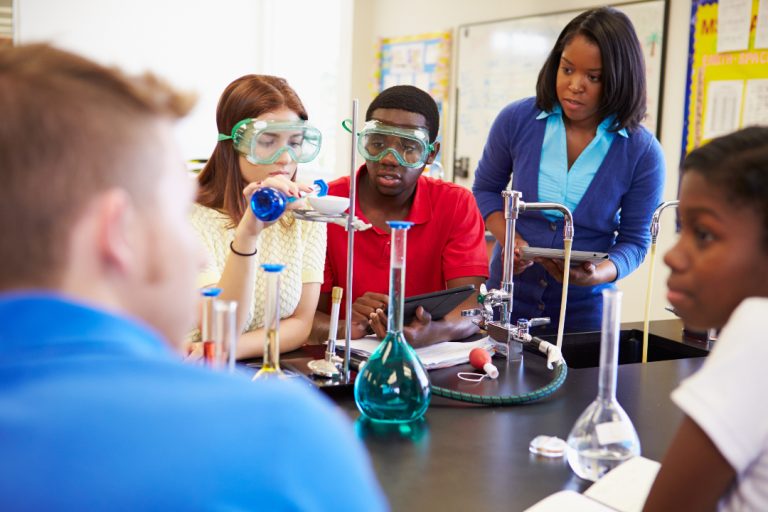
On Dec. 4, 1921, the first observance of American Education Week began, running until December 10 with the…
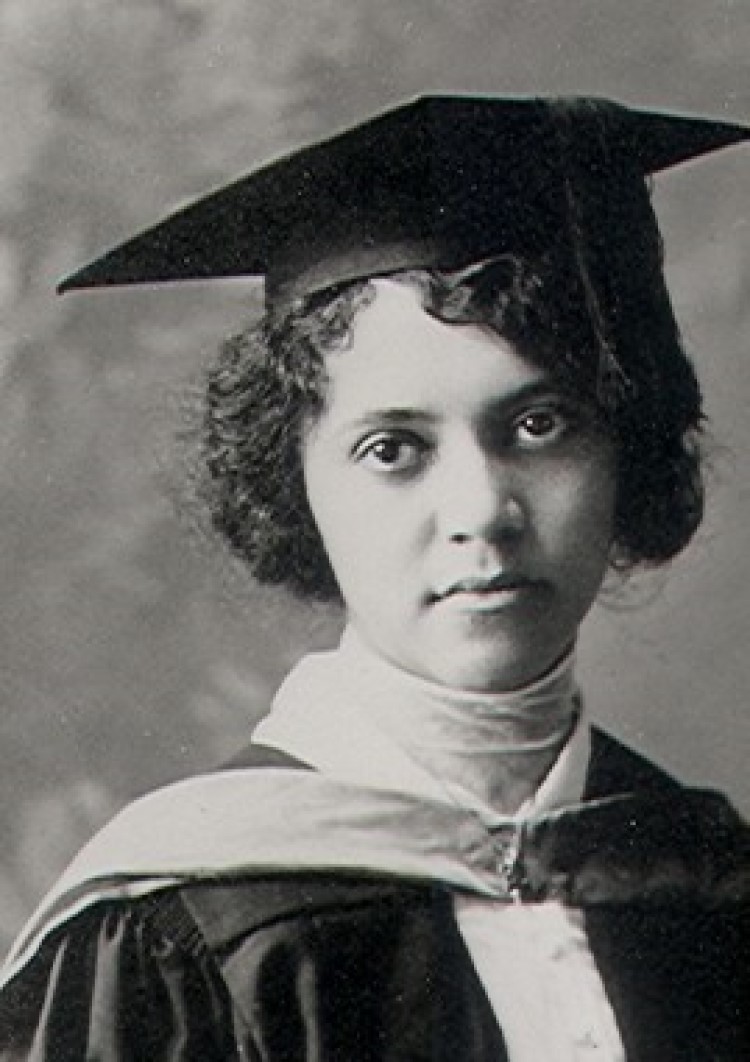
In 1915, Alice Ball became the first African American and the first woman to graduate with a M.S….
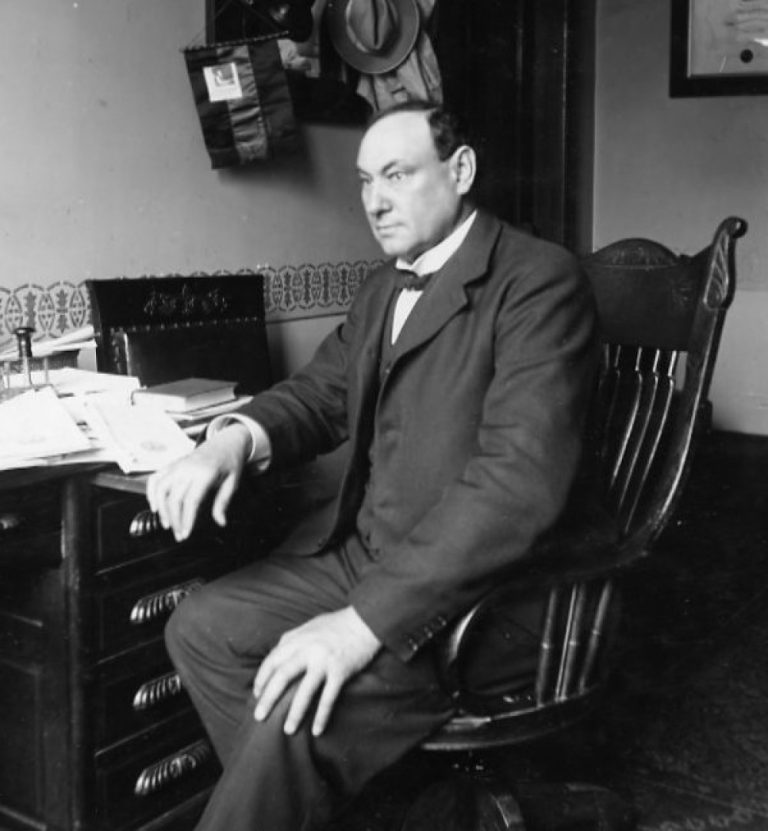
On Mar. 15, 1912, Dr. Harvey Wiley, “Father of the Pure Food and Drugs Act,” resigned as chief…
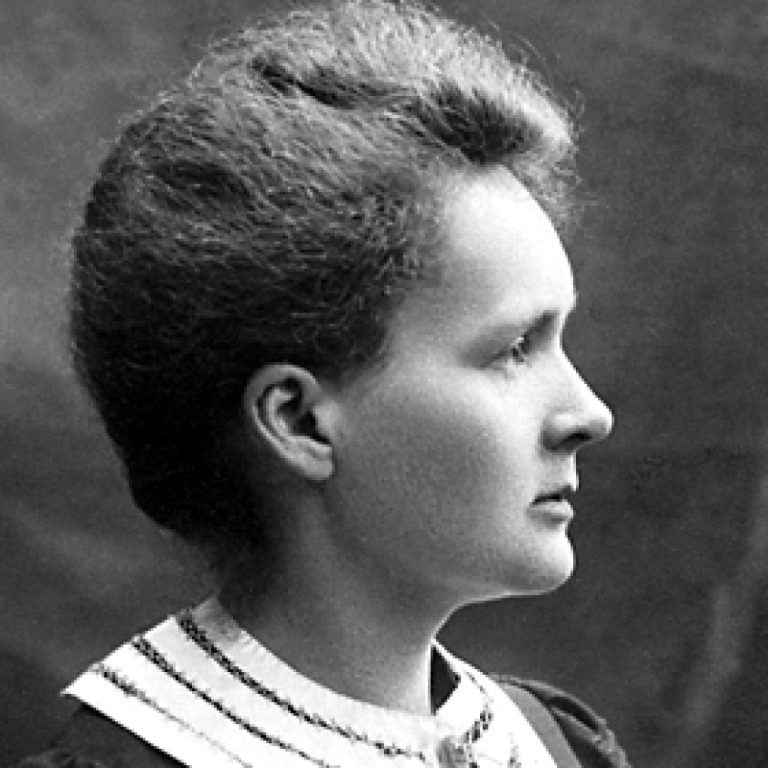
On Nov. 7, 1911, Marie Curie’s birthday (born 1867), she was awarded the Nobel Prize in Chemistry “in…
In 1897, Lonza Electricity Works was established on the banks of river Lonza in Switzerland. The electricity was…

In 1907, Reid Hunt described the toxic effects of methyl and ethyl alcohols. One of Hunt’s most important…