Yellow fever vaccine (YF-Vax by Connaught) was licensed in the U.S.
On Jan. 3, 1978, the Yellow fever vaccine (YF-Vax by Connaught) was licensed in the U.S. The Yellow…
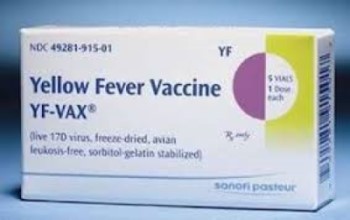
On Jan. 3, 1978, the Yellow fever vaccine (YF-Vax by Connaught) was licensed in the U.S. The Yellow…
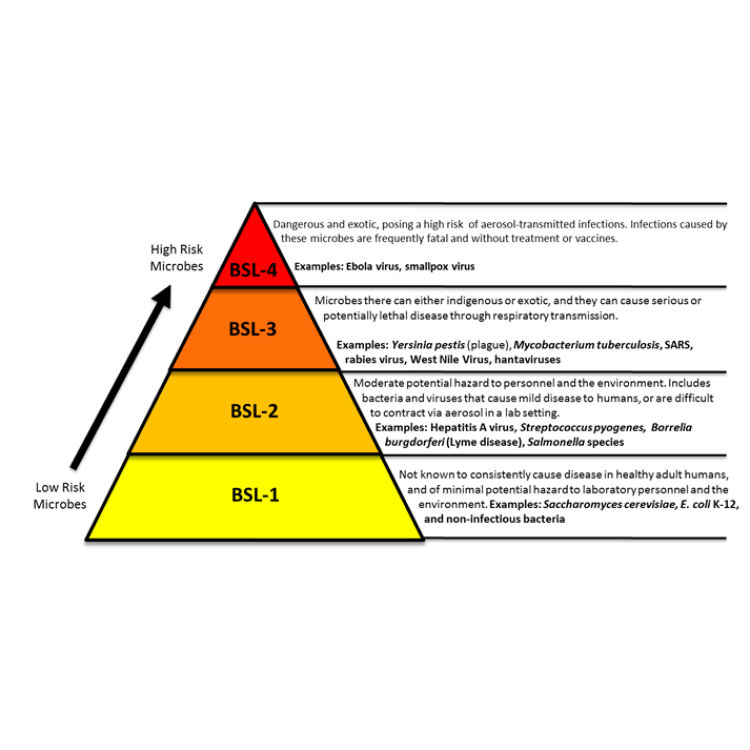
In 1978, the U.S. Centers for Disease Control and Prevention (CDC) completed construction of a new hot lab…
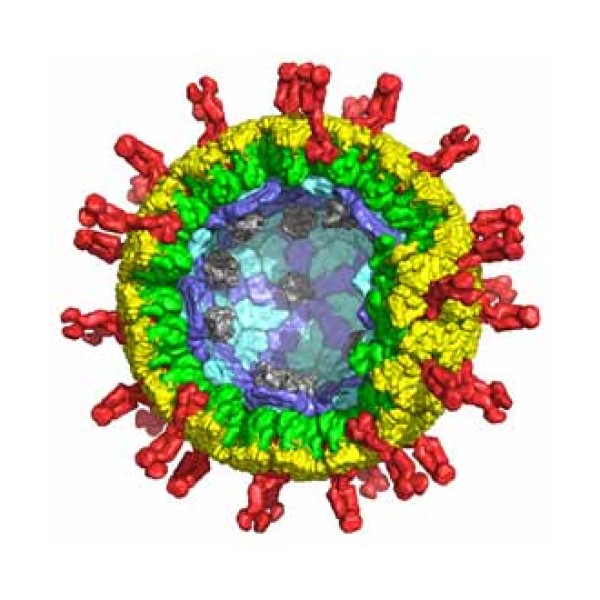
In 1977, Harvard Medical School researcher Stephen C. Harrison first determined the structure of an intact virus particle,…
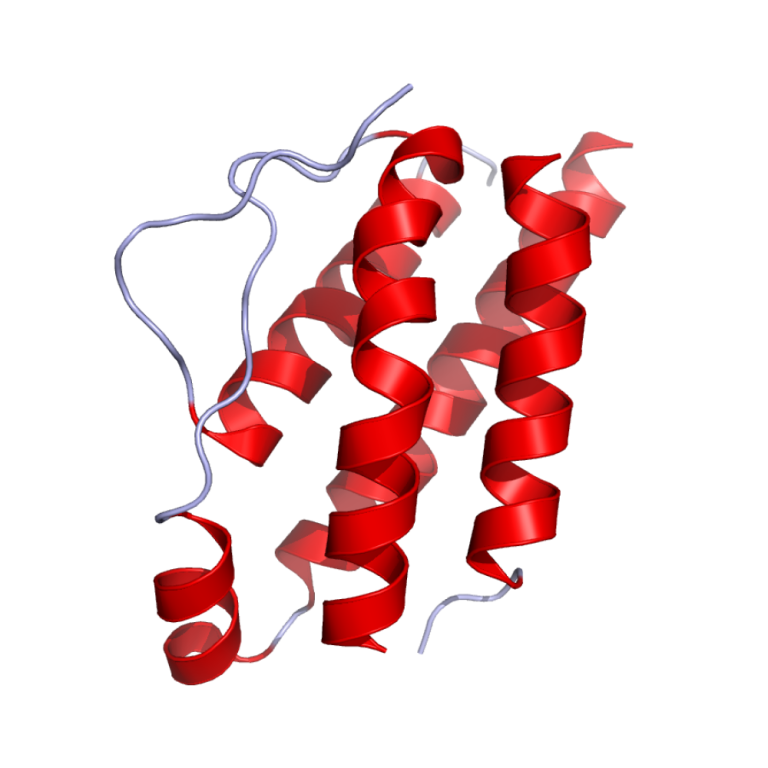
In 1976, interleukin-2 was discovered and purified which allowed researchers to grow T-cells and study their immunology, which…

In 1975, Caltech President David Baltimore, former Caltech faculty member and Salk Institute researcher Renato Delbucco, and Caltech…
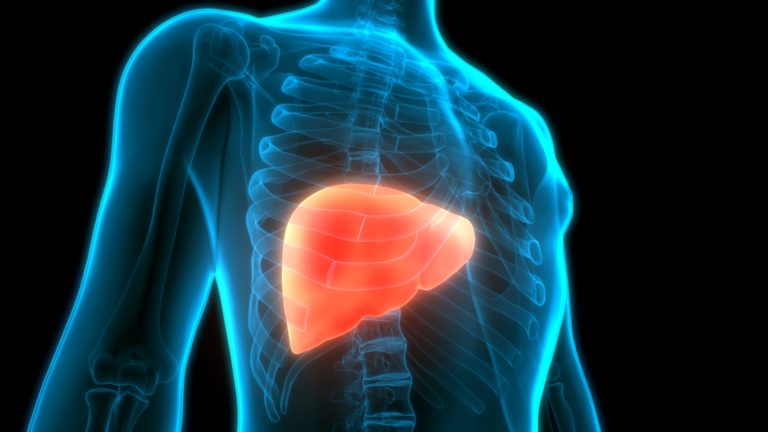
In 1974, Stanford Medicine researcher William S. Robinson successfully isolated the genome of the hepatitis B virus, which is…
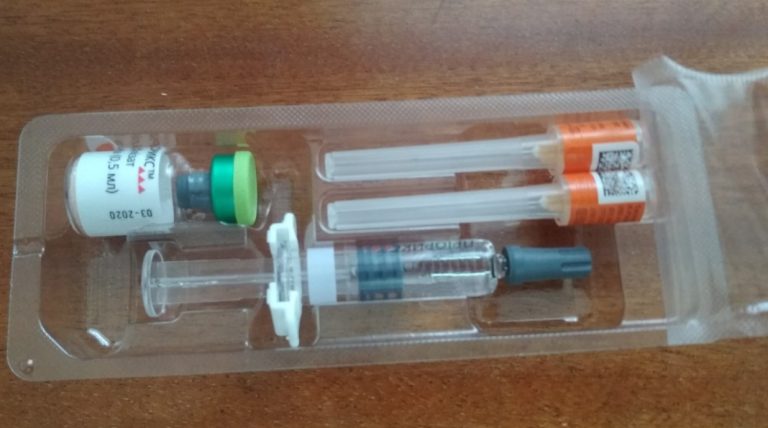
On Apr. 22, 1971, the measles, mumps, and rubella virus (M-M-R II) vaccine Live developed by Maurice Hilleman was…
In 1971, Paul Berg of Stanford University spliced the DNA of viruses into the first recombinant molecules. Bergメs…
In 1971, the testing of donated blood for Hepatitis B surface antigen began. The hepatitis B virus was…

In 1970, the first oncogene termed src was discovered in a chicken retrovirus. Dr. G. Steve Martin at…
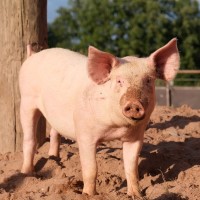
In 1970, influenza H3N2 viruses were first identified in swine during an influenza surveillance study in Taiwan. This…

In 1969, three rubella virus strains were licensed in the U.S.: HPV-77 strain grown in dog-kidney culture (Rubelogen…
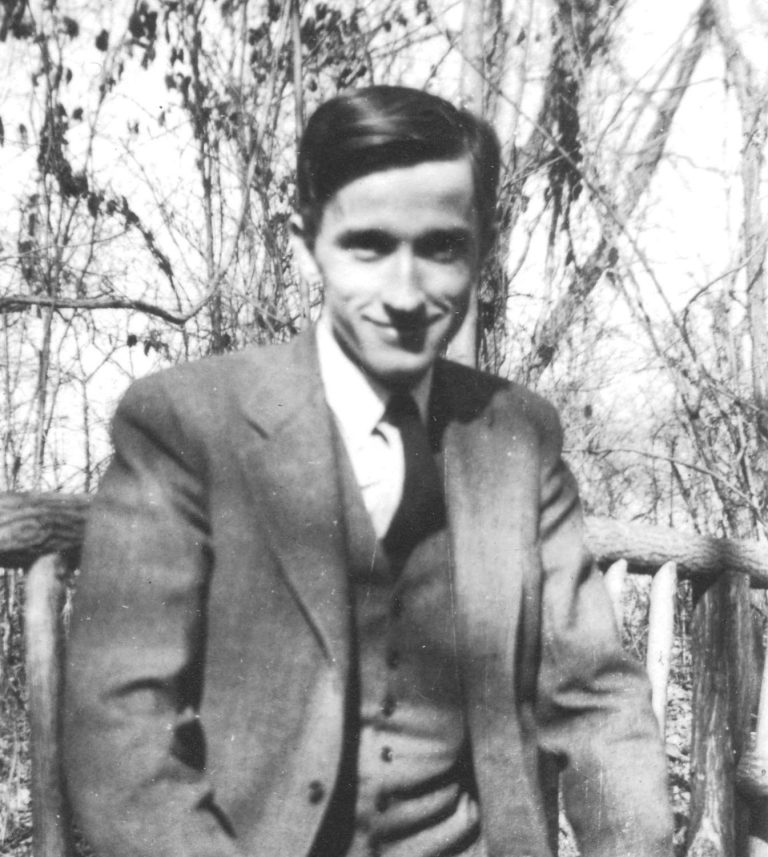
In 1969, Max Delbruck of the California Institute of Technology was awarded the 1969 Nobel Prize in Physiology…
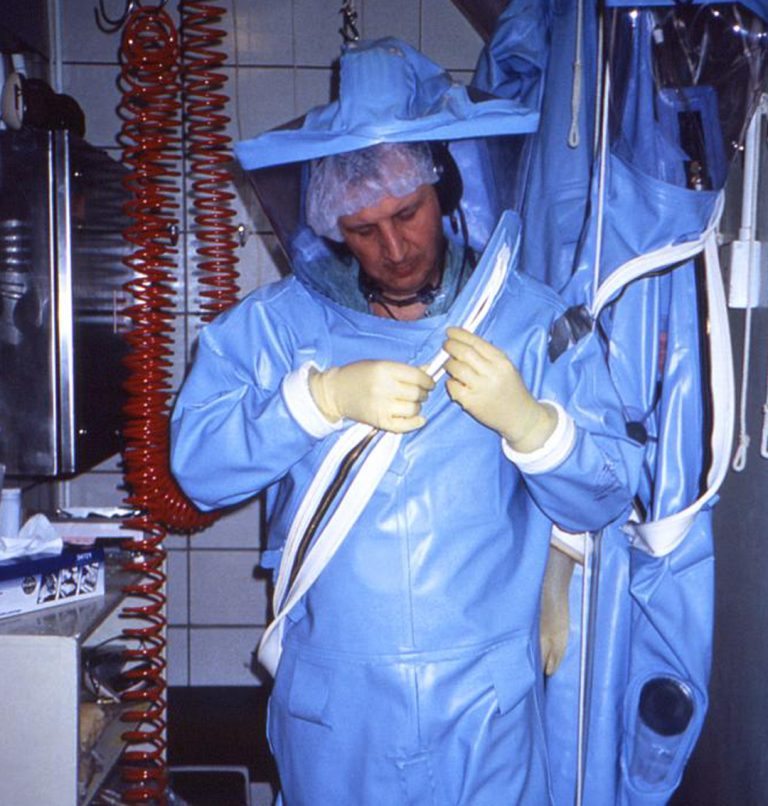
In 1969, the U.S. Centers for Disease Control and Prevention (CDC) opened its first permanent high-containment laboratory (HCL)…
On Nov. 26, 1968, the U.S. Food and Drug Administration (FDA) licensed a second live, further attenuated measles…
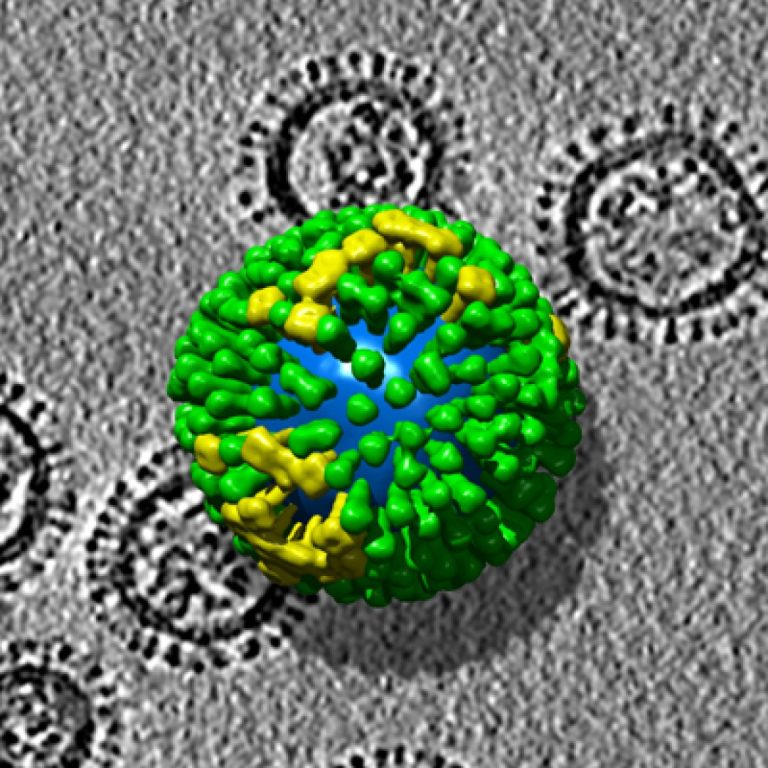
The 1968 pandemic, also known as the Hong Kong flu, was caused by an influenza A (H3N2) virus…
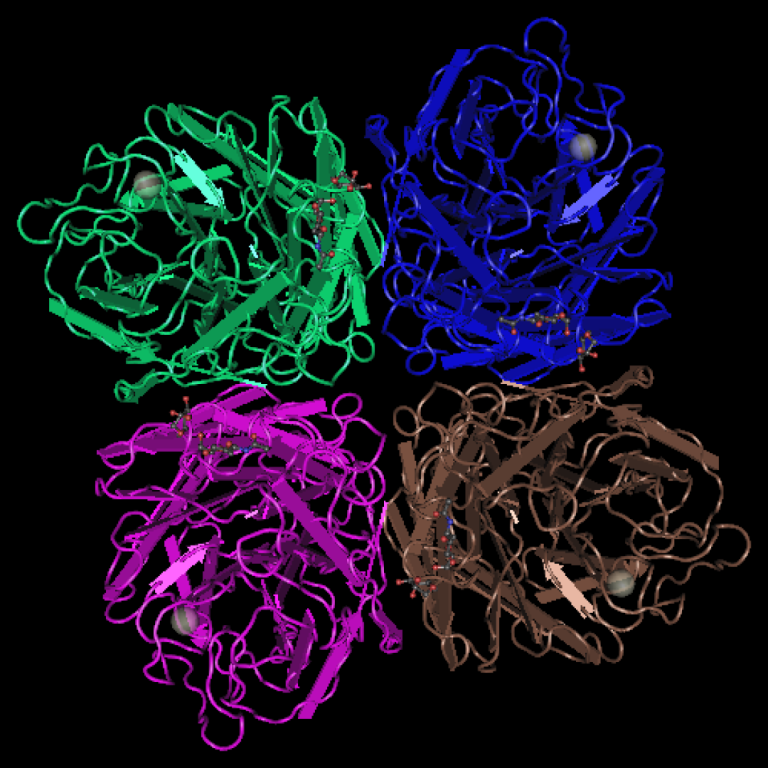
In 1968, a pandemic was caused by an influenza A (H3N2) virus comprised of two genes from an…
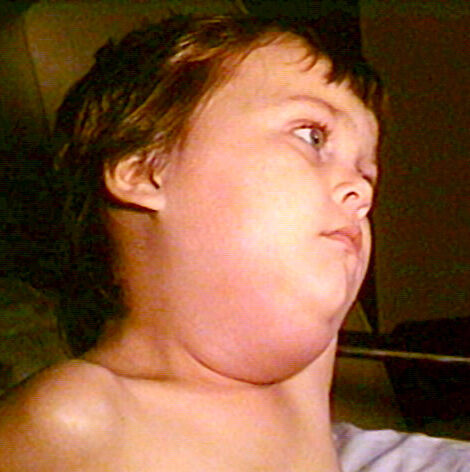
On Dec. 28, 1967, the U.S. Food and Drug Administration (FDA) approved Mercks mumps virus vaccine live (MumpsVax)….
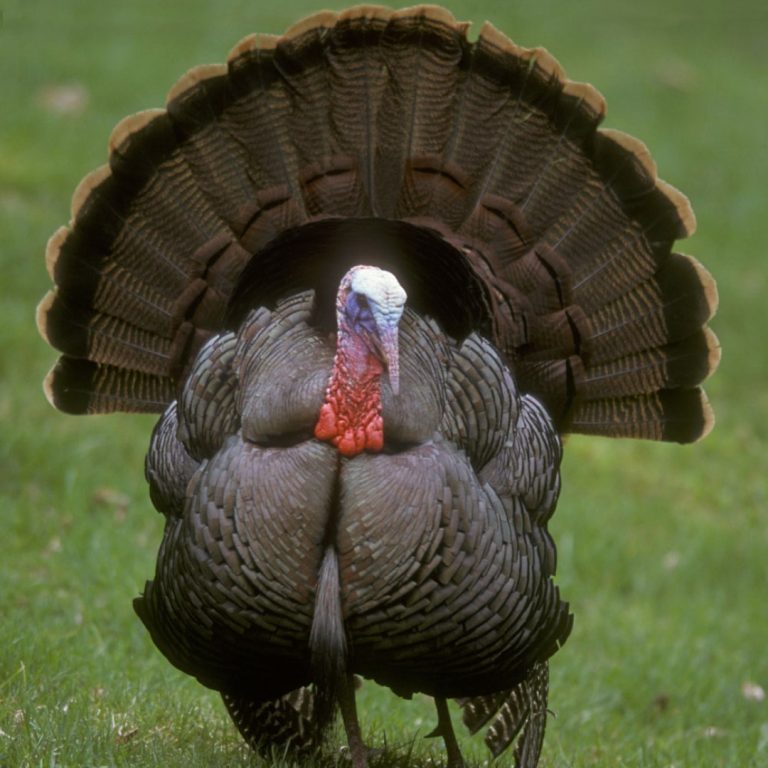
In 1967, Dr. H.G. Pereira and colleagues propose a relationship between human and avian flu viruses after a…
In 1965, the rubella virus was attenuated by a NIH research team lead by Paul Parkman and Harry…
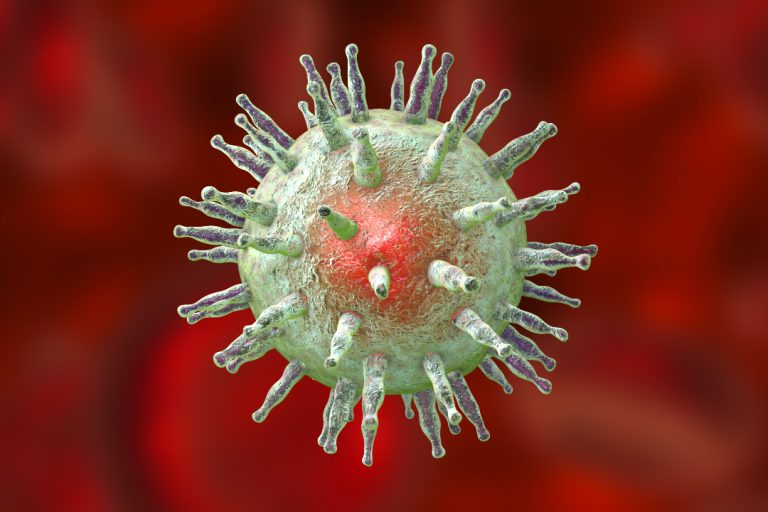
In 1964, a new herpesvirus, Epstein-Barr virus (EBV), was discovered in cultured tumor cells derived from a Burkitt…
In 1964, live, further attenuated measles virus vaccine (Lirugen by Pitman Moore-Dow based on the Schwarz strain, derived…
In 1963, the first measles vaccines were licensed in 1963. Both vaccines were an inactivated (モkilledヤ) and a…
On Jan. 12, 1961, the National Cancer Institute (NCI) established the Laboratory of Viral Oncology, a new intramural…
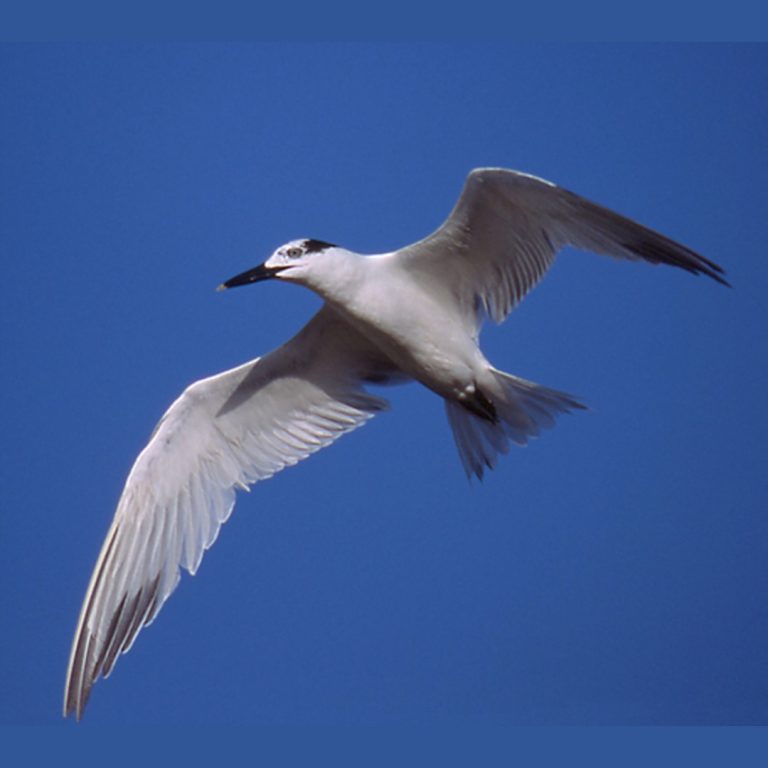
In 1961, influenza virus was first isolated from wild birds in South Africa, from common terns (Sterna hirundo)….
In Feb. 1957, a new influenza A (H2N2) virus emerged in East Asia, triggering a pandemic (‘Asian Flu’)….
In Feb. 1957, a new influenza A (H2N2) virus emerged in East Asia, triggering a pandemic (“Asian Flu”)….
In 1956, the CDC’s Influenza Branch in Atlanta was designated a World Health Organization (WHO) Collaborating Centre for…
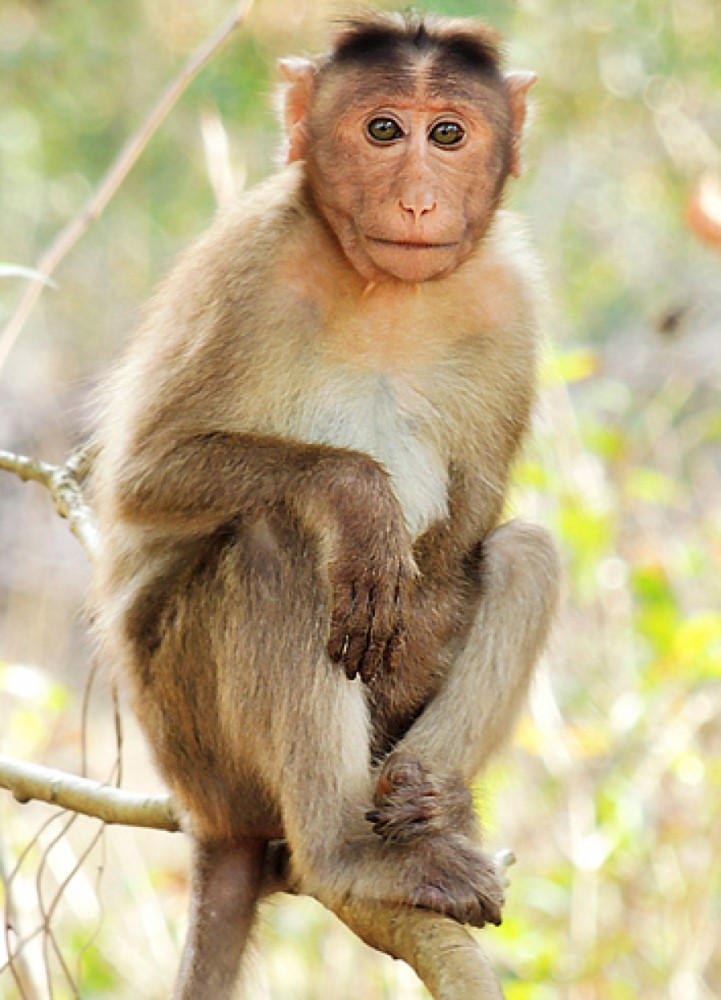
From 1955 through early 1963, millions of people were accidentally exposed to simian virus 40 (SV40) as a…
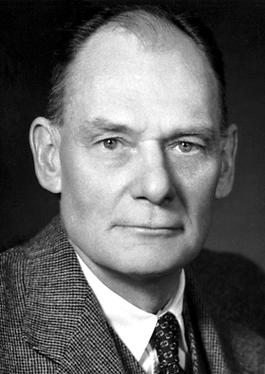
In 1954, John Franklin Enders and Thomas C. Peebles isolated measles virus from an 11-year-old boy, David Edmonston….