Avian influenza H5N1 virus was first isolated from a farmed goose in China
In 1996, A/goose/Guangdong/1/1996 (H5N1), the precursor of the highly pathogenic H5N1 avian influenza viruses (HPAIVs) was identified in…
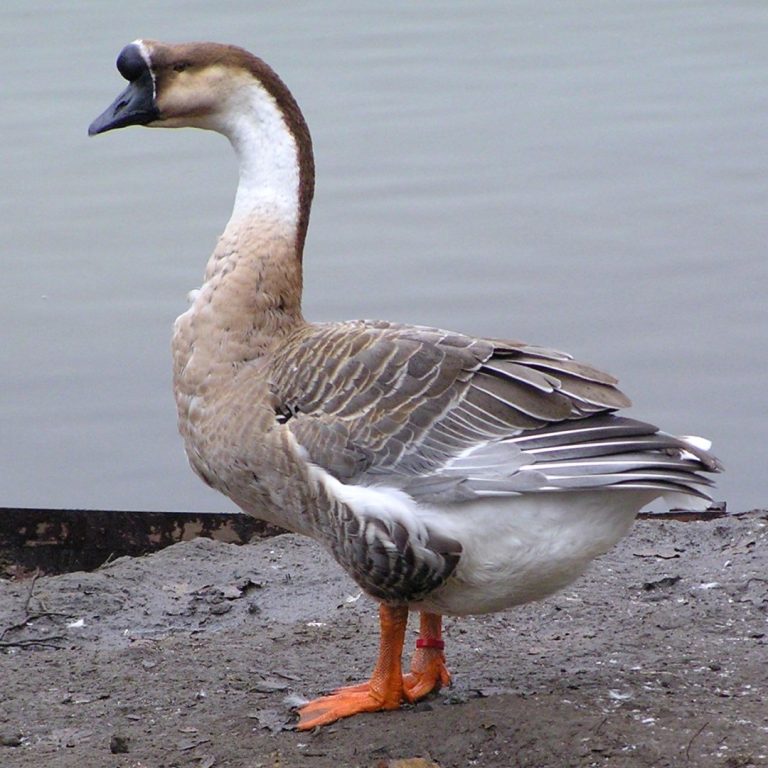
In 1996, A/goose/Guangdong/1/1996 (H5N1), the precursor of the highly pathogenic H5N1 avian influenza viruses (HPAIVs) was identified in…

In 1994, researchers at Oxford University conducted a field trial involving a genetically engineered baculovirus, specifically one modified…
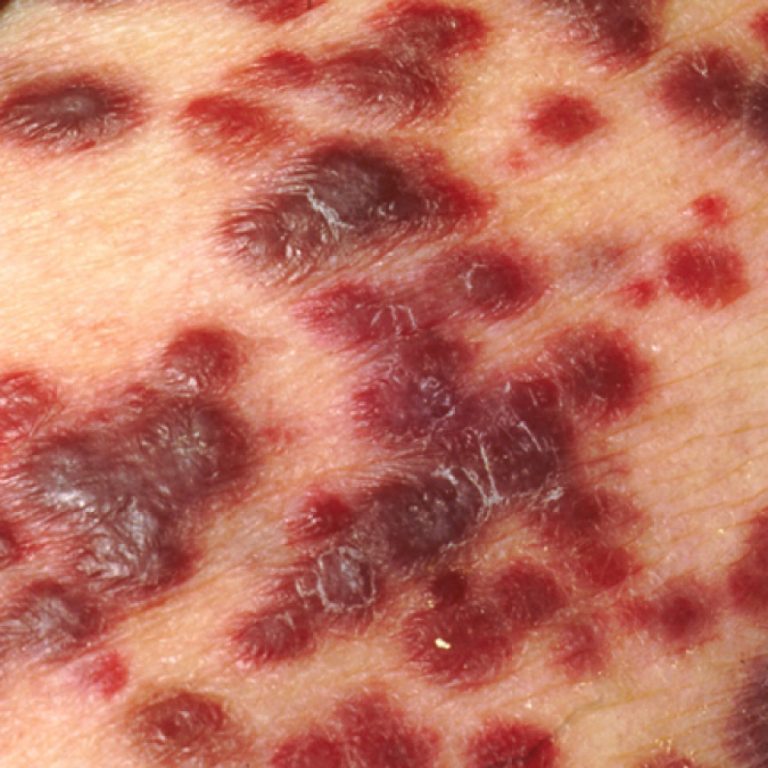
In 1994, human herpesvirus 8 (HHV-8), a causative agent for Kaposi’s sarcoma (KS), was identified. HHV-8 is also…

In 1994, Washington University – St. Louis reseacher Lee Ratern, MD and colleagues announced they had developed an…
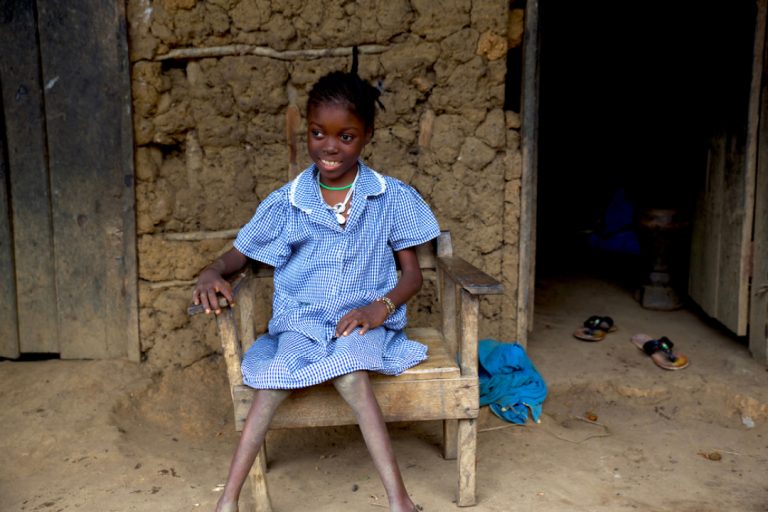
In 1990, the Global Polio Laboratory Network (GPLN) was formally established by the World Health Organization (WHO), national…
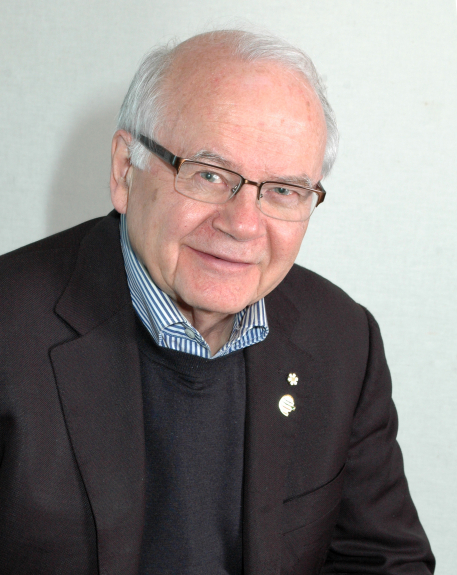
In 1986, while teaching a graduate course at the University of Alberta, Dr. Tyrrell found clues that might…
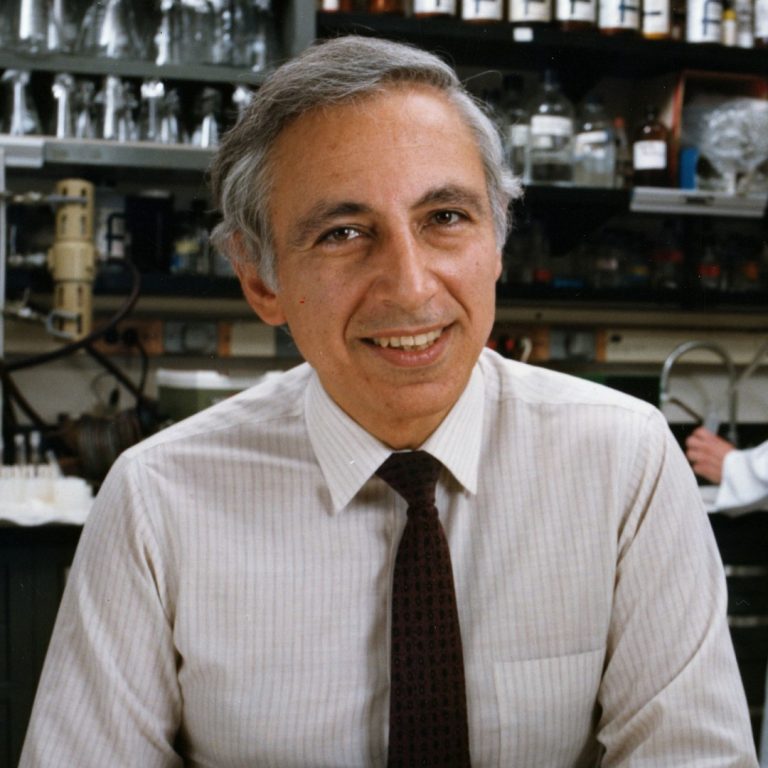
On Apr. 23, 1984, a National Cancer Institute (NCI) scientist, Dr. Robert C. Gallo announced his team’s discovery of…

In 1983, the U.S. Centers for Disease Control and Prevention (CDC) established the National AIDS Hotline (NAH) to…
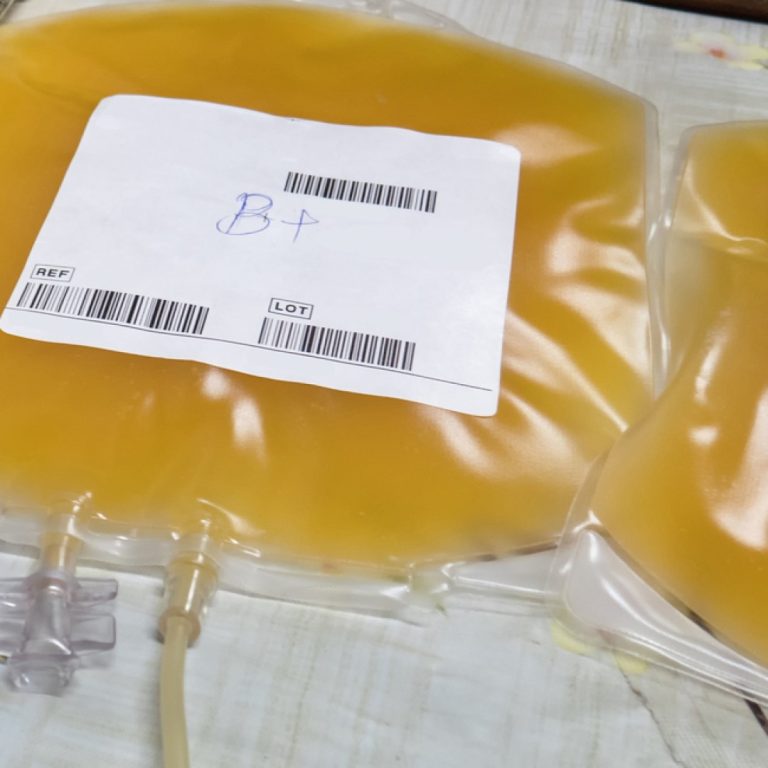
In 1981, the U.S. Food and Drug Administration (FDA) approved a plasma-derived hepatitis B vaccine for human use….
In 1980, National Cancer Institute (NCI) scientists from the Gallo group isolated human T-cell lymphotrophic virus 1 (HTLV-1)….
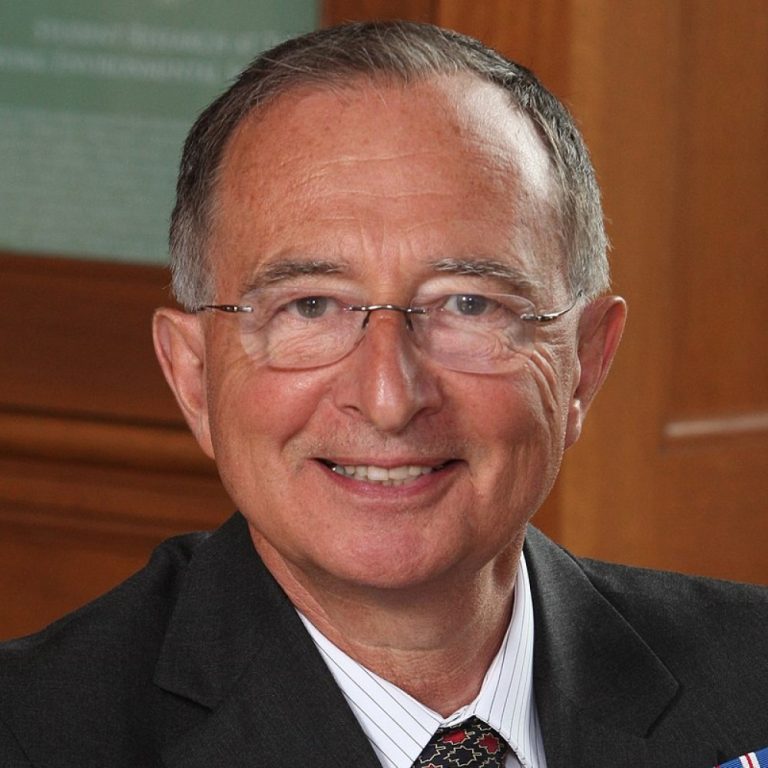
In 1980, McGill University researcher Dr. Kelvin Kenneth Ogilvie developed Ganciclovir to treat or prevent cytomegalovirus (CMV) infections….
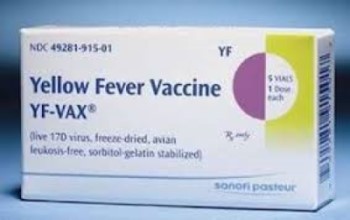
On Jan. 3, 1978, the Yellow fever vaccine (YF-Vax by Connaught) was licensed in the U.S. The Yellow…
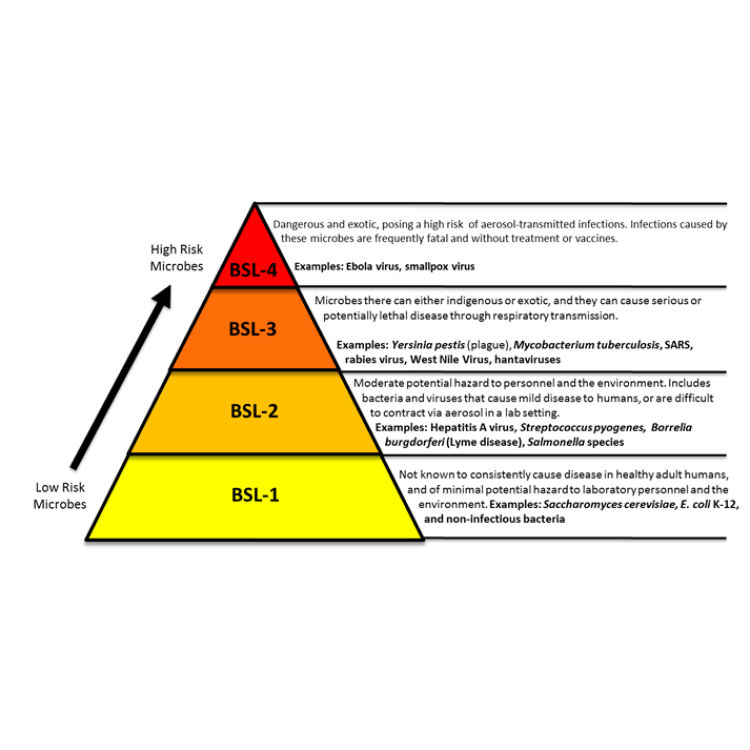
In 1978, the U.S. Centers for Disease Control and Prevention (CDC) completed construction of a new hot lab…
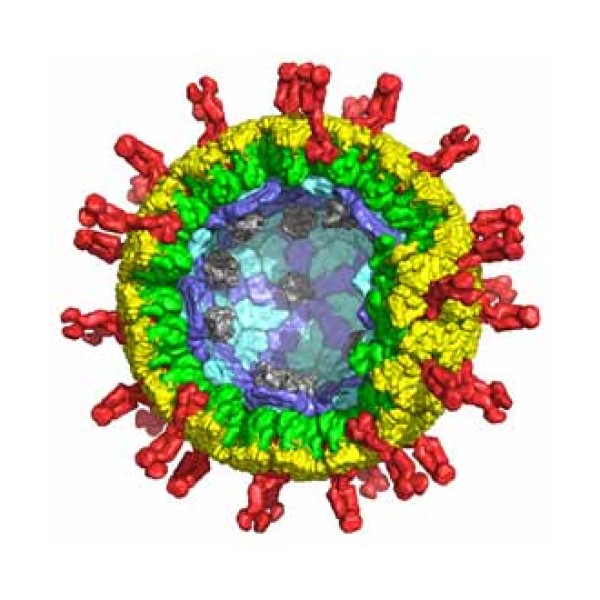
In 1977, Harvard Medical School researcher Stephen C. Harrison first determined the structure of an intact virus particle,…
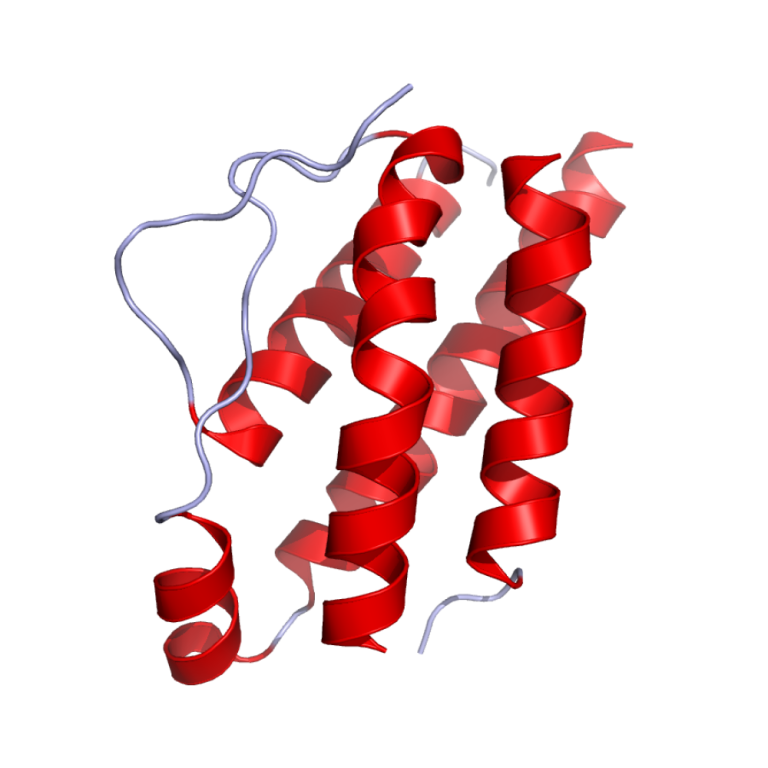
In 1976, interleukin-2 was discovered and purified which allowed researchers to grow T-cells and study their immunology, which…

In 1975, Caltech President David Baltimore, former Caltech faculty member and Salk Institute researcher Renato Delbucco, and Caltech…
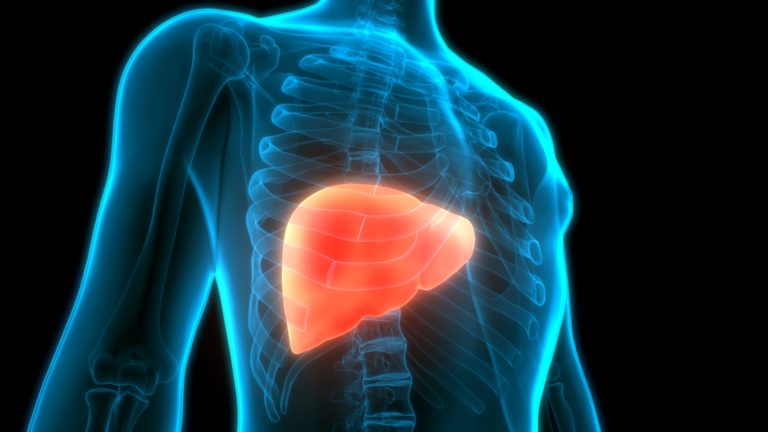
In 1974, Stanford Medicine researcher William S. Robinson successfully isolated the genome of the hepatitis B virus, which is…
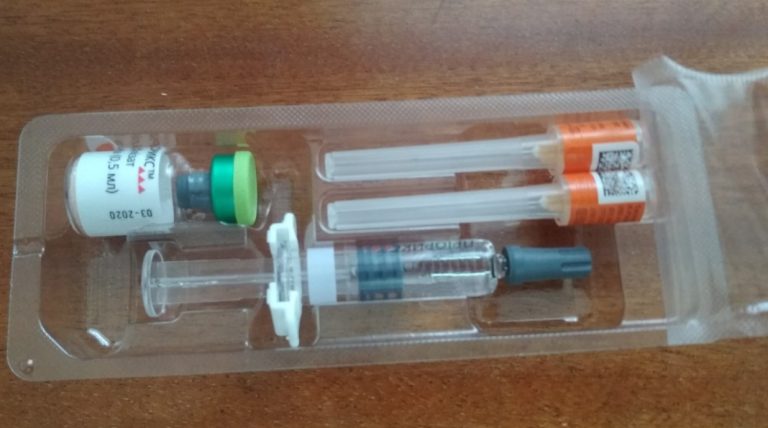
On Apr. 22, 1971, the measles, mumps, and rubella virus (M-M-R II) vaccine Live developed by Maurice Hilleman was…
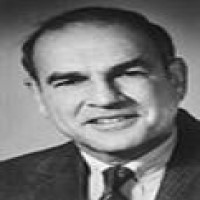
In 1971, the testing of donated blood for Hepatitis B surface antigen began. The hepatitis B virus was…
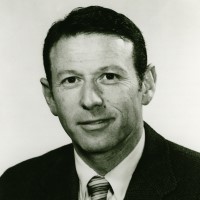
In 1971, Paul Berg of Stanford University spliced the DNA of viruses into the first recombinant molecules. Bergメs…
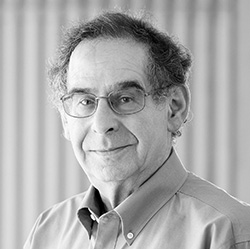
In 1970, the first oncogene termed src was discovered in a chicken retrovirus. Dr. G. Steve Martin at…
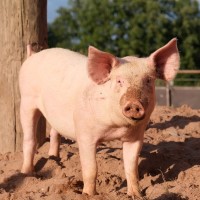
In 1970, influenza H3N2 viruses were first identified in swine during an influenza surveillance study in Taiwan. This…

In 1969, three rubella virus strains were licensed in the U.S.: HPV-77 strain grown in dog-kidney culture (Rubelogen…
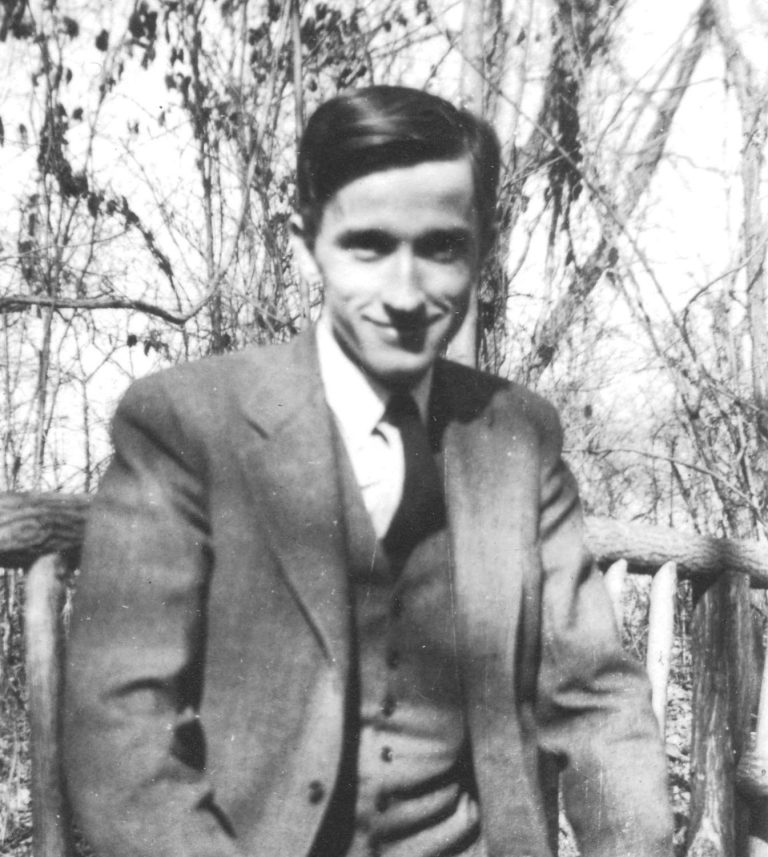
In 1969, Max Delbruck of the California Institute of Technology was awarded the 1969 Nobel Prize in Physiology…
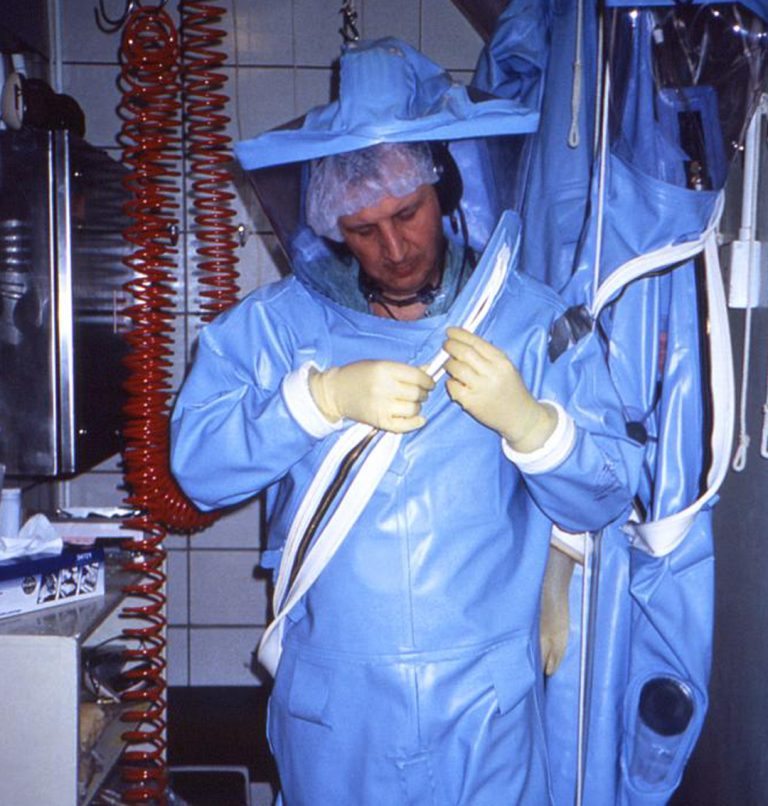
In 1969, the U.S. Centers for Disease Control and Prevention (CDC) opened its first permanent high-containment laboratory (HCL)…
On Nov. 26, 1968, the U.S. Food and Drug Administration (FDA) licensed a second live, further attenuated measles…
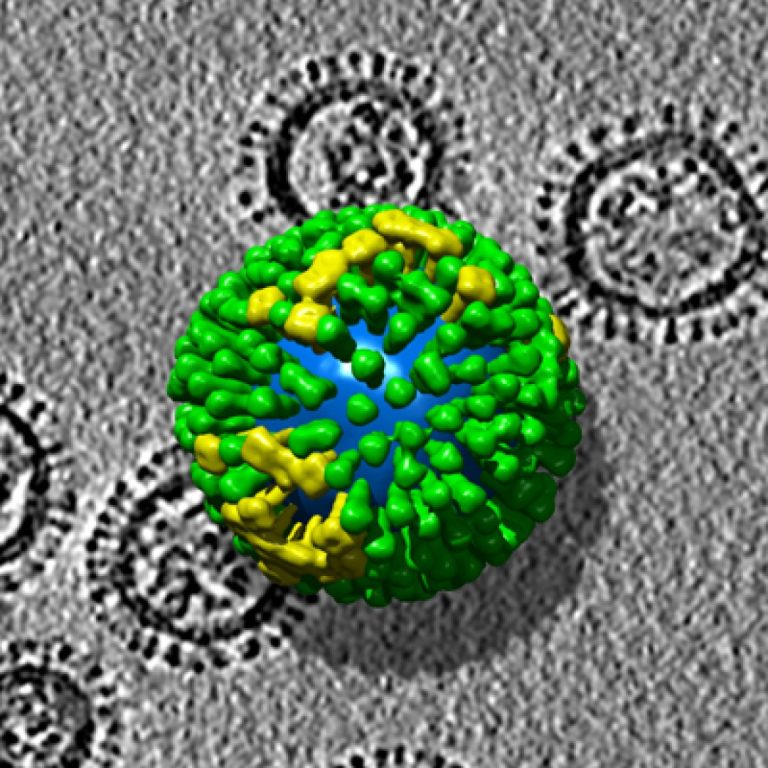
The 1968 pandemic, also known as the Hong Kong flu, was caused by an influenza A (H3N2) virus…
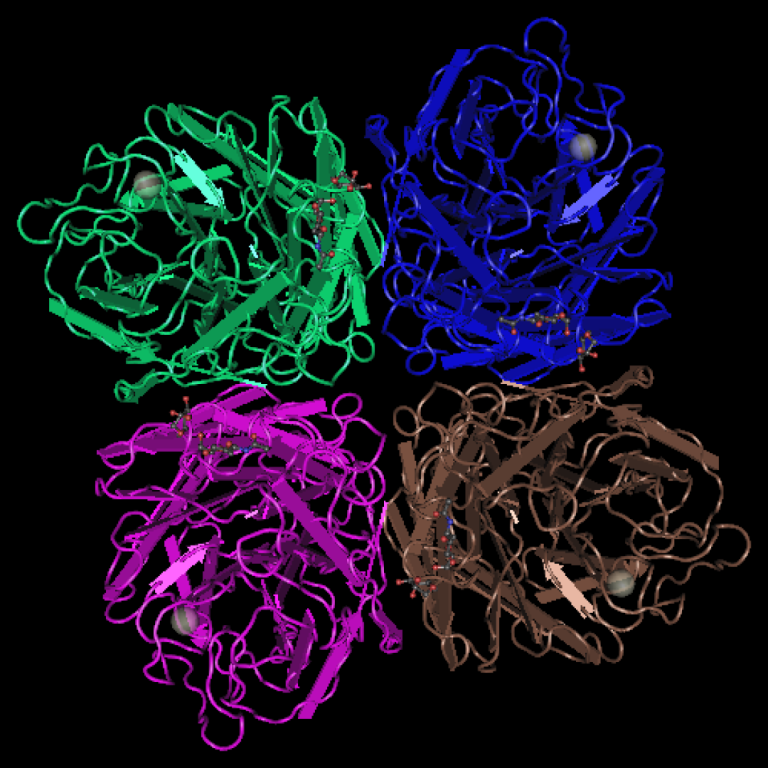
In 1968, a pandemic was caused by an influenza A (H3N2) virus comprised of two genes from an…
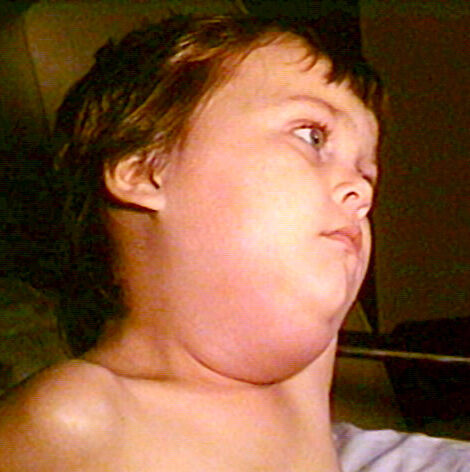
On Dec. 28, 1967, the U.S. Food and Drug Administration (FDA) approved Mercks mumps virus vaccine live (MumpsVax)….
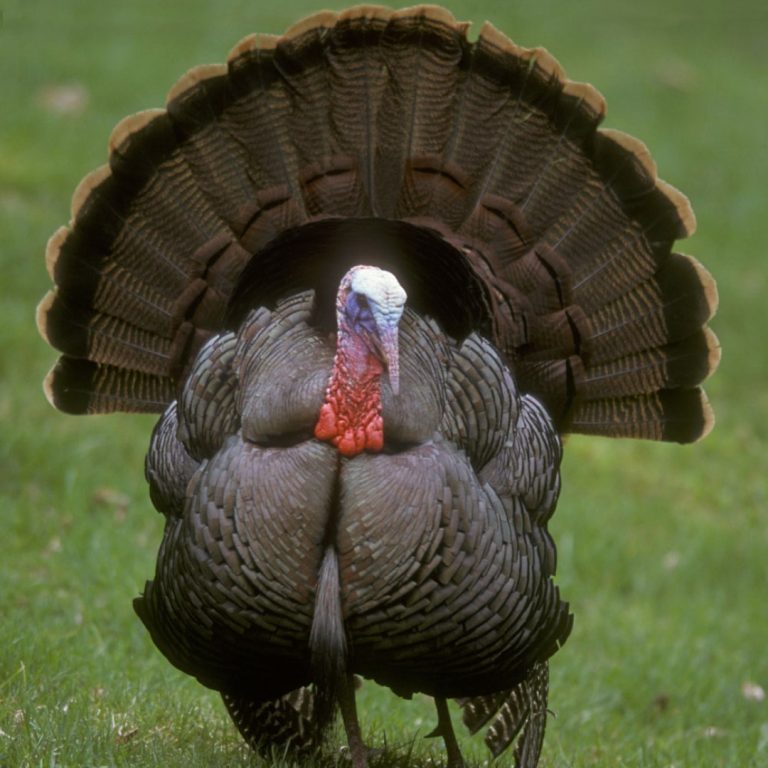
In 1967, Dr. H.G. Pereira and colleagues propose a relationship between human and avian flu viruses after a…