CDC began a complex and multi-faceted response to the H1N1 pandemic
On Apr. 15, 2009, infection with the new influenza A virus (then referred to as ‘swine origin influenza…

On Jul. 18, 2007, The U.S. Department of Health and Human Services (HHS) announced it was providing states,…
On Jun. 7, 2007, years before the COVID-19 pandemic swept across the globe, a group of about 100…
On Feb. 1, 2007, the Centers for Disease Control and Prevention (CDC) released its long-awaited disease containment strategy…
In 2007, researchers at Livermore National Laboratory announced they had developed candidate signatures for pathogens that might be…
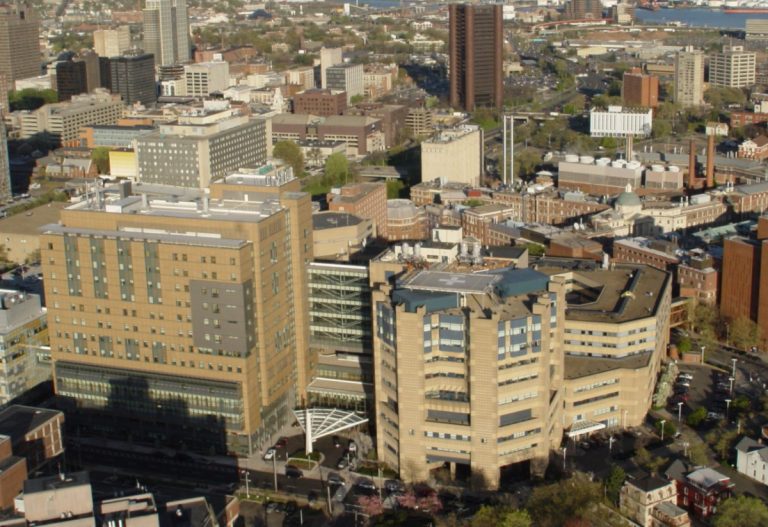
On Aug. 31, 2022, Yale New Haven Hospital (YNHH) broke ground on the $838 million, 505,000 square foot…
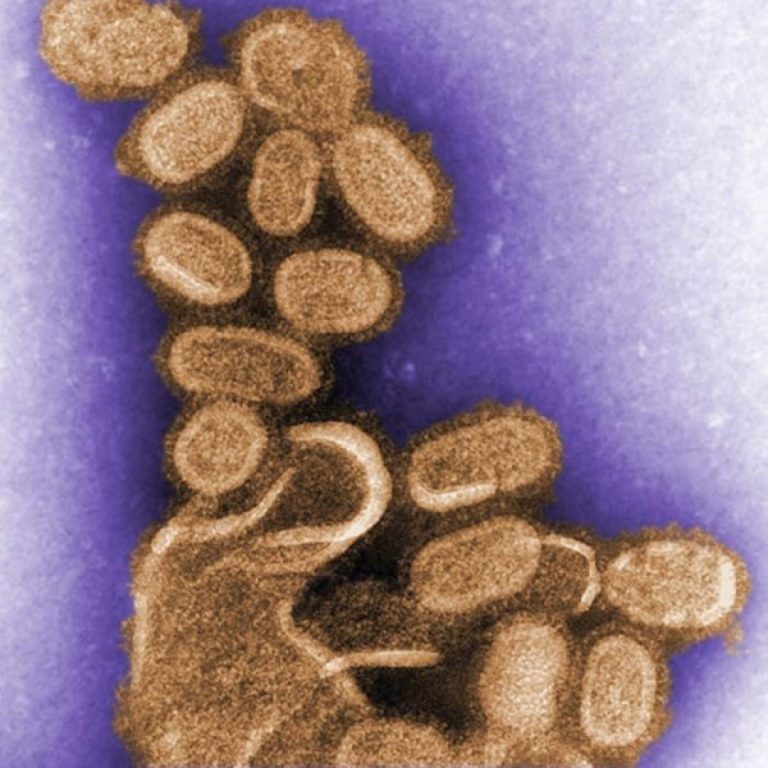
On Oct. 7, 2005, Jeffery Taubenberger, AH Reid, AE Krafft, Karen Bijwaard and Thomas Fanning published a report…
On Apr. 14, 2003, researchers at Canada’s Michael Smith Genome Science Centre in Vancouver announced they had sequenced…
On Mar. 6, 2003, the Singapore Ministry of Health (MOH) and the World Health Organization (WHO), announced they…
In 1999, the U.S. Centers for Disease Control and Prevention (CDC) launched the National Pharmaceutical Stockpile, now the…
In 1999, the U.S. Centers for Disease Control and Prevention (CDC) established the Laboratory Response Network (LRN). The…
In 1989, the U.S. Centers for Disease Control and Prevention (CDC) established a World Health Organization (WHO) collaborating…
In 1986, the National Childhood Vaccine Injury Act was enacted by Congress. The Department of Health and Human…
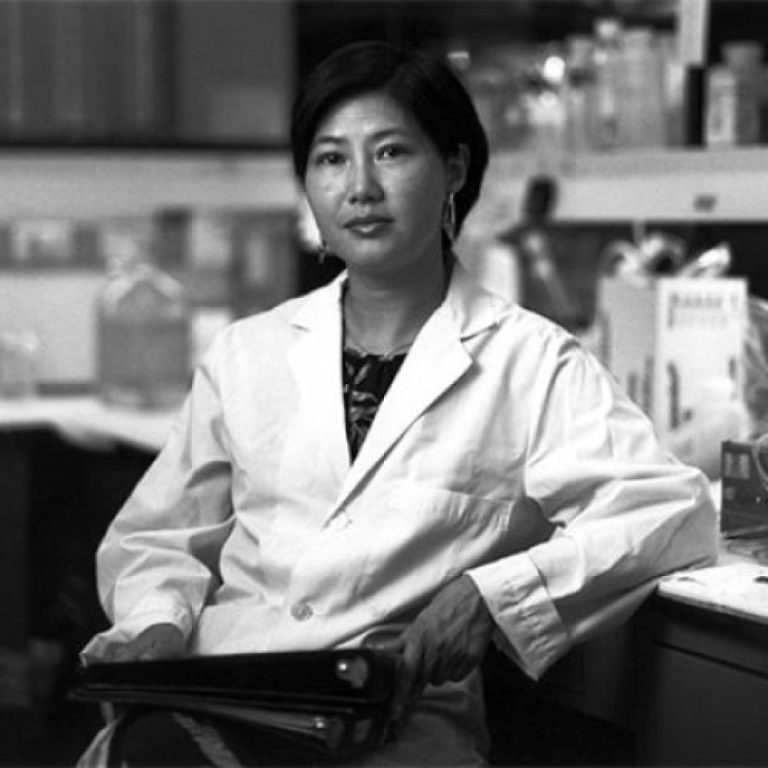
In 1985, virologist Flossie Wong-Staal became the first person to clone HIV, which led to the development of…
In 1981, Merck began commercialize ivermectin as a broad-spectrum veterinary anti-parasitic drug that was originally developed to treat…
On Apr. 10, 1972, the Biological Weapons Convention (BWC) was opened for signature, and took effect on March…
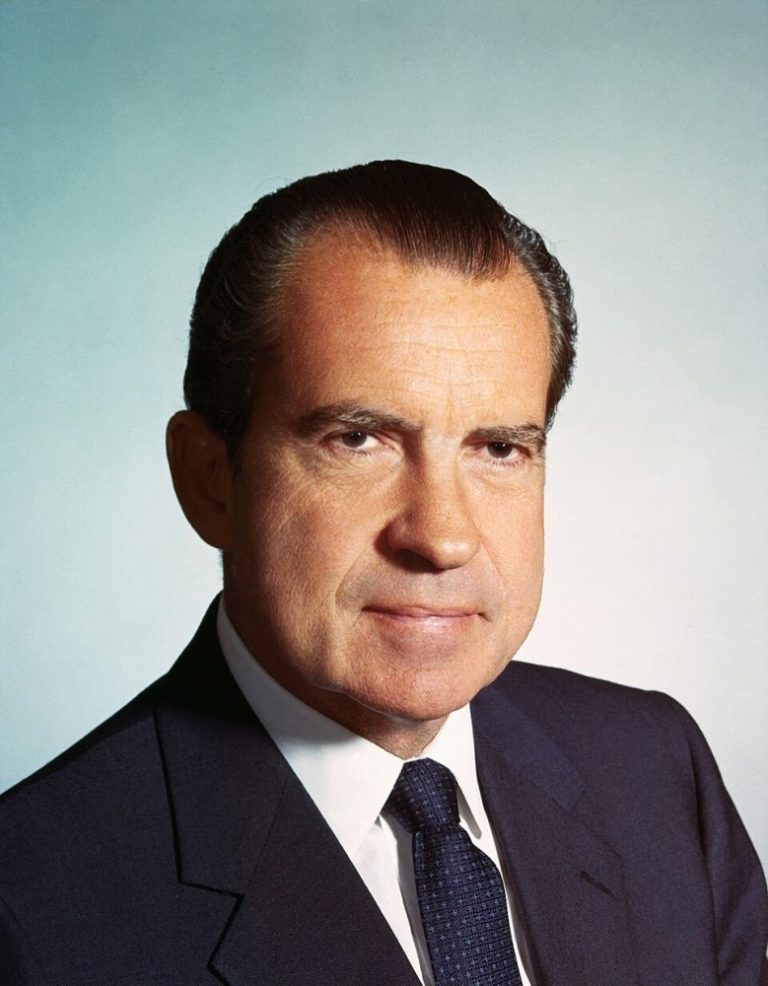
On Nov. 25, 1969, President Richard Nixon issued his “Statement on Chemical and Biological Defense Policies and Programs”…
In 1931, Rockefeller Institute investigator Richard Shope published the first of three landmark papers that established the etiology…
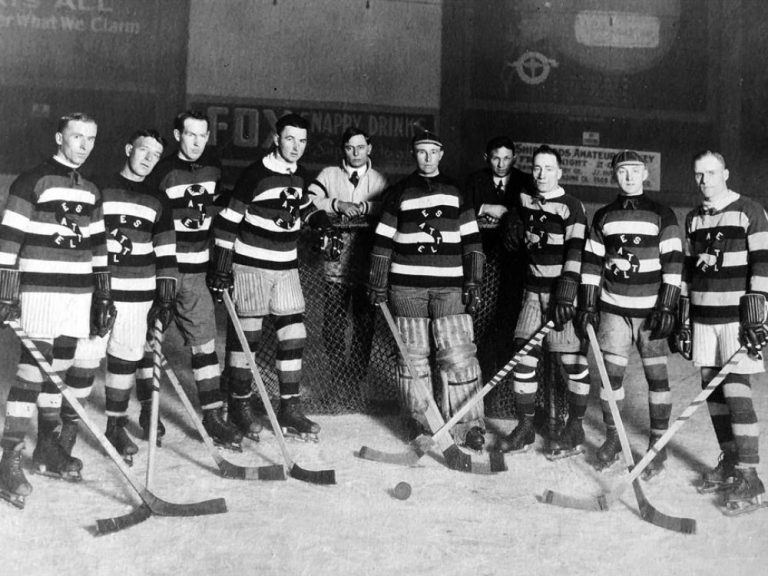
On Apr. 1, 1919, the Stanley Cup playoffs between the Montreal Canadians and the Seattle Metropolitans ended tied…
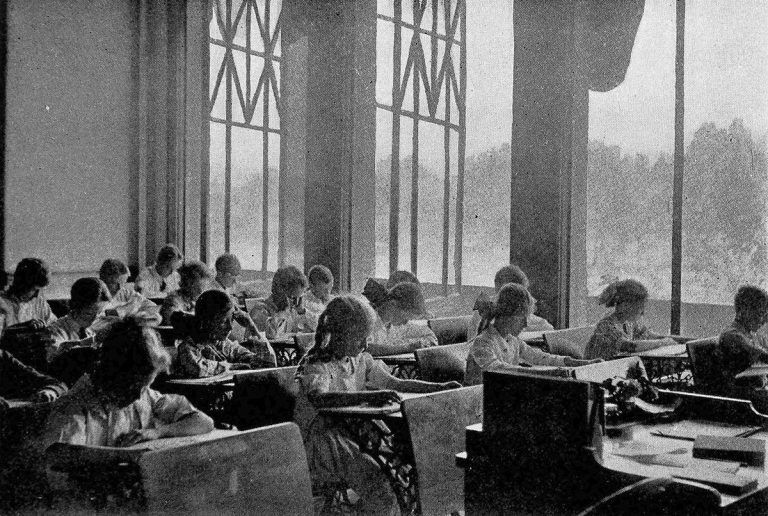
On Jan. 2, 1919, Denver slowly returned to normal after its flu epidemic, and schools reopened. School teachers…
In 1919, Washington, D.C. suffered spikes in influenza cases throughout the remainder of 1918, and into early February…
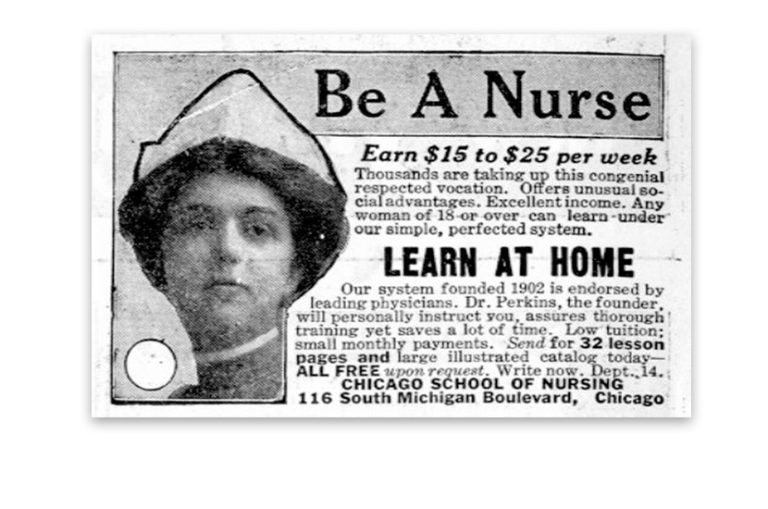
In 1919, the University of Oregon in Eugene introduced the state’s first professional courses in nursing. The courses…
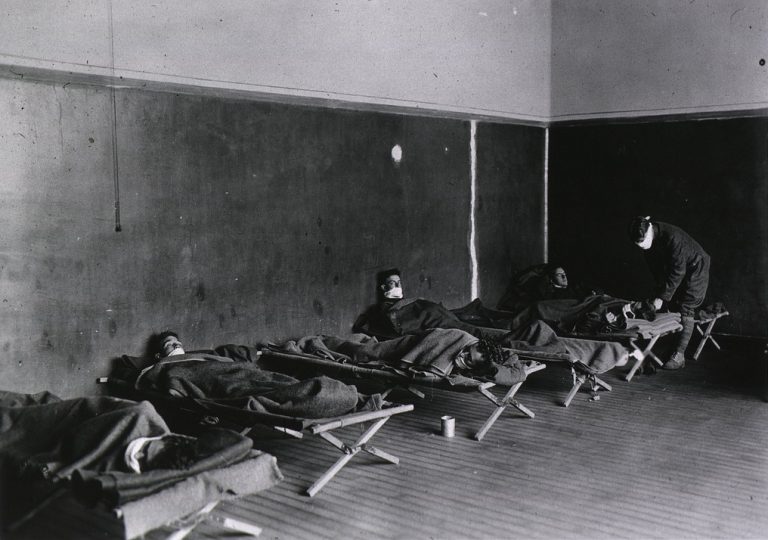
In 1919, influenza cases dwindled through the winter of 1918, yet persisted into April 1919 sporadically. About 9…
On Dec. 30, 1918, Kansas City schools reopened as the influenza epidemic waned. The New Year came and…
On Dec. 24, 1918, on Christmas Eve, with the epidemic across Nebraska still raging, the state Board of…
On Dec. 23, 1918, the Cincinnati Board of Health removed its ban prohibiting children from entering public places….
On Dec. 20, 1918, after declining influenza cases, Health Commissioner Starkloff lifted remaining St. Louis closure bans.
On Dec. 15, 1918, the number of new influenza cases per day in the city slowed to a…
On Dec. 14, 1918, meeting in special session, members quickly decided that the influenza situation in Cincinnati had…
On Dec. 12, 1918, following a second spike in influenza cases especially among schoolchildren, Louisville Health Officer Dr….