National Cancer Institute and ACRIN launched first multicenter study to compare digital mammography
On Sept. 4. 2001, the National Cancer Institute (NCI) and the American College of Radiology Imaging Network launched…
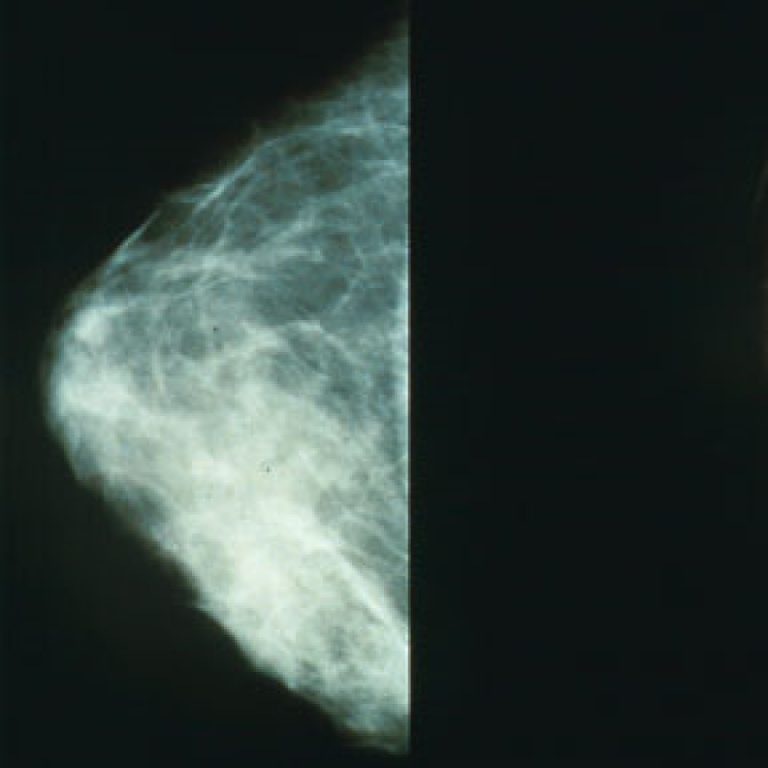
On Sept. 4. 2001, the National Cancer Institute (NCI) and the American College of Radiology Imaging Network launched…

On May 24, 2001, Dr. Eldon Jupe and a team of Oklahoma Medical Research Foundation (OMRF) researchers found…
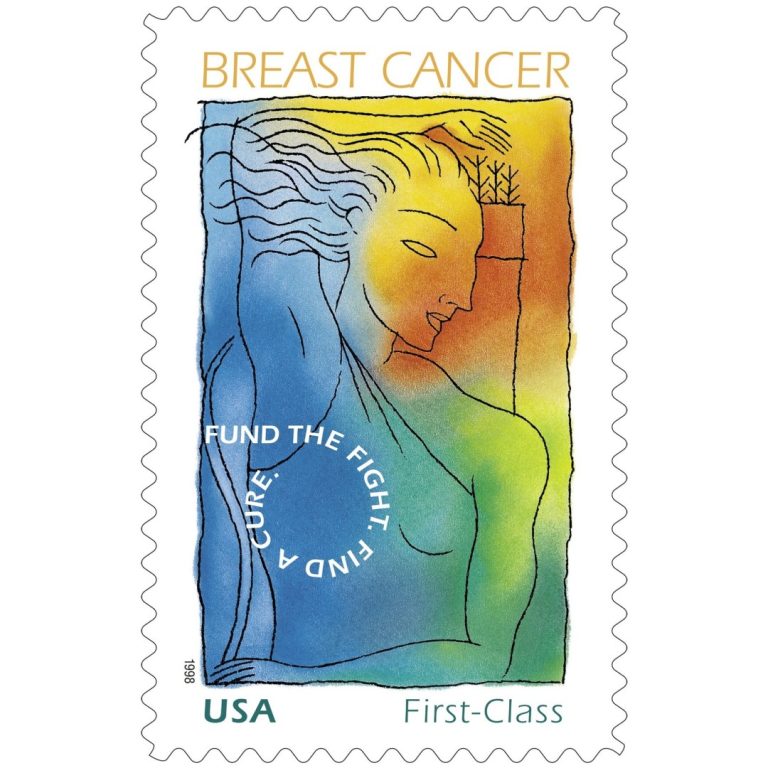
On Jul. 28, 2000, President Bill Clinton signed into law the Semipostal Authorization Act (P.L. 106-253), which gave…

On May 25, 1999. the Study of Tamoxifen and Raloxifene, or STAR, one of the largest breast cancer…

In 1999, Siteman Cancer Center investigators joined the STAR (Study of Tamoxifen and Raloxifene) trial for breast cancer…
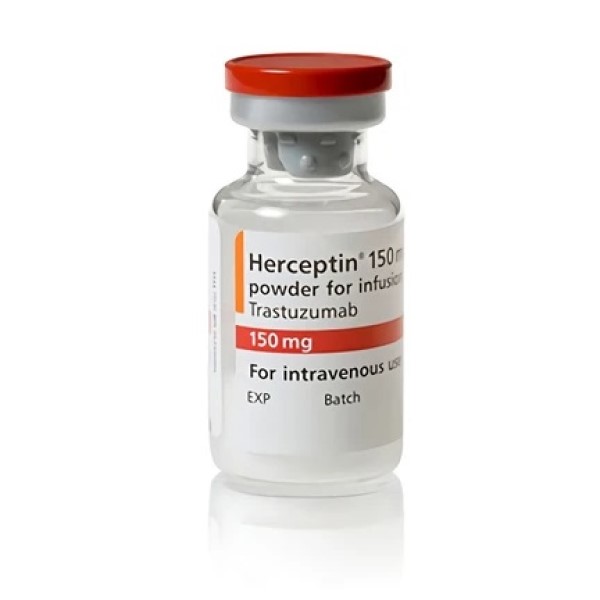
On Sept. 25, 1998, the U.S. Food and Drug Administration (FDA) approved the monoclonal antibody Herceptin (Trastuzumab) for…

On Sept. 14, 1998, researchers from the Breast Cancer Prevention Trial (BCPT) published a full report and update…
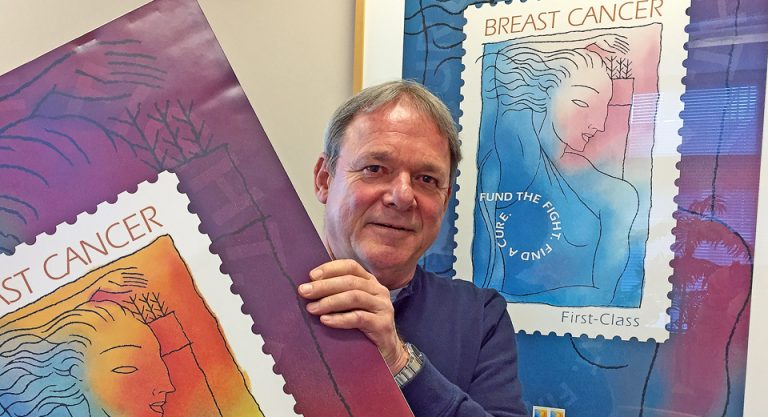
On Jul. 29, 1998, the Stamp Out Breast Cancer stamp was first issued. The driving force behind the…
In 1998, the Mammography Quality Standards Reauthorization Act (MQSA) was passed by the U.S. Congress and continued the…
In 1998, Tamoxifen, created with the MCF-7 breast cancer cell line established by Karmanos, was revealed to reduce…
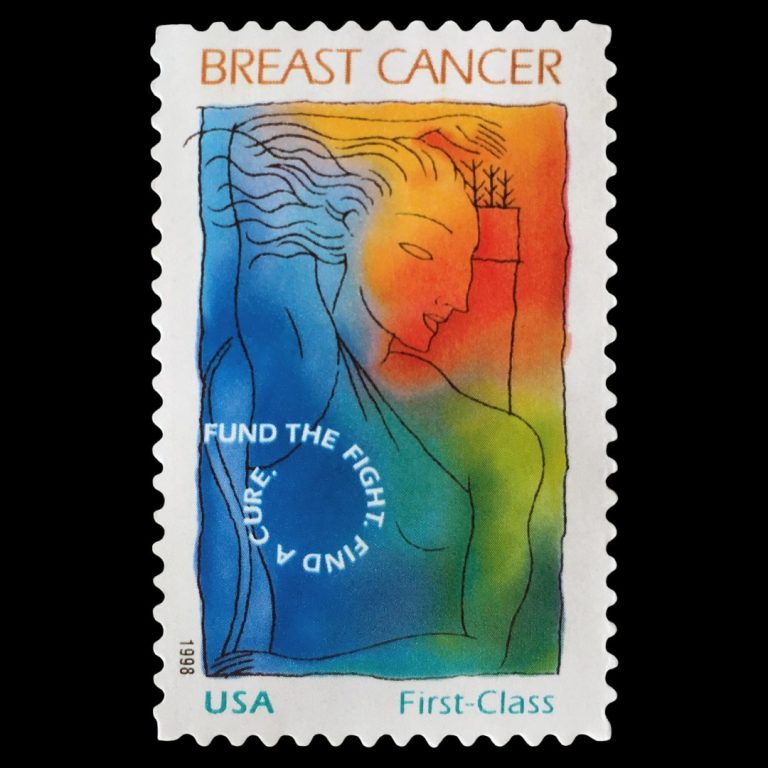
On Aug. 13, 1997, the Stamp Out Breast Cancer Act (PL 105-41) was signed into law by President…
On Apr. 16, 1997, the American Cancer Society (ACS) published its recommended mammography screening interval for women ages…

In August 1997, the U.S. Congress passed legislation that directed the U.S. Postal Service to issue its first…

Dec. 27, 1995, the U.S. Food and Drug Administration (FDA) approved anastrozole (Arimidex) as a treatment for breast…

In 1995, Mary-Claire King, an internationally known human geneticist, was recruited to the University of Washington’s (UW) School…
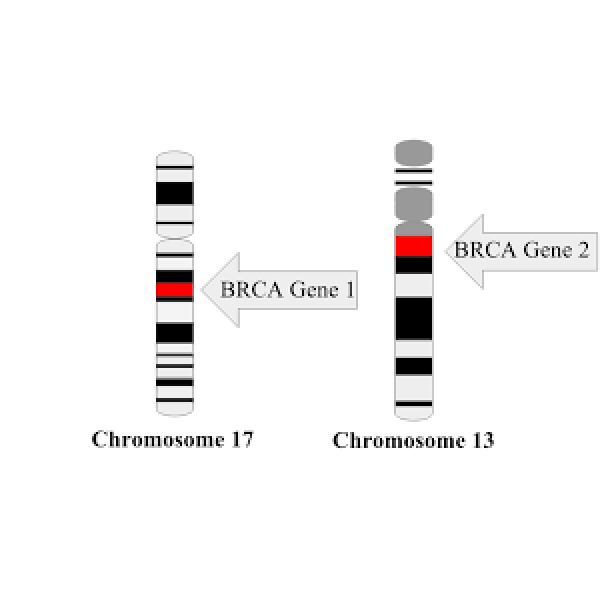
In 1995, the BRCA2 gene was mapped to chromosomal 13q. Just fifteen months later, Wooster et al. reported…
In 1995, scientists cloned the tumor suppressor genes BRCA1 and BRCA2, inherited genetic mutations that can predict an…

On Oct. 7, 1994, a strong candidate for the 17q-linked BRCA1 gene, which influences susceptibility to breast and…

On Jun. 10, 1993, the U.S. Congress signed the National Institutes of Health Revitalization Act, P.L. 103-43. The…
In 1993, the Washington University School of Medicine announced that it was a participating site for the prostate,…

In 1993, Bristol-Myers Squibb launched TAXOL (paclitaxel). The company invested hundreds of millions of dollars to supply TAXOL…
On Oct. 27, 1992, the Mammography Quality Standards Act (MQSA) was passed (P.L. 102-539) by the U.S. Congress…
In 1991, the U.S. Centers for Disease Control and Prevention (CDC) began developing a national strategic plan for…

In 1991, the Women’s Health Initiative (WHI), sponsored by the National Heart, Lung, and Blood Institute (NHLBI), was…

In 1990, Geneticist Mary-Claire King and her colleagues at the University of California, Berkeley (UC Berkeley) discovered BRCA1,…
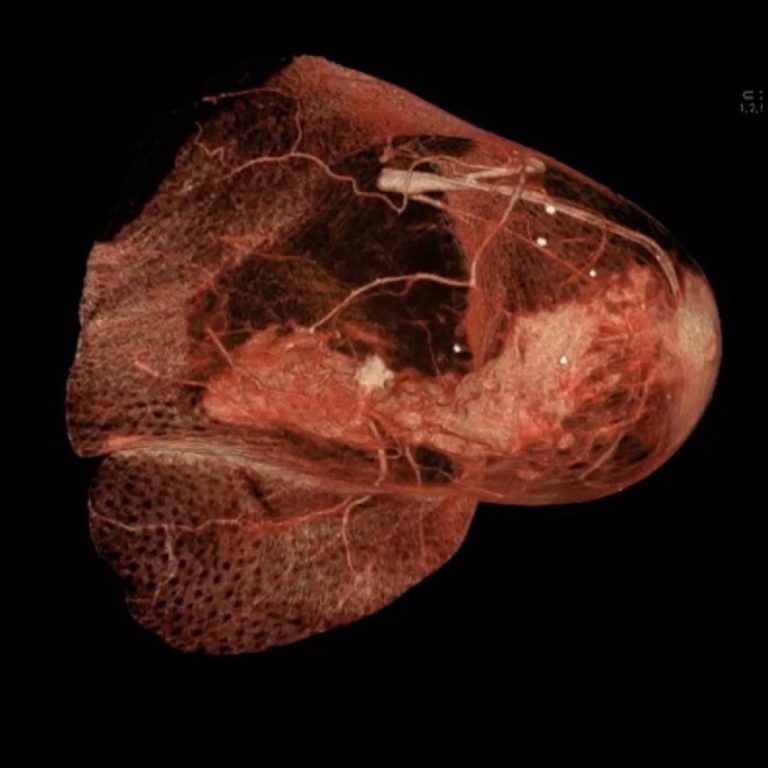
In 1989, Karmanos Cancer Institute researcher Dr. Soule developed MCF-10, an immortal line of normal human breast cells….
In 1986, the human HER2 proto-oncogene was cloned. HER2 is also called neu and erbB2. This finding established…
In 1986, the Mallinckrodt Institute of Radiology and the former Barnes Hospital introduced the first mobile mammography unit…
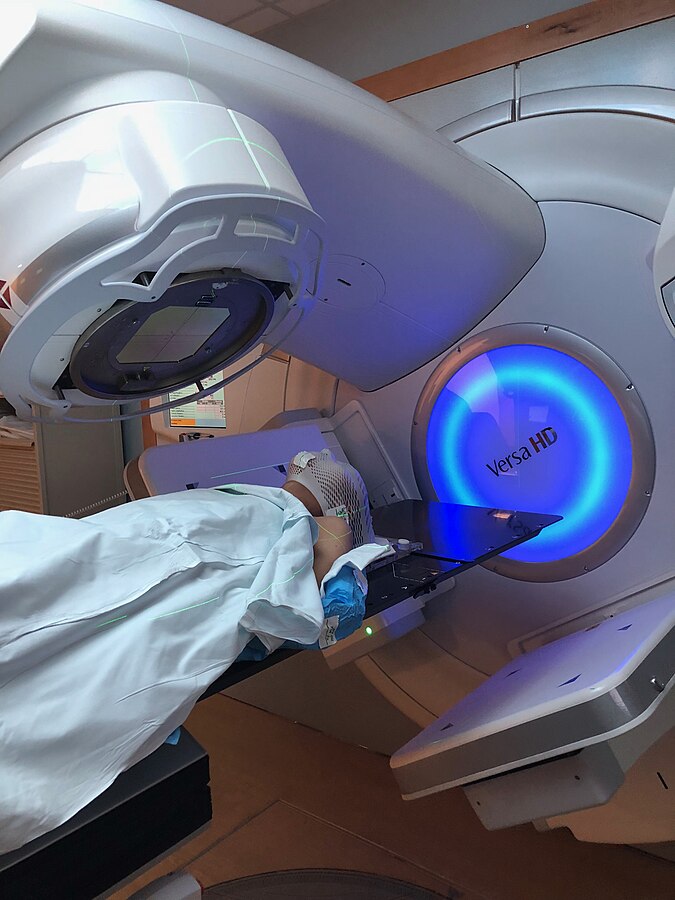
In 1985, Lumpectomy plus radiation therapy was found equivalent to mastectomy for early breast cancer. Lumpectomy followed by…

In 1985, the HER2 oncogene was discovered by Axel Ullrich, a young scientist at Genentech. The new oncogene…