Henrietta Lacks died from cervical cancer, and HeLa cell line was born
On Feb. 8, 1951, Henrietta Lacks, a tobacco farmer from Virginia died from cervical cancer, and a scientist…
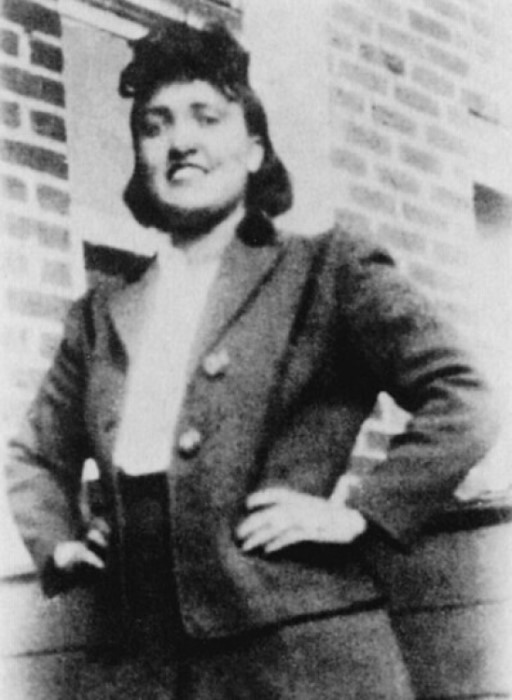
On Feb. 8, 1951, Henrietta Lacks, a tobacco farmer from Virginia died from cervical cancer, and a scientist…
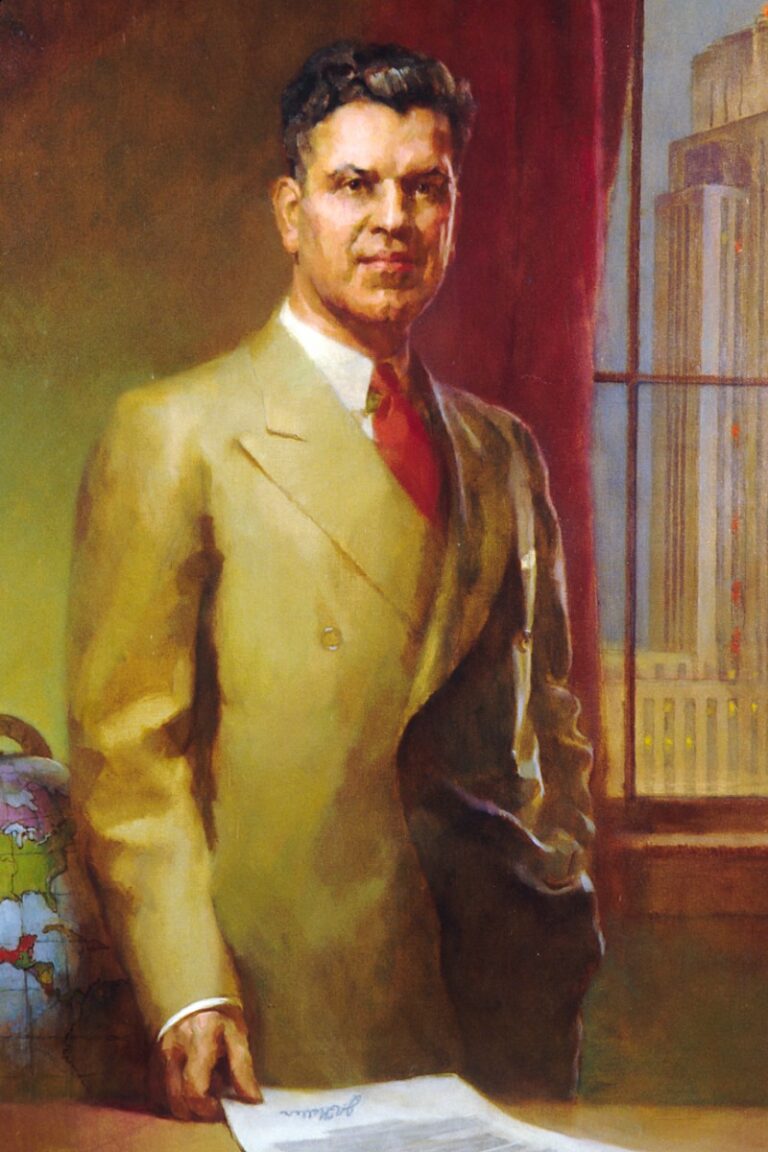
On Apr. 14, 1948, John Roderick Heller became the fourth and longest serving director of the National Cancer…
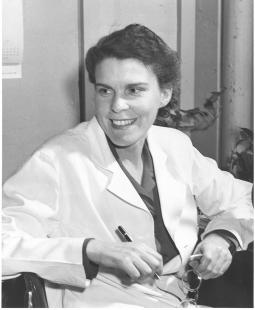
In 1948, Dr. Isabel M. Morgan led a team that successfully inoculated monkeys with a killed-virurs vaccine. From…
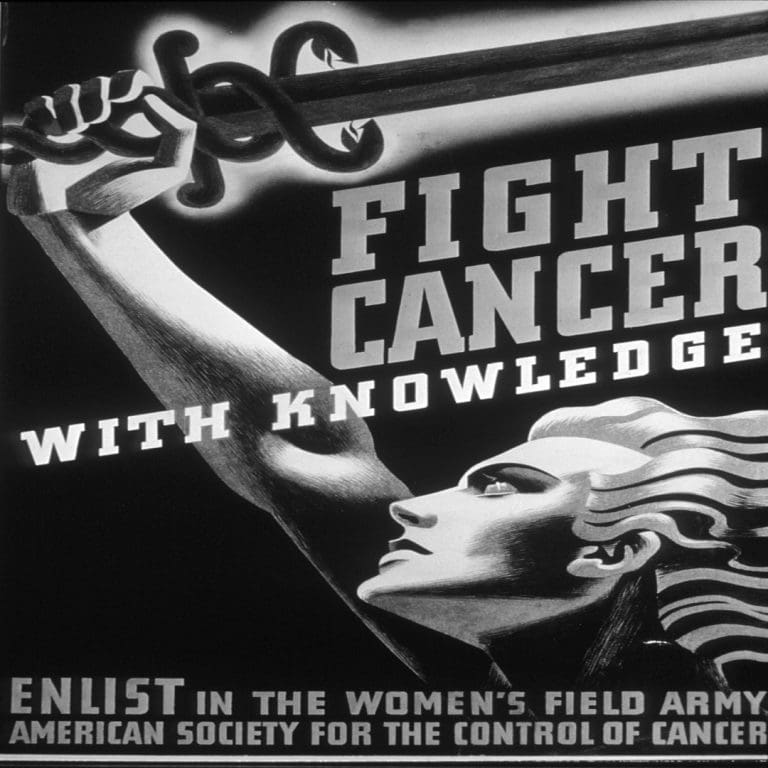
On Jul. 1, 1944, the United States Congress passed the Public Health Service Act, which officially reorganized the…

On Jul. 1, 1944, the Public Health Service Act (PHS) was codified and established the quarantine authority of…
In 1943, U.S. Army Medical Research Institute of Infectious Diseases (USAMRIID) established at Fort Detrick, Maryland.
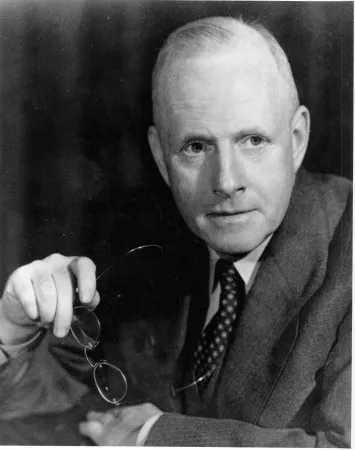
On Aug. 1, 1941, Harold L. Stewart and Egon Lorenz published an article in the Journal of the…
On Aug. 1, 1940, the first issue of the Journal of the National Cancer Institute (JNCI) was published….
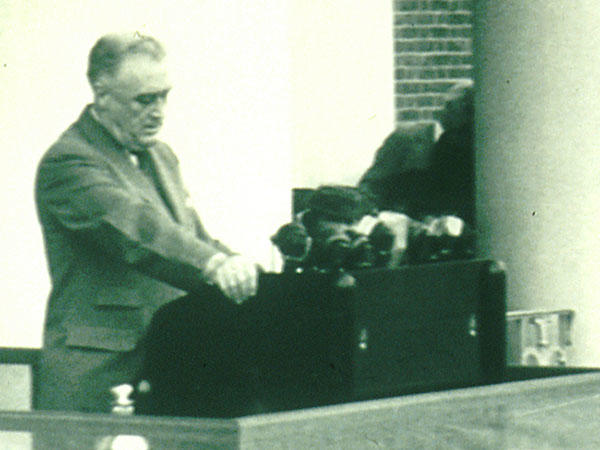
On Aug. 5, 1937, the National Cancer Institute (NCI) Act, P.L. 244, 75th U.S. Congress, was signed by…
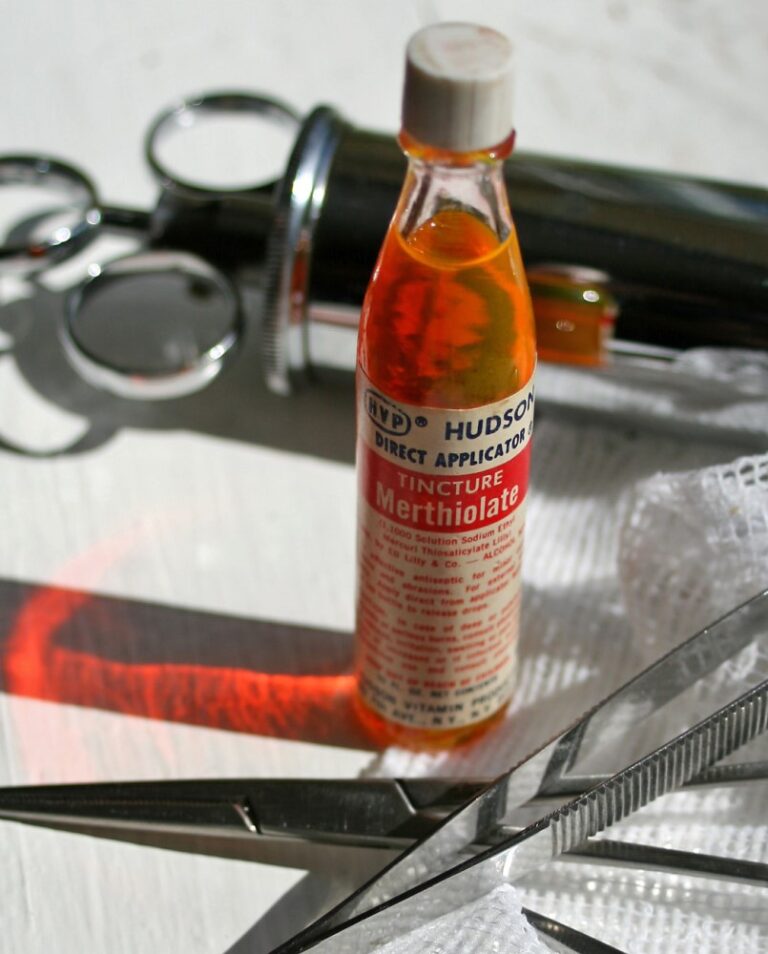
In 1928, Thimerosal was commercialized by Eli Lilly under the trade name Merthiolate, an antiseptic solution containing thimerosal,…
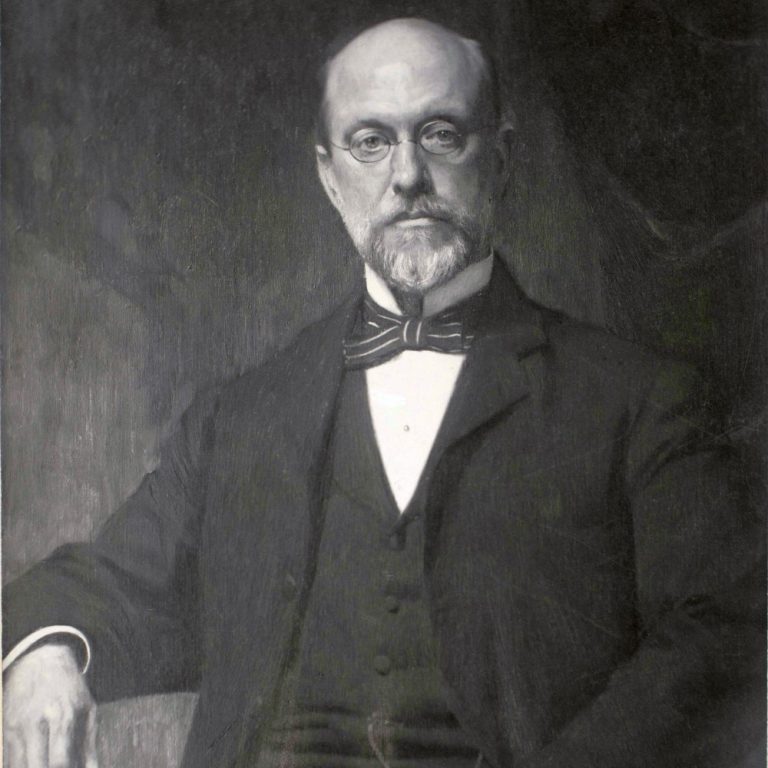
In 1923, the Priestley Medal, named for Joseph Priestley, was awarded for first time by the American Chemical…
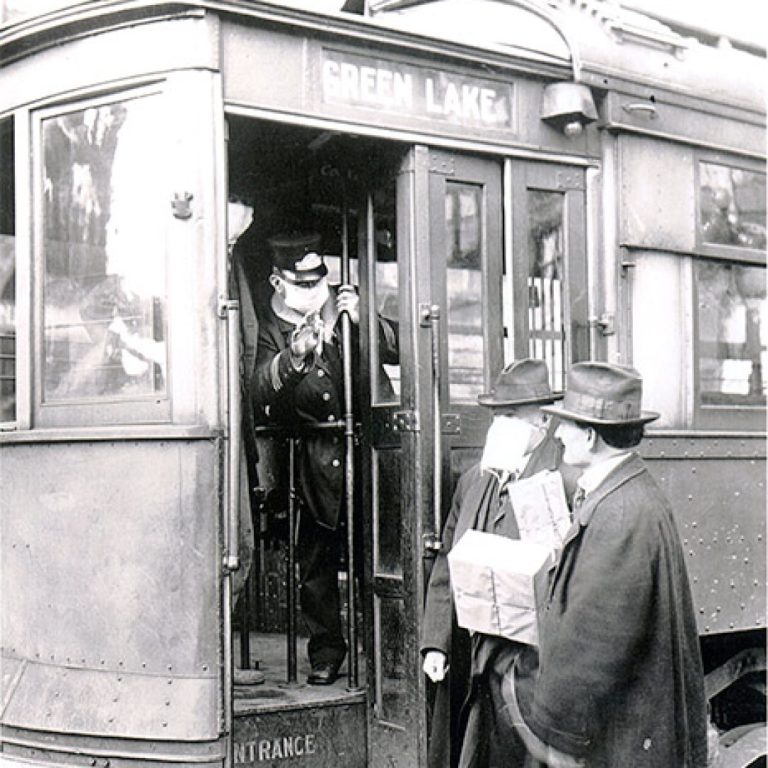
On Nov. 2, 1918, Baltimore health commissioner Dr. John Blake removed the city’s closure order. Public schools were…
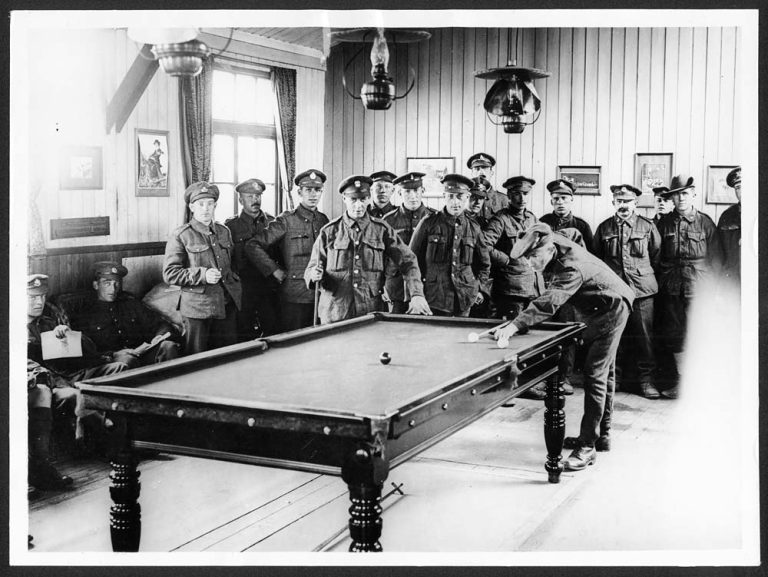
On Oct. 11, 1918, Baltimore health commissioner Dr. John Blake ordered all churches and poolrooms closed, and hinted…
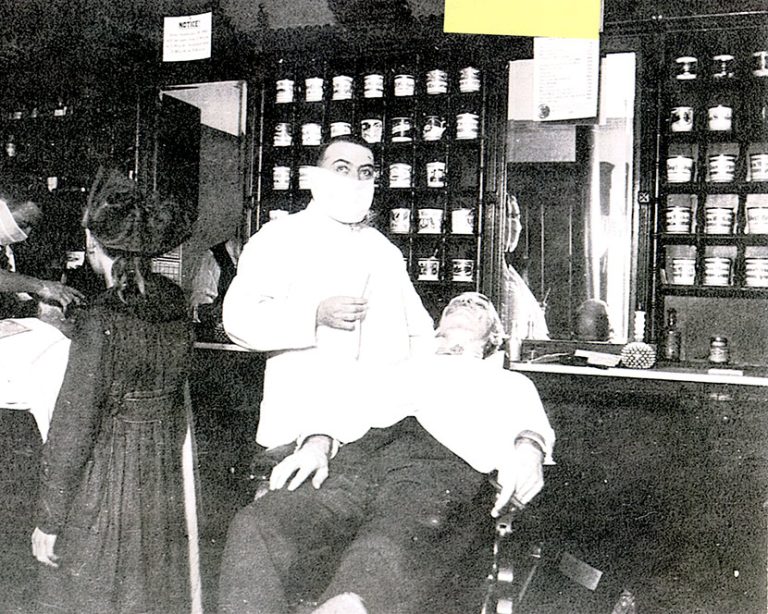
On Oct. 10, 1918, Baltimore Health Commissioner Blake restricted business hours for department, retail, and specialty stores. He…
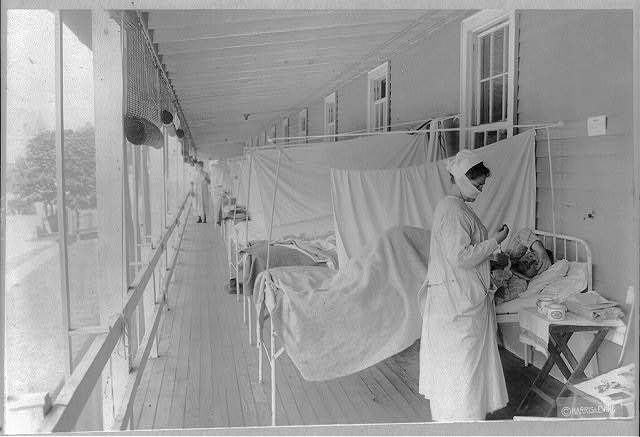
On Oct. 8, 1918, the Baltimore school board decided to take unilateral action and to close all public…
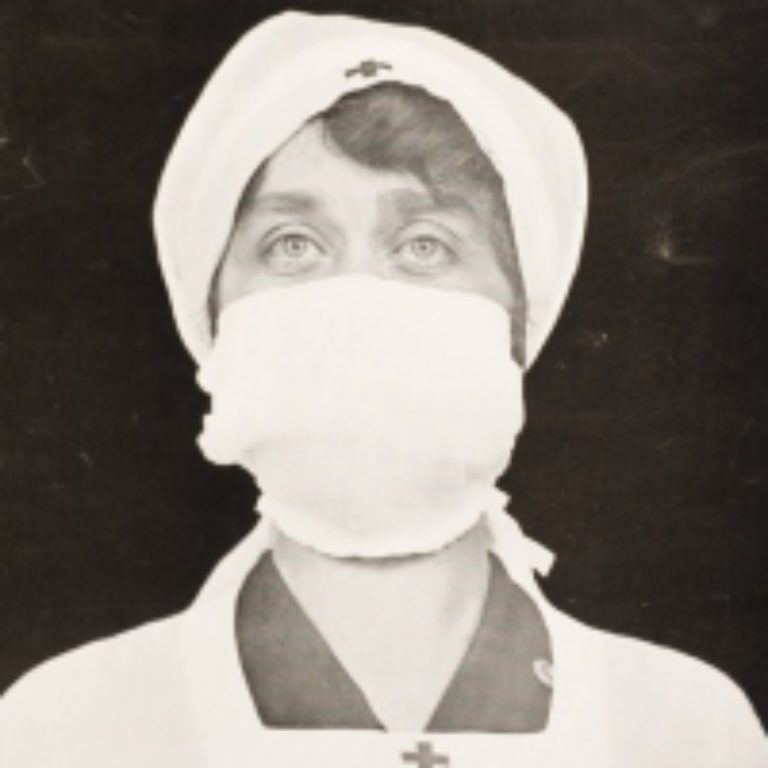
On Oct. 1, 1918, Baltimore city Health Commissioner Dr. John Blake asked streetcars and theaters to increase ventilation…
On Sept. 29, 1918, Baltimore’s health department admitted to increasing cases of influenza but it was not yet…
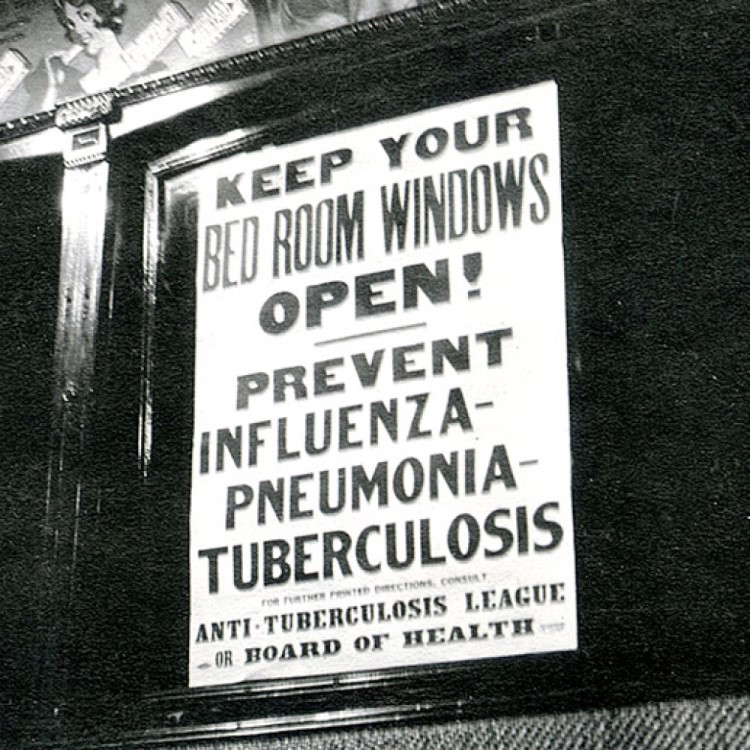
On Sept. 26, 1918, Baltimore city Health Commissioner Dr. John Blake dismissed the circulating influenza as not being…
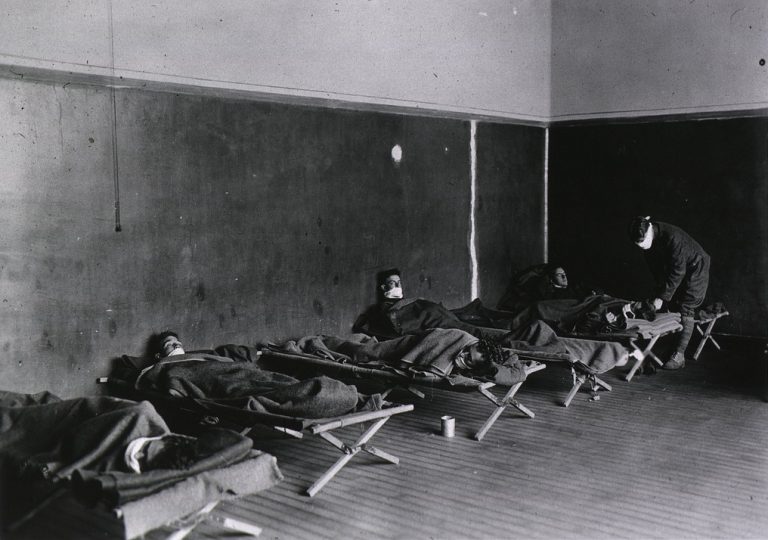
On Sept. 24, 1918, a small number of influenza cases among soldiers at Camp Meade–some 25 miles north…
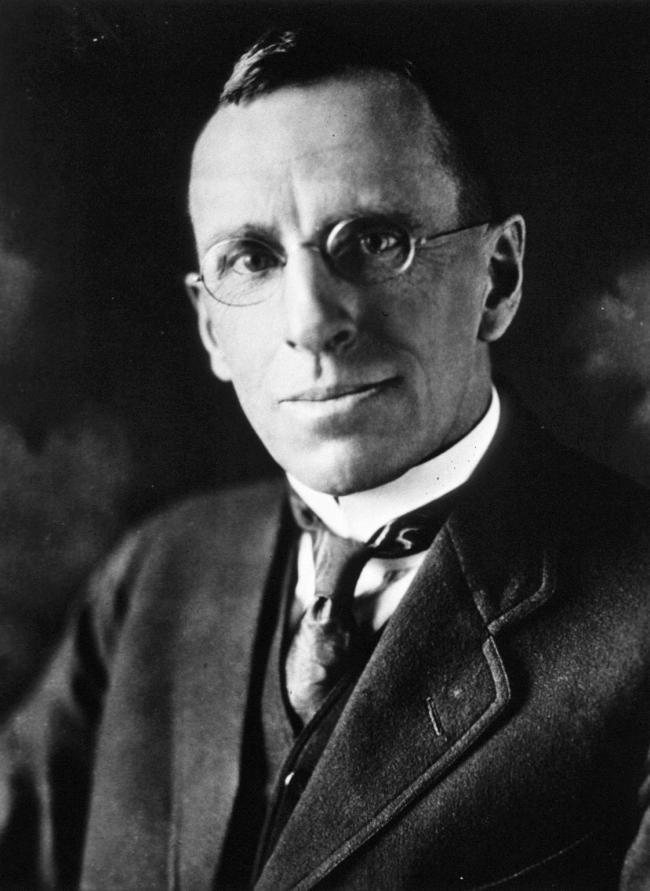
On Aug. 31, 1909, George W. McCoy published a preliminary report in “The Journal of Medical Research” that…
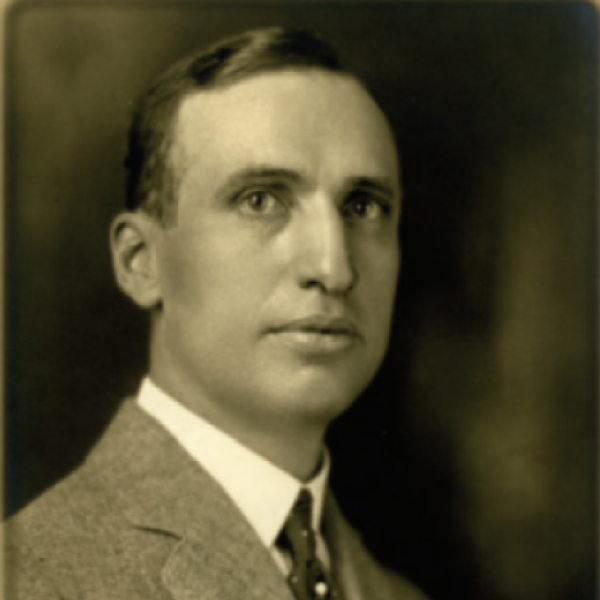
In 1908, Drs. John F. Anderson, Leslie L. Lumsen and Wade H. Frost expanded scope of earlier typhoid…
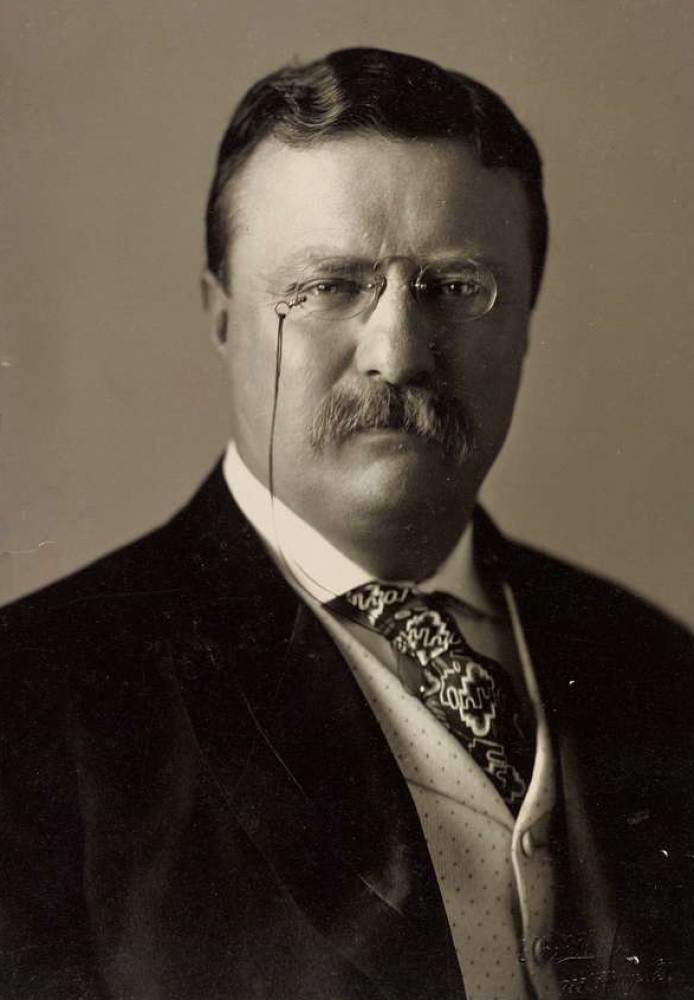
On Jun. 30, 1906, President Theodore Roosevelt signed the Pure Food and Drug Act, and the meat inspection…
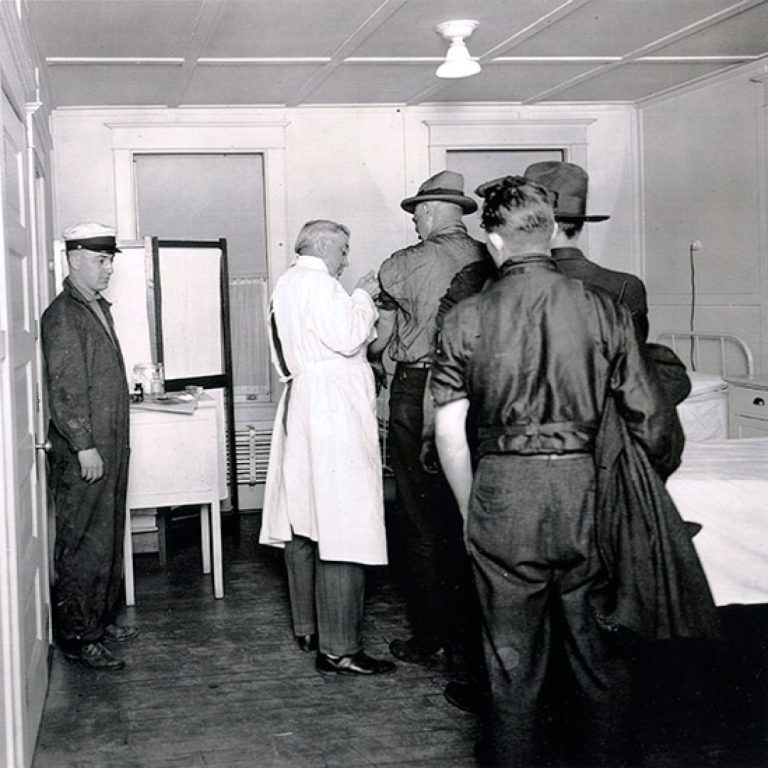
On Jul. 1, 1902, the Biologics Control Act, also known as the Virus-Toxin Law, was enacted by the…
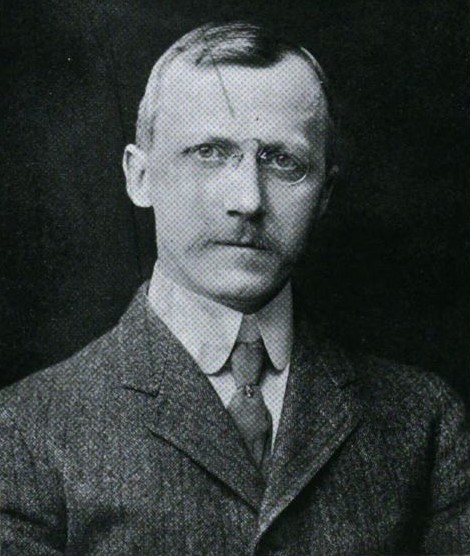
In 1894, Thomas Caspar Gilchrist from the University of Maryland first identified blastomycosis. Gilchrist initially believed the disease…
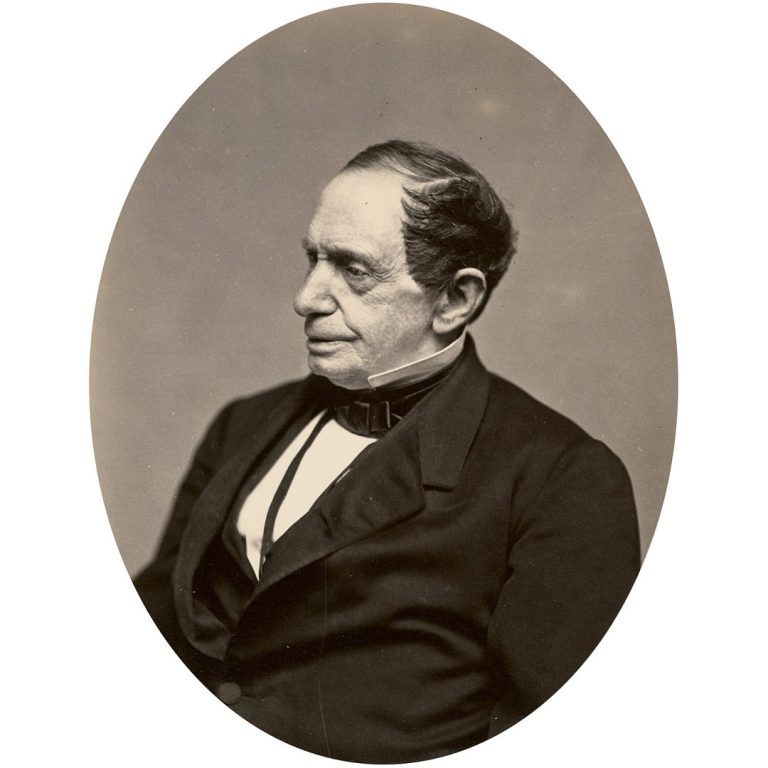
On May 7, 1889, the Johns Hopkins medical hospital in Baltimore opened. Hopkins’ vision was a hospital that…

On Apr. 6, 1876, thirty-five chemists met at the College of Pharmacy of the City of New York…
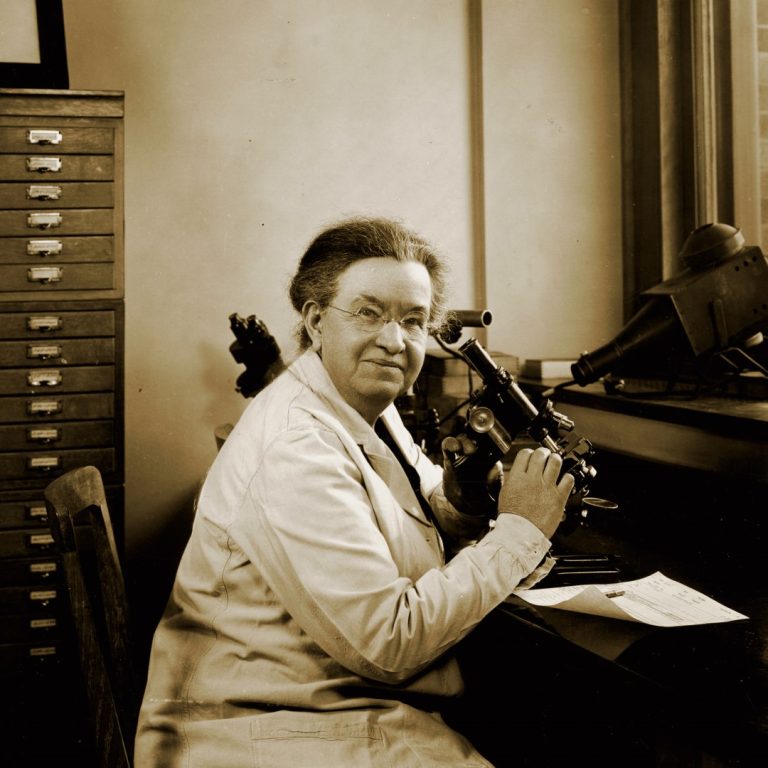
In 1871, Florence Sabin became the first woman to serve as a faculty member at Johns Hopkins. became…
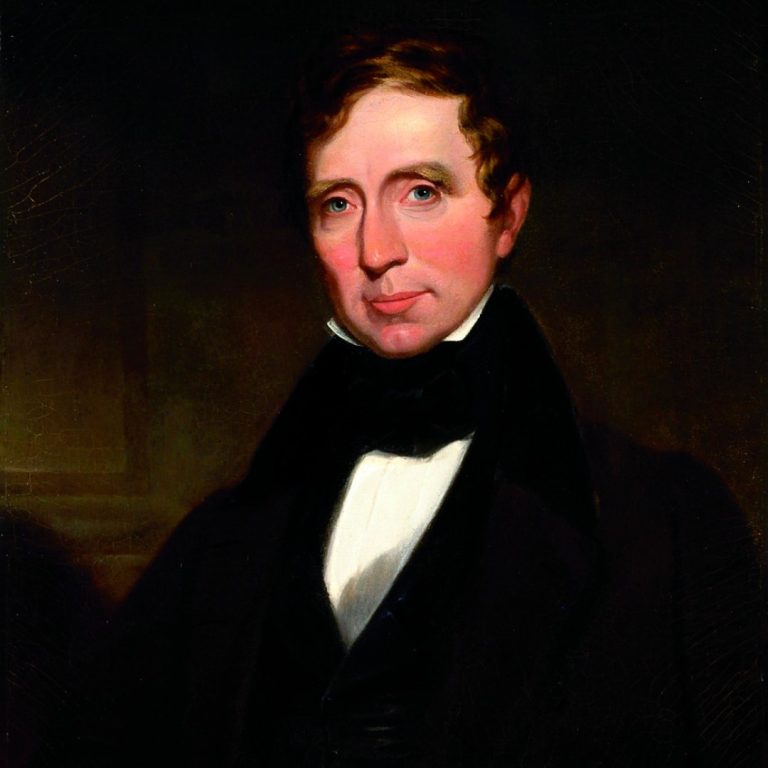
On Sept. 17, 1838, Emory College classes began for fifteen students. The College was founded in 1836 by…
In 1836, Emory College was founded by a group of Methodists in Newton County that dedicated themselves to…
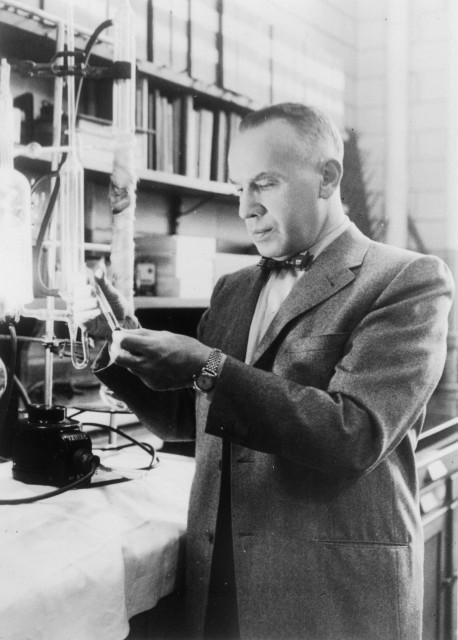
In 1927, Thimerosal was synthesized and patented by chemist Morris Kharasch at the University of Maryland. Thimerosal is…