OMRF researchers found that BRCA1 and BRCA2 genes may predict breast cancer risk in women
On May 24, 2001, Dr. Eldon Jupe and a team of Oklahoma Medical Research Foundation (OMRF) researchers found…
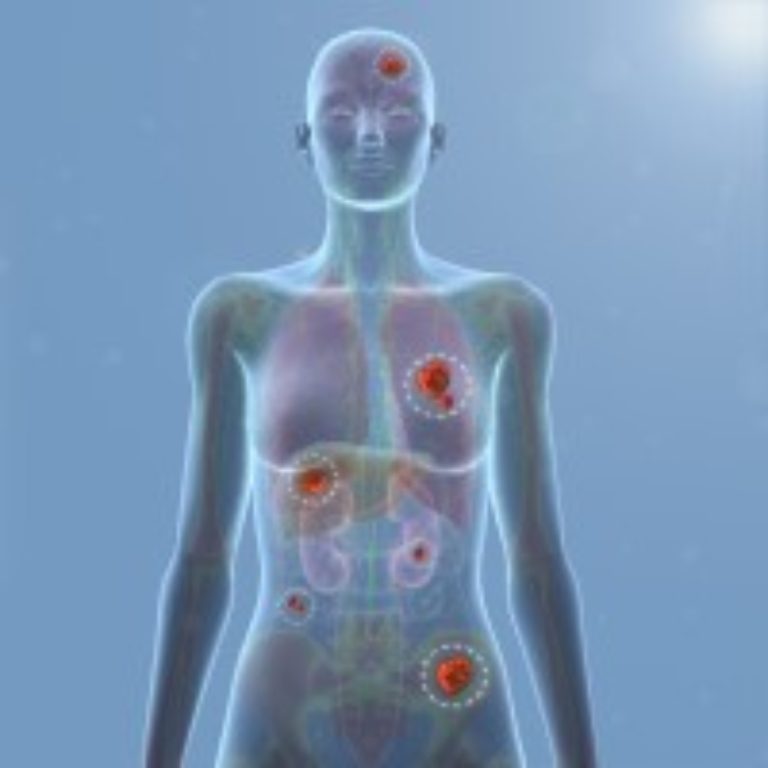
On May 24, 2001, Dr. Eldon Jupe and a team of Oklahoma Medical Research Foundation (OMRF) researchers found…

On Dec. 16, 2002, researchers at Stanford University Medical Center announced they were continuing a multi-year clinical trial…

On Oct. 17, 2001, the National Center on Birth Defects and Developmental Disabilities (NCBDDD) was established at the…

In 2001, the Regional Cancer Coalitions of Georgia were created by the General Assembly and Governor to ensure…
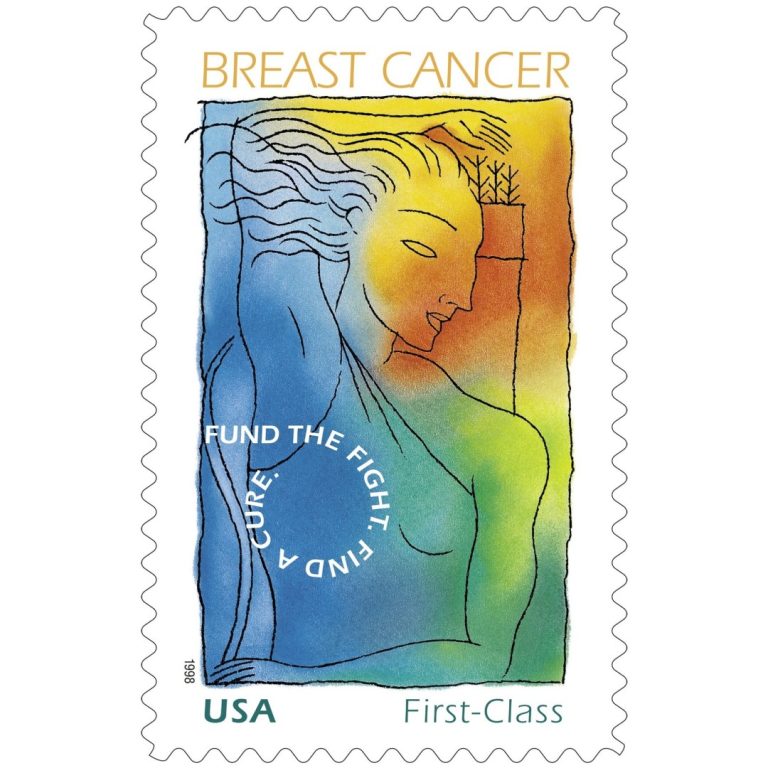
On Jul. 28, 2000, President Bill Clinton signed into law the Semipostal Authorization Act (P.L. 106-253), which gave…

On Jun. 7, 2000, President Clinton issued an Executive Memorandum that directed the Medicare program to revise its…
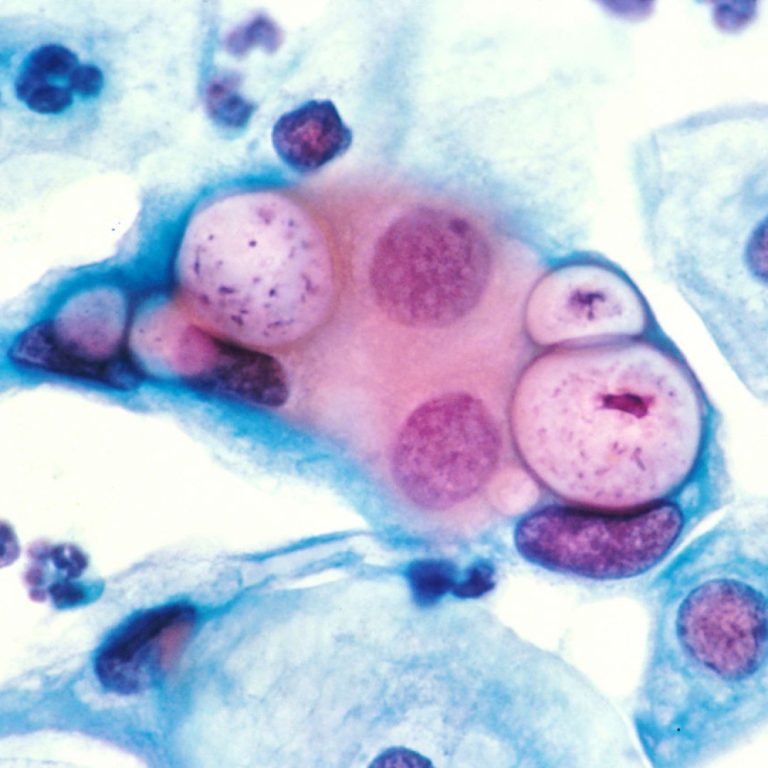
On Jun. 7, 1999, NeoPath merged with AutoCyte to form TriPath Imaging based in Burlington, N.C. NeoPath was…

On May 25, 1999. the Study of Tamoxifen and Raloxifene, or STAR, one of the largest breast cancer…

In 1999, Siteman Cancer Center investigators joined the STAR (Study of Tamoxifen and Raloxifene) trial for breast cancer…
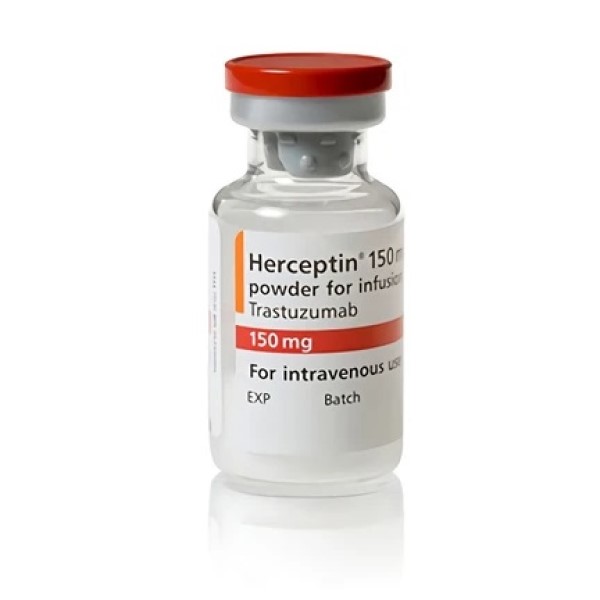
On Sept. 25, 1998, the U.S. Food and Drug Administration (FDA) approved the monoclonal antibody Herceptin (Trastuzumab) for…

On Sept. 14, 1998, researchers from the Breast Cancer Prevention Trial (BCPT) published a full report and update…
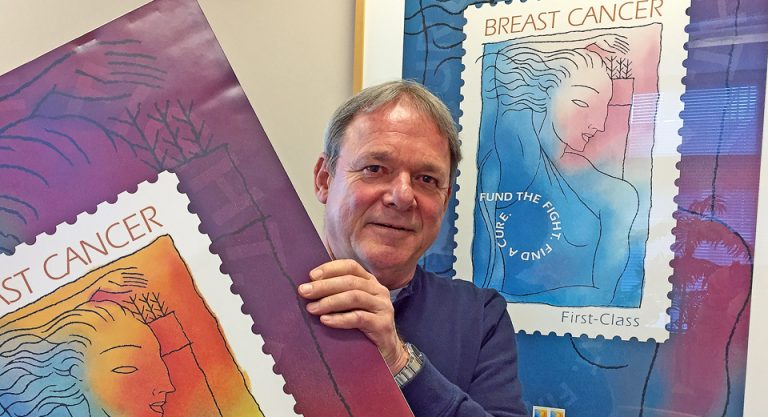
On Jul. 29, 1998, the Stamp Out Breast Cancer stamp was first issued. The driving force behind the…
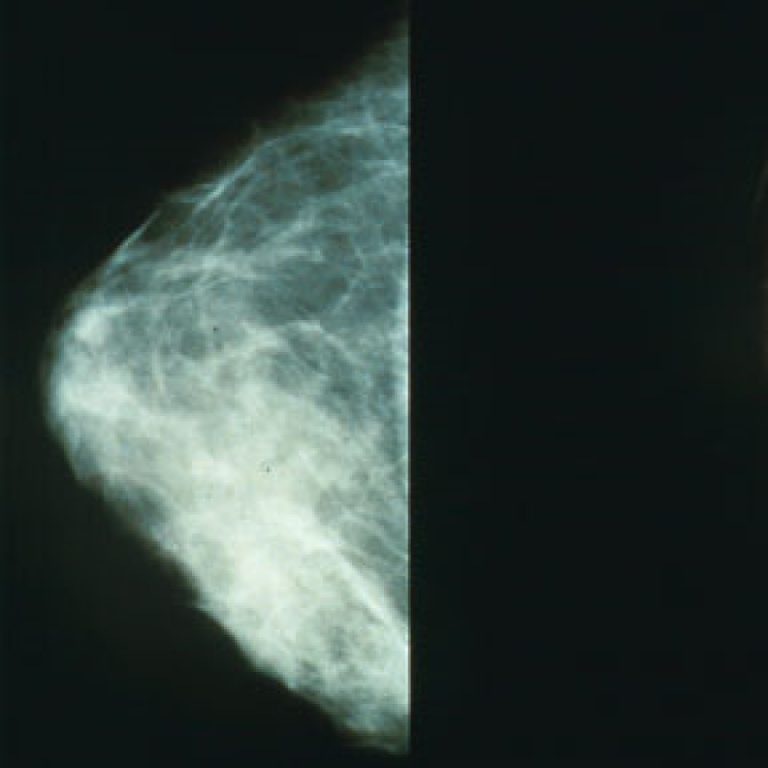
In 1998, the Mammography Quality Standards Reauthorization Act (MQSA) was passed by the U.S. Congress and continued the…
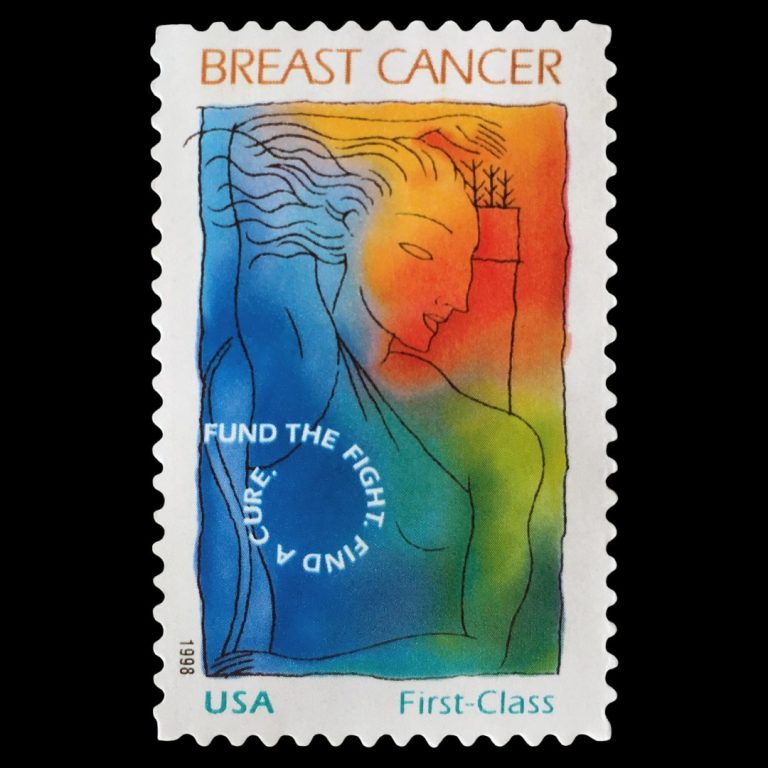
On Aug. 13, 1997, the Stamp Out Breast Cancer Act (PL 105-41) was signed into law by President…
On May 1, 1997, the American Cancer Society (ACS) published its recommended mammography screening interval for women ages…

In August 1997, the U.S. Congress passed legislation that directed the U.S. Postal Service to issue its first…

In 1997, the U.S. Centers for Disease Control and Prevention (CDC) convened a group that became the National…

In 1997, planning began for Oregon Health & Science University’s (OHSU) Center for Women’s Health, and an interim…

In 1997, anesthesiologist Joanne Conroy, M.D. became the first woman appointed as head of the University of South…

On Jul. 1, 1996, topotecan (Hycamptin), the first of a class of drugs that interferes with the enzyme…
In 1996, the National Cervical Cancer Coalition (NCCC), a growing coalition of people battling cervical cancer and HPV…

In 1996, the U.S. Centers for Disease Control and Prevention (CDC) found evidence of tobacco smoke exposure in…

Dec. 27, 1995, the U.S. Food and Drug Administration (FDA) approved anastrozole (Arimidex) as a treatment for breast…
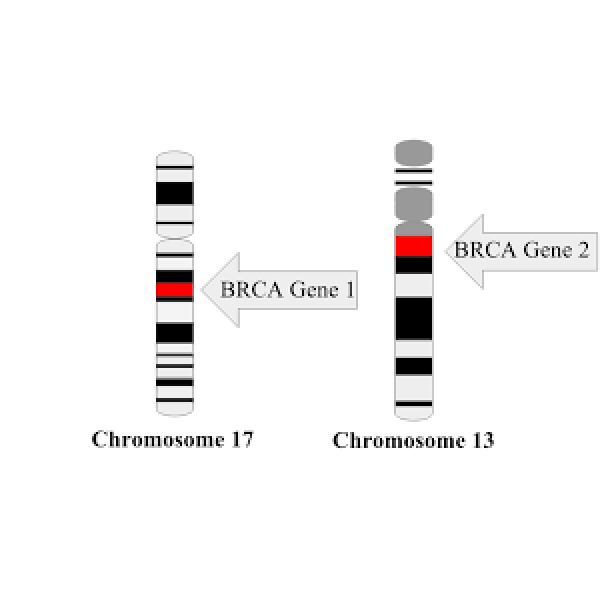
In 1995, the BRCA2 gene was mapped to chromosomal 13q. Just fifteen months later, Wooster et al. reported…
In 1995, scientists cloned the tumor suppressor genes BRCA1 and BRCA2, inherited genetic mutations that can predict an…
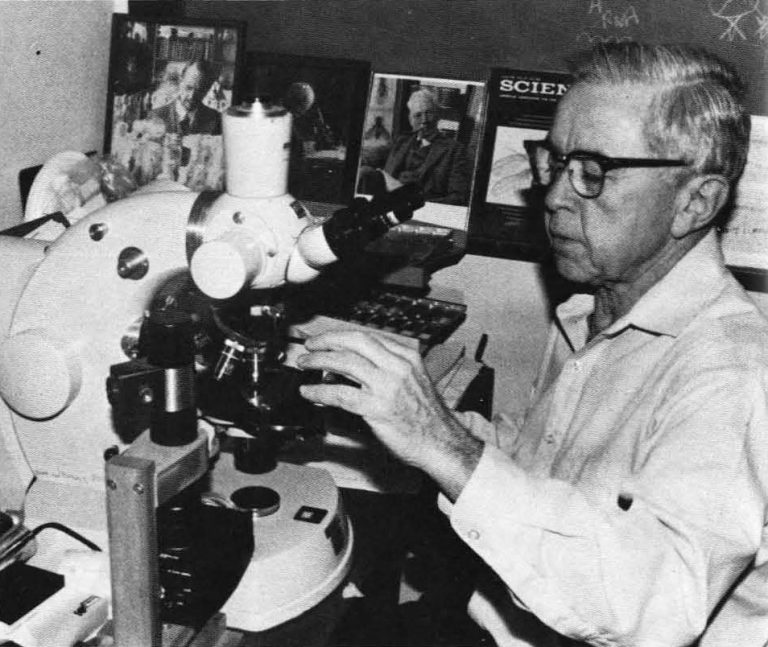
In 1995, Edward B. Lewis, Caltech graduate (Ph.D. 1942) and former faculty member, was awarded the Nobel Prize…

In 1995, Mary-Claire King, an internationally known human geneticist, was recruited to the University of Washington’s (UW) School…

On Oct. 7, 1994, a strong candidate for the 17q-linked BRCA1 gene, which influences susceptibility to breast and…

In 1994, the National Violence against Women Survey was created by the U.S. Centers for Disease Control and…

In 1994, Albert Einstein College of Medicine becomes the only New York City medical school selected by the…