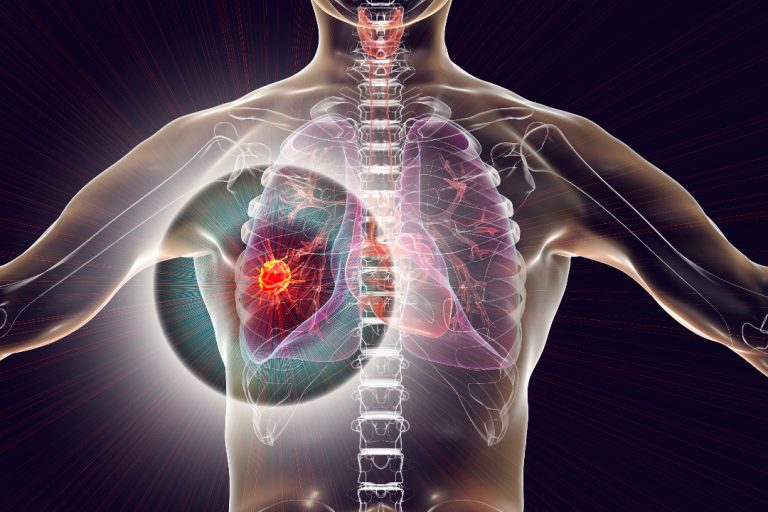
The Prostate, Lung, Colorectal, and Ovarian trial began recruiting 148,000 men and women, ages 55-74
In 1993, the Prostate, Lung, Colorectal, and Ovarian trial was launched. The trial was designed to determine whether…
On Dec. 18, 1992, Taxol (paclitaxel), an anticancer drug extracted from the bark of the Pacific yew, received…
On Oct. 27, 1992, the Mammography Quality Standards Act (MQSA) was passed (P.L. 102-539) by the U.S. Congress…
In 1992, the National Cancer Institute (NCI) awarded the Pacific Health Research Institute its largest and most enduring…
In 1991, the Women’s Health Initiative (WHI), sponsored by the National Heart, Lung, and Blood Institute (NHLBI), was…
In 1991, the U.S. Centers for Disease Control and Prevention (CDC) began developing a national strategic plan for…
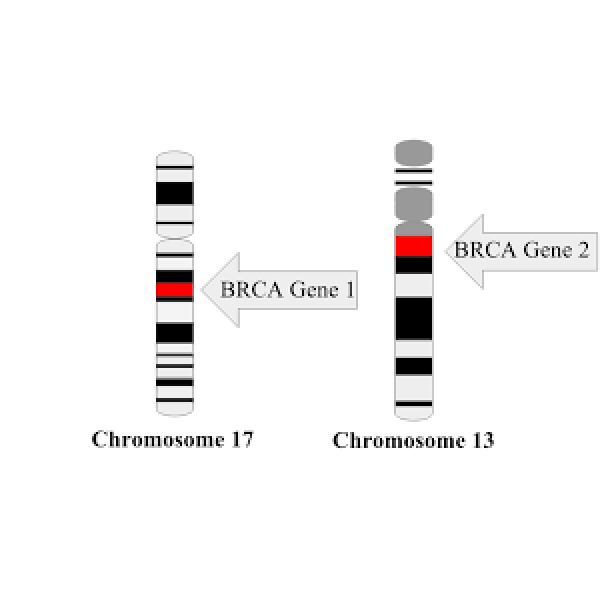
In 1990, Geneticist Mary-Claire King and her colleagues at the University of California, Berkeley (UC Berkeley) discovered BRCA1,…
On Mar. 3, 1989, the U.S. Food and Drug Administration (FDA) approved Bristol-Myers’ PARAPLATIN (carboplatin) for the treatment…
In 1989, Karmanos Cancer Institute researcher Dr. Soule developed MCF-10, an immortal line of normal human breast cells….
In 1989, the State Office of Rural Health became part of Oregon Health & Science University (OHSU) to…
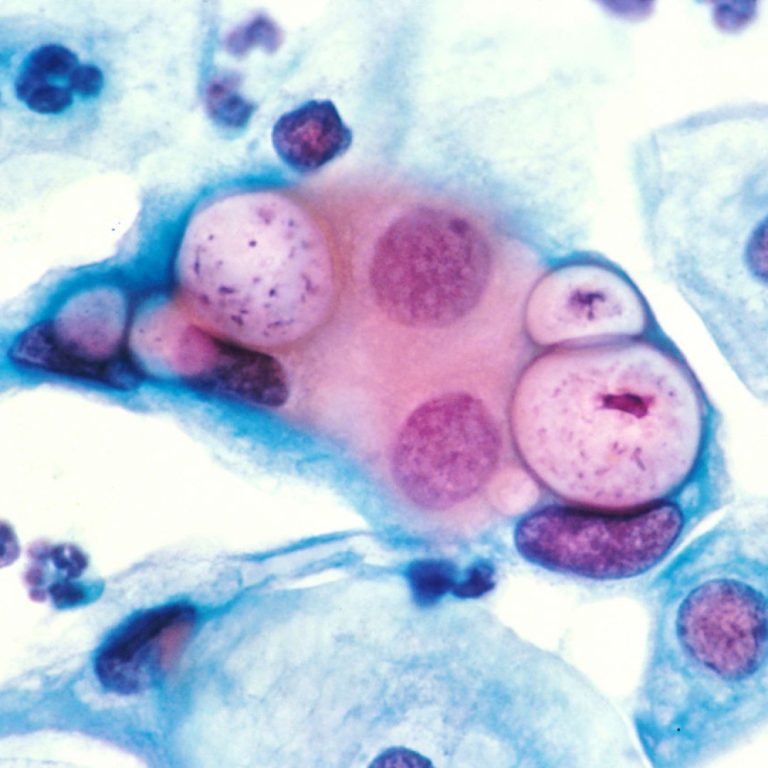
In December 1988, the National Cancer Institute (NCI) sponsored a workshop to address the standardization of cervical/vaginal cytopathology…
On Jul. 20, 1988, the U.S. Food and Drug Administration (FDA) announced that the Modernization Act of 1997…
In 1986, the human HER2 proto-oncogene was cloned. HER2 is also called neu and erbB2. This finding established…
In 1985, Lumpectomy plus radiation therapy was found equivalent to mastectomy for early breast cancer. Lumpectomy followed by…
In 1985, the HER2 oncogene was discovered by Axel Ullrich, a young scientist at Genentech. The new oncogene…
In 1983, The Meyer L. Prentis Comprehensive Cancer Center of Metropolitan Detroit now known as the Karmanos Cancer…
In 1982, the WISEST (Women in Scholarship, Engineering, Science & Technology) began at the University of Alberta when…
In May 1980, the U.S. Centers for Disease Control and Prevention (CDC) organized a task force to study…
In 1980, three of Boston’s oldest and most prestigious Harvard Medical School teaching hospitals – the Peter Bent…
In 1979, Modified radical mastectomy replaced radical mastectomy for breast cancer. The standard of care for patients with…
On Aug. 15, 1978, molecular biologist Lydia Villa-Komaroff was lead author of a paper published in the Proceedings…
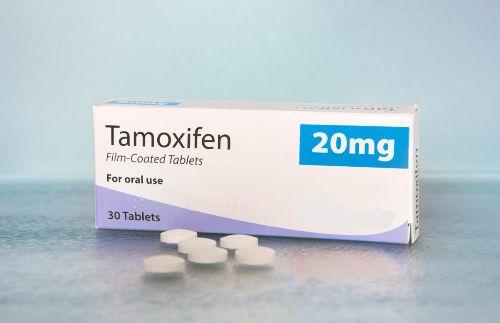
On Dec. 30, 1977, the U.S. Food and Drug Administration approved Tamoxifen, an anti-estrogen drug, for the treatment…
On May 12, 1977, the Program for the Introduction and Adaptation of Contraceptive Technology (PIACT) was founded by…
In 1977, Dr. Henry Friesen of McGill University discovered the hormone prolactin and defined its role as a…
In 1976, Albert Einstein Cancer Center researchers identified the mechanism of action of Taxol, one of the most…
In 1974, the National Cancer Institute (NCI) chose the Pacific Health Research Institute (PHRI) to undertake the ‘Breast…
On Nov. 28, 1973, the Environmental Protection Agency (EPA) Administrator Russell E. Train announced the final regulations to…
In 1973, clinicians at the Boston Hospital for Women, now part of Brigham and Womenメs, developed noninvasive fetal…
In 1971, the U.S. Centers for Disease Control and Prevention (CDC) investigated lead exposure in El Paso, Texas,…
In 1970, the U.S. Food and Drug Administration (FDA) required the first patient package insert: oral contraceptives must contain…