former U.S. President Jimmy Carter brokered a six-month cease-fire in Sudan to help eradicate Guinea worm disease
On Mar. 27, 1995, former U.S. President Jimmy Carter brokered a six-month cease-fire in Sudan to help eradicate…

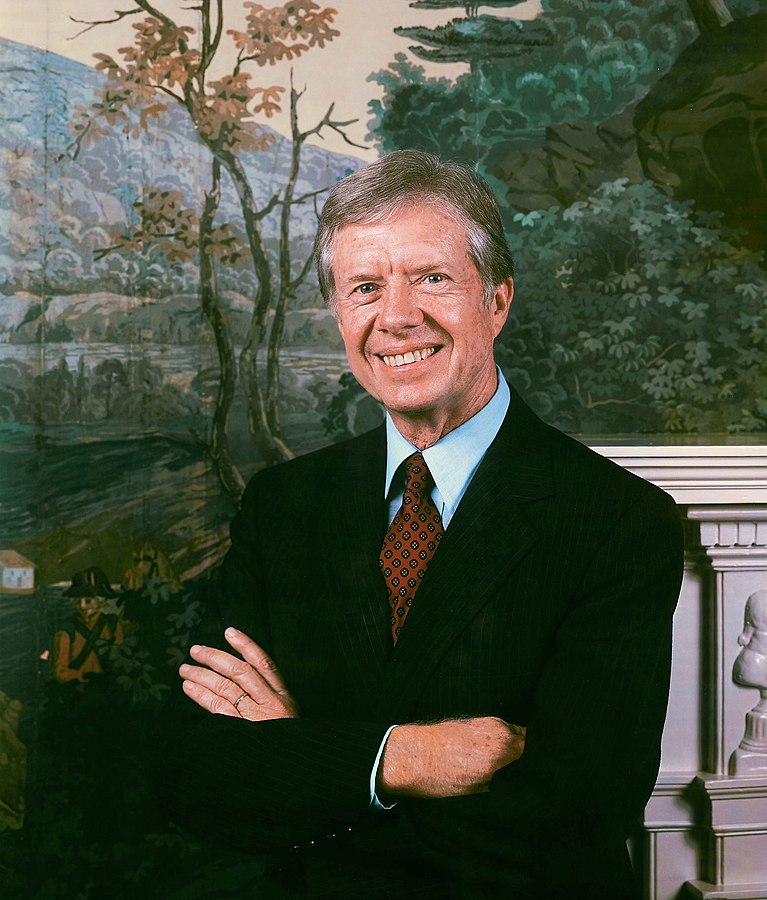
On Mar. 27, 1995, former U.S. President Jimmy Carter brokered a six-month cease-fire in Sudan to help eradicate…
On Aug. 20, 1994, the entire Western Hemisphere was certified as “polio-free” by the International Commission for the…
In March 1994, the Global Programme for Vaccines and Immunization was created, merging two World Health Organization (WHO)…
On Dec. 10, 1992, the Japanese encephalitis (JE) virus vaccine inactivated (JE-Vax by Research Foundation for Microbial Diseases…
On Dec. 3, 1992, The United Nations (UN) General Assembly proclaimed Dec. 3 as the International Day of…
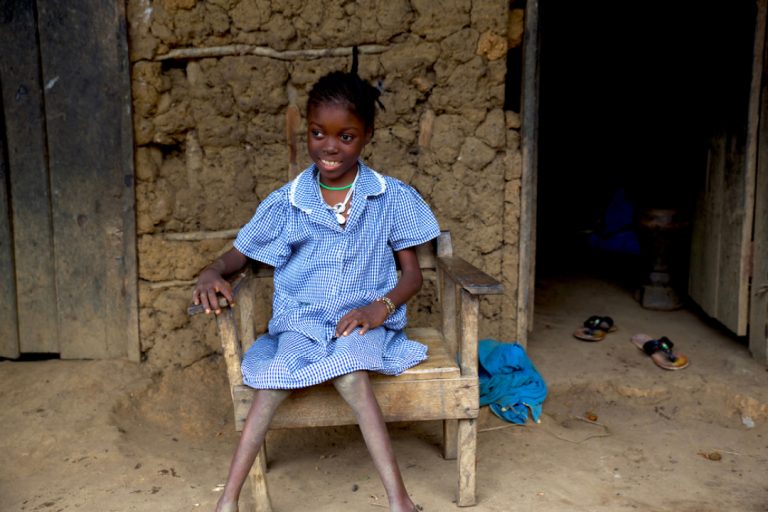
In 1990, the Global Polio Laboratory Network (GPLN) was formally established by the World Health Organization (WHO), national…

In 1990, the Safe Water System (SWS) was developed by the U.S. Centers for Disease Control and Prevention…
In 1989, the U.S. Centers for Disease Control and Prevention (CDC) established a World Health Organization (WHO) collaborating…
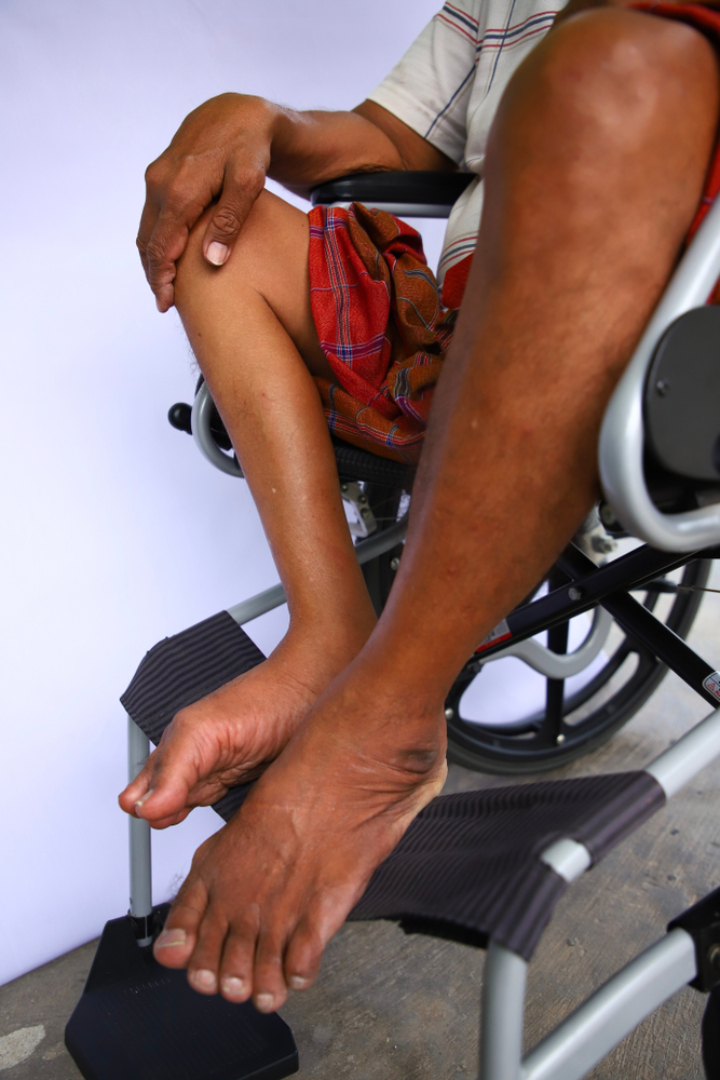
On Mar. 11, 1988, the World Health Assembly (the ministers of health of all member states of the…
In 1988, the World Health Assembly adopted a resolution for the worldwide eradication of polio, marking the launch…
On Feb. 1, 1987, the World Health Organization (WHO) launched its Global Program on AIDS as the architect…
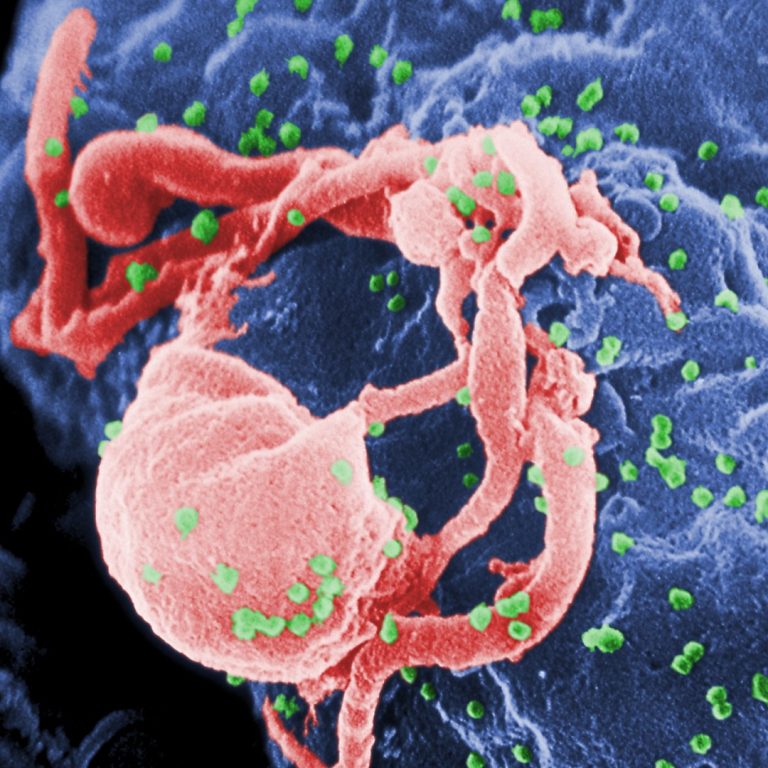
In Apr. 15, 1985, the first International AIDS conference, held in Atlanta, Georgia, was organized by the WHO,…

In 1985, the U.S. Department of Agriculture’s (USDA) Germplasm Resources Information Network (GRIN), the remnant of the effort…
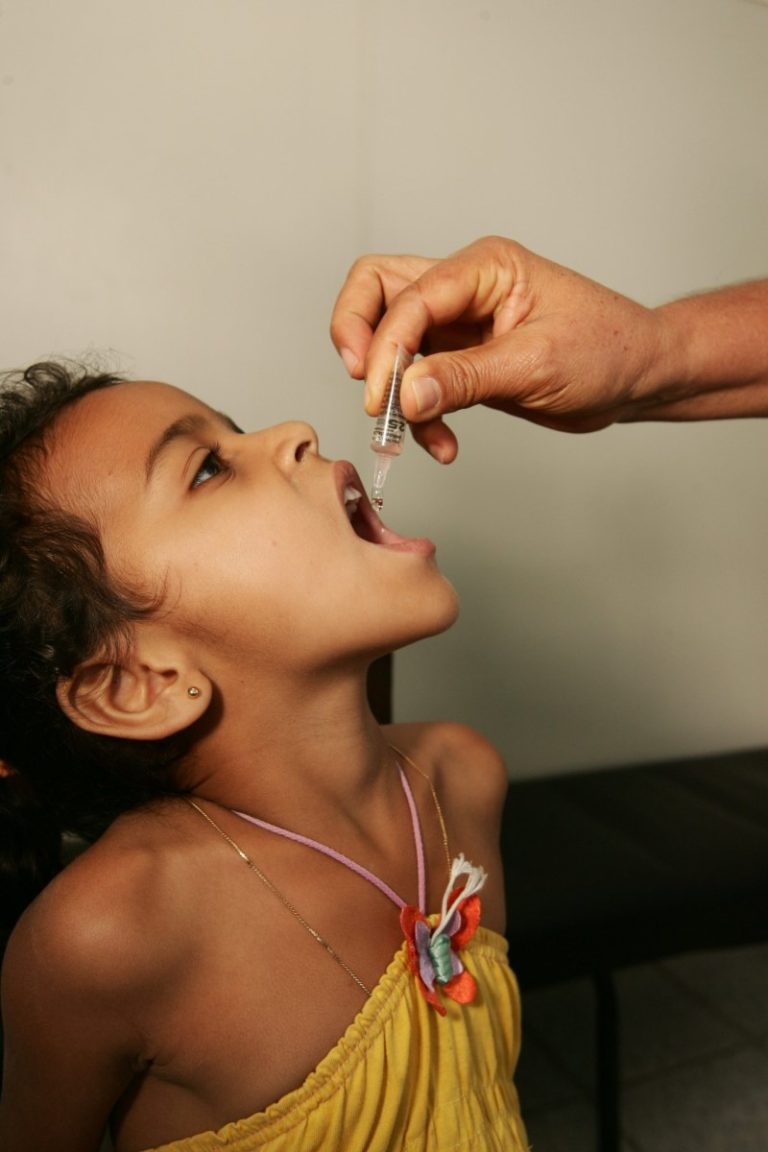
In 1985, Rotary International established its PolioPlus program, which held two fundraising events. Rotary has contributed over $500…
In 1983, at the 22nd session of the Food and Agriculture Organization (FAO), germplasm becomes a political football…
On Nov. 25, 1981, at the 21st session of the Food and Agriculture Organization (FAO) Conference in Rome,…
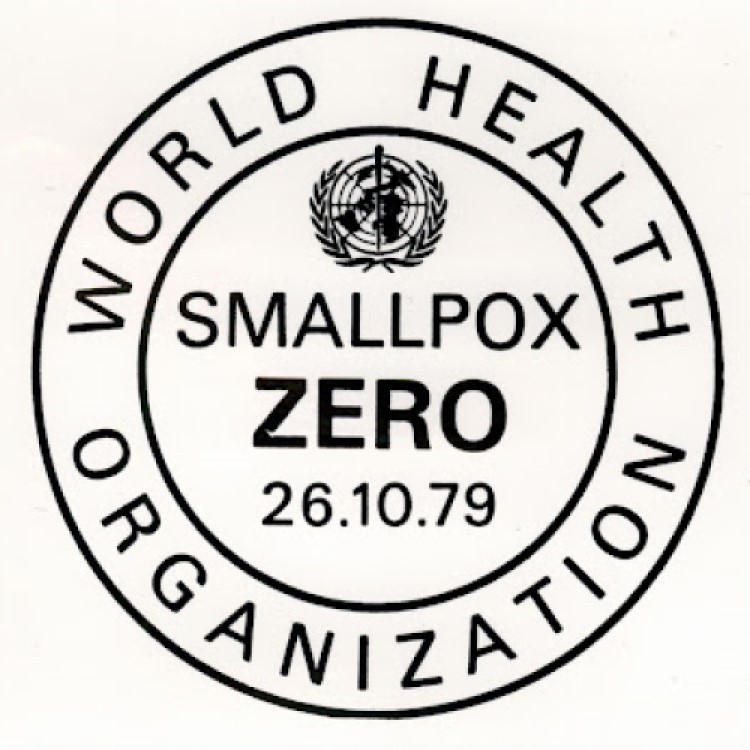
On May 8, 1980, members of the World Heath Organization (WHO) in Geneva announced that “smallpox had been…
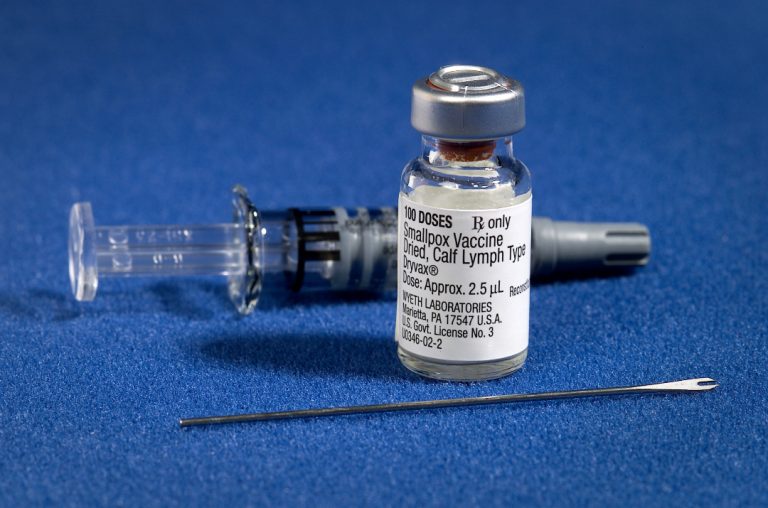
On May 8, 1980, the World Health Assembly certified the world free of naturally-occurring smallpox. Smallpox is an…
On Oct. 30, 1977, Ali Maow Maalin, a hospital cook in Merca, Somalia, was diagnosed with smallpox by…
In 1977, the International Board for Plant Genetic Resources (IBPGR) having inherited from the Food and Agriculture Organization’s…
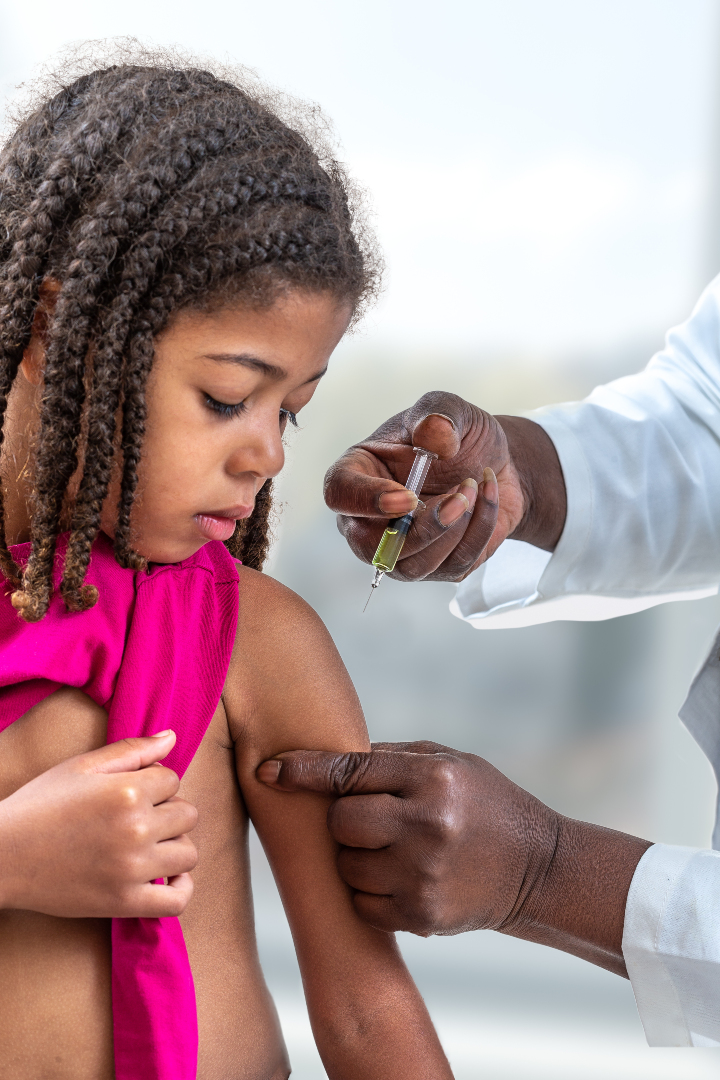
In 1975, The World Health Assembly passed a resolution to create the Expanded Programme on Immunization (EPI) to…

In 1974, Bioversity International was established as the International Board for Plant Genetic Resources (IBPGR) to coordinate an…
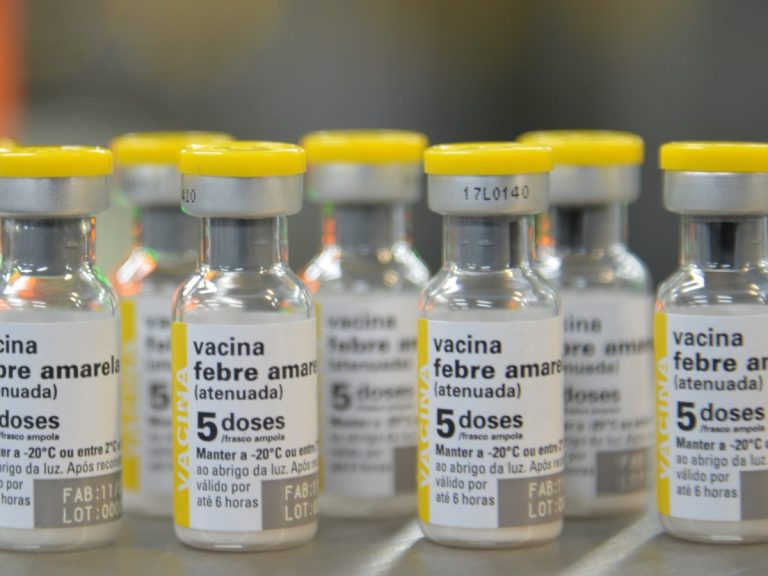
In 1974, the Expanded Programme on Immunization was created within World Health Organization (WHO) in response to poor…
In 1971, The Plant Genetic Resources Newsletter was one of Bioversity Internationalメs flagship publications. Though no longer published,…
In 1969, The FAO’s Crop Ecology Unit sponsored the first attempt to develop a standardized, computerized data bank…
In 1969, a survey by the FAO’s Crop Ecology Unit reveals that only 28% of the approximately two…
In 1968, The FAO created a Crop Ecology and Genetic Resources Unit to act as a clearinghouse for…
On Sept. 18, 1967, the Food and Agriculture Organization of the United Nations (FAO) and the International Biological…
In 1967, the Global Smallpox Eradication Program was launched by WHO. During the first year of the program,…
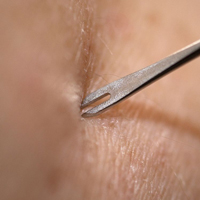
In 1965,tThe bifurcated needle for smallpox vaccine was introduced. In 1961 the bifurcated needle was developed as a…