The Genome Sequencing Center at Washington University – St Louis completed sequencing of one third of the human genome
On Dec. 2, 1999, an international team of researchers at the Sanger Centre near Cambridge, England; University of…

On Dec. 2, 1999, an international team of researchers at the Sanger Centre near Cambridge, England; University of…
On Nov. 19, 1999, National Colorectal Cancer Awareness Month was established with a declaration by the U.S. Senate,…
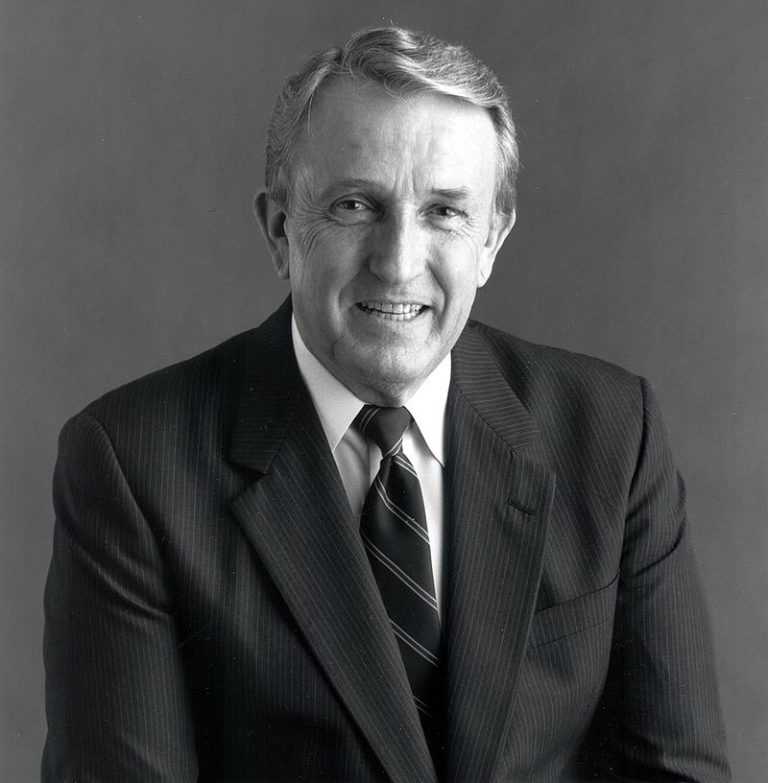
On Jun. 9, 1999, the Dale and Betty Bumpers Vaccine Research Center (VRC) was established at the National…
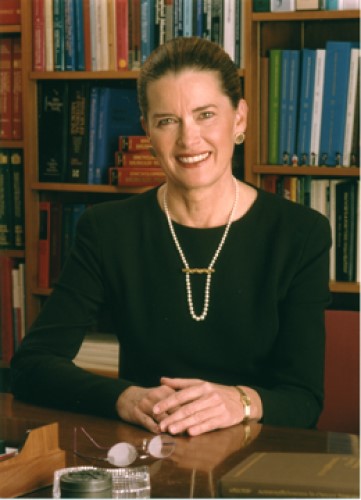
On Jan. 17, 1999, Jane E. Henney, M.D., appointed by President Bill Clinton, became the first woman to…

On Dec. 2, 1998, the Pediatric Rule was implemented that required drug manufacturers to study the efficacy and…

On Nov. 6, 1998, developmental biologist James Thomson of the University of Wisconsin–Madison published a paper describing how…
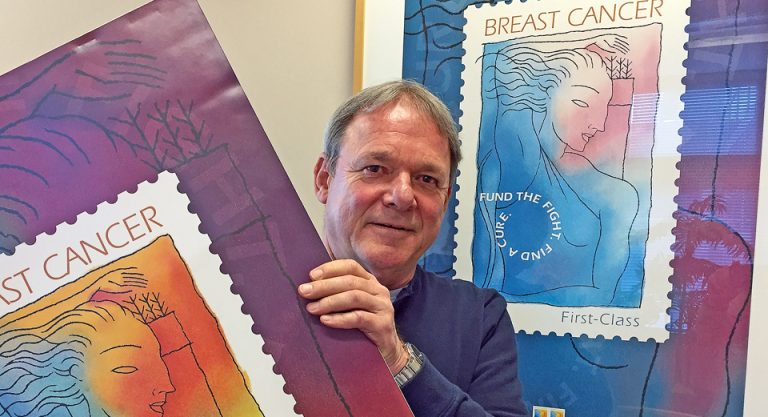
On Jul. 29, 1998, the Stamp Out Breast Cancer stamp was first issued. The driving force behind the…
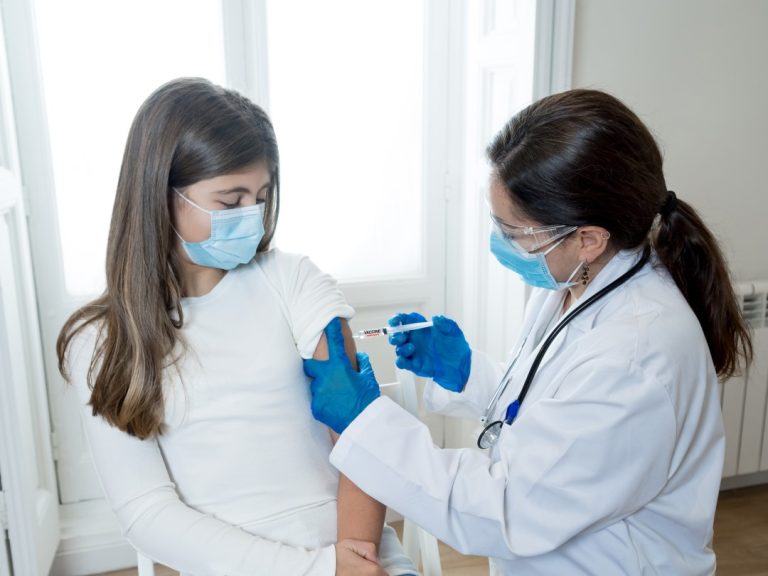
On Jul. 20, 1998, the U.S. Food and Drug Administration (FDA) announced that the Modernization Act of 1997…

On Feb. 14, 1998, National Donor Day was started by the Saturn Corporation and its United Auto Workers…
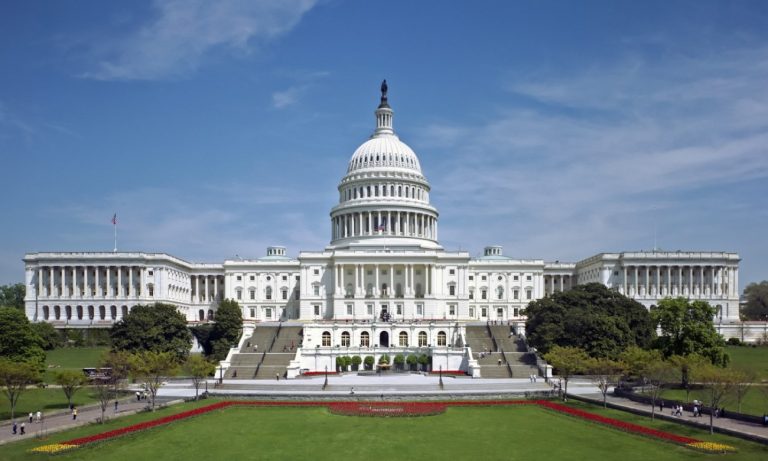
In 1998, the Mammography Quality Standards Reauthorization Act (MQSA) was passed by the U.S. Congress and continued the…
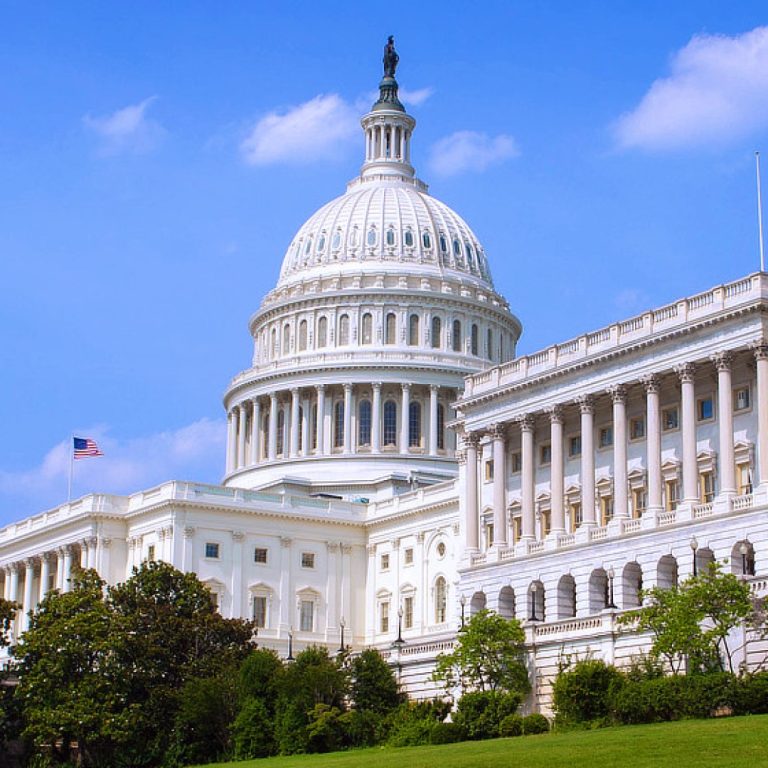
On Nov. 21, 1997, the U.S. Food and Drug Administration (FDA) Modernization Act (FDMA) was signed into law…

On Nov. 4, 1997, Vice President Al Gore and Senator Mark O. Hatfield attended groundbreaking ceremonies for the…
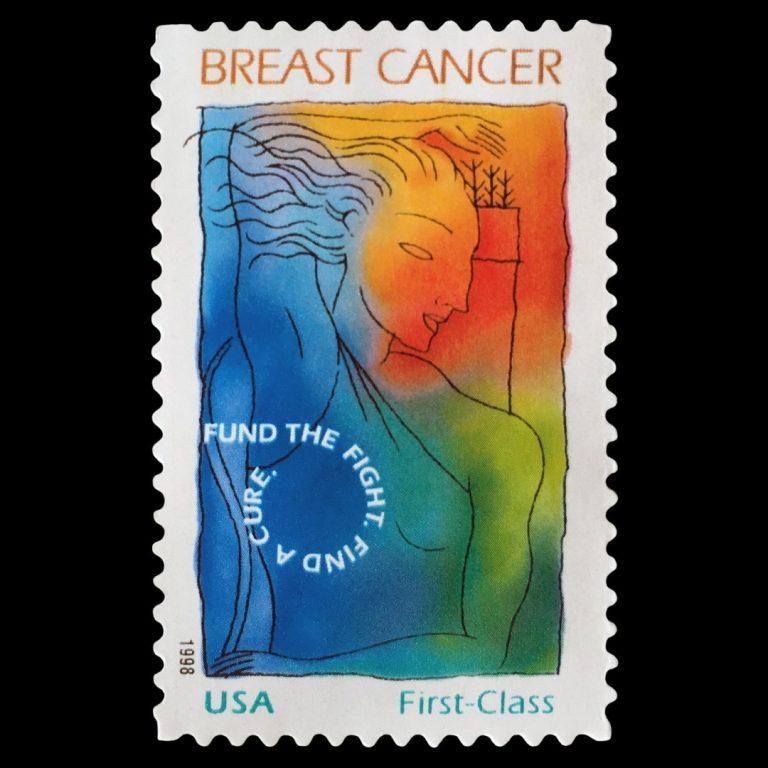
On Aug. 13, 1997, the Stamp Out Breast Cancer Act (PL 105-41) was signed into law by President…

On Jul. 29, 1997, the National Cancer Institute (NCI) released information that nuclear testing during the 1950s could…

On Mar. 4, 1997, President Clinton issued an executive order that banned federal funds for cloning experiments. This…

In August 1997, the U.S. Congress passed legislation that directed the U.S. Postal Service to issue its first…

In 1997, the National Space Biomedical Research Institute (NSBR) was established in Houston through a NASA Cooperative Agreement….
On Aug. 3, 1996, the Food Quality Protection Act, unanimously passed by the U.S. Congress, became effective and…
In 1996, food poisoning in the U.S. cost an estimated $22 billion, according to a congressional study. In…
On Dec. 6, 1995, the U.S. Congress repealed the saccharin notice requirements. The store warning notice requirement was…

In 1995, the FDA declared cigarettes to be “drug delivery devices.” Restrictions were proposed on marketing and sales…
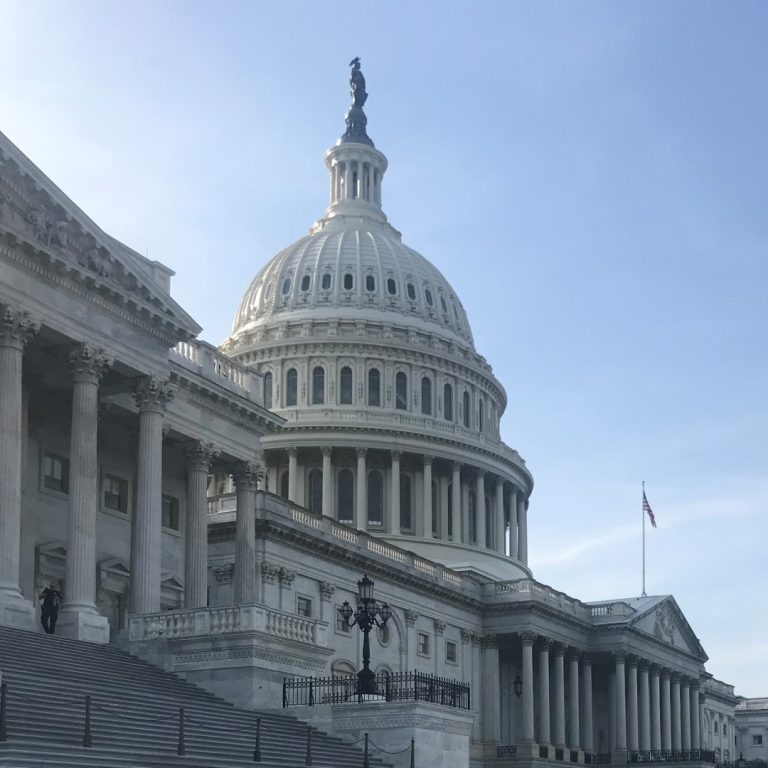
In 1995, the Dickey-Wicker Amendment, named after Representative Jay Dickey (R) from Arkansas, was passed by the U.S….

In 1995, Senator Mark Hatfield received the Albert Lasker Public Service Award “For energetic leadership and enduring advocacy…
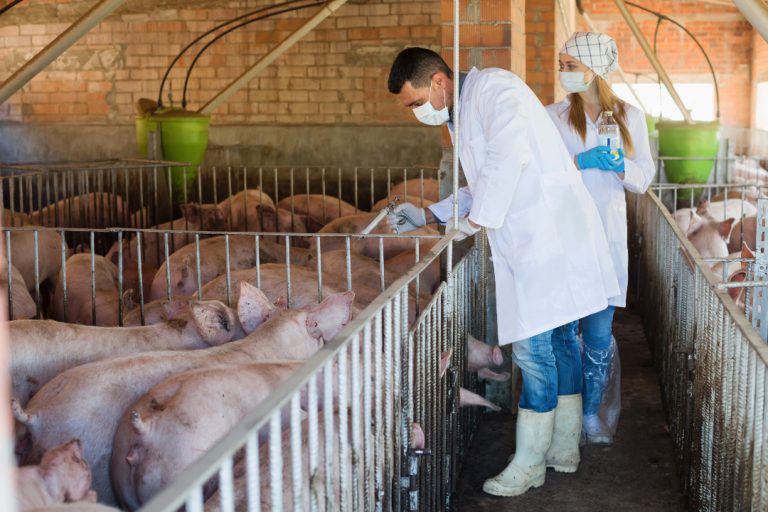
On Oct. 22, 1994, the Animal Medicinal Drug Use Clarification Act (AMDUCA) permits veterinarians to prescribe extralabel uses of…
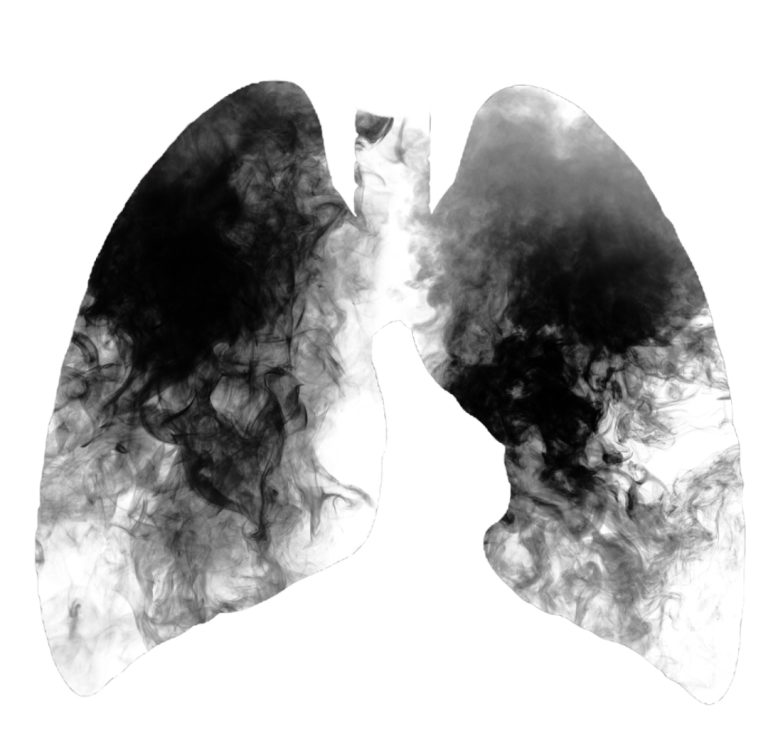
On Feb. 25, 1994, the U.S. Food and Drug Administration (FDA) announced it could consider regulating regulating tobacco…

In 1994, the DNA Identification Act authorized the establishment of a national index of: (1) DNA identification records…
On Aug. 10, 1993, in response to a growing measles epidemic, the U.S. Congress created the National Vaccine…
On Jun. 10, 1993, the U.S. Congress signed the National Institutes of Health Revitalization Act, P.L. 103-43. The…
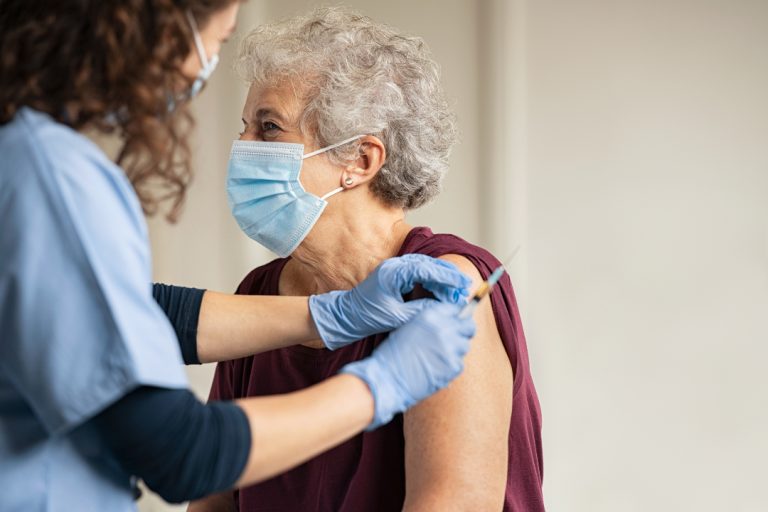
On May 1, 1993, the costs of influenza vaccine and its administration became a covered benefit under Medicare…

In 1993, the U.S. Food and Drug Administration (FDA) declared genetically-engineered foods are not inherently dangerous and do…