Johnson & Johnson, the parent company of McNeil, issued a nationwide recall of Tylenol products
On Oct. 5, 1982, Johnson & Johnson, the parent company of McNeil, issued a nationwide recall of Tylenol…


On Oct. 5, 1982, Johnson & Johnson, the parent company of McNeil, issued a nationwide recall of Tylenol…
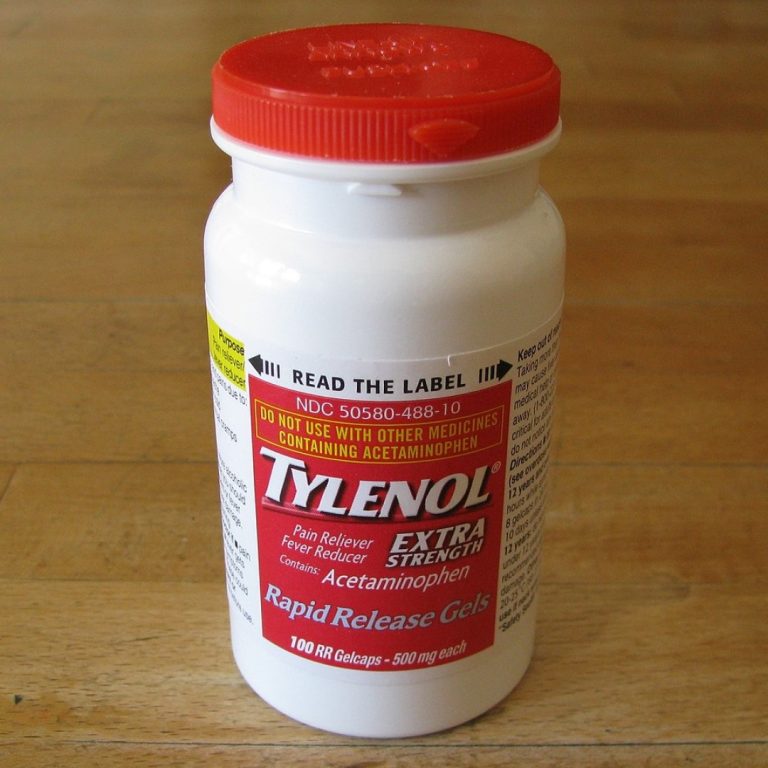
On Sept. 29, 1982. the first of seven victims died after taking a capsule of Extra-Strength Tylenol. On…
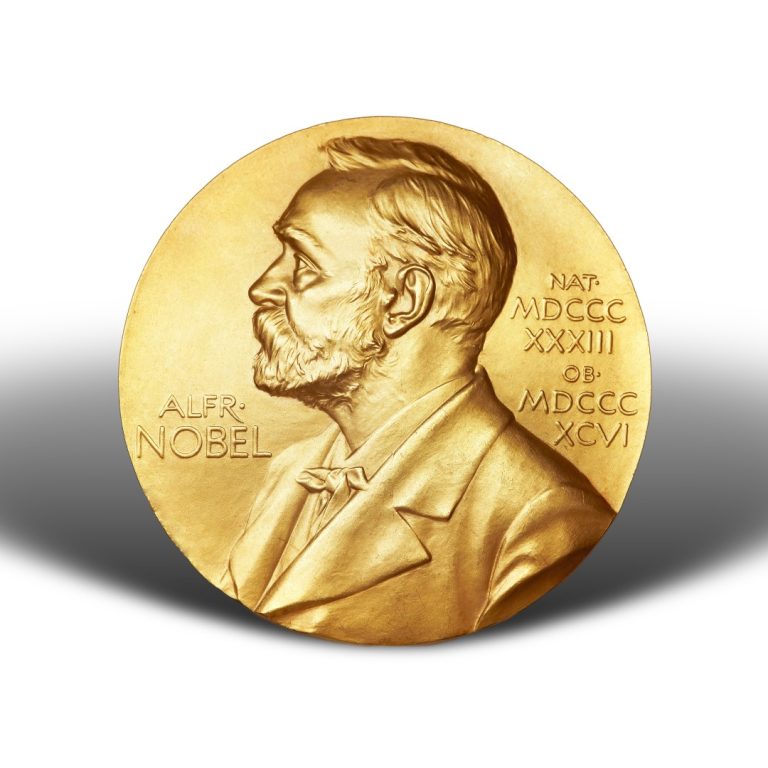
In 1982, the Nobel Prize in Physiology or Medicine was awarded jointly to Sune K. Bergstrom, Bengt I….

In 1982, the National Cancer Institute’s (NCI) Physician Data Query (PDQ) cancer information database went online. PDQ is…

In 1982, Merck Frosst Canada was created through the restructuring of Merck & Co., Charles E. Frosst, and…

On Jun. 8, 1981, Genzyme was founded by Sheridan Snyder, George M. Whitesides and scientist Henry Blair, with…
On Jan. 27, 1981, the U.S. Food and Drug Administration (FDA) and the U.S. Department of Health and…
On Dec. 12, 1980, the U.S. Congress enacted the Bayh-Dole Act (P.L. 96-517, Patent and Trademark Act Amendments of…

In 1980, Schering-Plough Animal Health introduced Intra-Trac vaccines for kennel cough in dogs. For years, Iowa State University…

In 1980, Genetic Systems was founded in Seattle as a monoclonal antibody-based diagnostic company by Robert Nowinski of…
In 1979, Centocor was founded – one of the nation’s first biotechnology companies best known for developing Remicade…
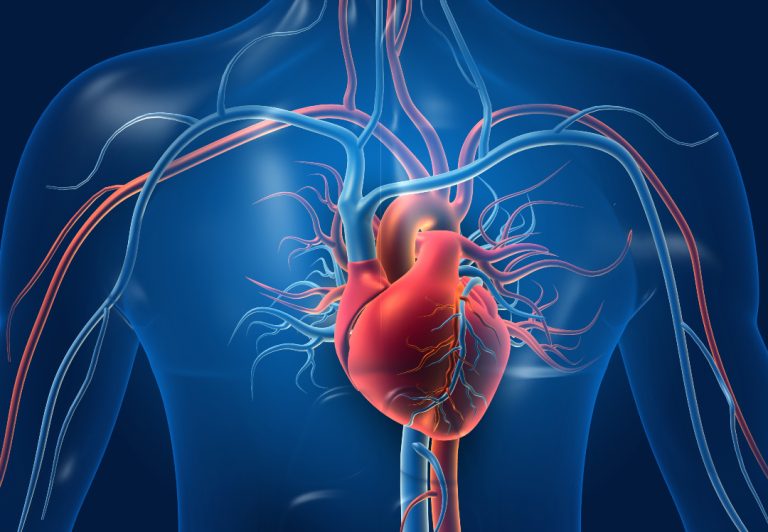
On Jul. 13, 1978, Ontario researchers published the results of a study led by Dr. Henry Barnett that…

In 1978, Biogen was established in 1978 by a group of scientists and three venture capitalists as Biogen…
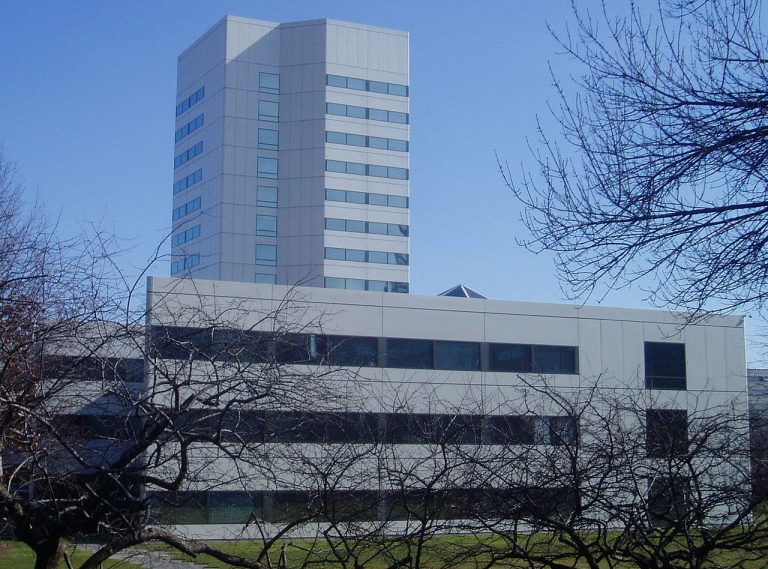
In 1978, Johnsonᅠ & ᅠJohnson announced plans to build their new World Headquarters in New Brunswick, New Jersey….

In 1976, the Center for the Study of Drug Development (CSDD) at the University of Rochester in Rochester,…

In 1975, Bend Research was founded in 1975 by Harry Lonsdale and Richard Baker using the SBA’s Small…
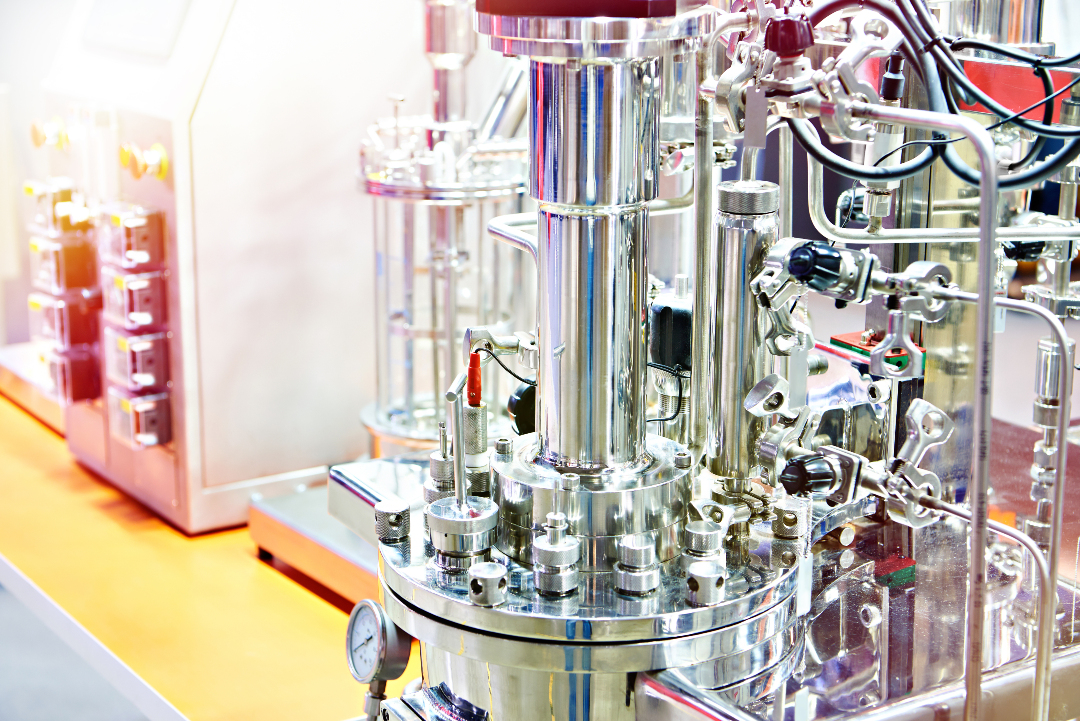
In Jul. 1974, In the Division of Pharmaceutical Service at the University of Iowa began producing cGMP compliant…

On Jun. 18, 1973, the U.S. Supreme Court upheld the 1962 drug effectiveness law and endorsed Food and…
In 1971, the Food and Drug Administration approved using naloxone to treat overdoses. Naloxone is also referred to…
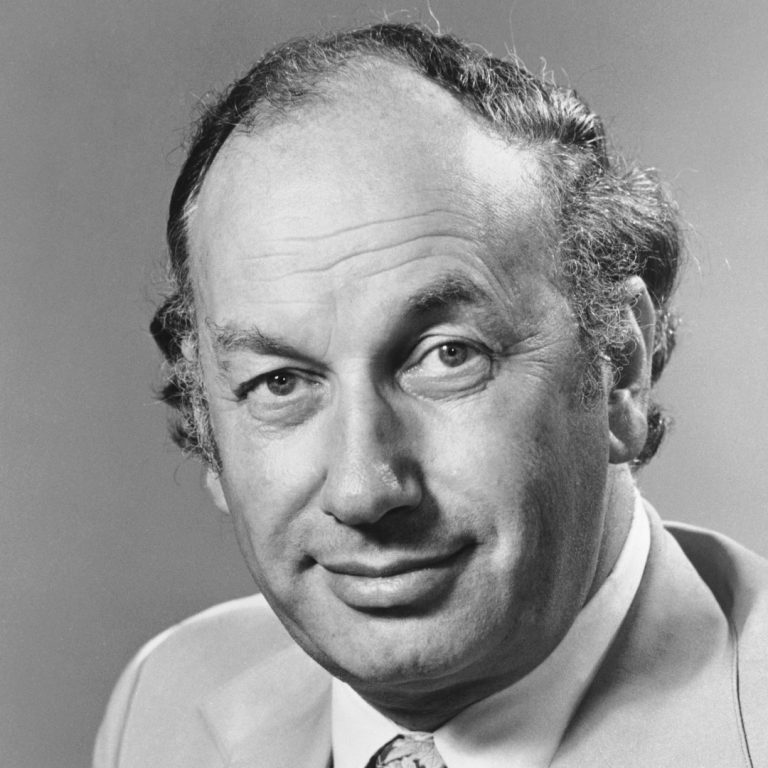
In 1971, John Vane discovered how aspirin worked, a finding that a daily low dose of aspirin prevents…
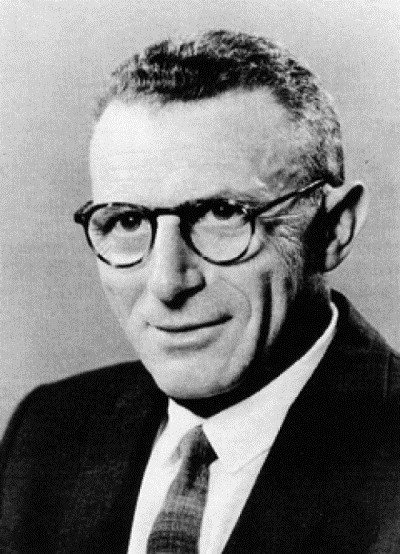
In 1970, the American Chemical Society awarded the Priestley Medal to Max Tishler ‘for his numerous contributions to…
On Feb. 27, 1970, in Upjohn v. Finch the Court of Appeals upheld enforcement of the 1962 drug…
In 1974, Bristol-Myers terminated it’s Palomar motion picture business. In 1972, Bristol-Myers formed Palomar Pictures, which produced ‘The…

In 1968, the U.S. Food and Drug Administration (FDA) formed the Drug Efficacy Study Implementation (DESI) to implement recommendations…
In 1967 the Fair Packaging and Labeling Act (FPLA or Act), enacted by the U.S. Congress directs the…
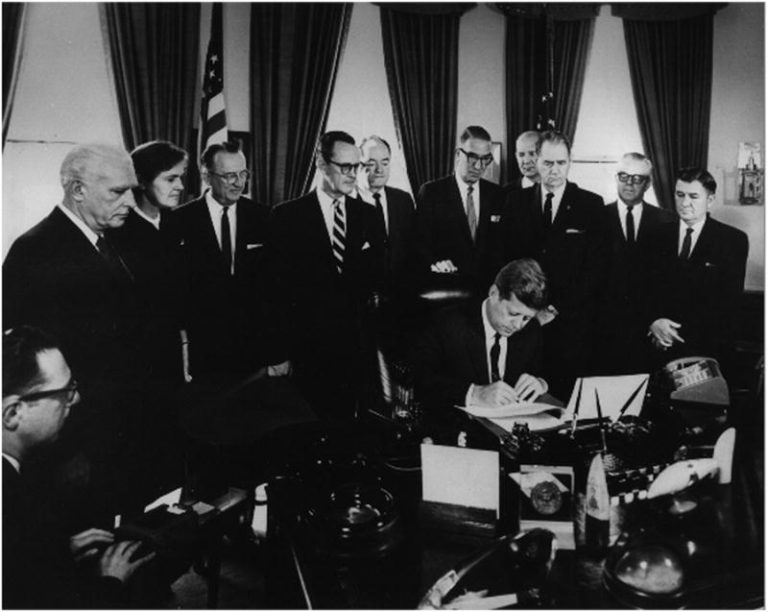
On Jun. 20, 1963, the U.S. Food and Drug Administration (FDA) announced three sets of regulations governing “the…

In 1963, Australian pathologist R.D.K. Reye first described this syndrome. National surveillance led to strict warnings regarding aspirin…
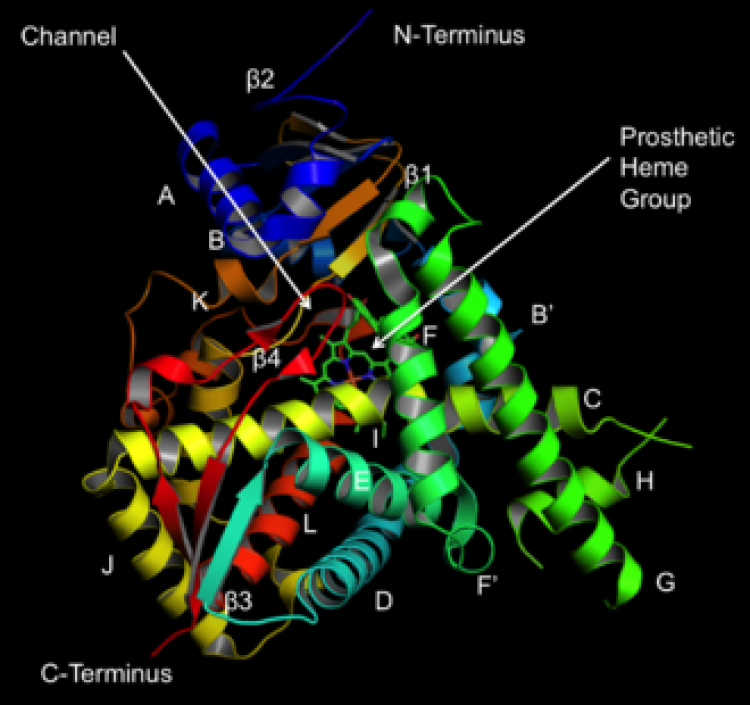
In 1962, the first paper on ‘cytochrome P450’ (P450) was published. It reported the hemoprotein nature of ‘microsomal…
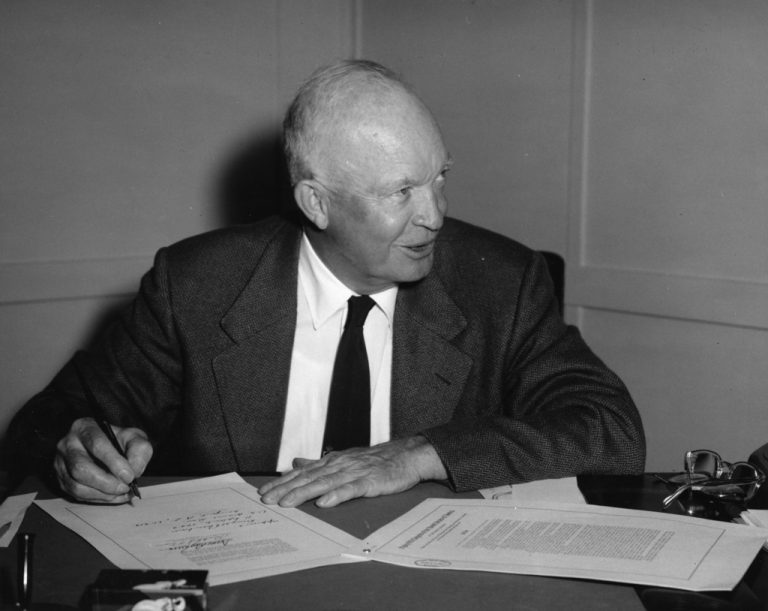
On Jul. 29, 1958, President Dwight Eisenhower signed the National Aeronautics and Space Act (NASA), leading to the…
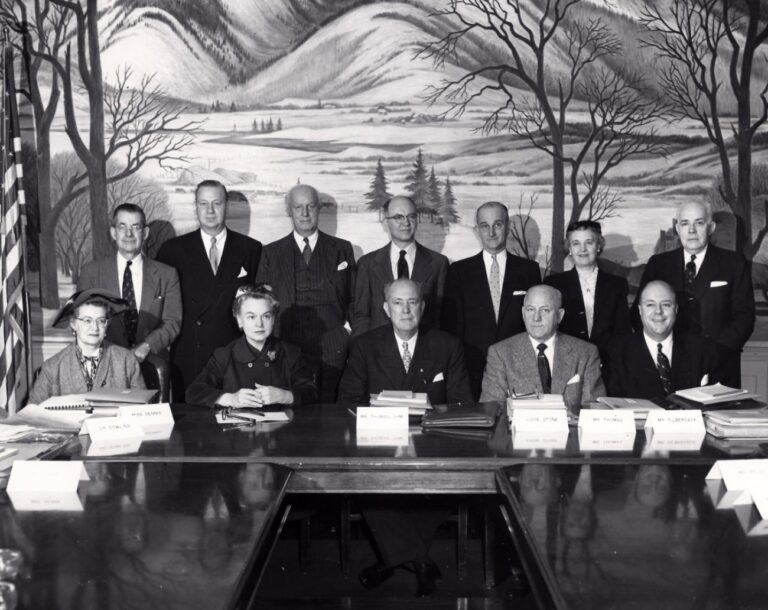
On Feb. 3, 1955, the U.S. Food and Drug Administration’s (FDA) first Citizens Advisory Committee (CAC) met in…