Ignaz Semmelweis discovered puerperal fever could be reduced with chlorine solution hand washing
In 1846, Ignaz Philipp Semmelweis, known as the ‘Savior of Mothers,’ discovered that cases of puerperal fever, also…
In 1846, Ignaz Philipp Semmelweis, known as the ‘Savior of Mothers,’ discovered that cases of puerperal fever, also…
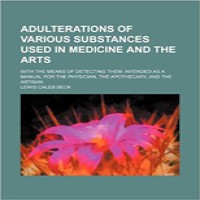
In 1846, Lewis Caleb Beck’s published “Adulteration of Various Substances Used in Medicine and the Arts,” one of…
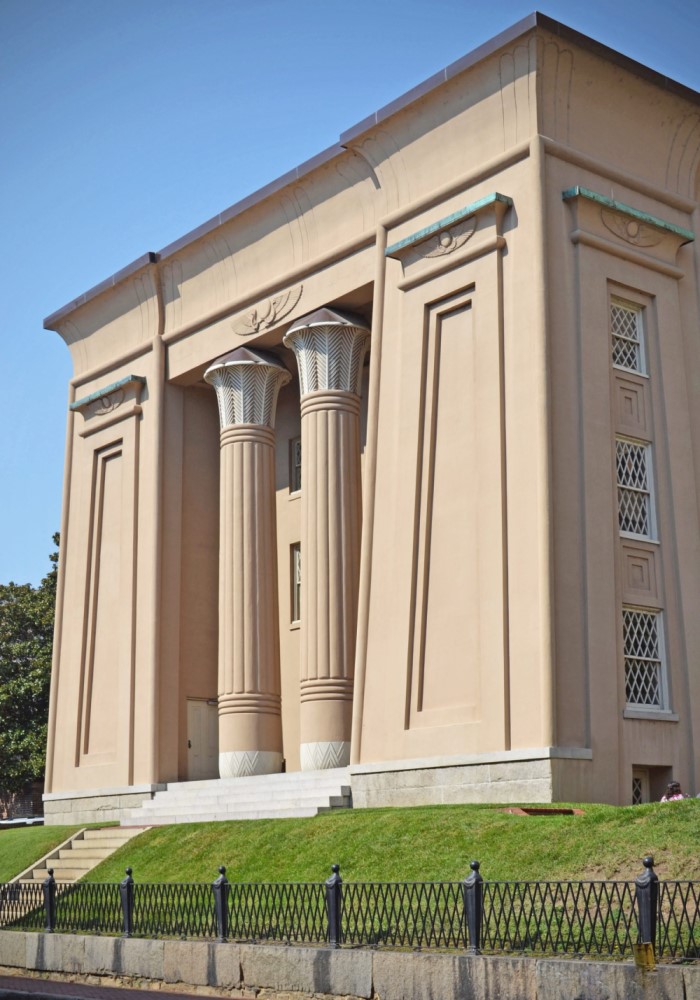
In 1844, The Medical Department of Hampden-Sydney College moved into its first permanent home, the Egyptian Building.
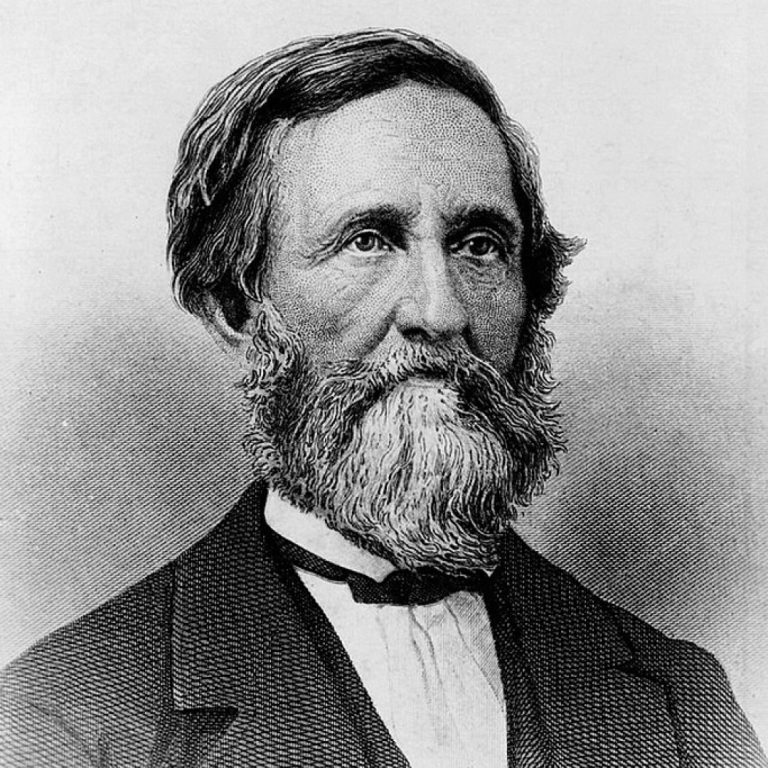
On Mar. 30, 1842, Dr. Crawford Long, an American physician and pharmacist in Jefferson, Georgia, used ether for…
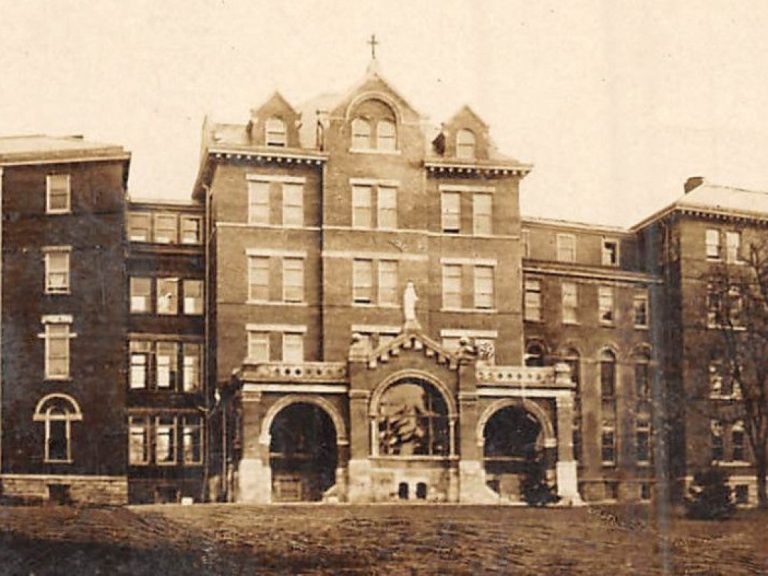
In 1840, After a devastating tornado ripped through Rochester, Mother Alfred Moes and the Sisters of Saint Francis…
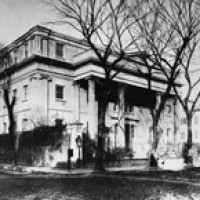
In 1839, two medical colleges merged into the the Medical College of the State of South Carolina. In…
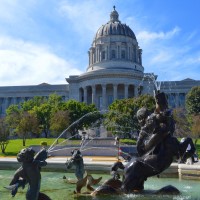
In 1839, the University of Missouri was founded after the Missouri legislature passed the Geyer Act, legislation that…
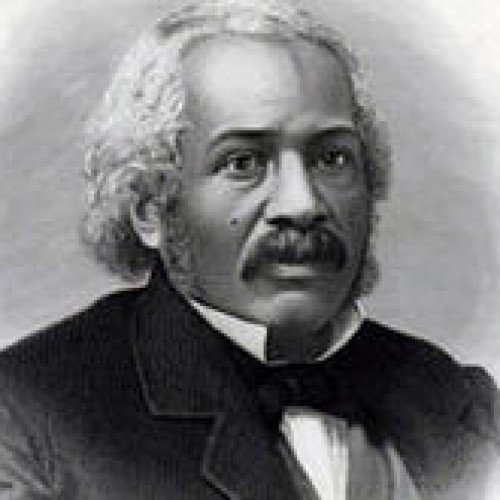
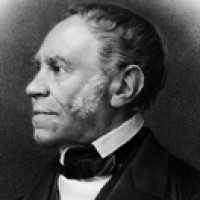
In 1837, Dr. James McCune Smith became the first African American to hold a medical degree. Smith, a…
In 1836, The Library of the Office of the Surgeon General of the Army (the present U.S. National…

In 1834, The Wake Forest Manual Labor Institute was founded in Wake Forest. It was rechartered as Wake…
In 1833, the first enzyme was discovered and isolated by French chemist Anselme Payen also known for discovering…

In 1827, Tuscaloosa, then the state’s capital, was chosen as home of the University of the State of…
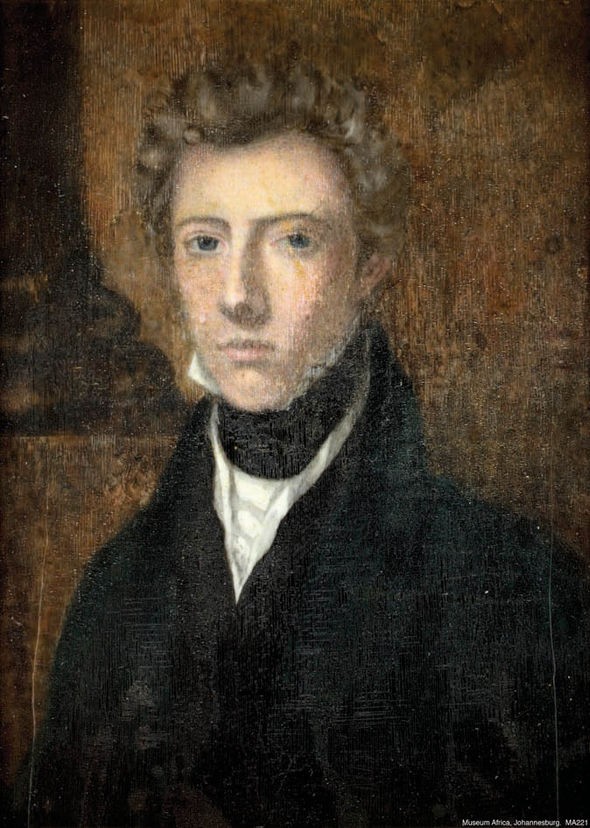
In 1826, Dr. James Barry, a Royal British Army surgeon, performed the worlds first successful cesarean operation. It…
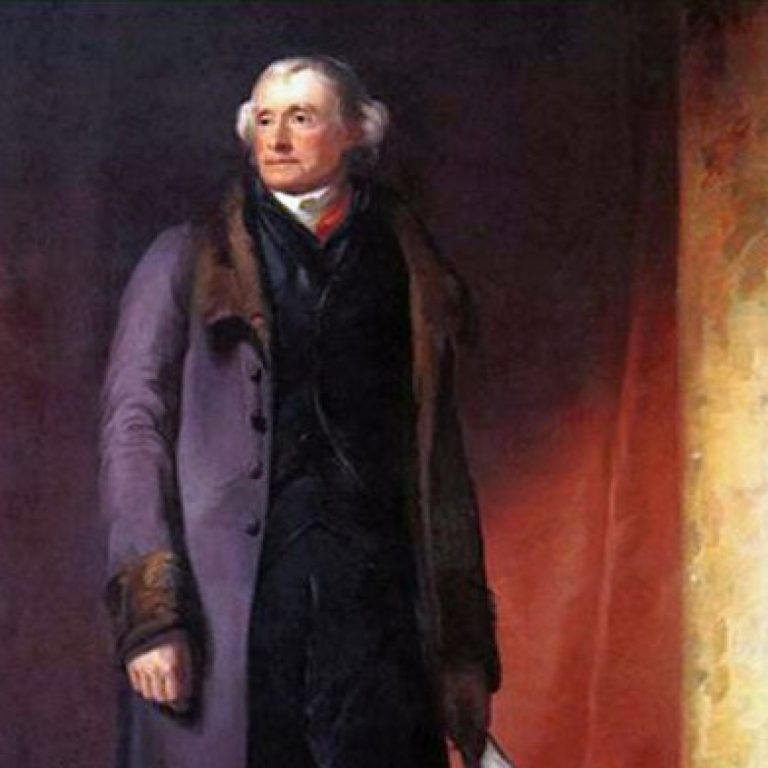
In 1825, Thomas Jefferson founded the nation’s 10th medical school which has grown into a nationally recognized academic…
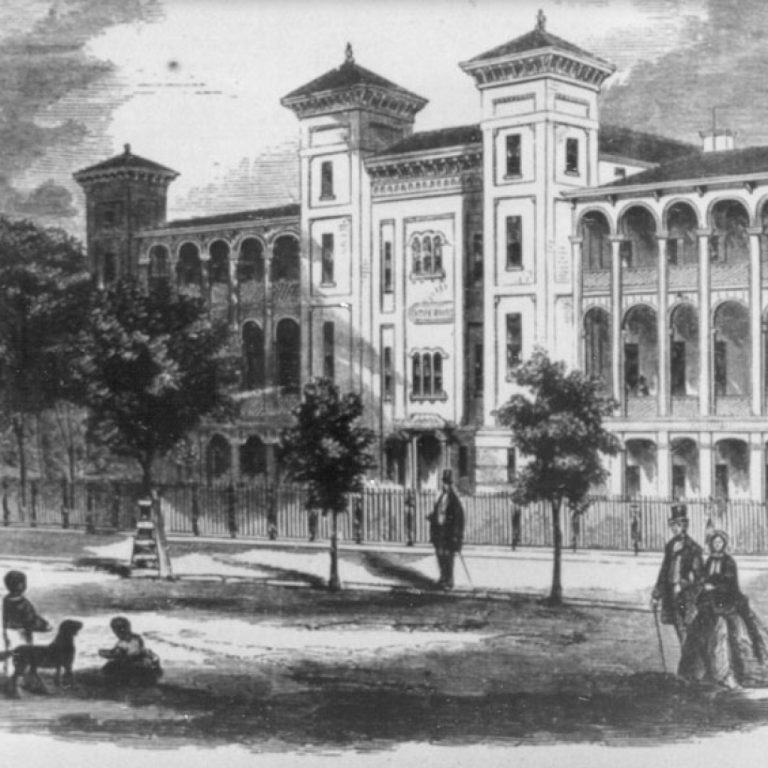
On Dec. 20, 1823, the South Carolina General Assembly granted the request of the Medical Society of South…
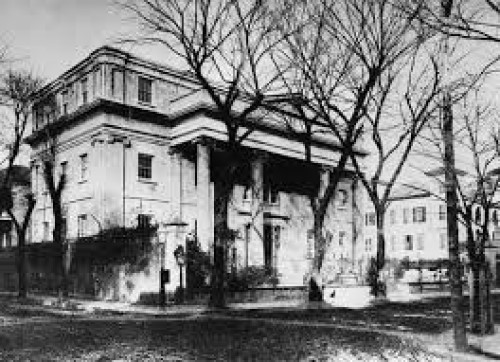
In 1823, The Medical College, a private institution of the Medical Society of South Carolina was incorporated in…

On Dec. 21, 1820, eleven physicians met in Washington, D.C., to establish the U.S. Pharmacopeia, the first compendium…
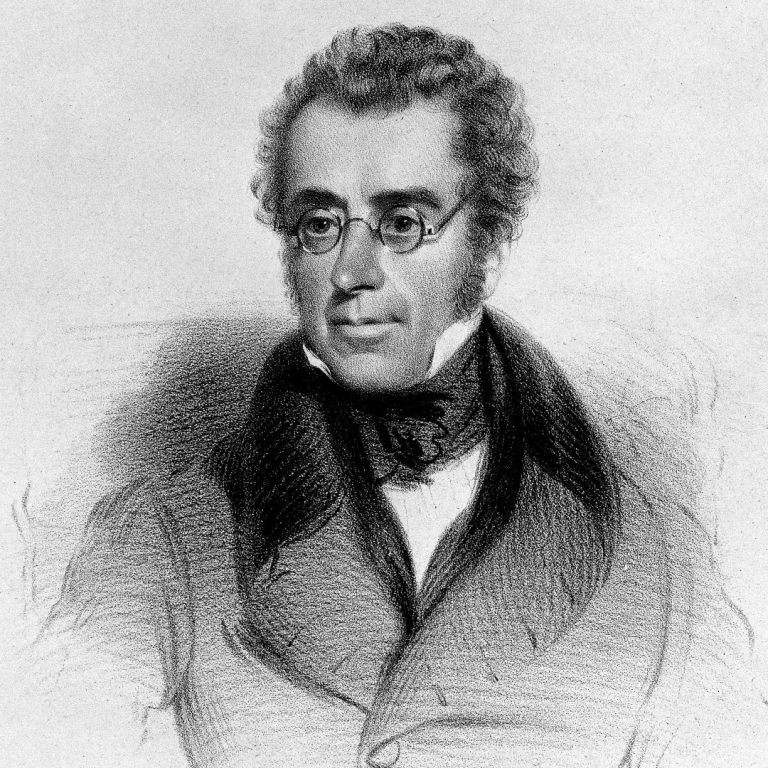
On Mar. 16, 1819, John Bostock, an avid contributor to the Medical and Chirurgical Society’s Medico-Chirurgical Transactions, presented…
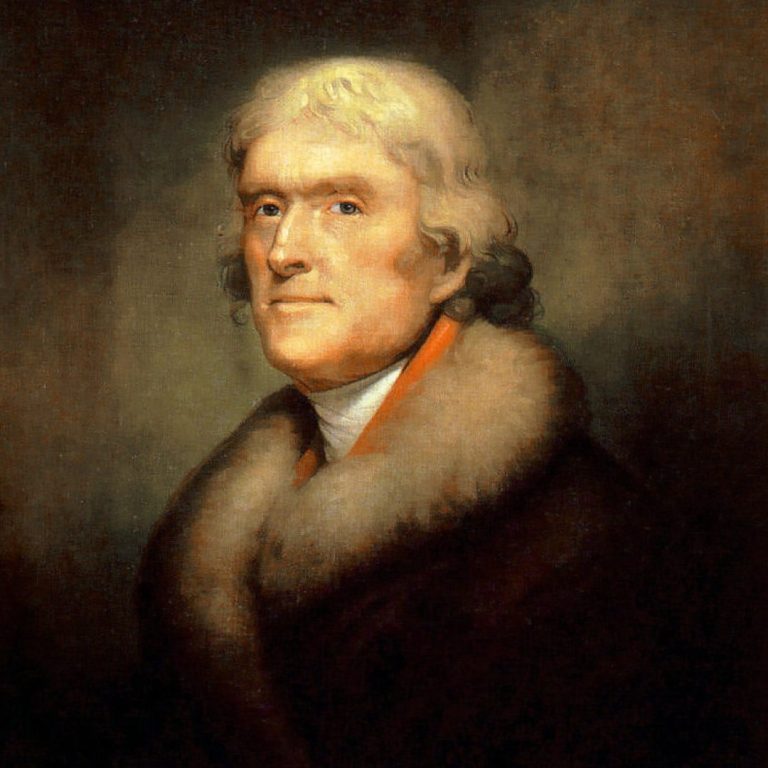
On Jan. 25, 1819, the University of Virginia was founded after being conceived by Thomas Jefferson in 1800…
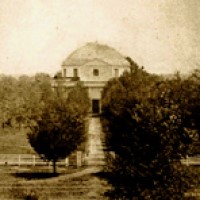
In 1818, the federal government authorized Alabama Territory to set aside a township for the establishment of a…
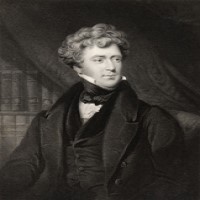
In 1818, the first successful transfusion of human blood to a patient was performed by British obstetrician James…
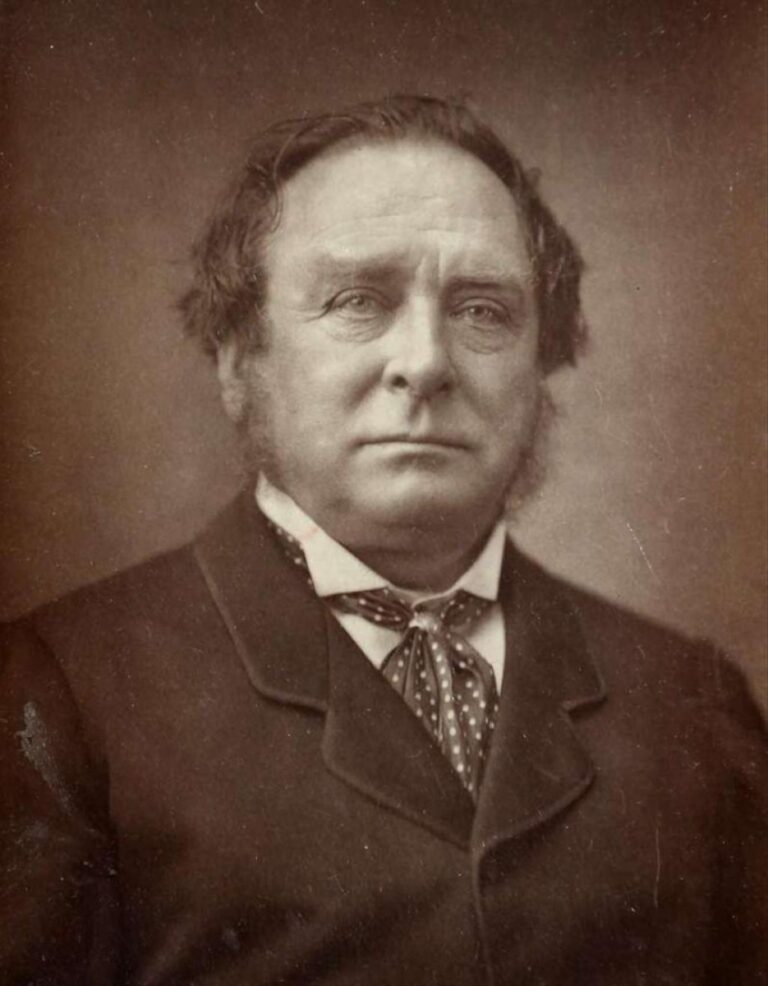
In 1817, James Parkinson published an essay on six cases of paralysis agitans known as Shaking Palsy. This paper…
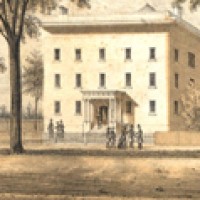
In 1813, the Medical Institution of Yale College opened its doors with four professors and 37 students and…
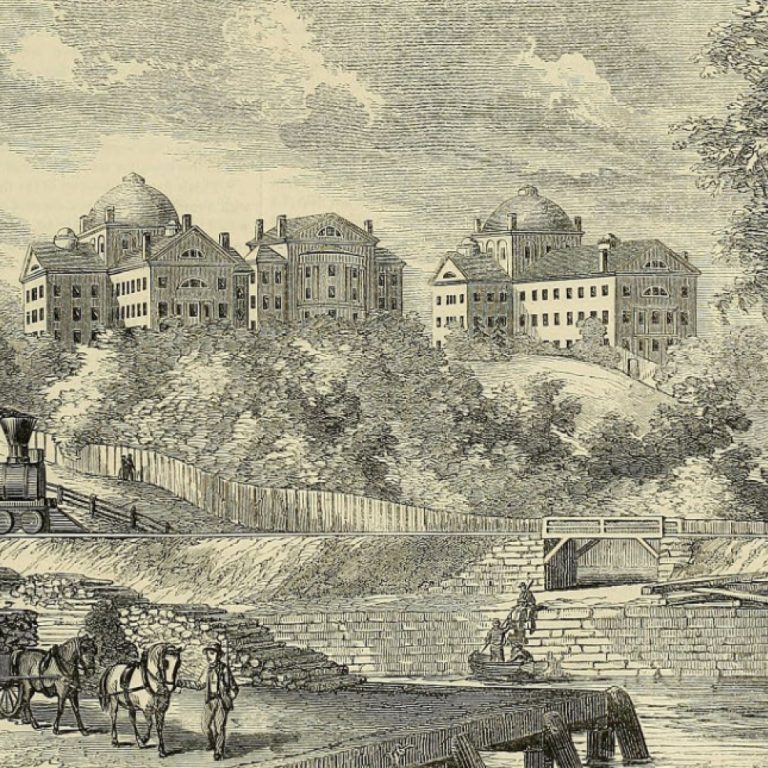
On Feb. 25, 1811, McLean Hospital was founded through a charter granted by the Massachusetts Legislature for the…
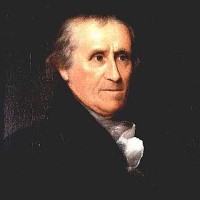
In 1808, A permanent home for the Boston Marine Hospital was found in the Charlestown section of Boston….

In 1804, the University of Georgia graduated its first class in 1804. The curriculum of traditional classical studies…
On May 3, 1802, the U.S. Marine Hospital authorized the admission of foreign seamen to Marine hospitals on…
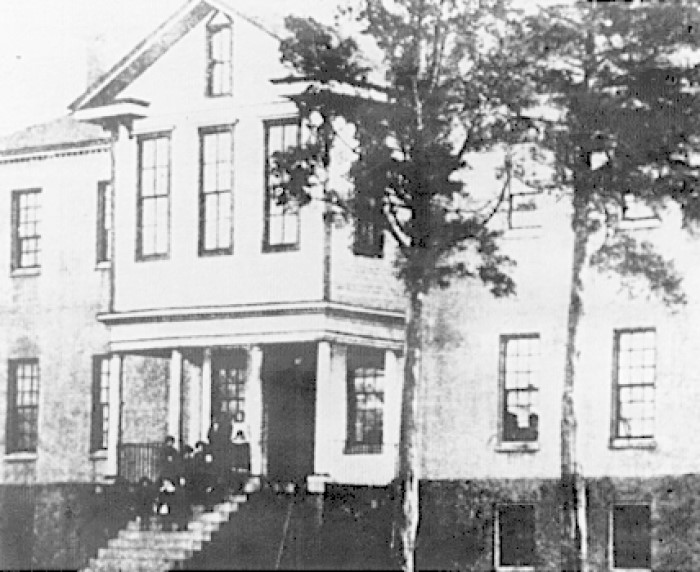
On May 3, 1802, the first permanent Marine hospital was authorized to be built in Boston, Mass. A…

In 1802, Yale College’s Benjamin Silliman taught the first modern science course (chemistry) in the U.S. Silliman was…
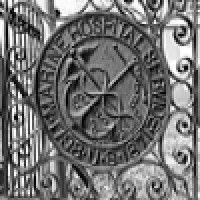
In 1802, a U.S. marine hospital in New Orleans, Louisiana was authorized by Congress while the port was…