David Marine and colleagues initiated an iodine prophylaxis program in over 2100 schoolgirls
In 1917, David Marine, a U.S. physician in Ohio, and his colleagues initiated an iodine prophylaxis program in…
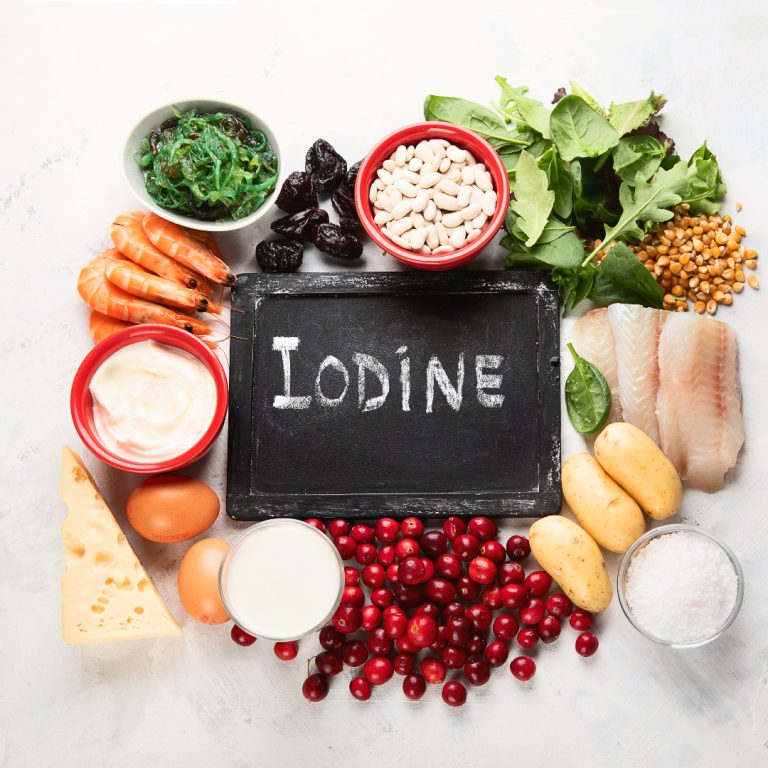
In 1917, David Marine, a U.S. physician in Ohio, and his colleagues initiated an iodine prophylaxis program in…
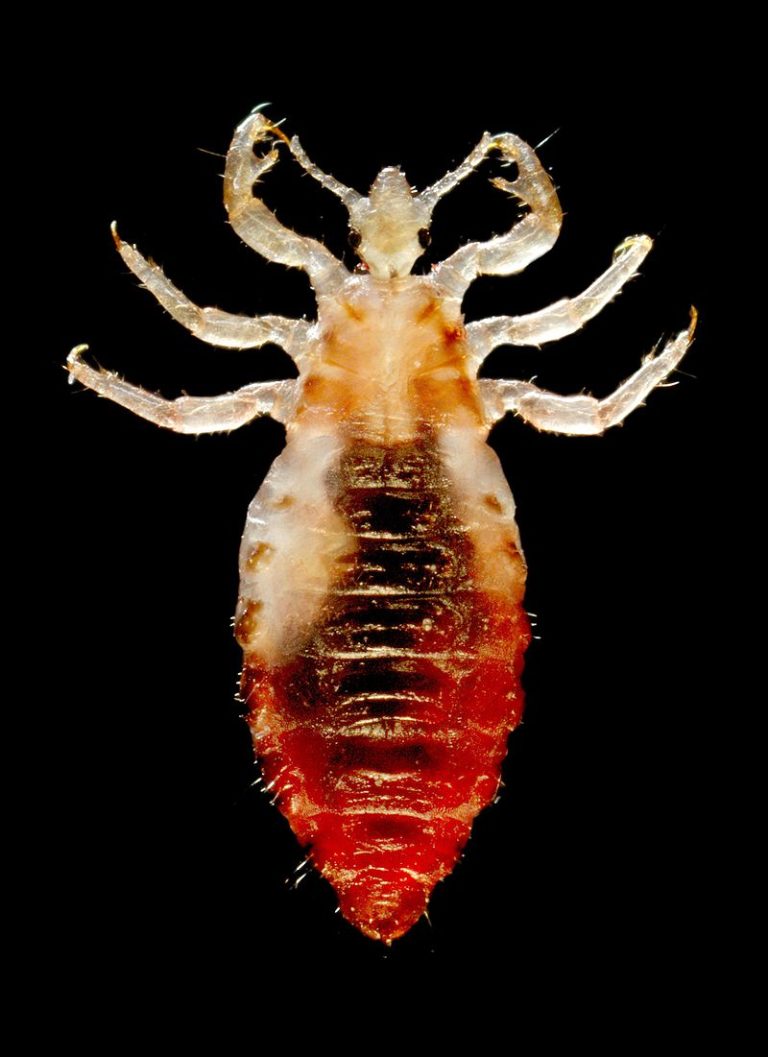
In 1917, Mather H. Neill discovered that scrotal reactions of guinea pigs with “Mexican” typhus (later known as…
In 1917, Stem rust attacked the U.S. wheat crop, destroying more than two million bushels and forcing Herbert…
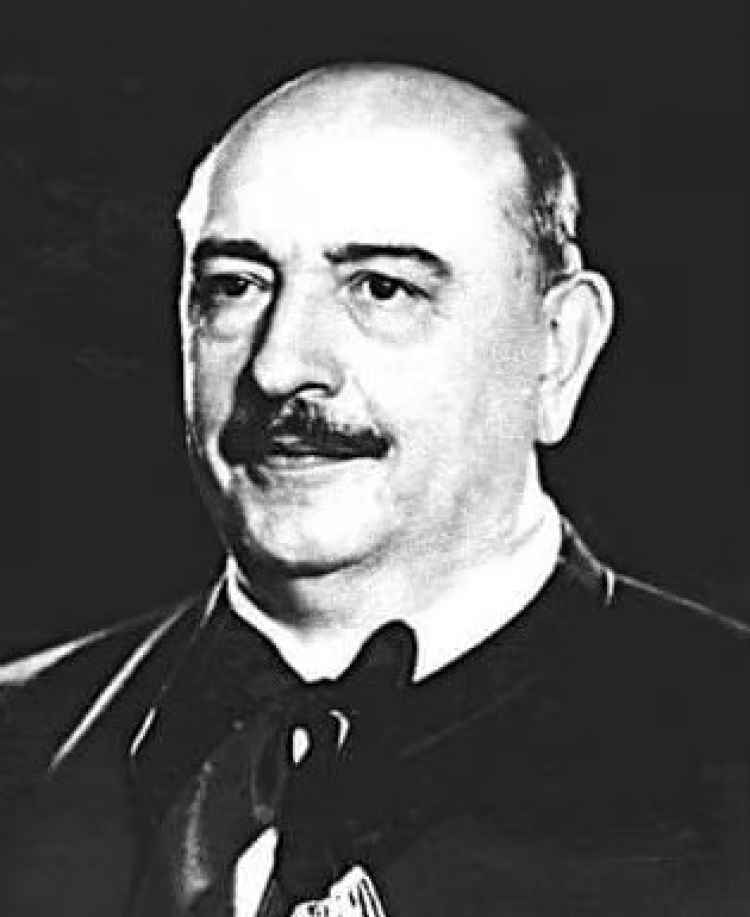
In 1917, Hungarian Kark Ereky first coined the word “biotechnology” and in 1919 published “Biotechnology of Meat, Fat…
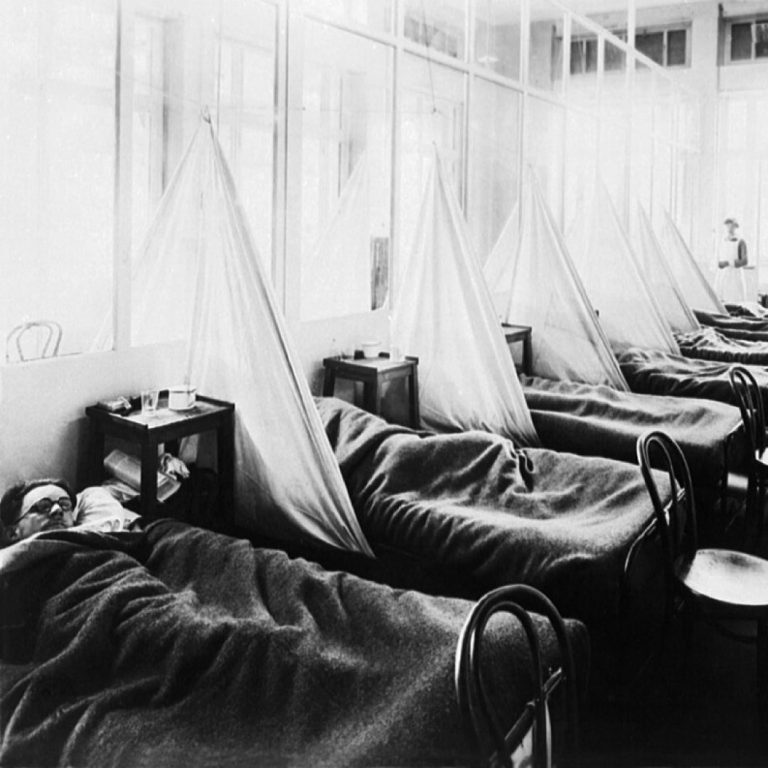
In 1917, when the U.S. entered World War I, Emory University organized a medical unit that would be…
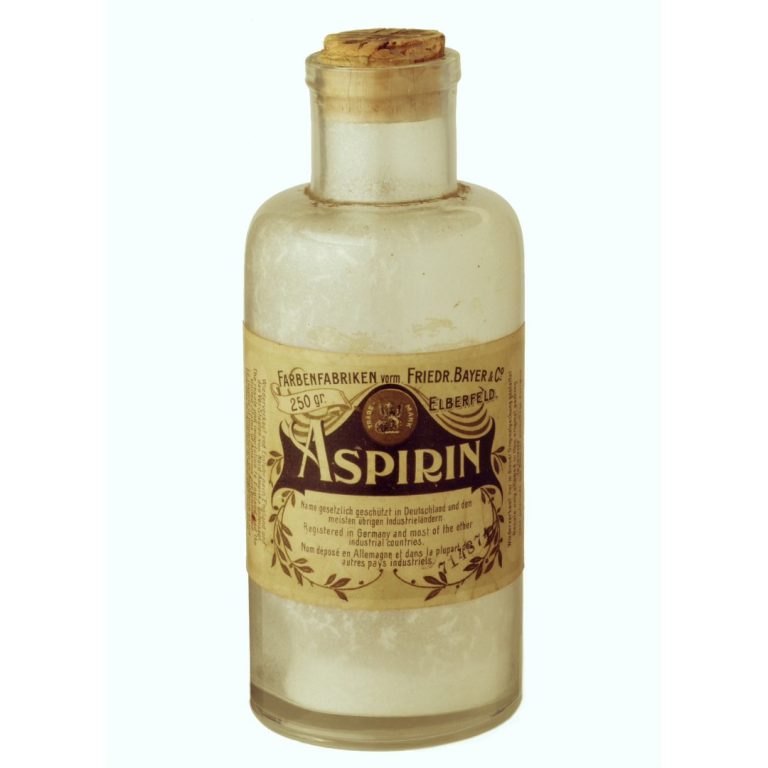
In 1917, the University of Iowa College of Pharmacy secretly produced bootleg aspirin after the war in Europe…
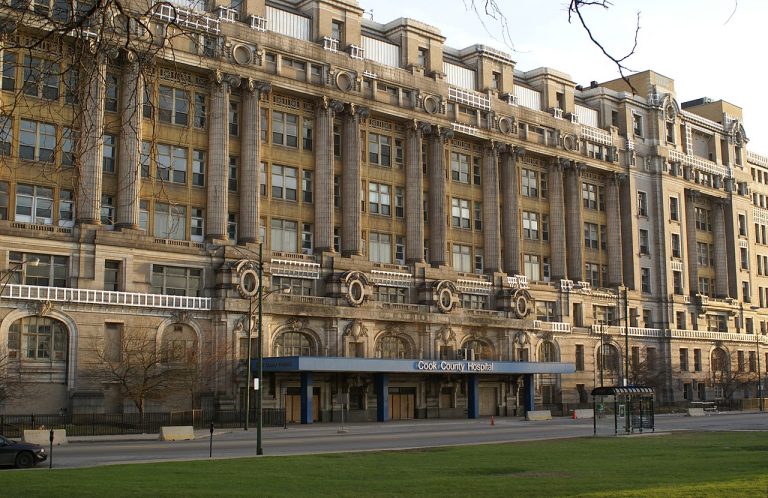
In 1917, the new Cook County Hospital facility opened and is the current Main Building of today’s Hospital….
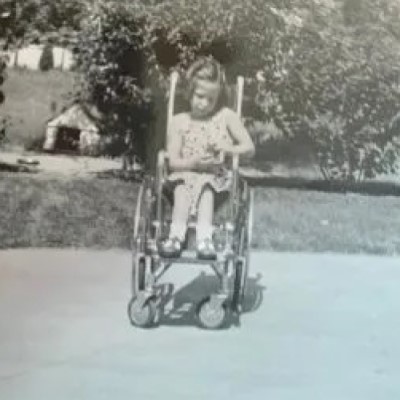
In 1917, the state wide Children’s Development and Rehabilitation Center Service Program was established in the University of…
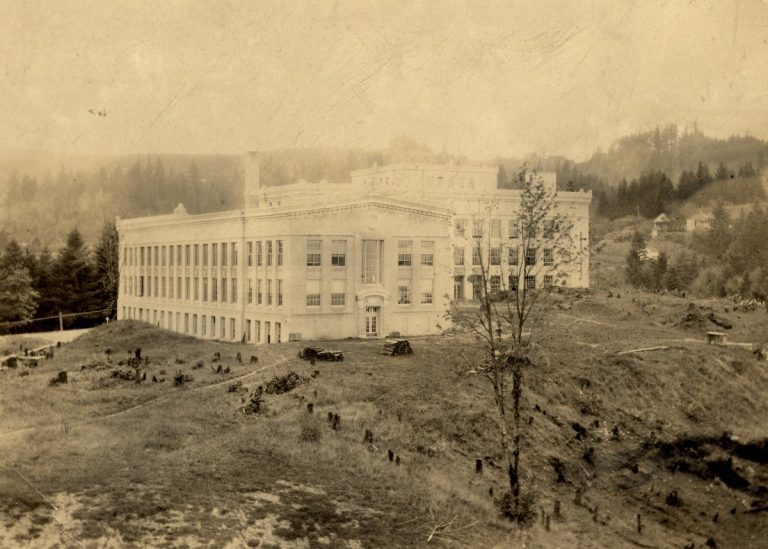
In 1917, Dr. Kenneth McKenzie the staff surgeon at Oregon-Washington Railroad and Navigation Company persuaded the company to…
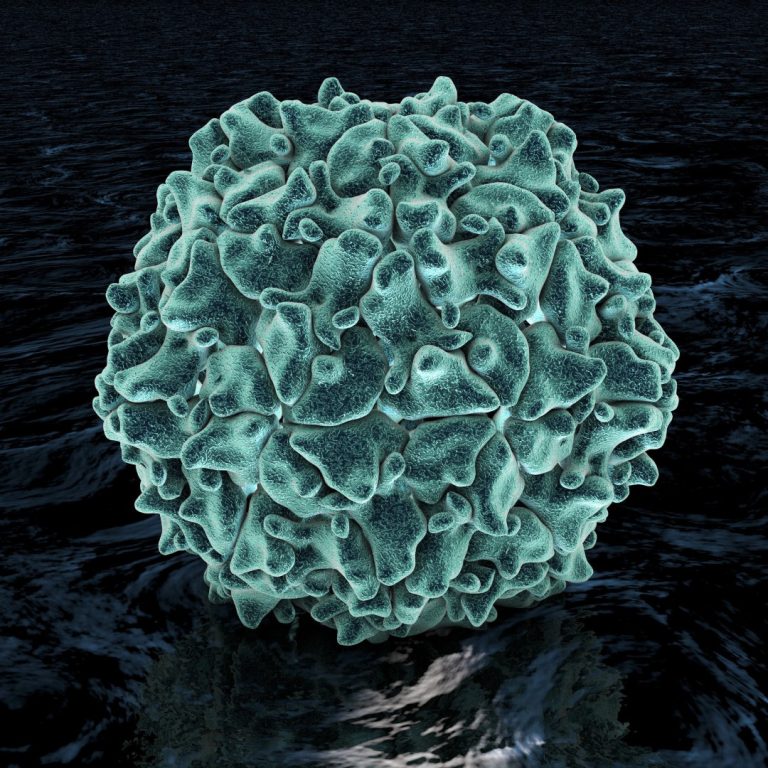
On Jun. 17, 1916, New York City experienced the first large epidemic of polio (poliomyletis), with over 9,000…
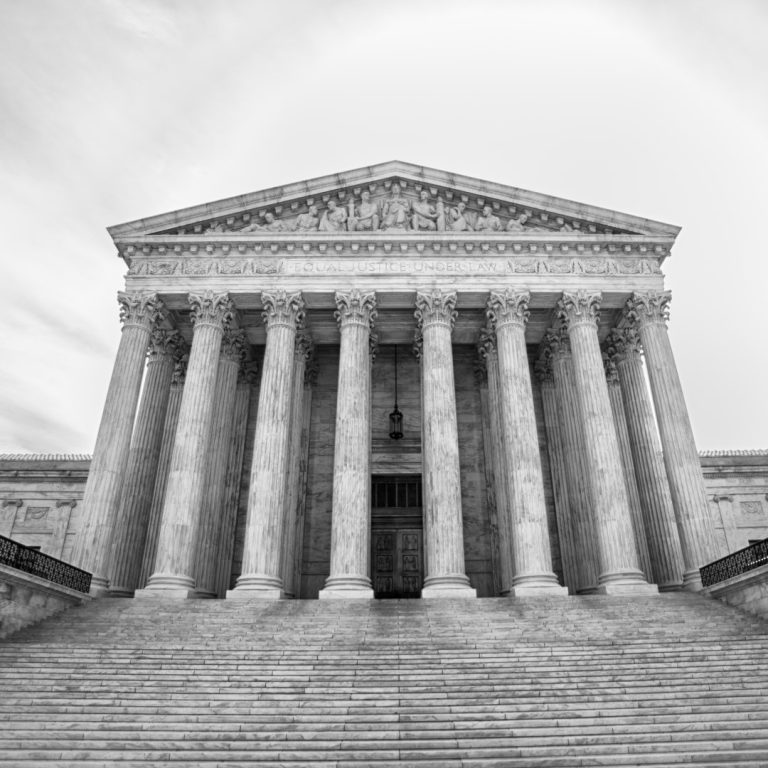
On Jan. 10, 1916, the U.S. Supreme Court ruled the Sherley Amendment to the Pure Food and Drugs…
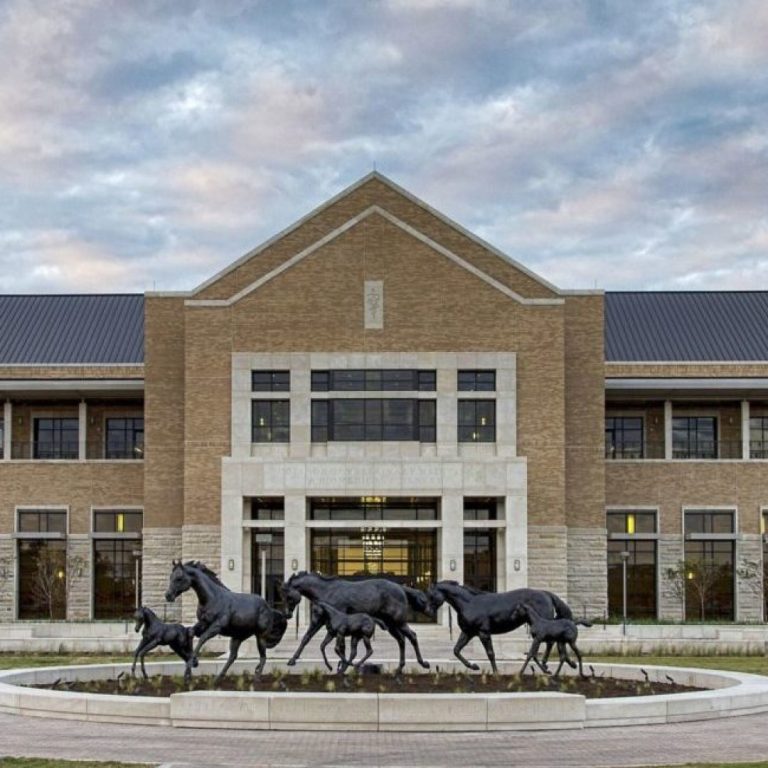
In 1916, the Texas A&M College of Veterinary Medicine & Biomedical Sciences (CVM) is an institution that represents…
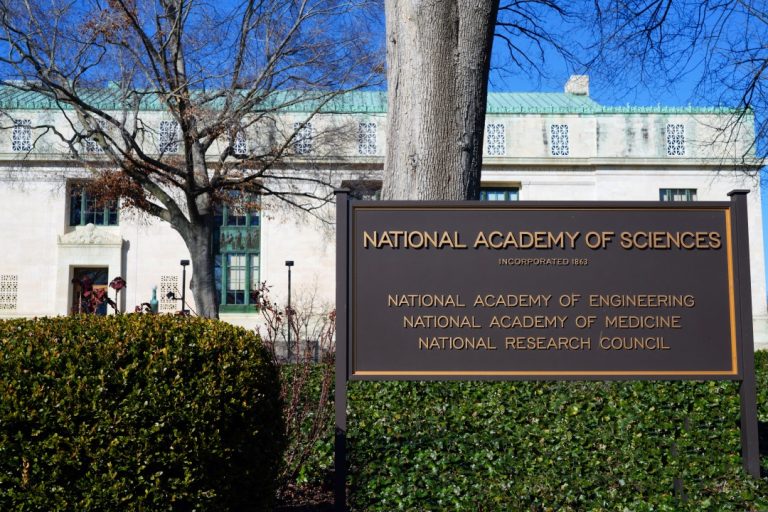
In 1916, the National Research Council (NRC) was created under the National Academy of Sciences (NAS) charter by…
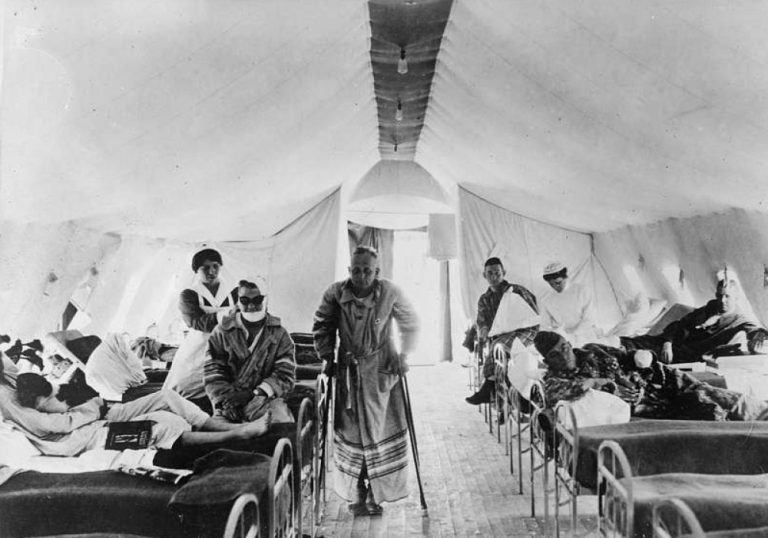
In 1916, During World War I, work by Hygienic Laboratory investigators changed the way smallpox vaccinations were administered…

In 1916, the first AACR publication, The Journal of Cancer Research, was launched in 1916. The journal was…
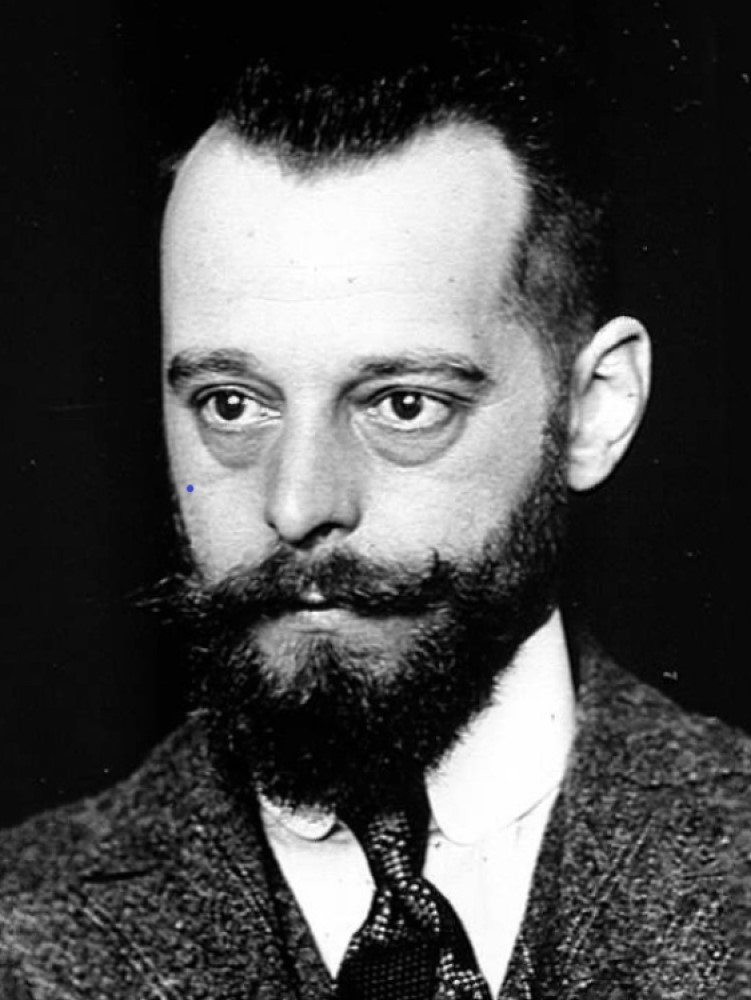
In 1916, French-Canadian bacteriologist Felix-Hubert D’Herelle discovered viruses that prey on bacteria and named them bacteriophages or bacteria…
In 1916, George Harrison Shull accepted a professorship at Princeton University. At his instigation, Princeton University Press began…
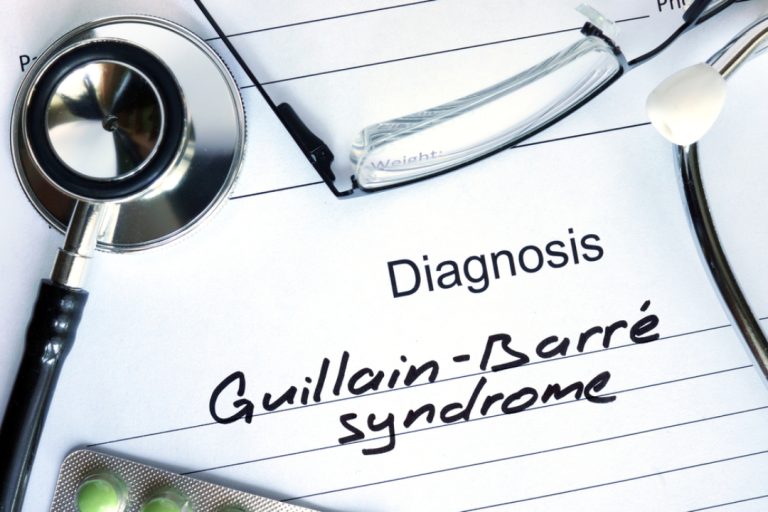
In 1916, Guillain-Barr syndrome (GBS), also known as Landry-Guillain-Barr-Strohl syndrome, was described. Its incidence in North America and…
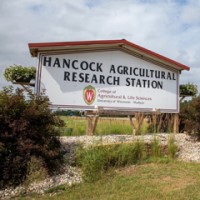
In 1916, the Hancock Agricultural Research Station, a 412-acre vegetable research farm, was founded in central Wisconsin. The…
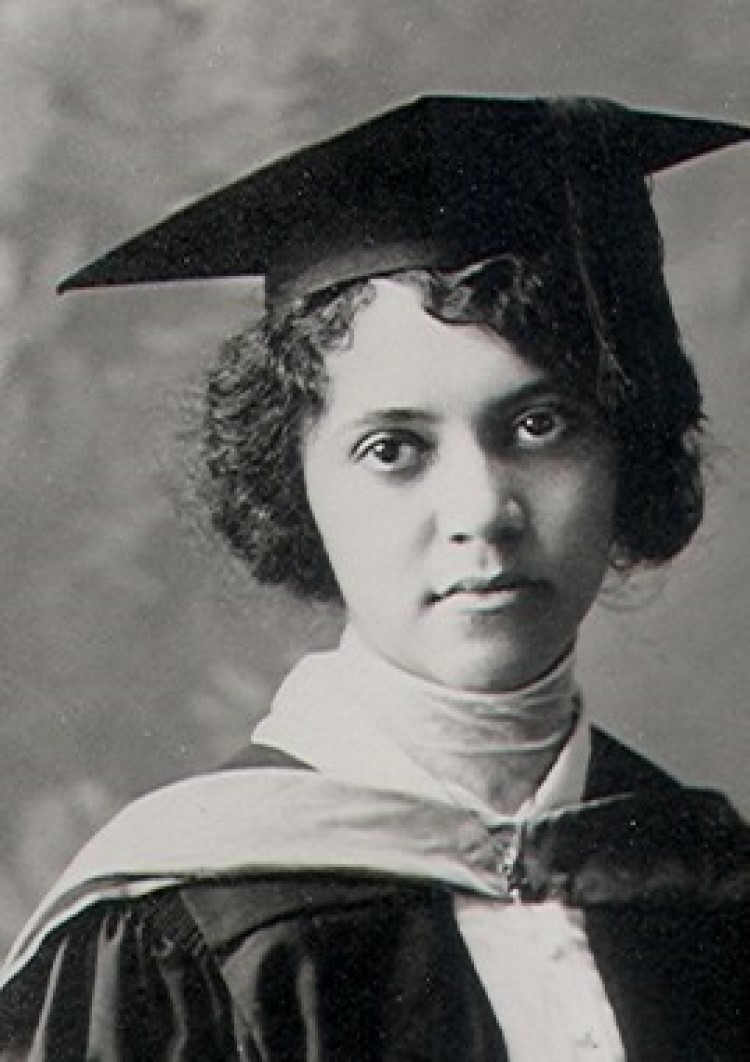
In 1915, Alice Ball became the first African American and the first woman to graduate with a M.S….
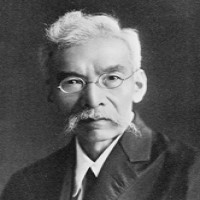
In 1915, Yamagiwa Katsusaburo, a Japanese pathologist, was the first to prove chemical carcinogenesis when he gave coal…
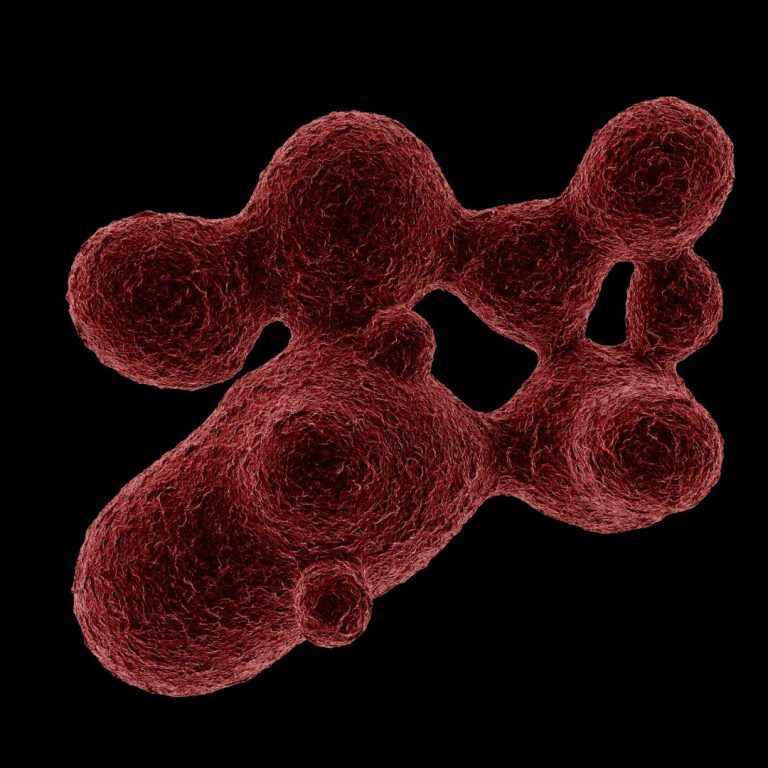
In 1915, Richard Lewishon found that sodium citrate added to freshly drawn blood prevents clotting (coagulation). This discovery…
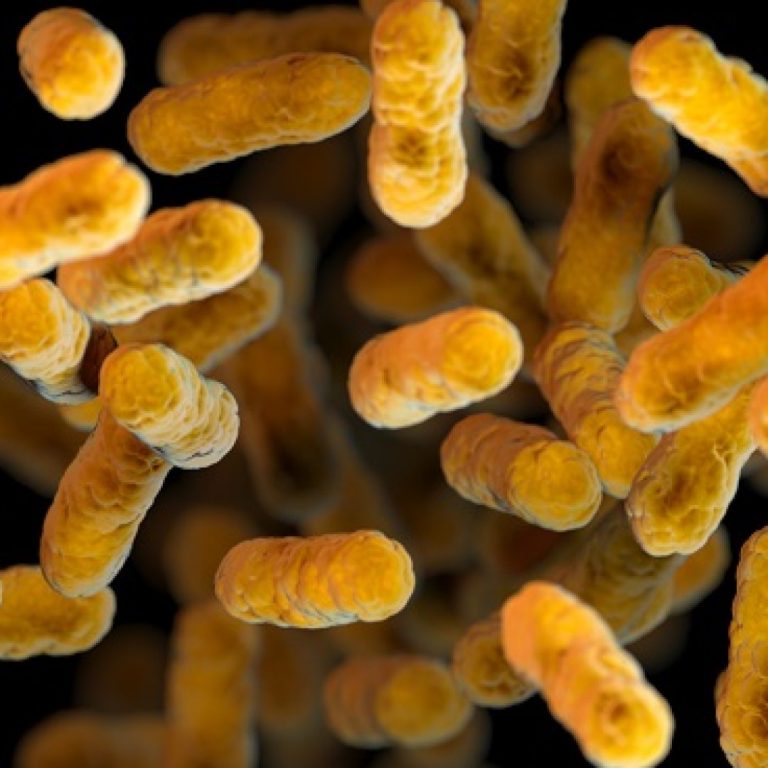
In 1915, Pertussis vaccine, a suspension of inactivated Bordetella pertussis cells, was licensed. Inactivated vaccines were prepared with…
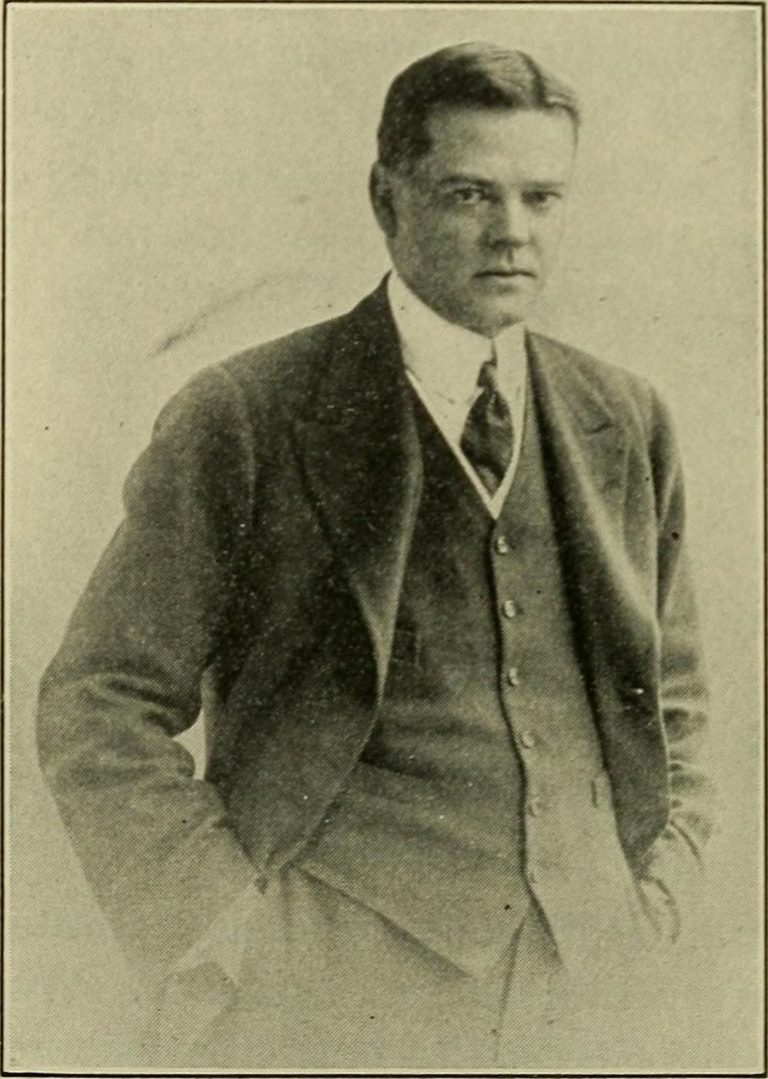
In 1914, Yale University received an endowment from the Anna M. R. Lauder family to establish a chair…
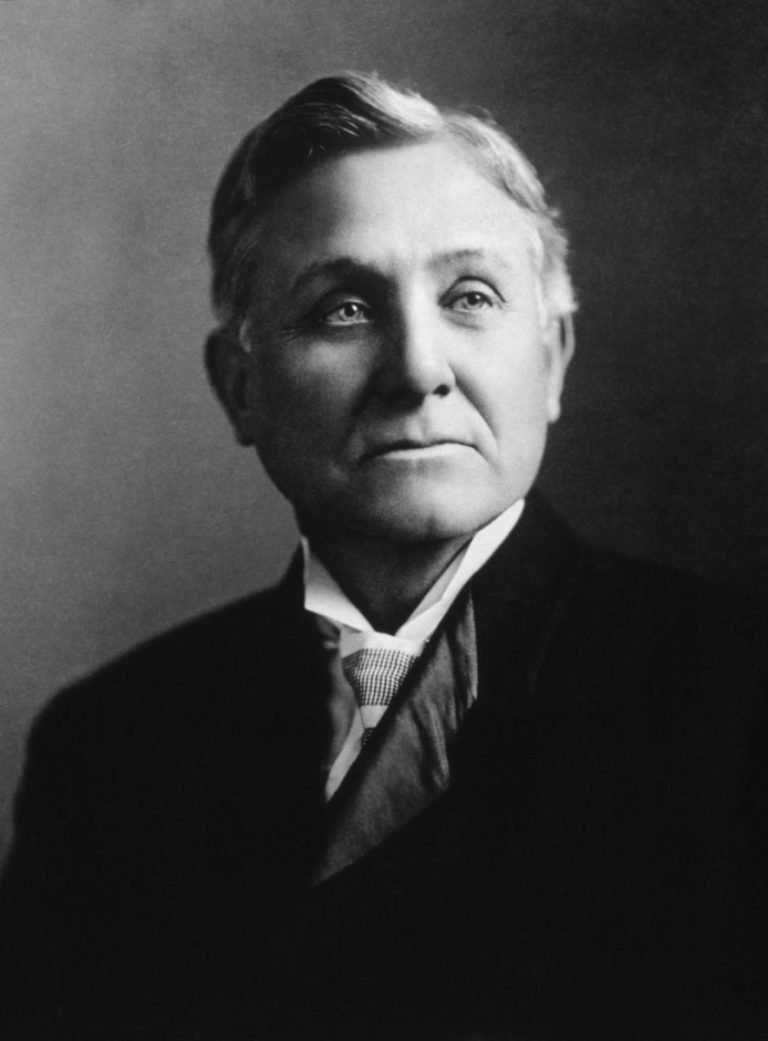
In 1915, Asa Candler, the founder of The Coca-Cola Company and brother to former Emory University President Warren…
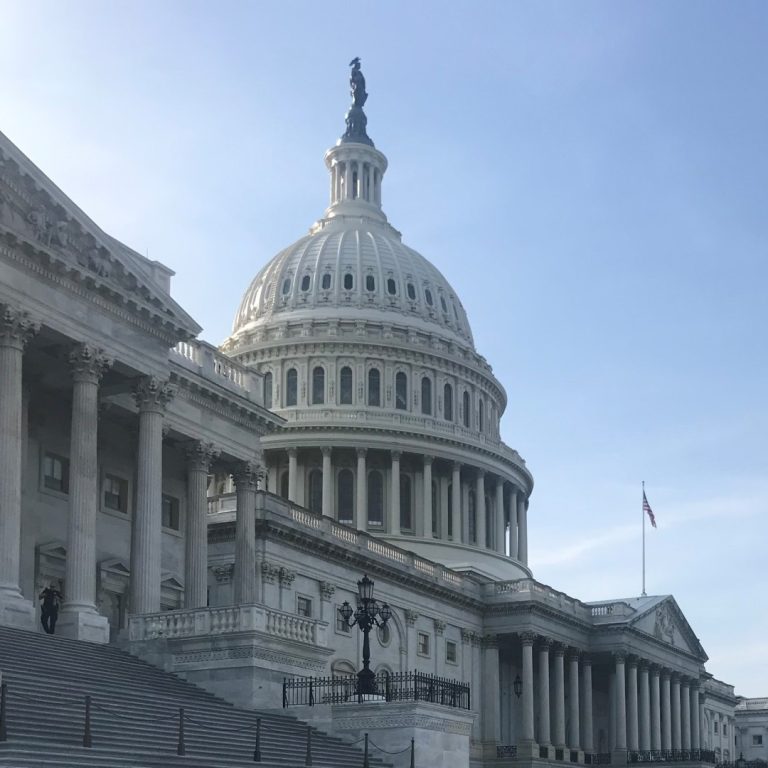
On Dec. 17, 1914. the Harrison Narcotic Act was passed by the U.S. Congress which mandated narcotic and…
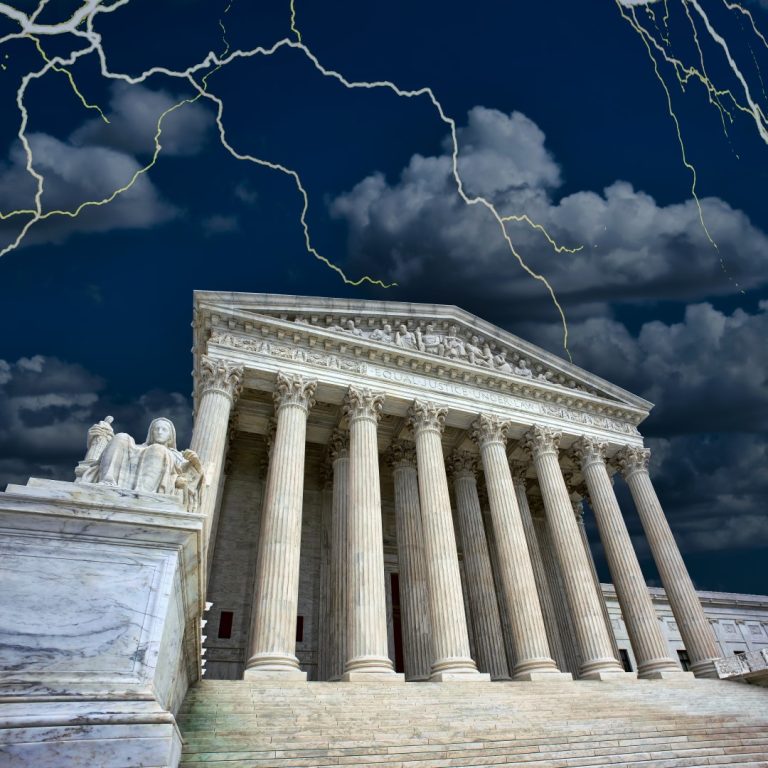
On Feb. 24, 1914, the U.S. Supreme Court issued, in U.S. v. Lexington Mill and Elevator Company, its…
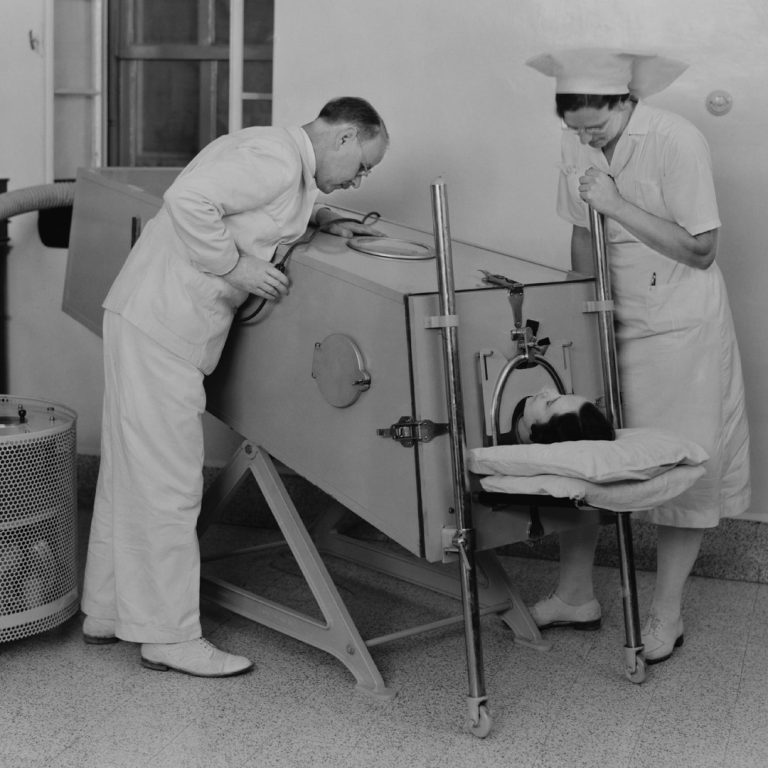
In 1914, the first ‘mechanical lung’, developed by Charles Morgan Hammond, M.D., passed its first clinical test at…
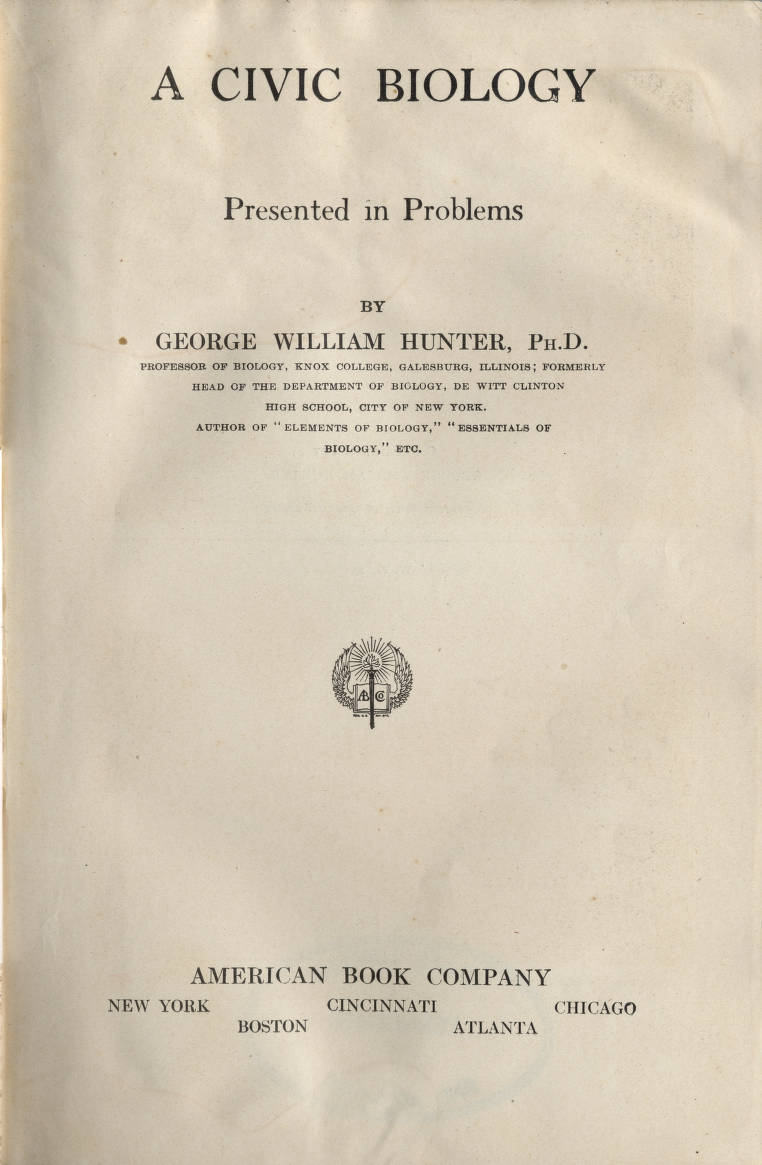
In 1914, George William Hunter’s A Civic Biology, the book later used in biology courses in Dayton, Tenn.,…
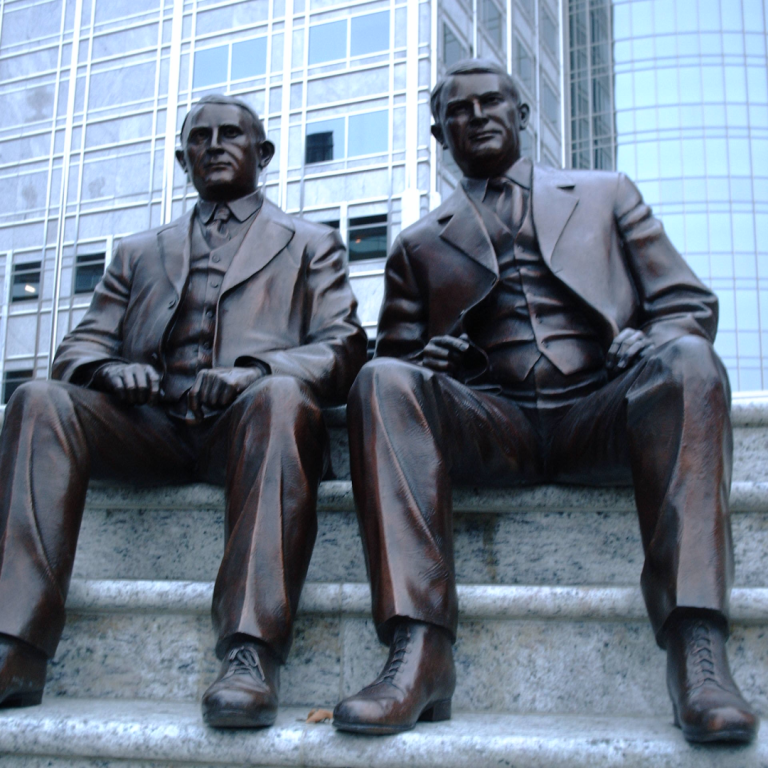
In 1914, University of Minnesota president Dr. George E. Vincent approached Drs. William and Charles Mayo to form…