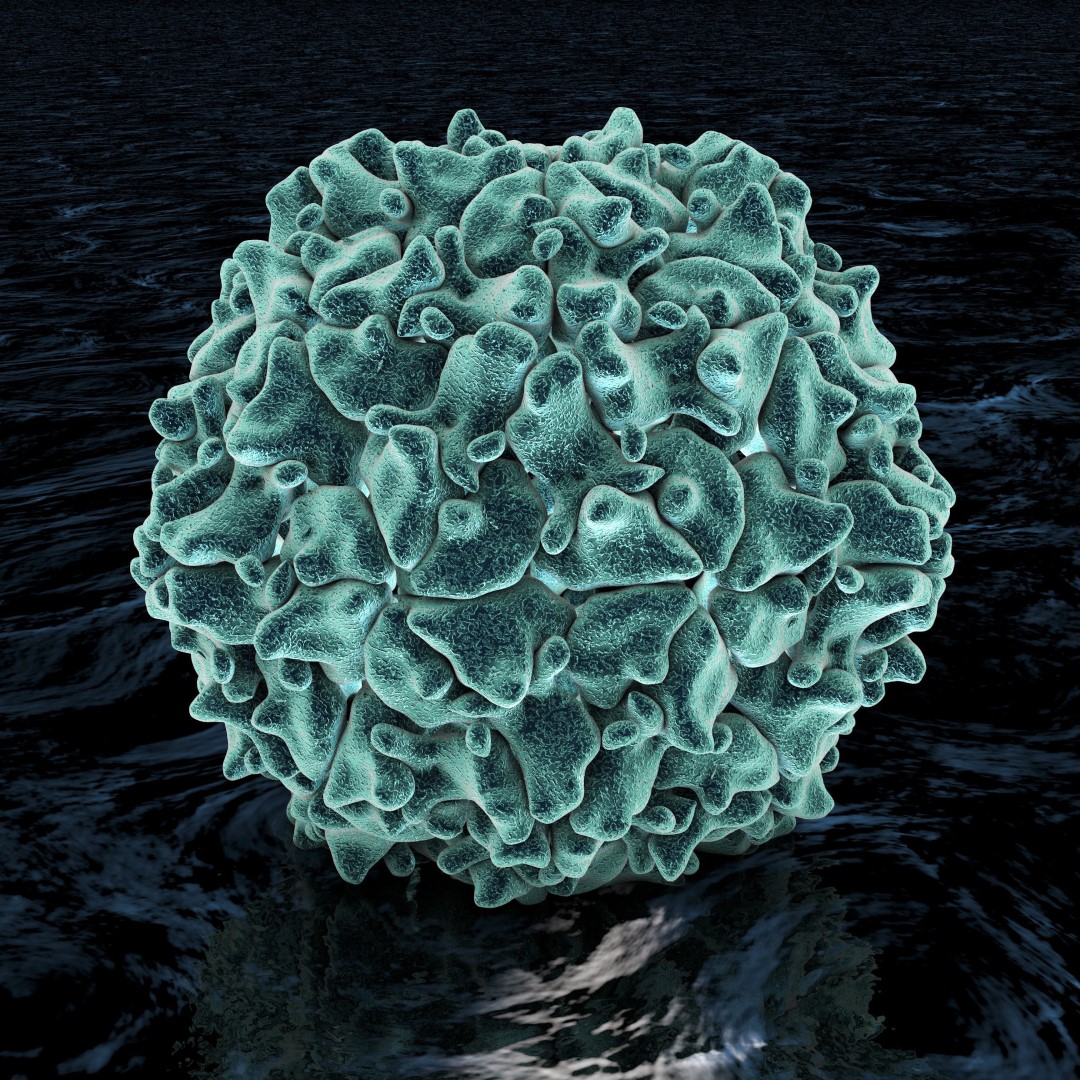
Polio epidemic spread throughout New York killing more than 2,300 mostly children
On Jun. 17, 1916, New York City experienced the first large epidemic of polio (poliomyletis), with over 9,000 cases. As the epidemic spread throughout New York, authorities forcibly separated children from their parents and placed them in quarantine. More than 27 000 patients were reported, and fatality was more than 6000 in the country. There were more than 2000 deaths in New York City alone. Authorities realized that they were dealing with an uncontrollable problem when a polio epidemic began to appear each summer.
Although the cause of polio had been identified as a virus as early as 1909, no vaccine existed in 1916. Further, the medical community was uncertain how the disease was passed from person to person, and they did not know why the disease always peaked in the summer, only to ease in the winter. At the time of the 1916 outbreak, popular wisdom attributed polio to wildly different sources. Many believed that the disease was caused by poisonous caterpillars or moldy flour. Others thought that gooseberries or contaminated milk could cause polio. Still others thought that contact with human spit or sewage odors might be the culprit.
Public Health Response. Public health officials undertook many measures to try to slow the spread of the disease in the summer of 1916. They placed quarantine signs on the doors of victims, instructed that all bed clothing be disinfected, and required nurses to change their clothing immediately after visiting with patients. In the mistaken notion that dogs and cats could spread the disease, pets were not permitted to go into rooms with people suffering from polio. As the epidemic wore on, public health officials gathered up and destroyed many dogs and cats. On July 14, 1916, New York officials announced a new regulation forbidding travel in or out of parts of the city stricken with the epidemic. Further, New York City children had to carry identification cards certifying that neither they nor anyone in their families had polio before they were allowed to leave the city.
The public reaction in New York to the 1916 epidemic is particularly interesting because it reveals the deep resentment the upper and middle classes bore toward the poor and immigrant populations. When most public health and elected officials attributed the epidemic to dirty people, they did not have far to look in New York City, with its large, poverty-stricken immigrant population. As a group, the poor were generally ill educated and did not wield political clout. Consequently, public officials took restrictive measures that were directly aimed at this population. For example, a New York City law required that any sick child living in a home without a private toilet and whose family could not provide a private nurse must be hospitalized. Thus, virtually any sick child who also had the misfortune to be poor was hospitalized. Since hospitals were often the sites of secondary infections, such hospitalization was not always in the best interest of the child. Even more extreme, poor children without symptoms were also quarantined, due to the public’s belief that such children spread the illness to their middle-class and upper-class neighbors.
Conclusions. While such reactions seem extreme, it is difficult to overestimate the panic the population felt with a serious epidemic underway, an epidemic that seemed impervious to modern medicine, and to all contemporary public health measures. During the 1916 epidemic, parents began keeping their children indoors and away from crowds, a pattern that repeated itself each summer until a vaccine was discovered.
During the polio epidemic of 1916, federal health officials kept many records and statistics in their efforts to better understand the cause and transmission of the disease. It took over two years to assemble and analyze the data and to release their report. The results of the report did nothing to allay public fear over future epidemics. The report said that the quarantine efforts had been a failure, and the federal health officials were unable to establish the way polio moved through communities. There was no indication that the disease was linked to family socioeconomic status or ethnic background. The report did raise hope that a cure or vaccine could be found if research efforts were focused on those people who had contracted the disease but had not become ill.
The polio epidemic of 1916 was only the first of a series of major polio epidemics that raced through the nation in the subsequent summers. This epidemic, along with the influenza epidemic of 1918, undermined public trust in modern medicine, which had held out such hope for the eradication of disease just a few years earlier. It would not be until nearly 1960 before children would once again populate beaches and pools in the heat of summer.
Tags:
Source: EBSCO Information Services
Credit: