Washington, D.C. Health Officer ordered all public schools closed during the influenza pandemic
On Oct. 2, 1918, the Washington, D.C. school board closed all public schools (which had 50,000 students). The…
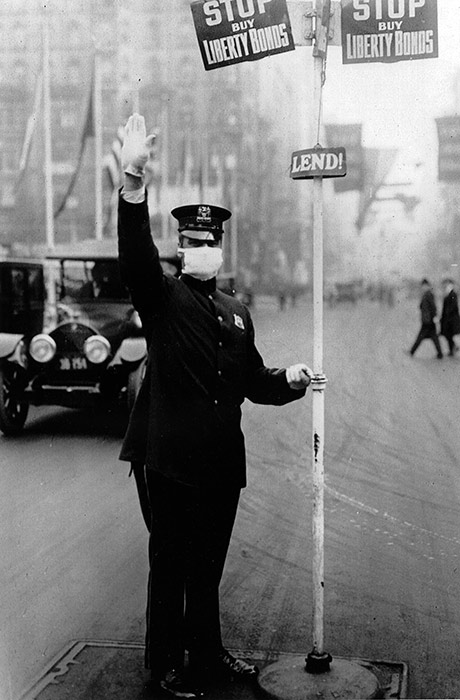
On Oct. 2, 1918, the Washington, D.C. school board closed all public schools (which had 50,000 students). The…

On Oct. 2, 1918, the Massachusetts Department of Health made influenza a reportable disease. All physicians as well…
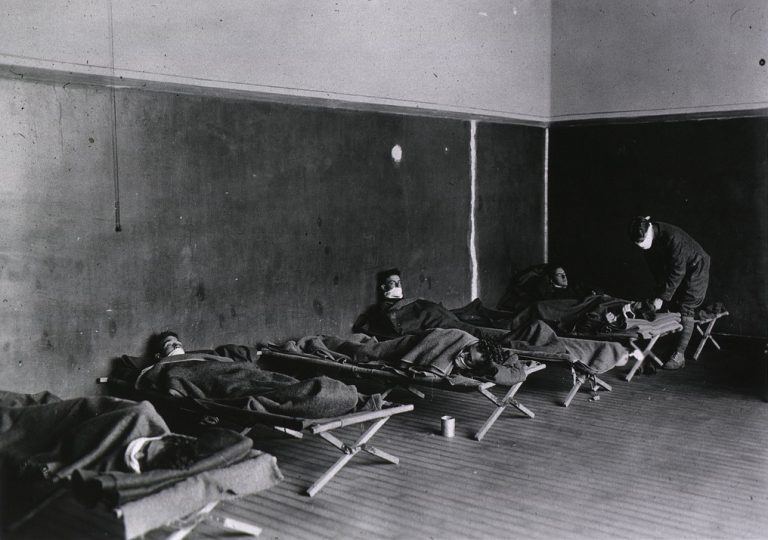
By Oct. 1, 1918, influenza had made its way to Jefferson Barracks, just outside St. Louis, and cases…
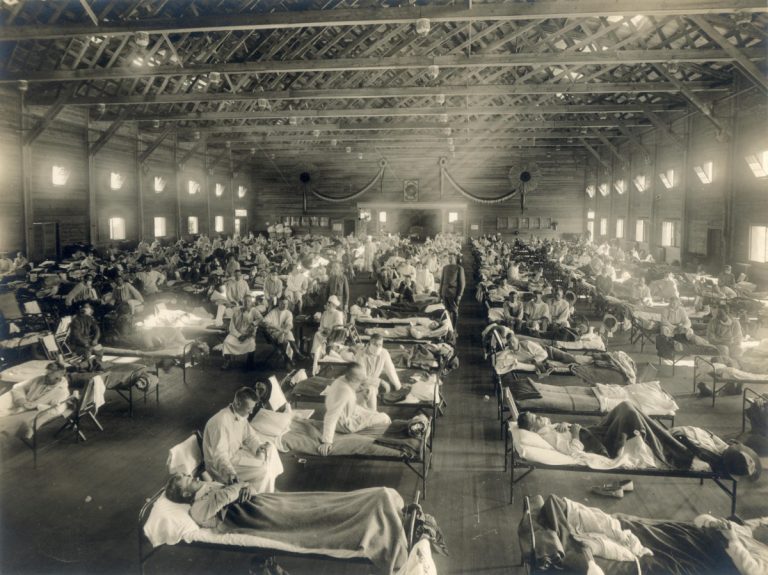
By Oct. 1, 1918, twenty percent of Kansas City’s army training schools had contracted influenza. Forty-three civilian cases…
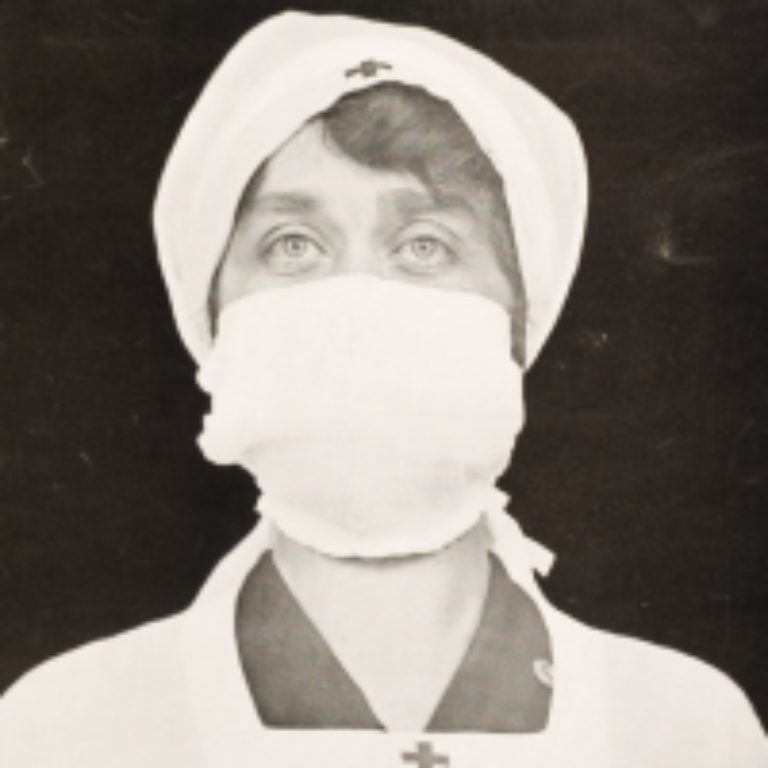
On Oct. 1, 1918, Baltimore city Health Commissioner Dr. John Blake asked streetcars and theaters to increase ventilation…
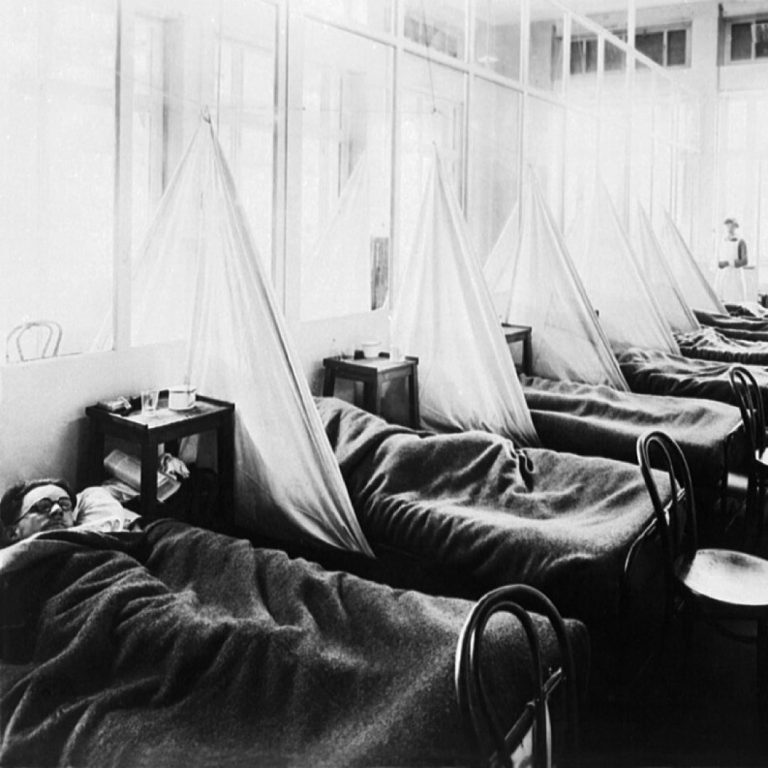
On Sept. 30, 1918, Texas health officials first reported that influenza was present in the state. By Oct….
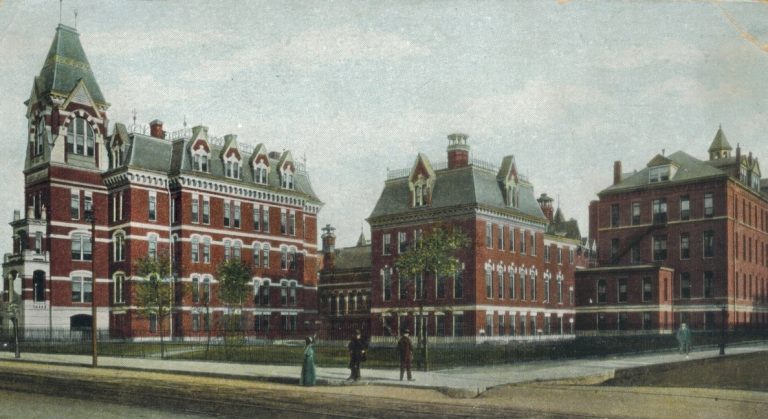
By Sept. 30, 1918, with 260 cases in Chicago, Health Commissioner Dr. John Dill Robertson ordered isolation of…
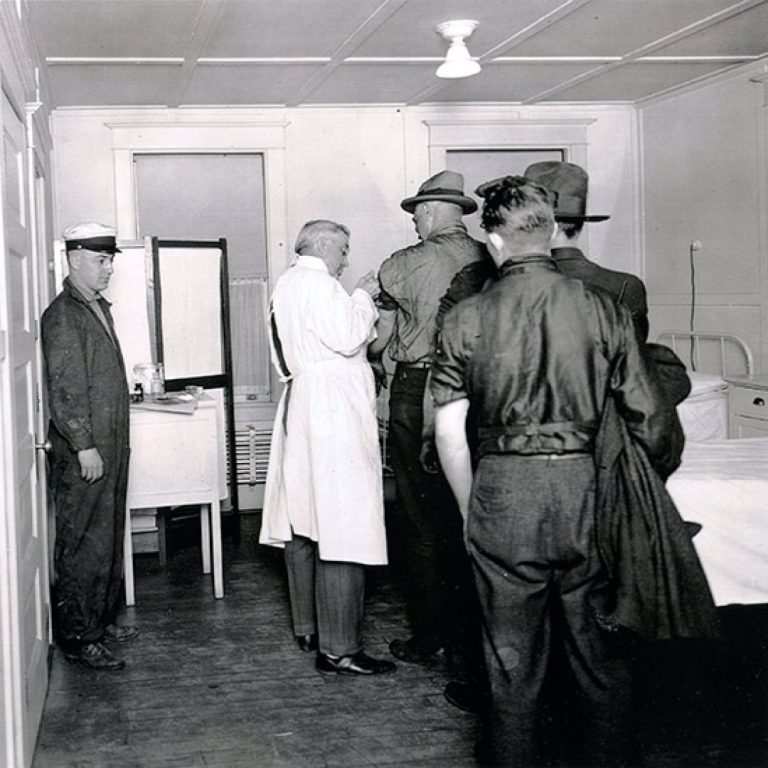
On Sept. 29, 1918, Minneapolis civilian, military, and school officials announced the arrival of the influenza epidemic to…
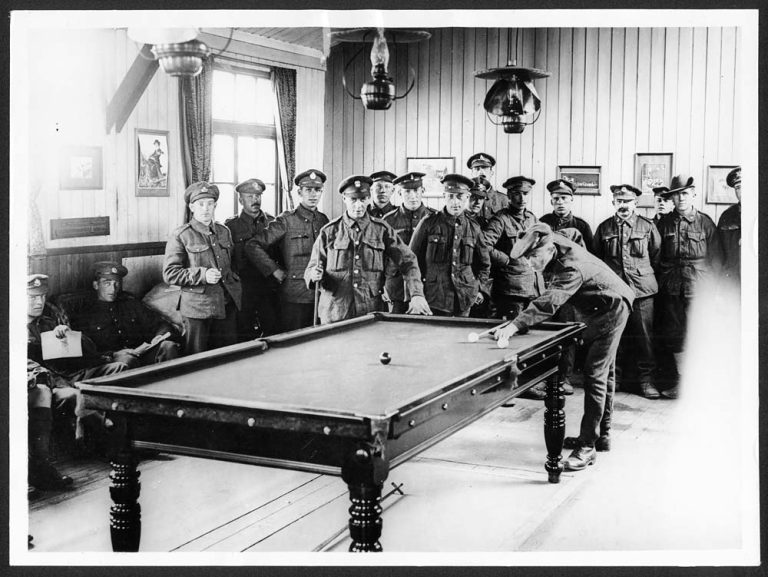
On Sept. 29, 1918, Baltimore’s health department admitted to increasing cases of influenza but it was not yet…
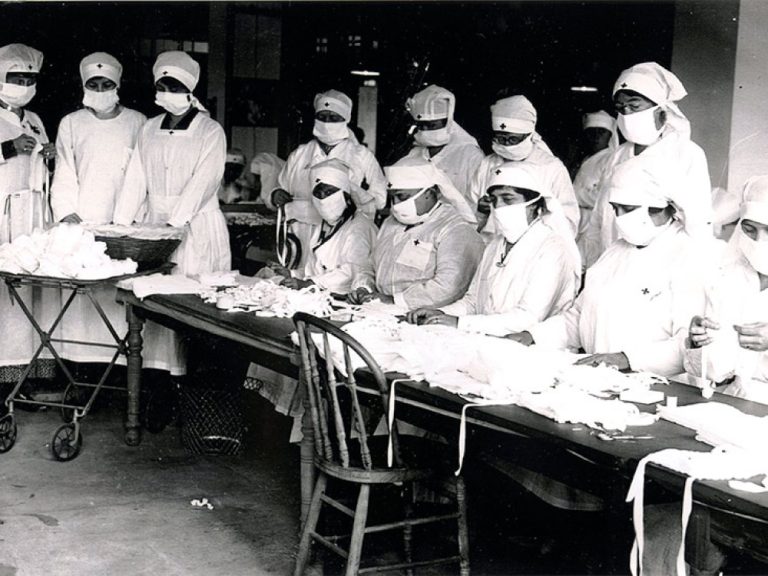
On Sept. 29, 1918, New Orleans newspapers reported the city’s first local influenza death. Anticipating an epidemic, the…
On Sept. 28, 1918, the Naval Reserve Station at Los Angeles Harbor was placed under quarantine as a…
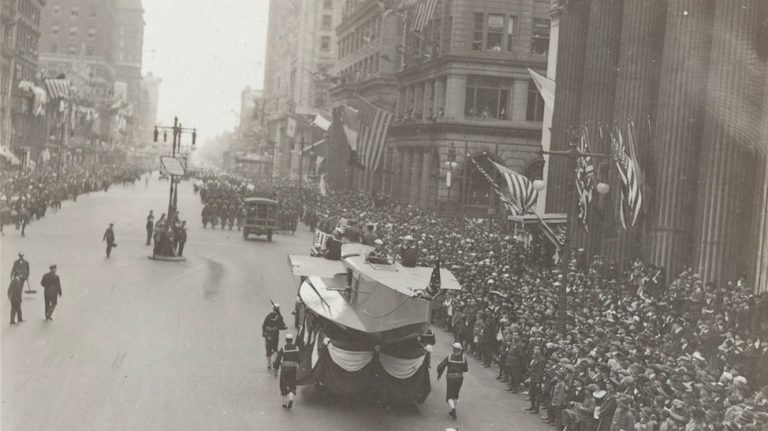
On Sept. 28, 1918, Philadelphia participated in a large parade of about 200,000 people, which led to a…
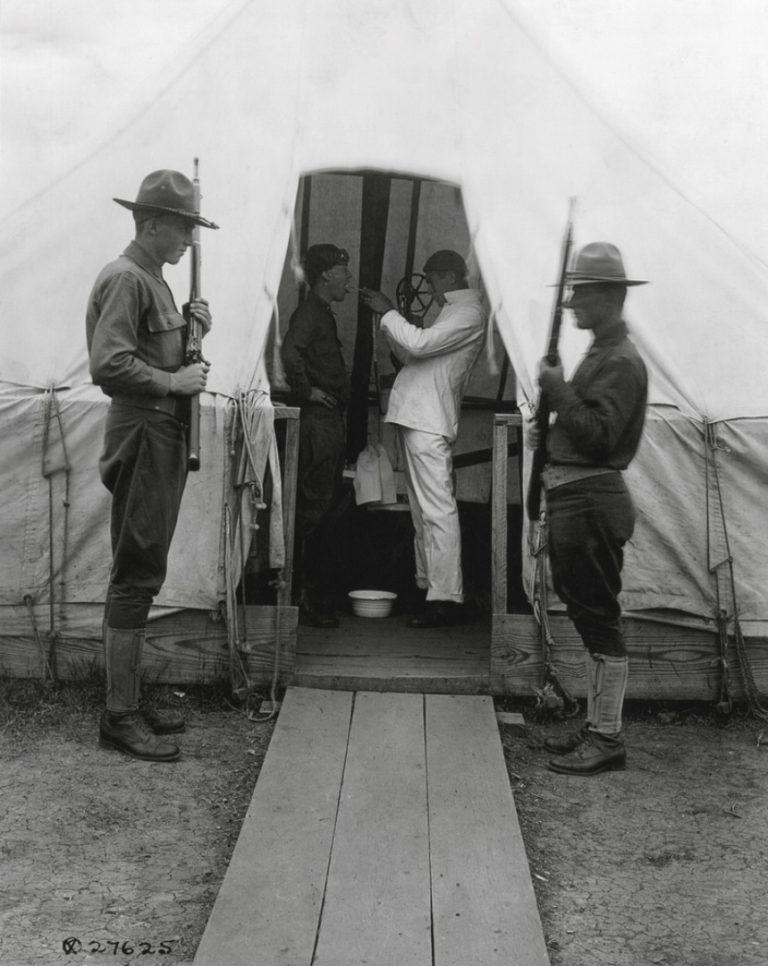
By Sept. 27, 1918, influenza cases had arrived in the city of Dallas, prompting Dallas Health Officer Dr….
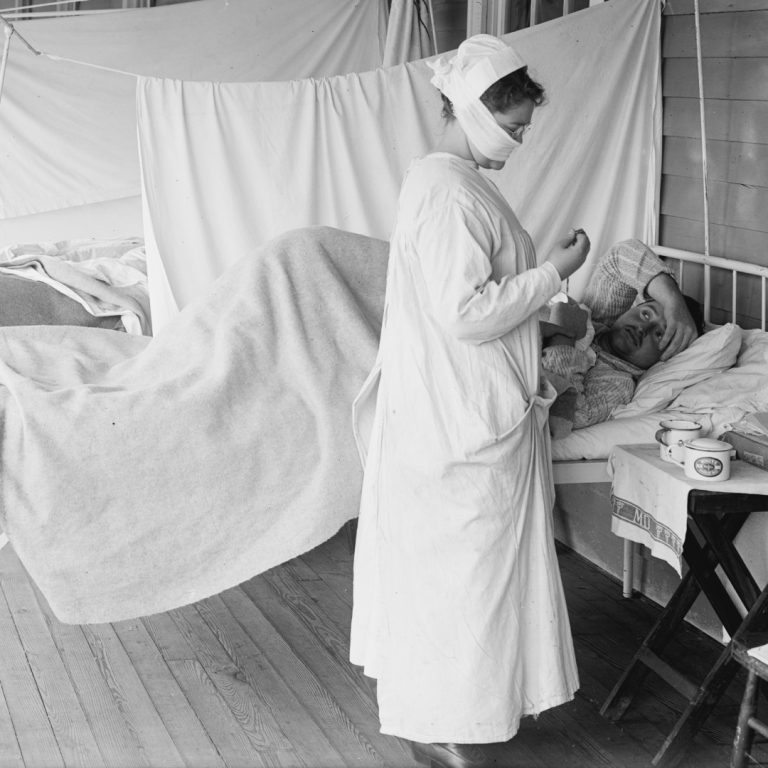
On Sept. 27, 1918, local Nashville newspapers reported that there were at least a handful of cases within…

On Sept. 27, 2018, New York State Health Commissioner Dr. Herman Biggs issued information to New York state…
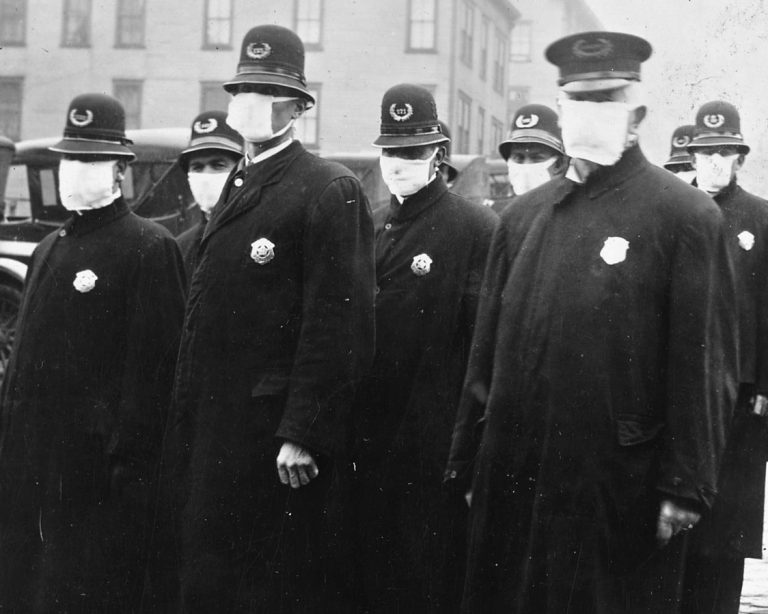
On Sep. 27, 1918, a young Denver University student named Blanche Kennedy, died of pneumonia a few days…
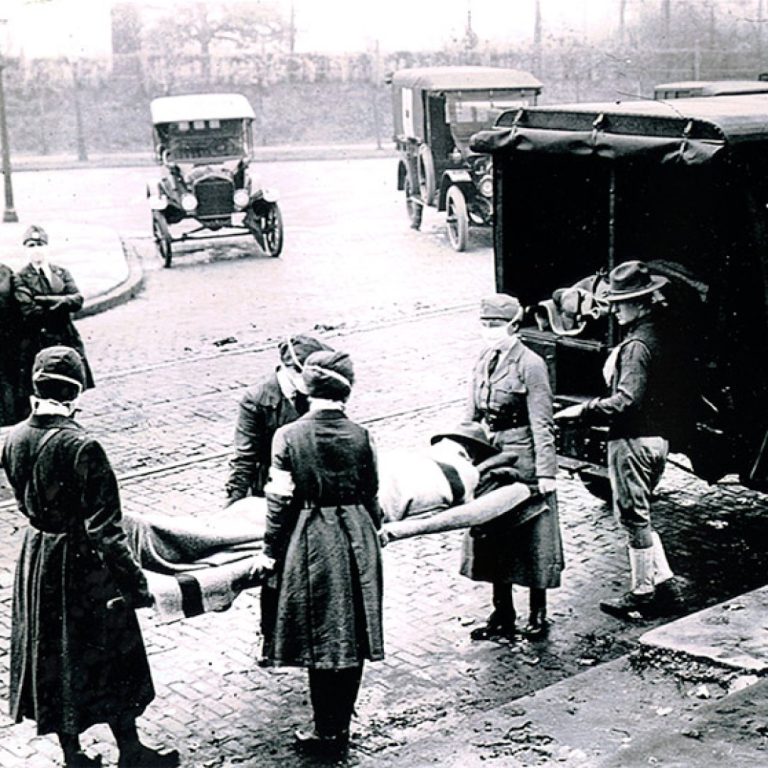
On Sept. 27, 1918, Kansas City, Missouri reported its first influenza outbreak cases at two army motor corps…
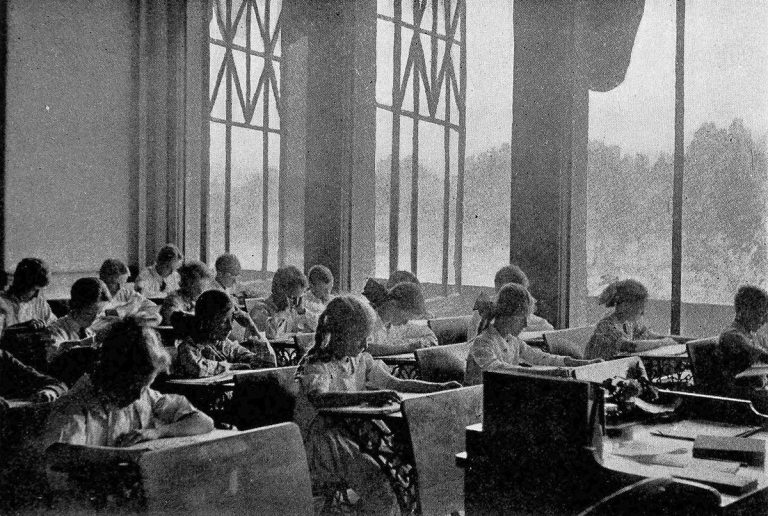
On Sept. 26, 1918, Washington, D.C. Health Officer Dr. W. C. Fowler warned the public to be cautious…

On Sep. 26, 1918, Boston’s health commissioner Dr. William C. Woodward issued a closure order for theaters, movie…
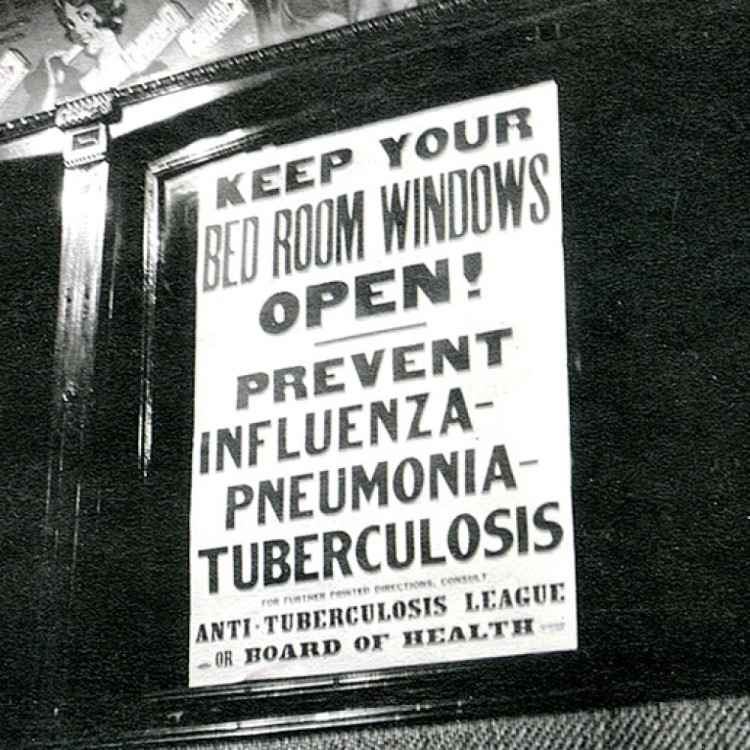
On Sept. 26, 1918, Baltimore city Health Commissioner Dr. John Blake dismissed the circulating influenza as not being…

On Sept. 25, 1918, Boston’s health commissioner Dr. William C. Woodward announced that all Boston public schools were…
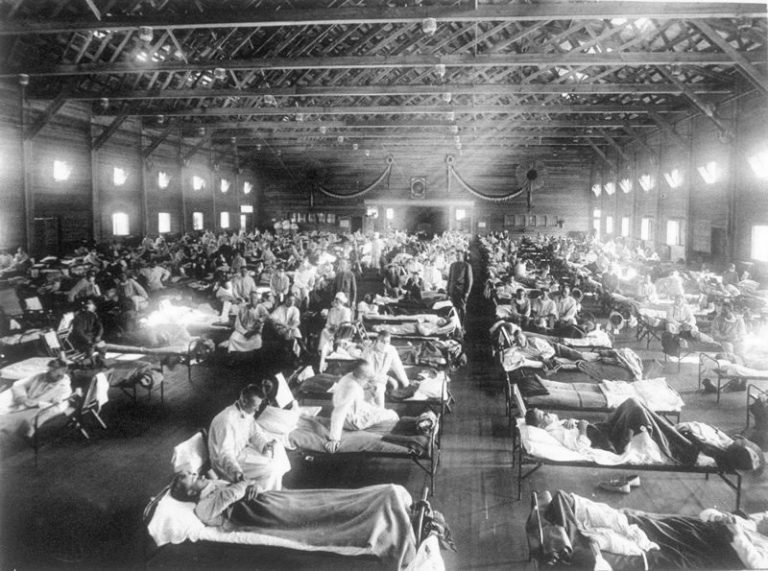
On Sept. 24, 1918, as the national press covered the escalating influenza epidemic on the East Coast, Dallas…

On Sept. 24, 1918, over 100 soldiers near Louisville were reported to have influenza, from which the outbreak…
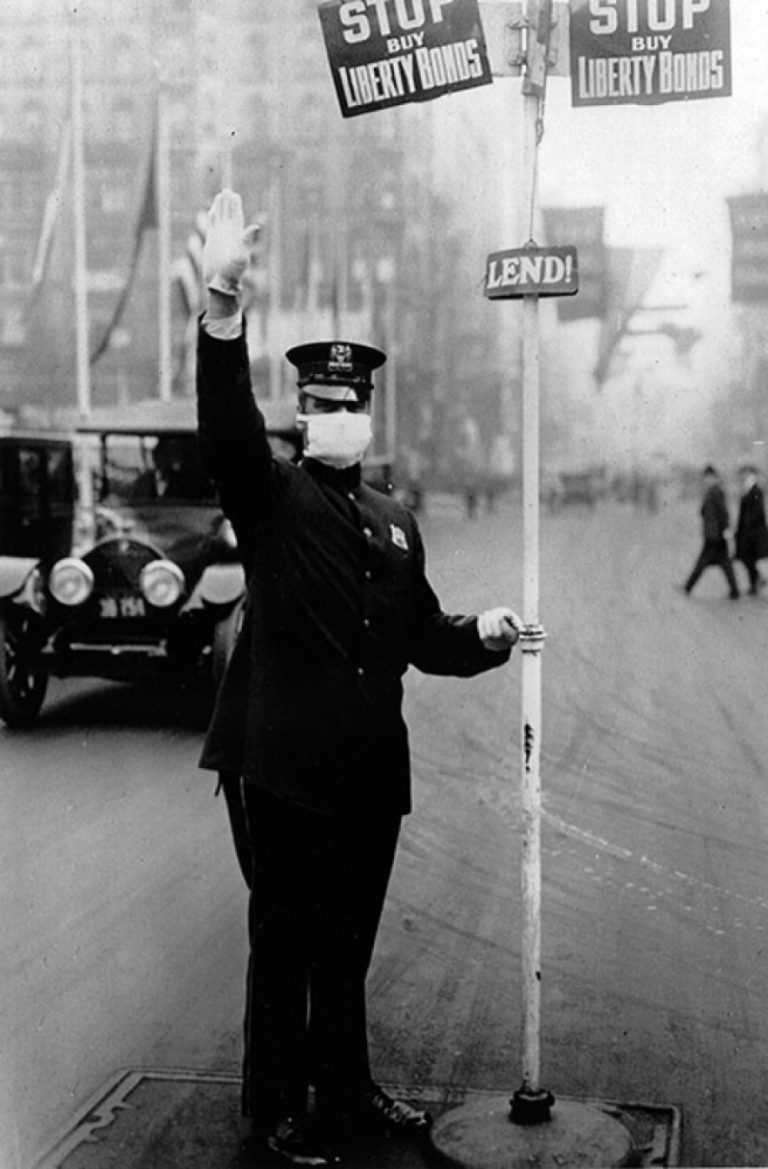
On Sept. 24, 1918, Massachusetts Governor Samuel W. McCall held a conference call with state health and safety…
On Sept. 24, 1918, a small number of influenza cases among soldiers at Camp Meade–some 25 miles north…
By Sept. 23, 1918, the total number of influenza victims jumped to 334. That situation was growing increasingly…
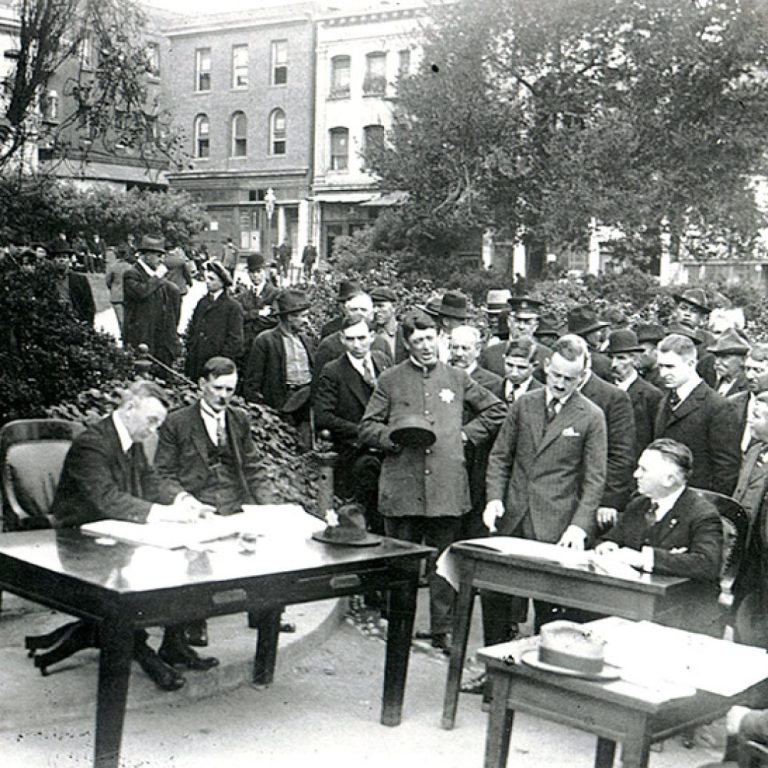
On Sept. 23, 1918, the Spanish Flu reached San Francisco when city health officer Dr. William C. Hassler…
On Sept. 22, 1918, Cleveland received its first warning of the influenza epidemic from City Health Commissioner Dr….
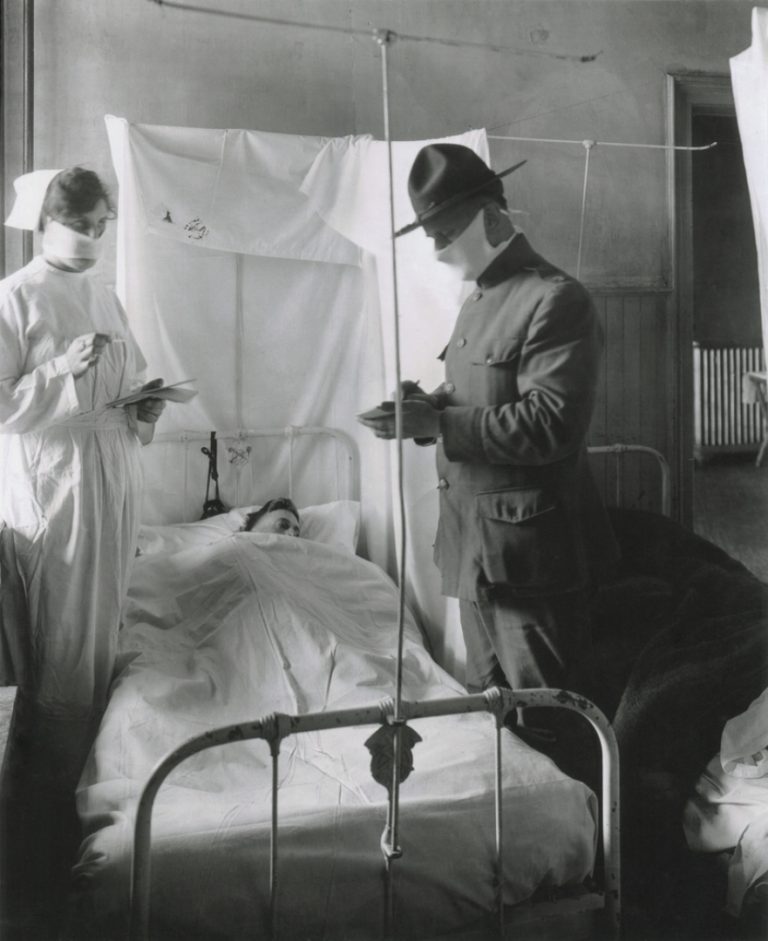
On Sept. 22, 1918, the first civilian cases in Los Angeles appeared, although influenza was not made a…
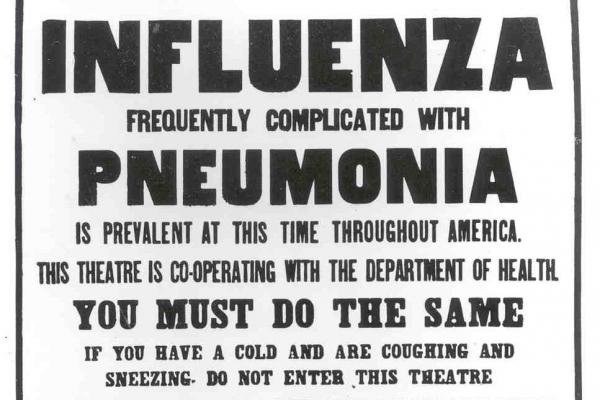
On Sept. 21, 1918, the Philadelphia Board of Health made influenza a mandatory reportable disease, as the epidemic…