USC study reveals differences in early Alzheimer’s brain markers across diverse populations
On Mar. 12, 2026, a team of researchers at the University of Southern California Mark and Mary Stevens…
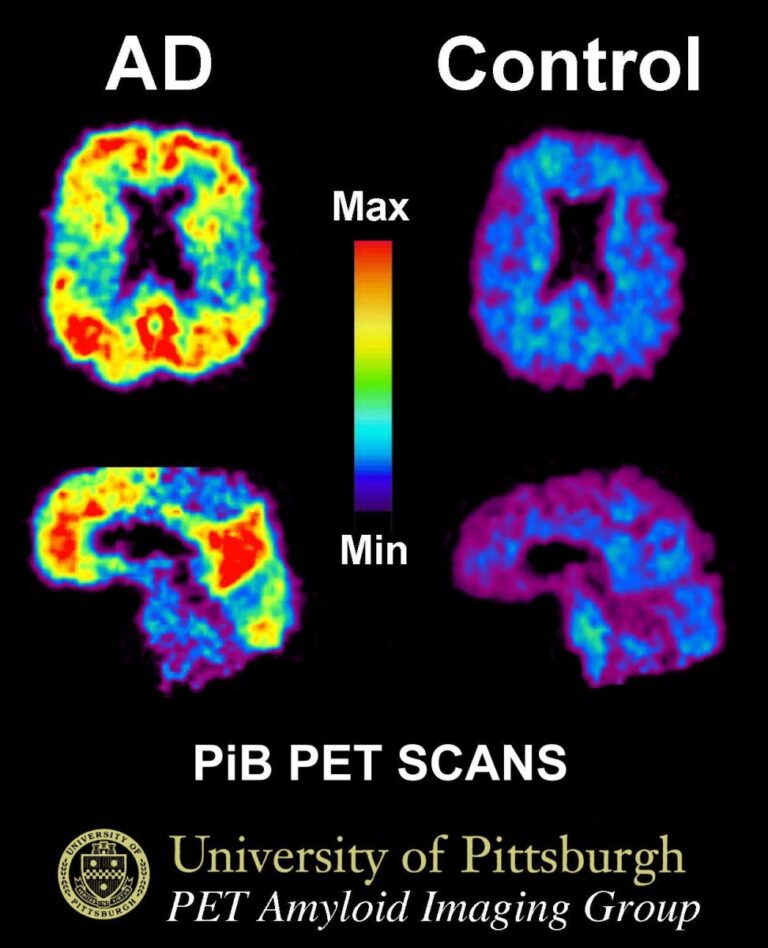
On Mar. 12, 2026, a team of researchers at the University of Southern California Mark and Mary Stevens…
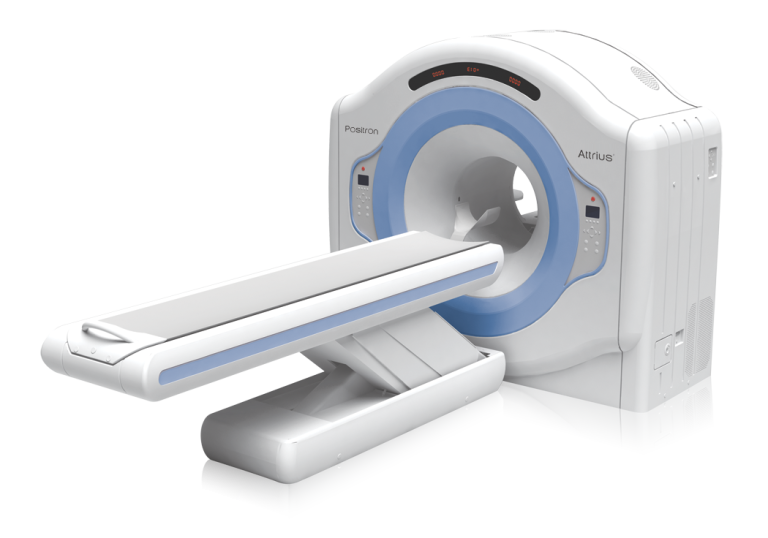
On Jan. 22, 2025, researchers at Dana-Farber Cancer Institute announced they have developed a breakthrough method to detect…
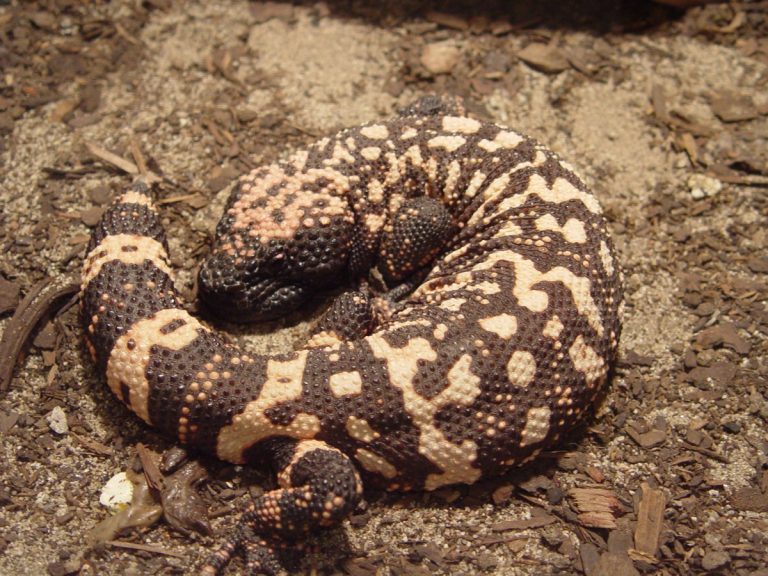
On Oct. 18, 2024, a research team led by Radboud university medical center reported that a new PET…
On Dec. 1, 2020, the FDA approved Gallium 68 PSMA-11 (Ga 68 PSMA-11) ヨ the first drug for…
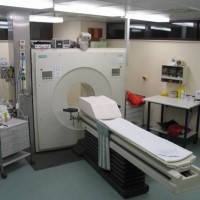
On Oct. 2, 2020, Yale scientists announced construction of the next-generation human brain PET scanner, the NeuroeXplorer (NX),…
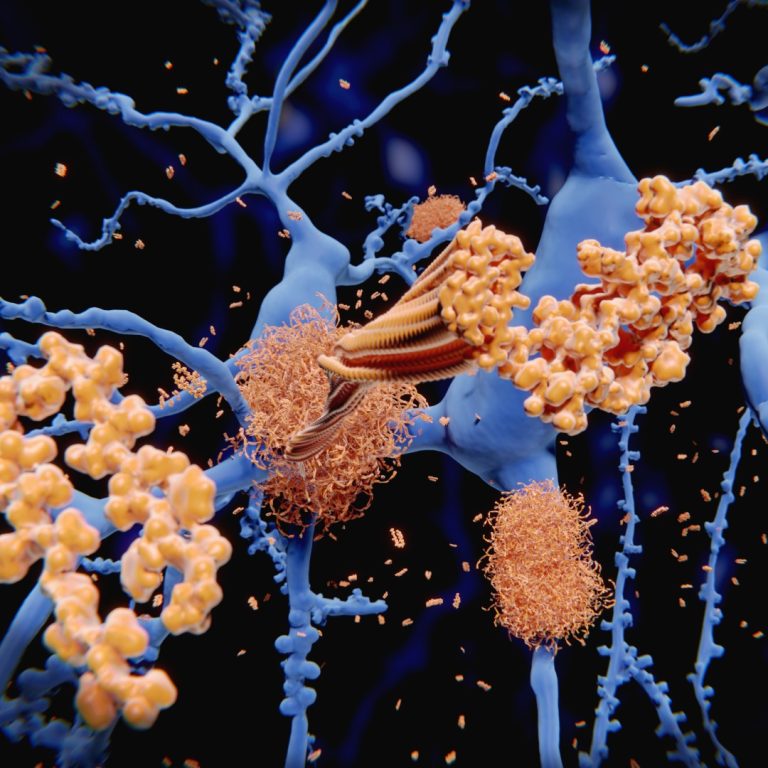
On May 28, 2020, the FDA approved Avid Radiopharmaceuticals’ Tauvid (flortaucipir F18) for intravenous injection, the first drug…
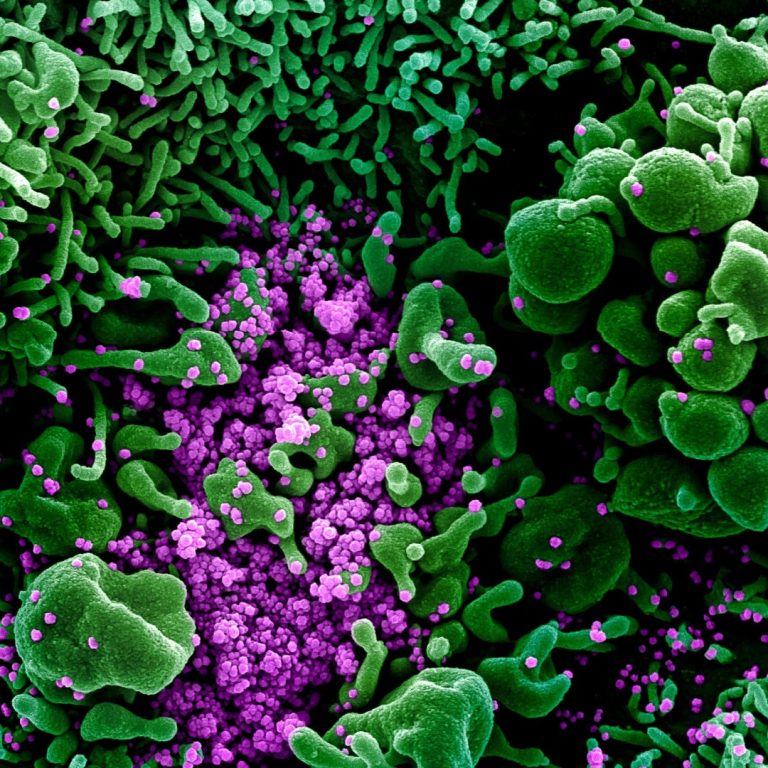
On Apr. 9, 2020, the first participants were enrolled in the trial at Vanderbilt University Medical Center, Nashville,…
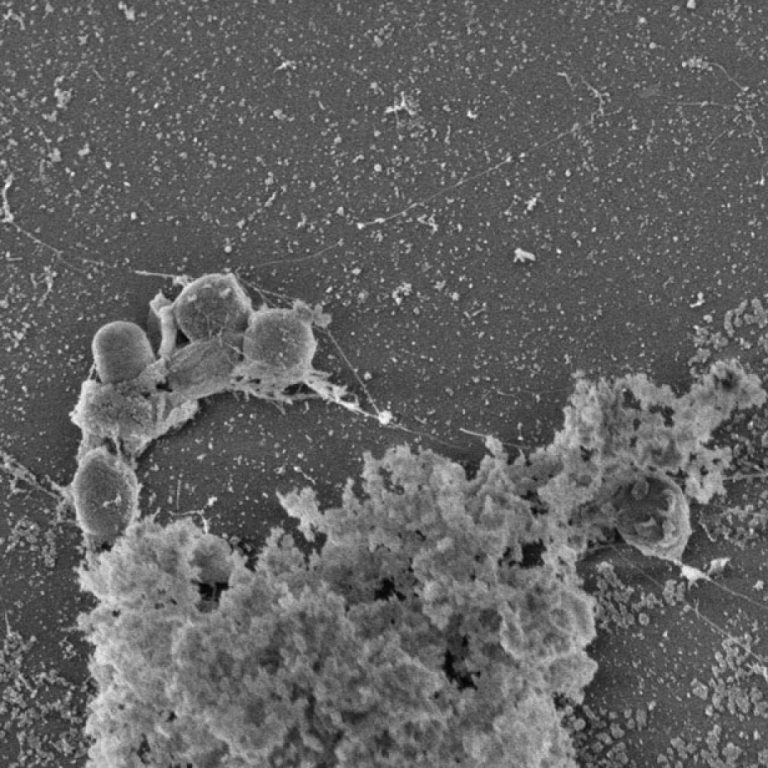
On May 2, 2018, Reed College announced that bio major Morgan Vague ’18 had isolated and bred three…

On Jun. 21, 2004, the Huntsman Cancer Center Hospital was dedicated featuring a full-field digital mammography unit, a…
On Dec. 4, 2000, the PET/CT scanner was named by TIME Magazine as the medical invention of the…
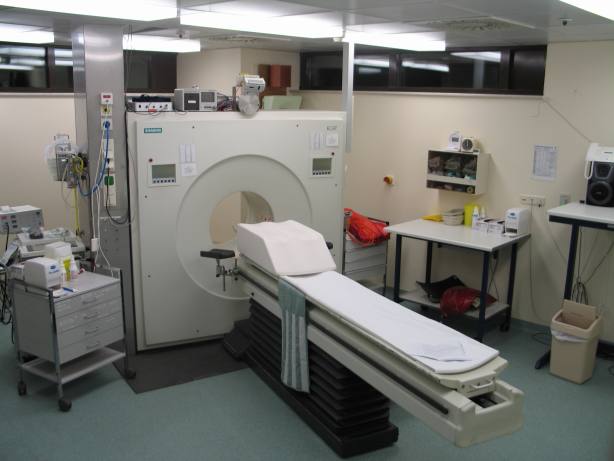
On Oct. 1, 1986, Positron emission tomograph (PET) and Computed tomography (CTC) were installed at the University of…
In 1984, fluoroestradiol (FES) was first developed by researchers Michael J. Welch, PhD from Washington University at St….
In 1973, American scientists Michael E. Phelps and Edward J. Hoffman developed position emission tomography (PET) scans, a…
In 1972, positron emission tomography (PET) imaging was invented by researchers at Washington University – St. Louis including…
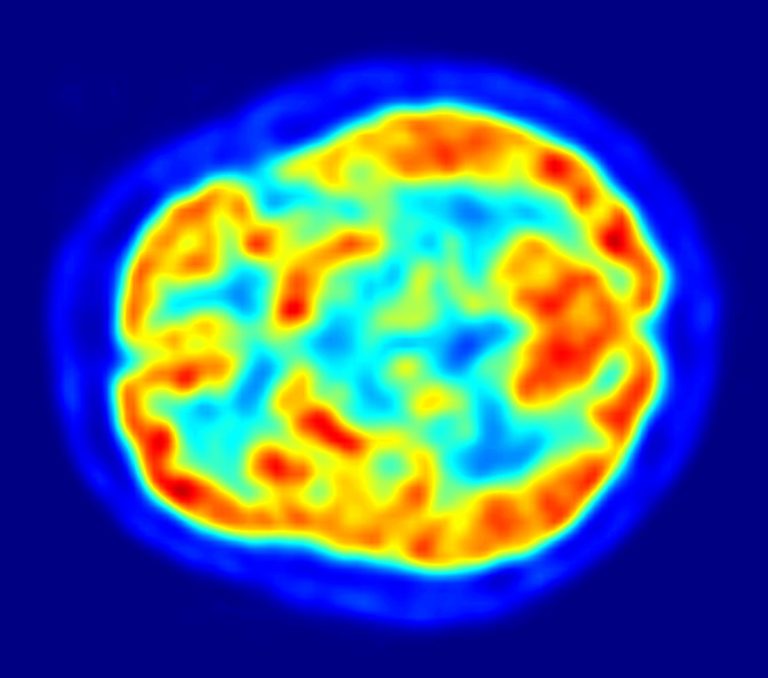
In 1970, Massachusetts General Hospital (MGH) researchers in the Physics Research Laboratory, under Dr. Gordon Brownell, utilized 2D…