The Priestley Medal was awarded to Joel H. Hildebrand
In 1962, the American Chemical Society awarded the Priestley Medal Joel H. Hildebrand “to recognize distinguished services to…

In 1962, the American Chemical Society awarded the Priestley Medal Joel H. Hildebrand “to recognize distinguished services to…
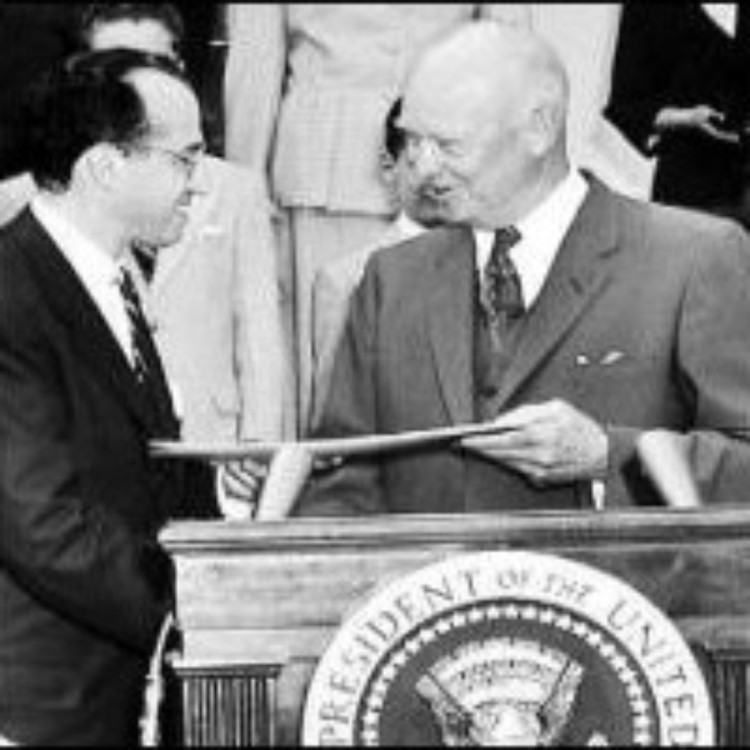
On Jan. 27, 1956, Dr. Jonas Salk, developer of the Polio vaccine released in 1955, received a special…
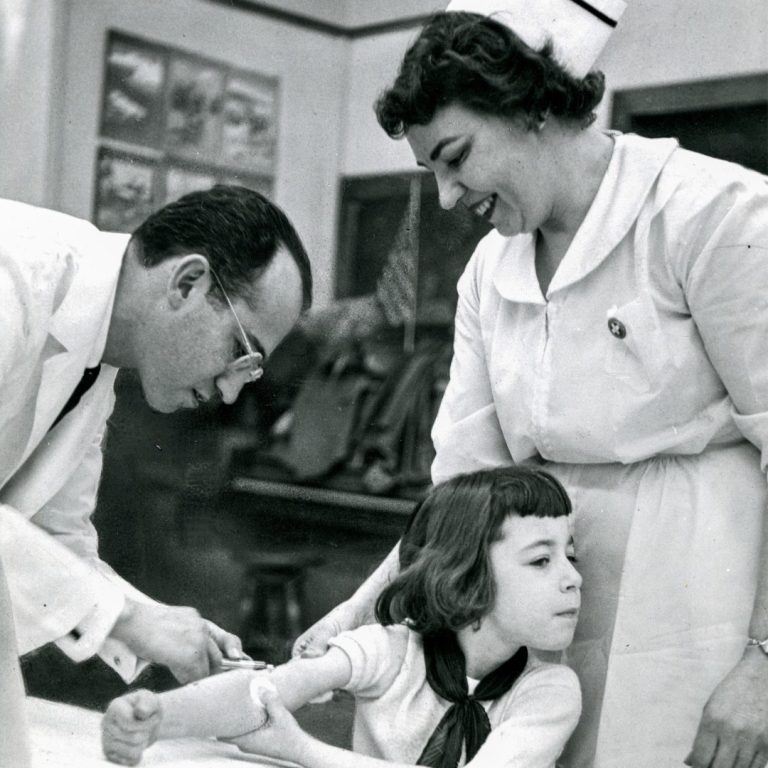
In February 1954, first-, second- and third-grade students from five suburban schools were the first to be inoculated…
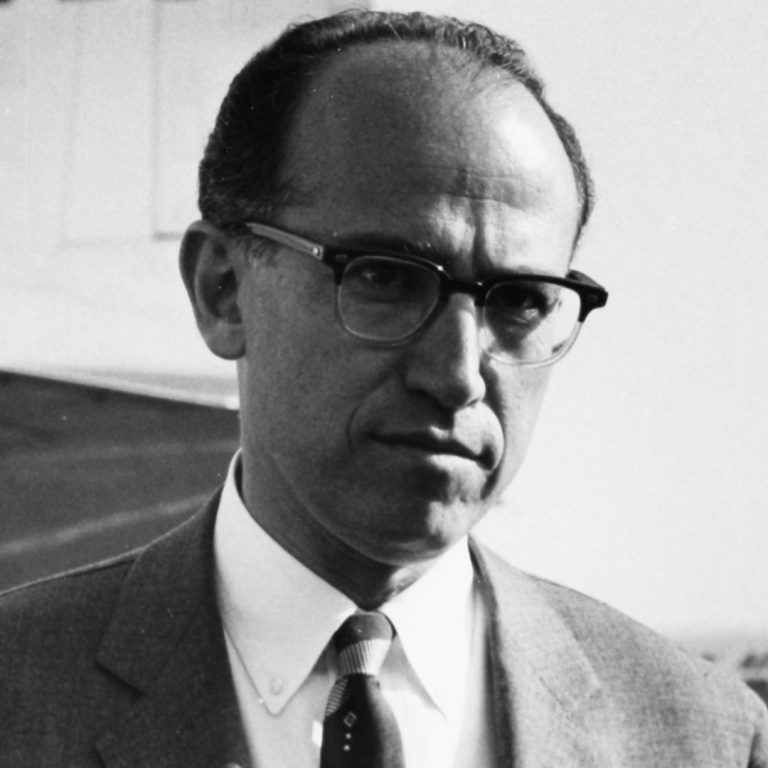
In 1954, Dr. Jonas Salk and associates develop a potentially safe injectable vaccine against polio given to nearly…
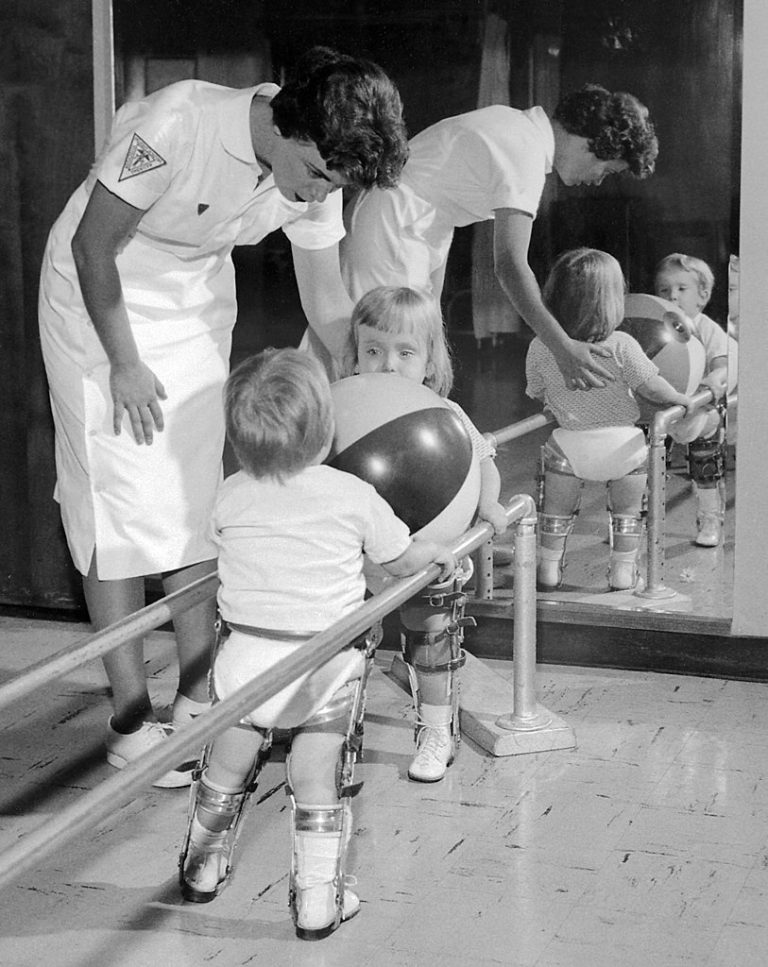
In 1951, Lewis L. Coriell whose history in polio research began during his residency at Children’s Hospital of…
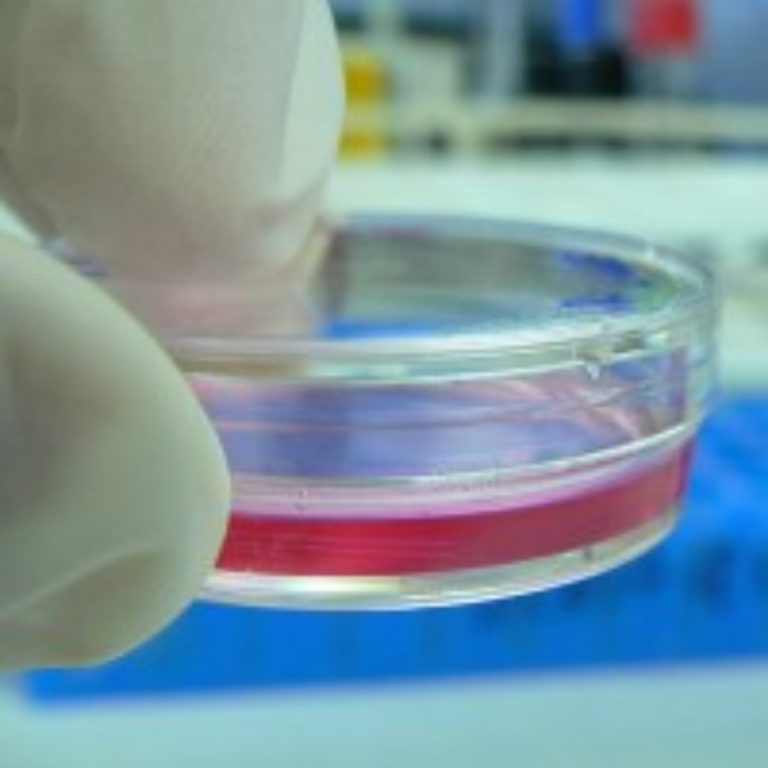
In 1951, Dr. Jonas Salk and his team began using Dr. John F. Enders’ methods to grow poliovirus,…

In 1949, Dr. Jonas Salk, with grants from the National Foundation for Infantile Paralysis, the Pitt team and…

In 1948, the American Chemical Society awarded the Priestley Medal to Edward R. Weidlein “to recognize distinguished services…

In 1935, Maurice Brodie, a research assistant at New York University, attempted to produce a formaldehyde-killed polio vaccine…
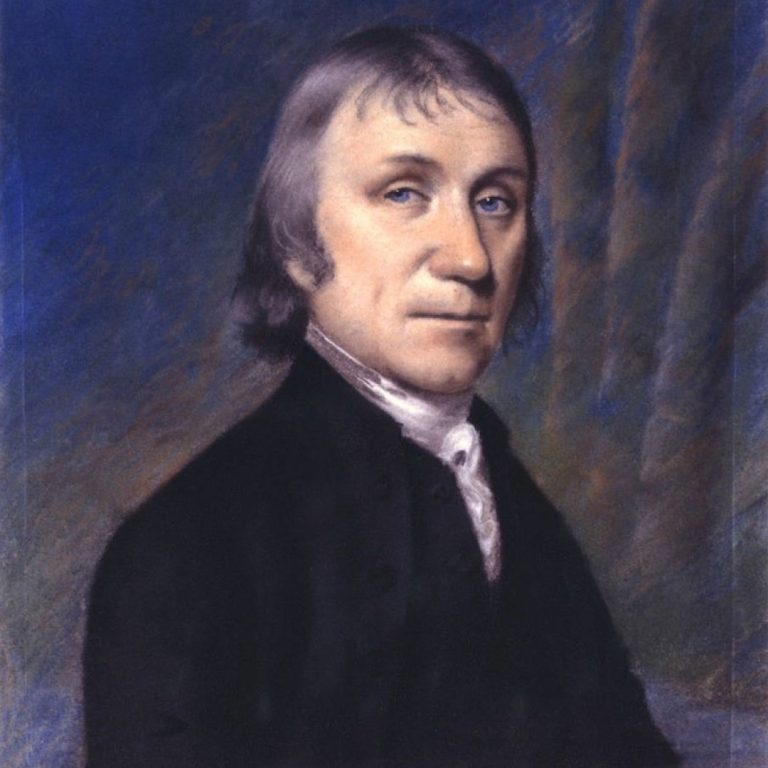
In 1922, the Priestley Medal, named for Joseph Priestley, was awarded for first time by the American Chemical…
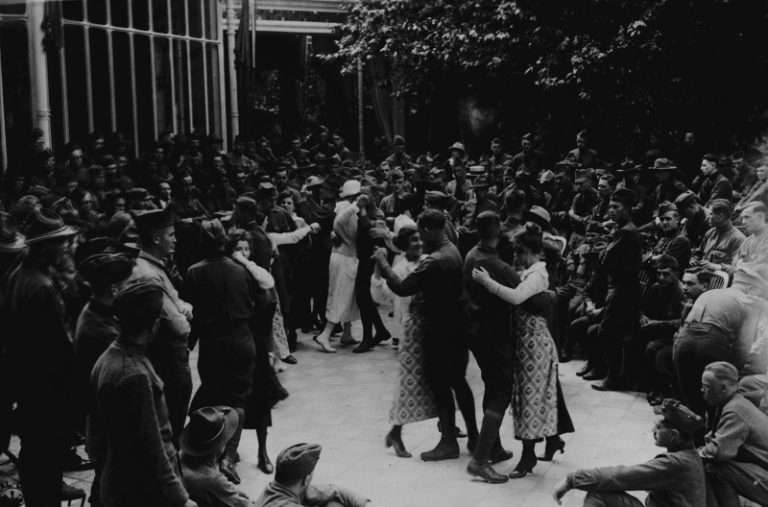
By Oct. 15, 1918, over 3,500 Bostonians had died from influenza or resulting pneumonia since the epidemic began….
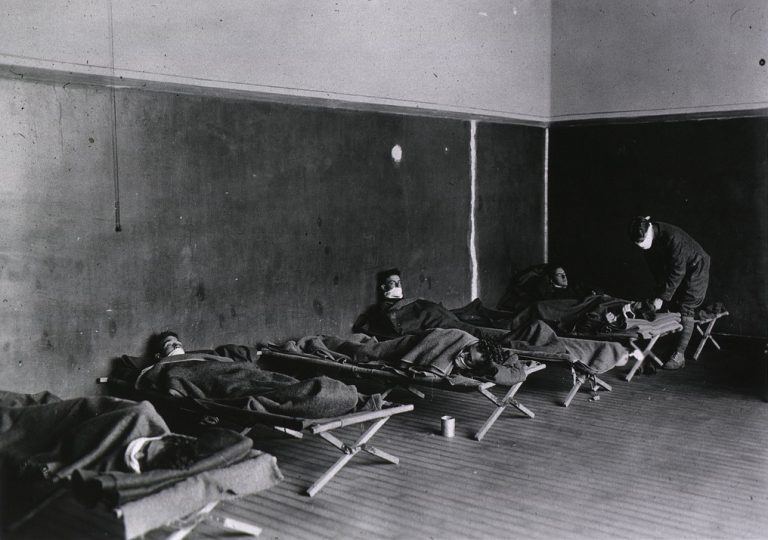
By Oct. 7, 1918, influenza cases in Philadelphia had risen by over 3,000 new cases, overwhelming medical facilities….
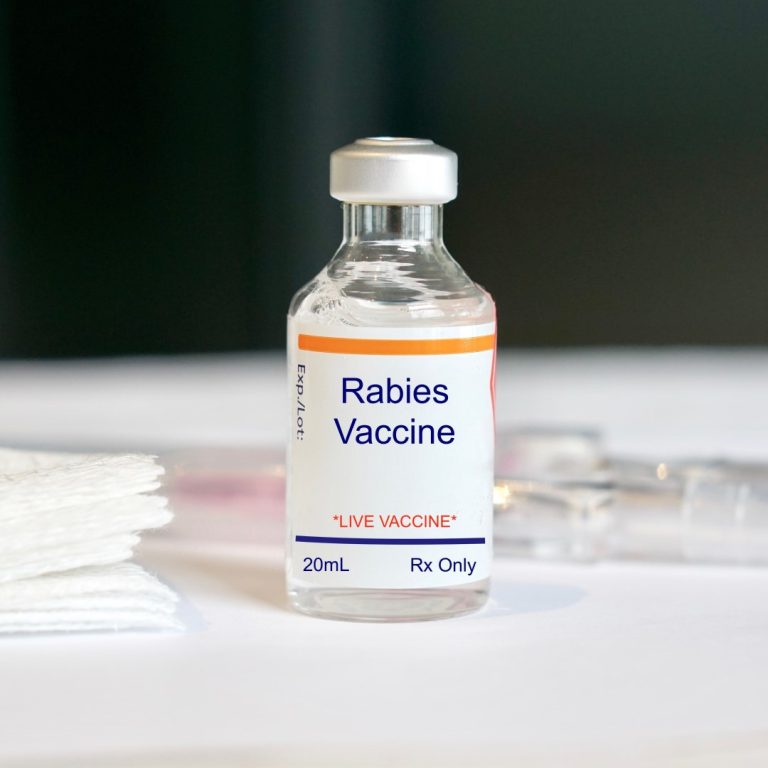
In 1914, rabies vaccine was first licensed in the U.S. The H. K. Mulford Company, founded in Philadelphia…

In 1904, Fox Chase Cancer Center was founded by the union of American Oncologic Hospital and the Institute…

In 1897, Matilda Evans, M.D became the first African-American woman licensed to practice medicine in South Carolina. In…
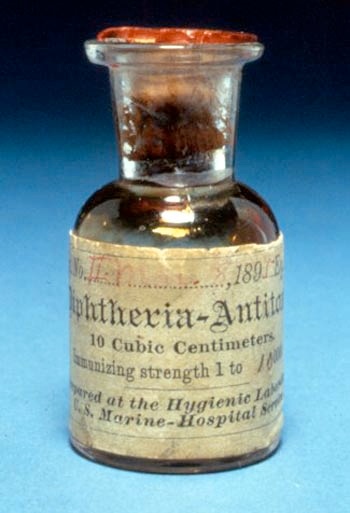
In 1895, the H. K. Mulford Company, founded in Philadelphia, became the first commercial producer of diphtheria antitoxin…

In 1892, The Wistar Institute, the nation’s first independent biomedical research facility, was founded and is the namesake…

In 1891, Louise Lulu Fleming became the first African American to attend The Women’s Medical College in Philadelphia.

In 1890, J.E. Hanger Company enterprise expanded with offices in St. Louis, Atlanta, Pittsburgh, Baltimore, and Philadelphia. James…
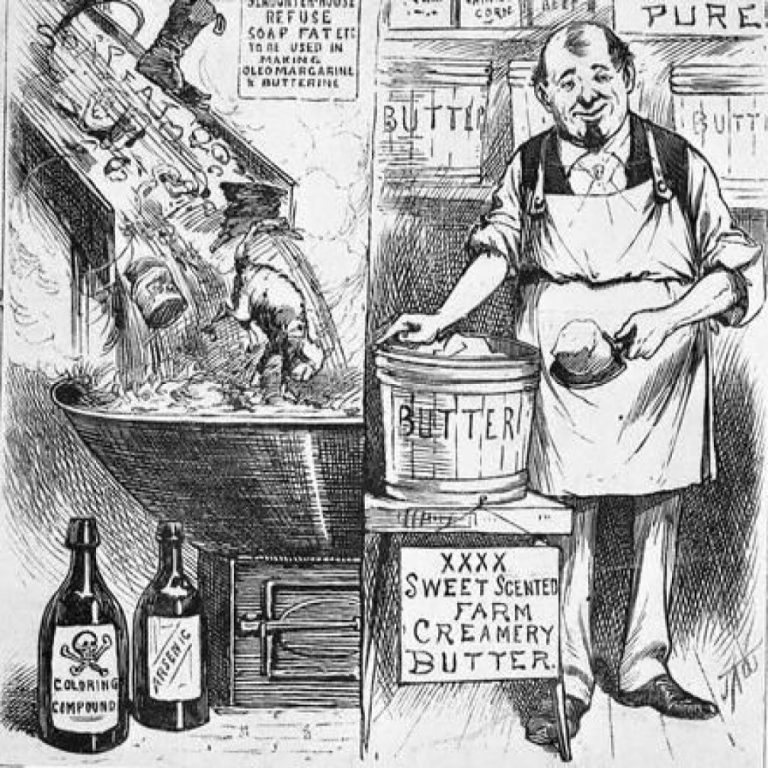
On Aug. 2. 1886, the U.S. Congress passed the Oleomargarine Act which among other things, directed the Secretary…

In 1830, John K .Smith opened his first drugstore in Philadelphia, and was soon joined by his younger…

In 1824, the Medical College of South Carolina opened. Although the College of Medicine was not officially established…
In 1799, Philadelphia (then capital of the U.S.) construct an expansive quarantine station called the Lazaretto along the…

In 1793, after 31 years of absence a yellow fever epidemic struck Philadelphia killing thousands of city residents…
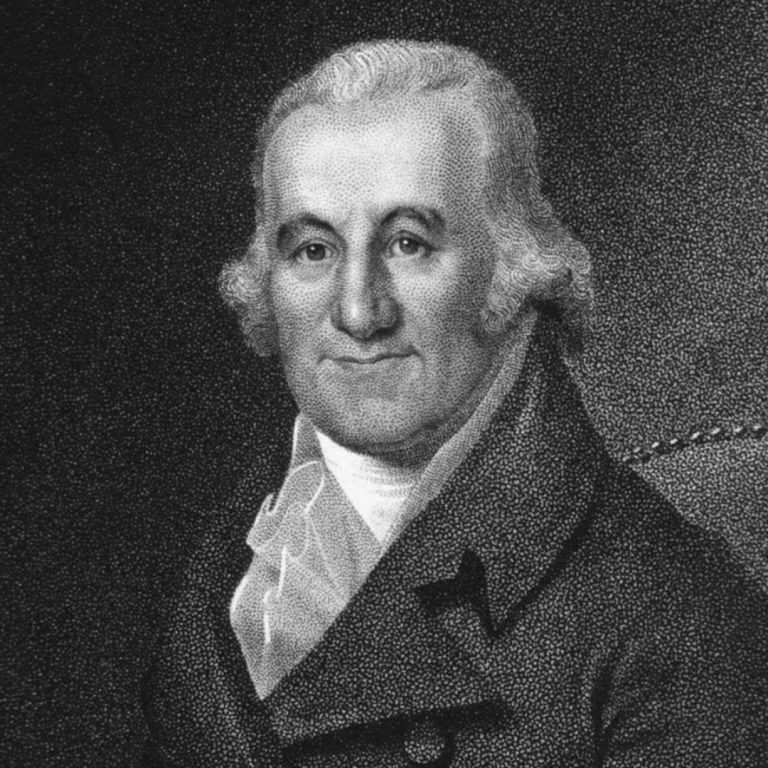
In 1787, Caspar Wistar, M.D., began his medical practice in Philadelphia. Dr. Wistar was the author of the…
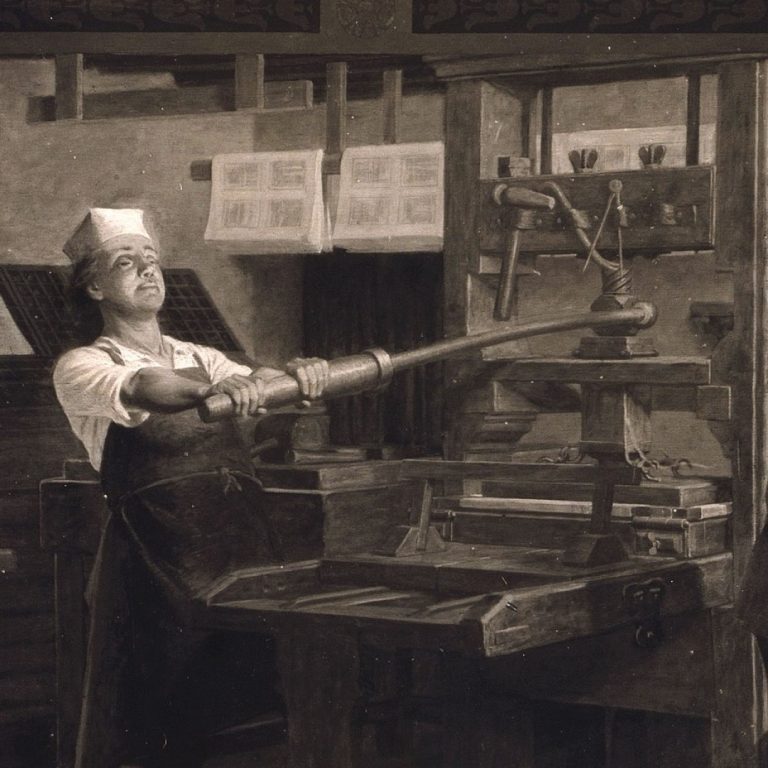
In 1749 in Philadelphia, Benjamin Franklin presented his vision of a school in a pamphlet titled Proposals for…

In 1743, the University of Delaware traces its roots to the Free School founded in New London, Pennsylvania…