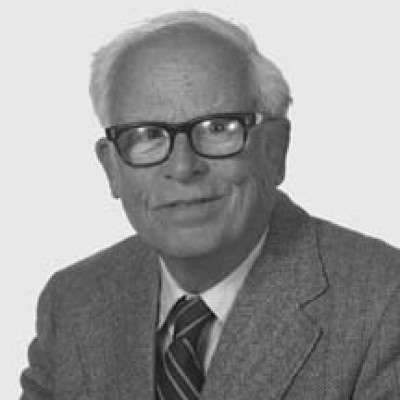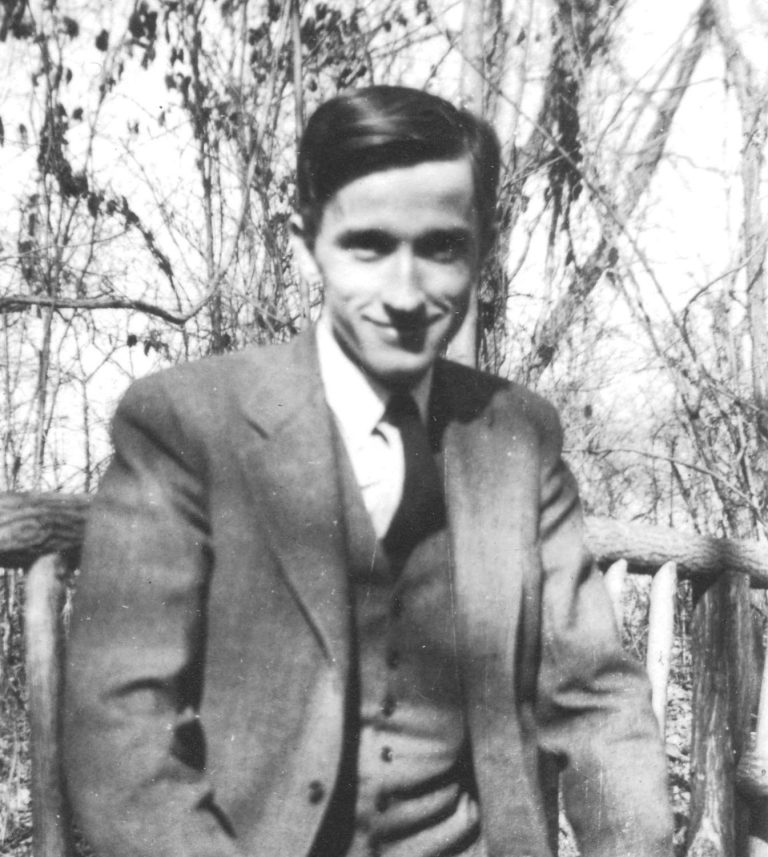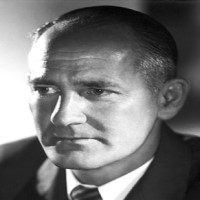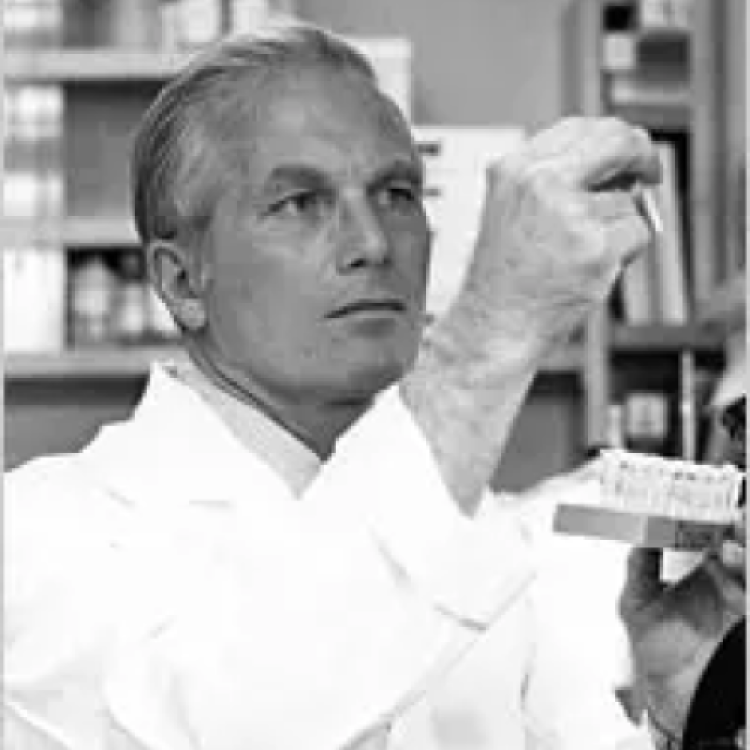
Immunologist Frank Dixon was appointed chair of the biomedical research operations at the Scripps Clinic and Research Foundation
In 1970, immunologist Frank Dixon was appointed chair of the biomedical research operations at the Scripps Clinic and…
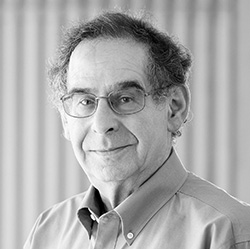
In 1970, the first oncogene termed src was discovered in a chicken retrovirus. Dr. G. Steve Martin at…
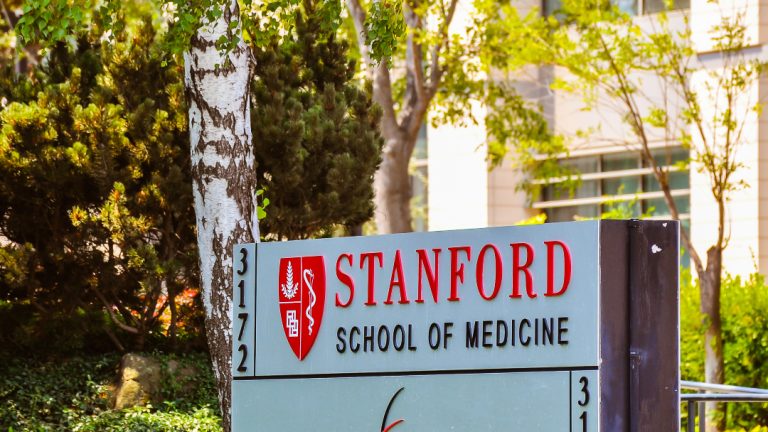
In 1970, in an effort to help new mothers rest and become acquainted with handling their infants, Stanford…
In 1969, the American Chemical Society awarded The Priestley Medal to Kenneth S. Pitzer “to recognize distinguished services…
In 1969, Max Delbruck of the California Institute of Technology was awarded the 1969 Nobel Prize in Physiology…
In 1968, University of California, San Diego Medical Center surgeons performed the region’s first kidney transplant.
In 1968, Stanford Medicine researchers discovered that insulin resistance is the principal physiologic characteristic of mild type-II diabetes…
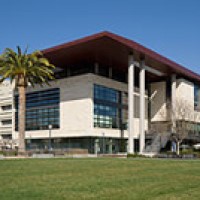
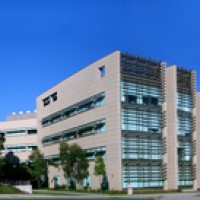
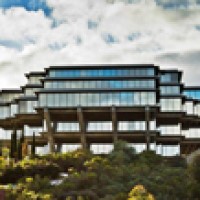
In 1967, the construction of the Salk Institute for Biological Studies was completed. the original Institute buildings were…
In 1967, Stanford Medicine researchers become the first to synthesize biologically active DNA in test tube.
In 1967, UC San Diego began operating モUniversity Hospitalヤ as its primary clinical teaching facility.
In 1965, Stanford Medicine developed a technique for extracting anti-hemophilic globulin, the blood fraction needed to prevent bleeding…
In May 1964, Blair Simmons and a Stanford University colleague implanted a 6-electrode array into the modiolus of…
In 1964, Stanford Medicine achieved the first successful clinical application of laser photocoagulation to treat detached retina (retinal).
In 1963, the first biomedical and environmental research program began at Livermore. John Gofman, a distinguished professor at…
In 1962, biochemist Frank Huennekens joined the Scripps Clinic and Research Foundation from the University of Washington Medical…
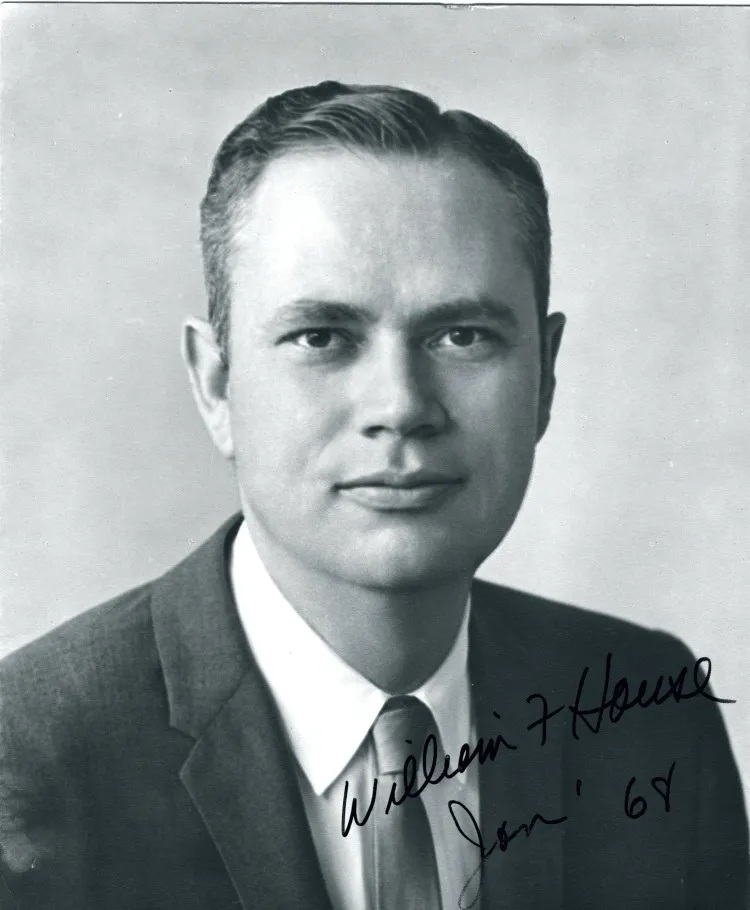
On Mar. 1, 1961, the first successful single-channel cochlear implant was performed by Dr. William House and John…
In 1961, fifty Air Force reservists began a new training program at Palo Alto-Stanford Hospital to become medical…
On Nov. 18, 1960, the University of California, San Diego was officially established. The campus was realized through…
In 1960, University of California Radiation Laboratory (Livermore) researchers, in a groundbreaking application of computers to study biology,…
In 1960, Sam, a lively four-year-old pointer with a transplanted heart valve, was named research dog hero of…
In 1960 Dr. Roy Cohn, MD of Stanford Medicine performed the first kidney transplant in California.
In 1960, the University of California, San Diego department of biology was officially founded. The department was later…
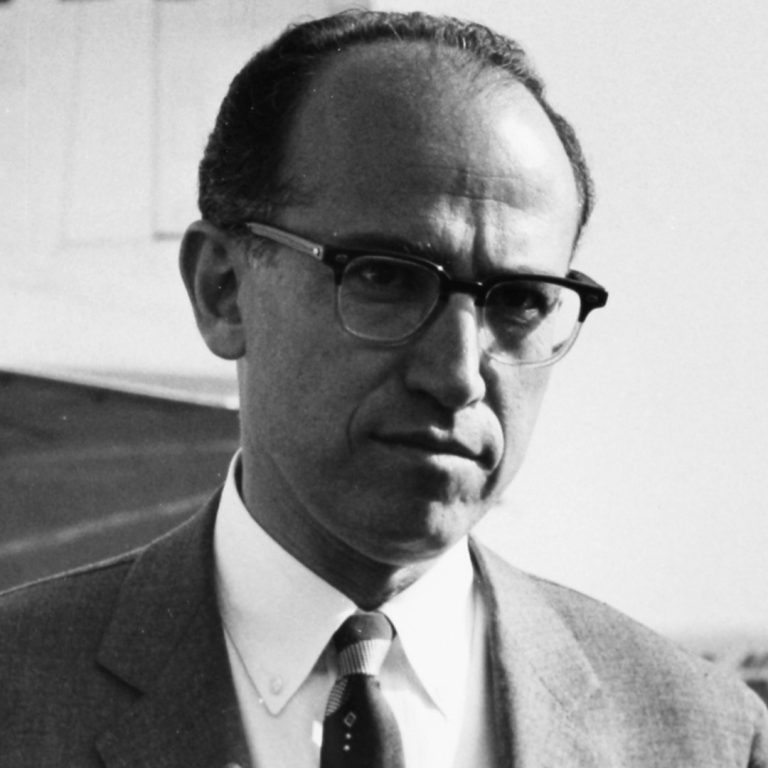
In 1959, the Salk Institute was initially envisioned by Jonas Salk, M.D., the developer of the polio vaccine,…
In 1959, University of California, Davis plant biologists Ralph Stocking and Ernest Gifford discovered that plant chlorplasts contain…
In 1958, George Wells Beadle of the California Institute of Technology was awarded the 1958 Nobel Prize in…
On Mar. 4, 1956, Sandia opened second laboratory and transferred personnel from Albuquerque to Livermore, California and began…
In 1956, the University of California Radiation Laboratory, now known as the Lawrence Livermore National Laboratory (LLNL) acquired…
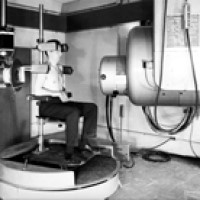
In 1956, Stanford Medicine became the first to use linear accelerator to treat cancer in Western hemisphere.
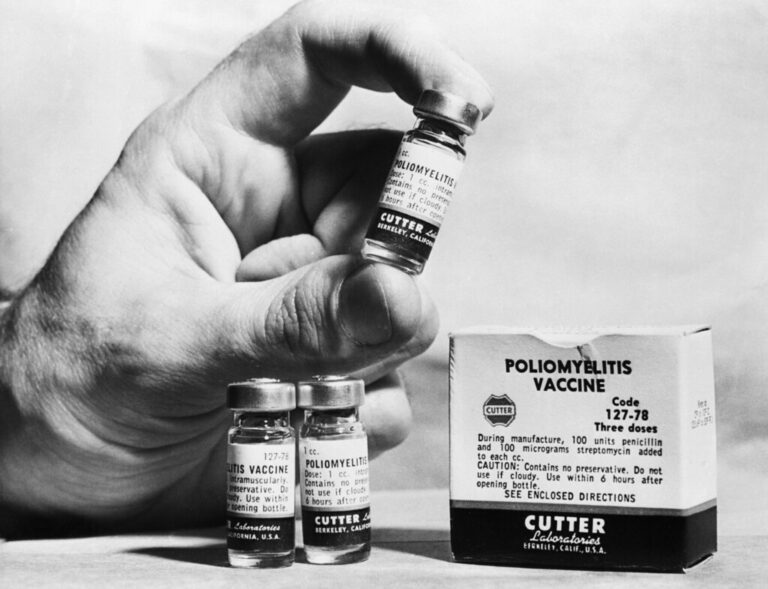
On Apr. 26, 1955, Officials first noticed an increase in reported polio cases in California. In April 1955…
In April 1955, Cutter Laboratories, located in Berkeley, California and one of several companies licensed by the U.S….