University of Missouri scientists assisting Missouri officials with Coronavirus Sewer shed Surveillance Project
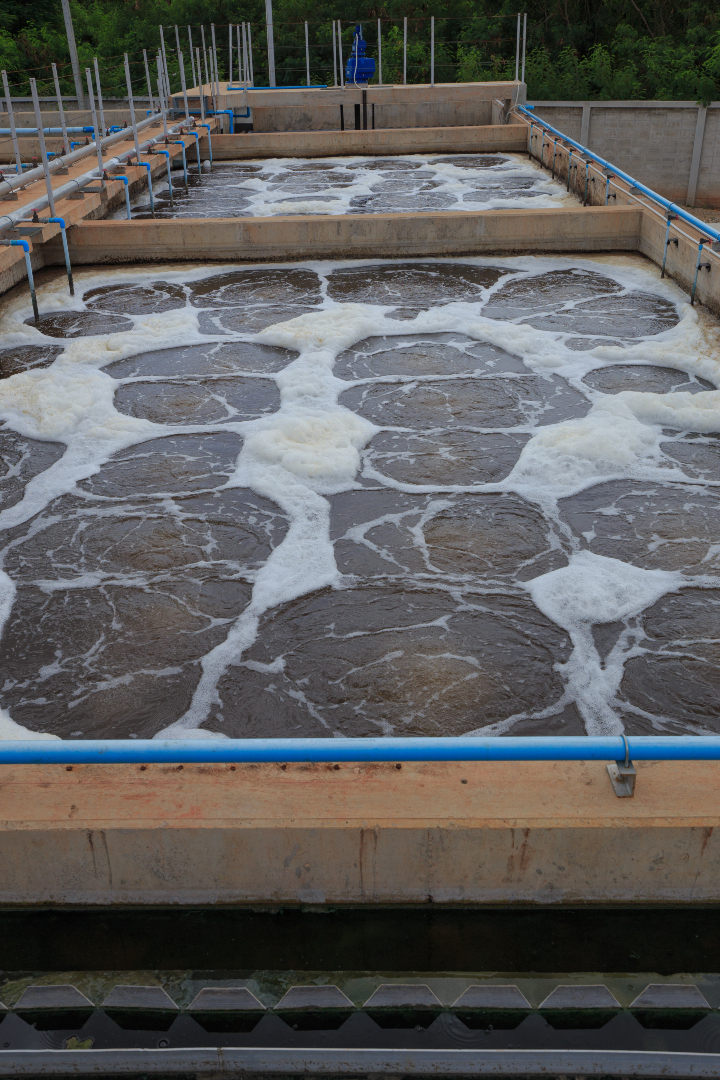
On Jun. 23, 2020, studies in the Netherlands and other places have shown that the presence of SARS-Coronavirus-2, or the novel coronavirus, can be detected in human waste. These studies have led to several ongoing projects throughout the world exploring how waste can be used to monitor the geographic circulation of viruses by providing early detection of its presence in places where people are connected to a centralized wastewater treatment system.
Over the course of the next year, University of Missouri researchers partnered with the Missouri Department of Health and Senior Services and the Missouri Department of Natural Resources in the Coronavirus Sewershed Surveillance Project. This new project will detect the presence of the novel coronavirus in samples of wastewater from across the state to help inform disease mitigation efforts. The MU researchers said the project can provide early detection of an upcoming COVID-19 outbreak or future spike in the number of positive novel coronavirus cases in a specific community.
The researchers said at first glance, this might seem like a simple task, but it is a complex process. Once MU receives a sample of wastewater from the state, they will extract a sample of genetic material, or RNA, from the virus. But that effort also involves separating the virus from larger particles of waste. Once they have successfully extracted a sample of RNA, the team will use a process called quantitative reverse transcription polymerase chain reaction, or RT-qPCR, to allow scientists to amplify the RNA sample to study it in greater detail. Johnson will lead the effort to extract the RNA, and Lin will lead the rest of the analysis. Lin said his team has been using this RT-qPCR technology for the past 15 years to detect genetic materials and microbes in the environment. But, this is the first time he has worked on a human virus.
Tags:
Source: University of Missouri
Credit: