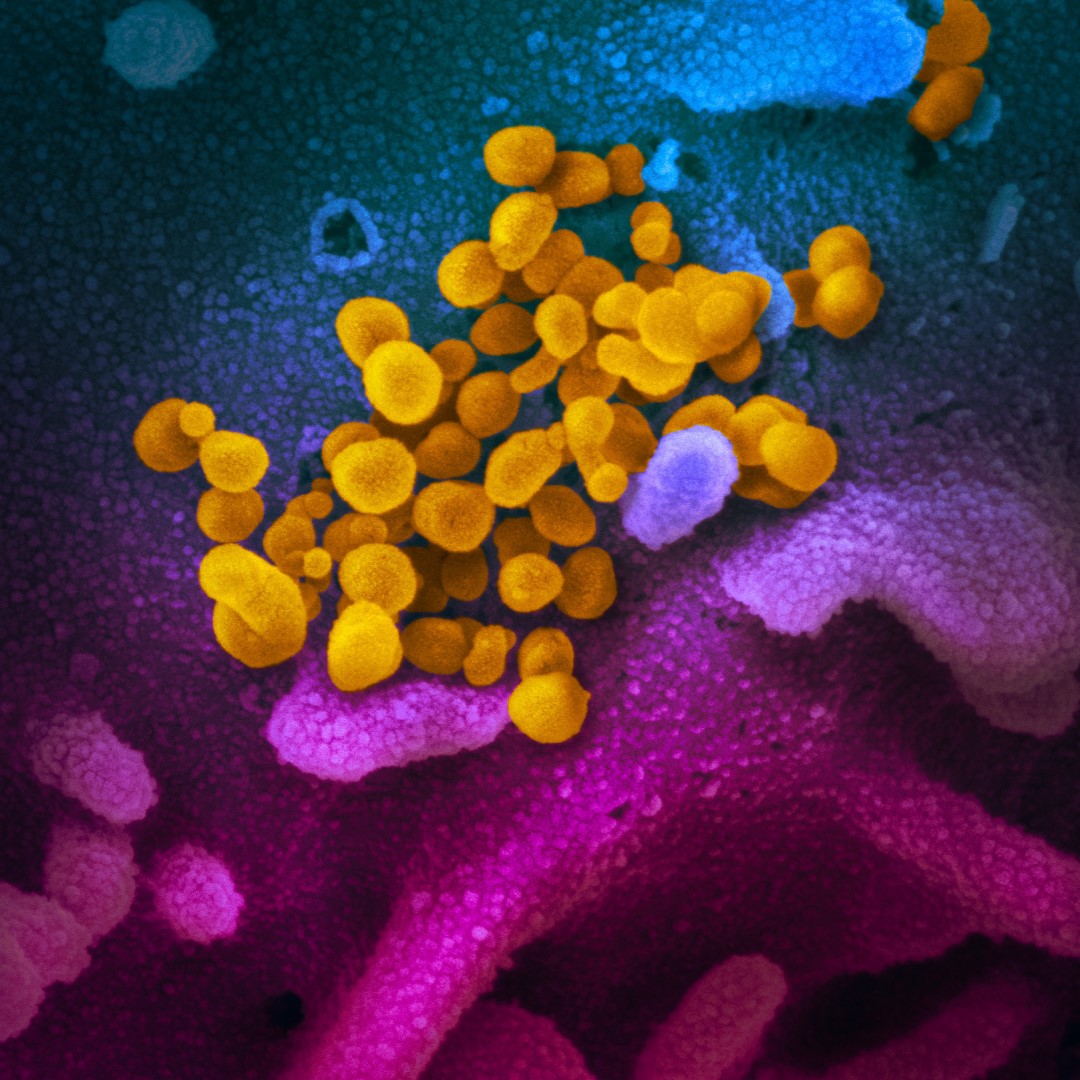
Sorrento announced COVIDTRAP(STI-4398) demonstrated in preclinical studies its ability to completely inhibit SARS-CoV-2 viral infection In vitro
On Jun. 5, 2020, Sorrento announced it had completed a preclinical batch of the STI-4398 (COVIDTRAP) protein and is reporting the positive results from preclinical testing of its ability to neutralize and inhibit SARS-CoV-2 virus from infecting ACE2-expressing cells, VERO/E6.
Since the beginning of the year, Sorrento has embarked on a multipronged strategy to search for and develop potent antidotes to the SARS-CoV-2 virus of COVID-19. Sorrento previously announced on May 15, 2020 that it had identified a neutralizing antibody, STI-1499, that demonstrated 100% inhibition of SARS-CoV-2 virus infection in an in vitro infection experiment at a low concentration. Sorrento believes STI-1499 could be a potent antidote for COVID-19 pending successful demonstration of its safety and efficacy in pre-clinical and clinical studies.
Consistent with the ambition outlined above in searching for and developing potential COVID-19 antidotes, Sorrento previously announced on March 20, 2020 that it had designed and produced its STI-4398 product candidate, a proprietary ACE2 (angiotensin-converting enzyme 2)-Fc fusion protein (COVIDTRAP), as a binding protein to the spike protein of the SARS-Cov-2 virus. The goal of STI-4398 is to produce a soluble SARS-CoV-2 virus-binding decoy receptor protein that binds to the spike protein and blocks the interaction of the spike protein of the SARS-CoV-2 virus with the ACE2 receptors present on the target respiratory epithelial cells. Sorrento is now reporting that in an in vitro assay, STI-4398 completely inhibited the ability of SARS-CoV-2 virus to infect VERO/E6 cells at a low concentration.
Sorrento has discussed with the Food and Drug Administration the development of this drug candidate and has received guidance on the path forward to a clinical trial for STI-4398, COVIDTRAP, for both the potential treatment of infected patients and as a potential prophylactic treatment to COVID-19.
Tags:
Source: PR Newswire
Credit: