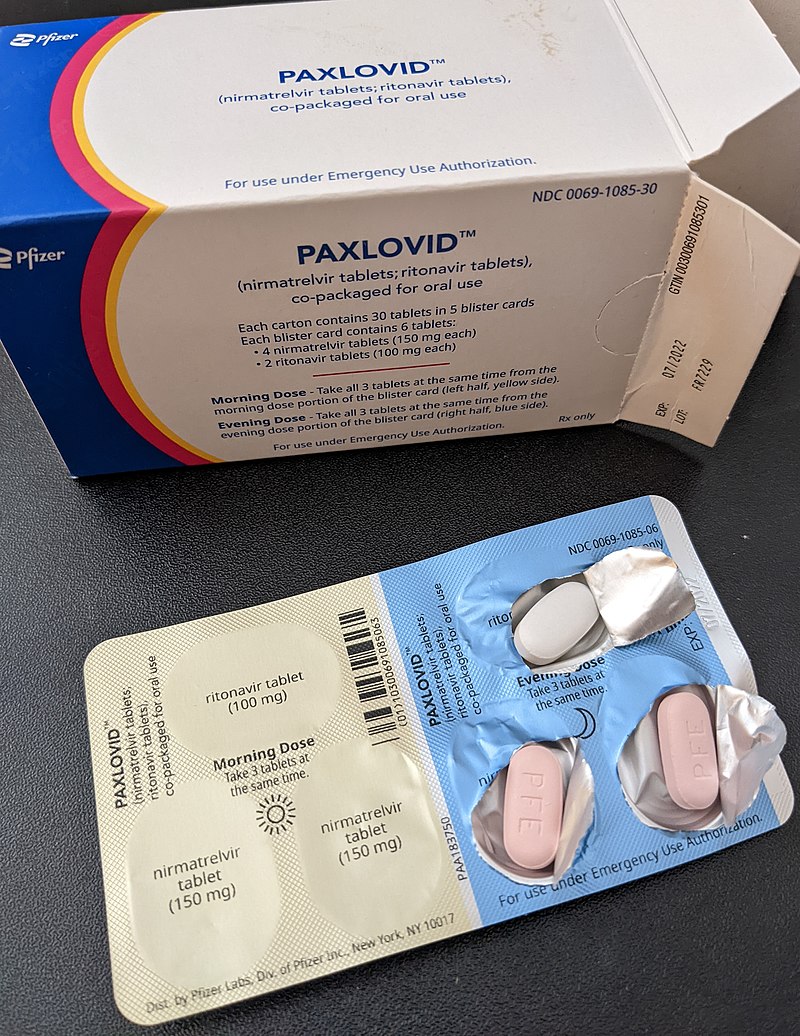
KPWHRI report supported value of COVID-19 drugs
On May 11, 2022, Kaiser Permanente Washington Health Research Institute reported that new treatments for people at high risk for severe COVID-19 appear to be a good value. All treatments were better than placebo at preventing hospitalization or death. The groups treated with a drug had up to an 88% lower risk of one of these outcomes than the groups given placebo. Paxlovid showed the greatest reduction in relative risk of hospitalization or death from any cause compared to placebo.
The analysis led by Kai Yeung, PharmD, PhD, assistant investigator at Kaiser Permanente Washington Health Research Institute. Yeung is the lead author of a new report on the clinical effectiveness and value of 3 COVID-19 treatments: molnupiravir, Paxlovid (a brand name for a combination drug that contains ritonavir), and fluvoxamine. The report evaluated the drugs using data from clinical trials that compared the drugs to a placebo in people with mild-to-moderate COVID-19. The trial participants were mainly unvaccinated and were at high risk of developing more severe disease because of conditions such as asthma, heart disease, or immunosuppression.
Yeung and colleagues reviewed results from randomized clinical trials that compared patients who received one of the drugs within a few days of the onset of COVID-19 symptoms to people who got a placebo. The report focused on serious outcomes such as being hospitalized or dying and examined any reported side effects from the drugs.
All treatments were better than placebo at preventing hospitalization or death. The groups treated with a drug had up to an 88% lower risk of one of these outcomes than the groups given placebo. Paxlovid showed the greatest reduction in relative risk of hospitalization or death from any cause compared to placebo. The drugs cannot be compared directly, however. Differences in the countries where the clinical trials were conducted, the participants enrolled, and the pandemic situations in the countries at the time of the trials prevent drug-to-drug comparisons.
The report authors also note that when the trials were conducted, Omicron variants of the virus that causes COVID-19 were not circulating. The impacts of the drugs in the current environment and in the real world outside of a clinical trial are uncertain.
Tags:
Source: Kaiser Permanente Washington Health Research Institute
Credit: