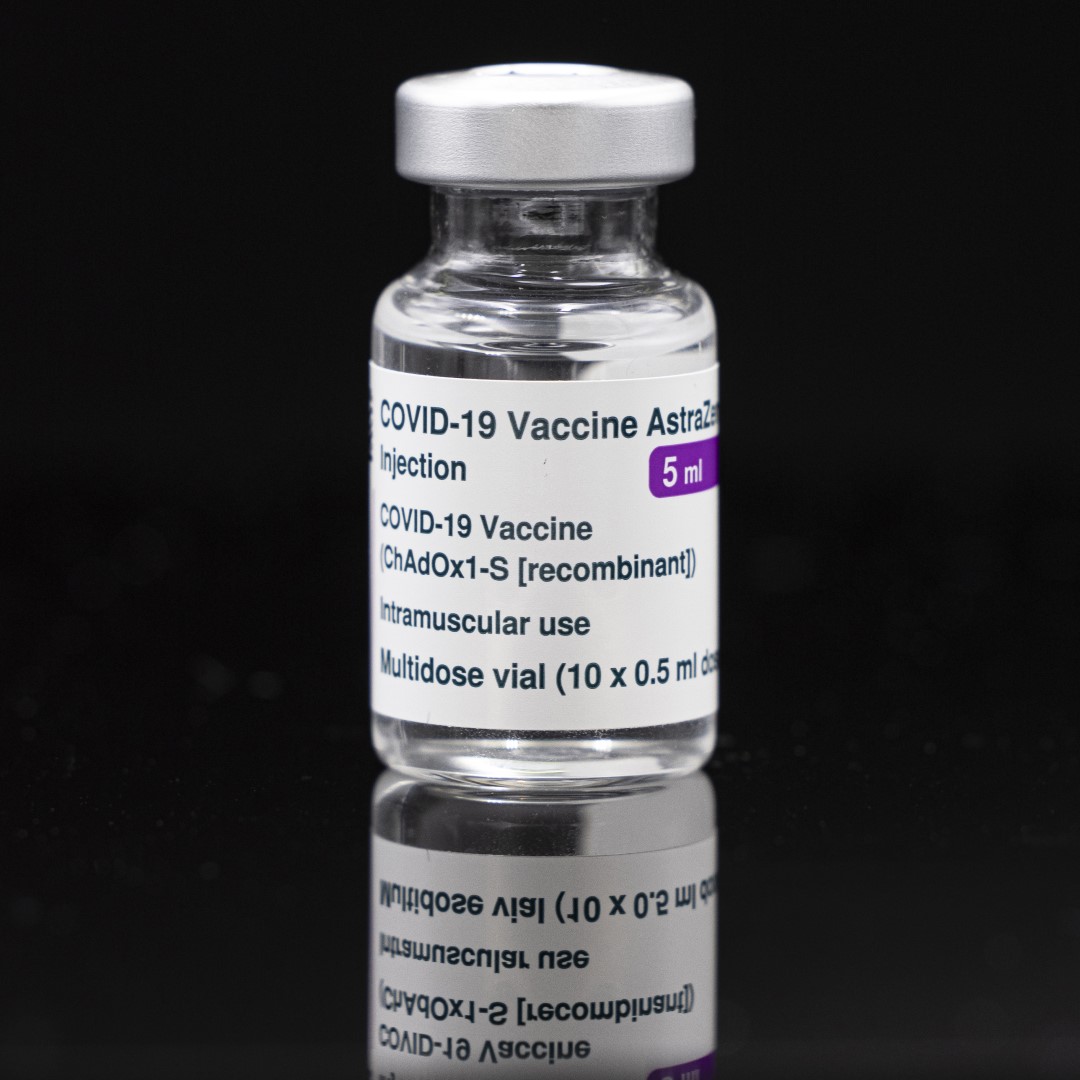
COVID-19 infections survey revealed significant reductions in COVID-19 infections with single dose of Oxford-AstraZeneca and Pfizer-BioNTech vaccine
On Apr. 23, 2021, University of Oxford data from the COVID-19 Infection Survey was the first to show the impact of vaccination on antibody responses and new infections in a large group of adults from the general population aged 16 years and older. The study showed that COVID-19 infections fell significantly – by 65% percent – after a first dose of the Oxford-AstraZeneca or Pfizer-BioNTech vaccines.
The COVID-19 Infection Survey was the largest longitudinal community survey of SARS-CoV-2 infection at national and regional levels in the UK, using data from a representative sample (over 400,000 individuals aged 2 and older) in England, Wales, Northern Ireland and Scotland.
Two studies, released today as pre-prints, focused on the protection from infection provided by COVID-19 vaccines. Researchers analysed 1,610,562 test results from nose and throat swabs taken from 373,402 study participants between 1 December 2020 and 3 April 2021. 21 days after a single dose of either Oxford-AstraZeneca or Pfizer-BioNTech vaccines (with no second dose), the rates of all new COVID-19 infections had dropped by 65%, symptomatic infections by 74% and infections without reported symptoms by 57%.
Reductions in infections and symptomatic infections were even greater after a second dose (70% and 90% respectively), and were similar to effects in those who had previously been infected with COVID-19 naturally. Vaccines were effective against variants compatible with the Kent strain (B.1.1.7). Benefits from vaccines in reducing new infections were similar in older individuals over 75 years and under 75 years, and in those reporting long-term health conditions and not reporting them.
The second study compared how antibody levels changed after a single dose of either Oxford-AstraZeneca or Pfizer-BioNTech vaccines, or two doses of the Pfizer-BioNTech vaccine (generally given 21-42 days apart). In individuals who had not had COVID-19 before, antibody responses to a single dose of either vaccine were lower in older individuals, especially over 60 years. Antibody responses to two Pfizer-BioNTech doses were high across all ages, particularly increasing responses in older people to reach similar levels to those receiving a single dose after prior infection.
Antibody levels rose more slowly and to a lower level with a single dose of Oxford-AstraZeneca vs Pfizer-BioNTech, but then dropped more quickly with a single Pfizer-BioNTech dose to similar levels as a single dose of Oxford-AstraZeneca, particularly at older ages. However, although the size of the immune response differed, there was no group of individuals who didn’t respond at all to either vaccine.
The study will continue monitoring the pandemic in the UK on a weekly basis to look for early warning signs of rising infection rates in different regions, sub-regions, and demographic groups, and to continue to compare the effectiveness of different vaccines and to monitor the impact of immunity on protection against COVID-19.
Tags:
Source: University of Oxford
Credit: