Colossal Biosciences Artificial Egg Hatches 26 Chickens in Breakthrough Step Toward Dodo and Moa De-Extinction
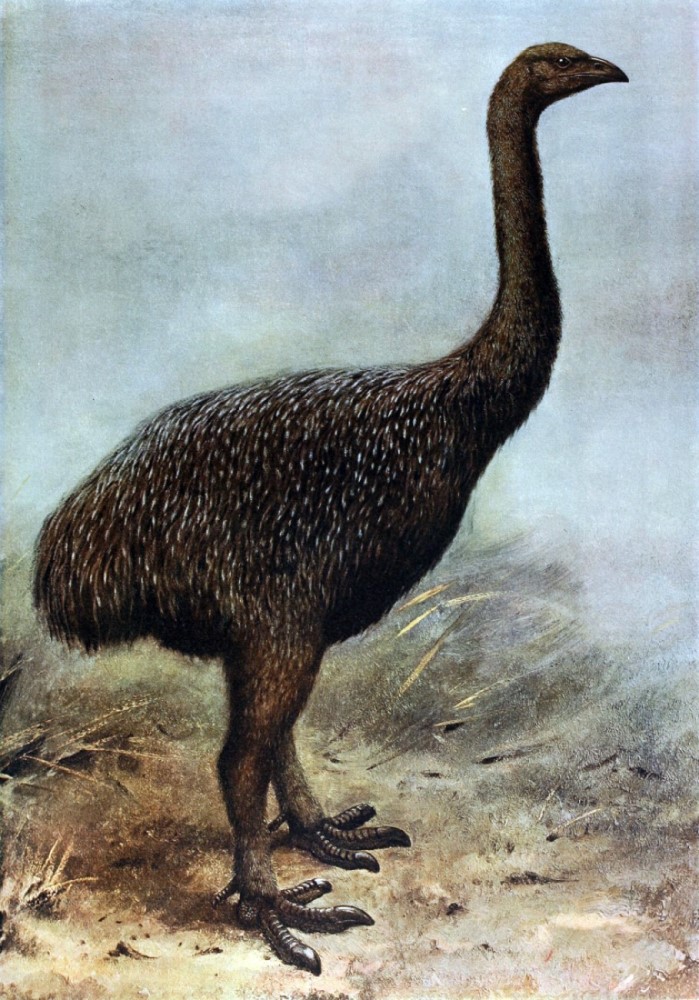
On May 19, 2026, Colossal Biosciences announced their artificial egg — a silicone-membrane synthetic shell system — successfully hatched 26 healthy chickens. Colossal Biosciences describes the breakthrough as a foundational step toward its goal of resurrecting extinct bird species, including New Zealand’s South Island giant moa and Mauritius’s dodo.
The Colossal artificial egg is a two-component system: a semi-permeable silicone-based membrane housed inside a rigid hexagonal support cup. The membrane is engineered to replicate the gas-exchange function of a natural eggshell — allowing oxygen to pass through while retaining moisture and blocking contaminants. According to Colossal Chief Biology Officer Andrew Pask, the membrane enables gas exchange at a rate comparable to a biological shell.
The system also incorporates a clear window at the top of the artificial egg, allowing scientists to observe embryo development directly without disrupting the environment inside. The design is variable in size — in theory scalable from hummingbird-egg dimensions down to the soccer-ball-sized eggs of the South Island giant moa, which once stood nearly 12 feet tall.
Prior shell-free hatching systems have faced a consistent barrier: most require large volumes of supplemental concentrated oxygen during later development stages, which risks damaging DNA in the developing embryo. Success rates using plastic cups, saran wrap, and other artificial containers have historically been low, according to Mike McGrew, an embryologist at the Roslin Institute and a scientific advisor on avian stem cells to Colossal.
The Colossal system addresses the oxygen problem through passive diffusion via the silicone membrane rather than active supplementation. The Roslin Institute’s precedent dates to 1988, when geneticist Margaret Perry first hatched chicks from embryos grown in laboratory cultures and transferred to surrogate donor shells — a method that has since been iterated upon but never fully solved for scalability or species flexibility.
Tags:
Source: Colossal Biosciences
Credit: