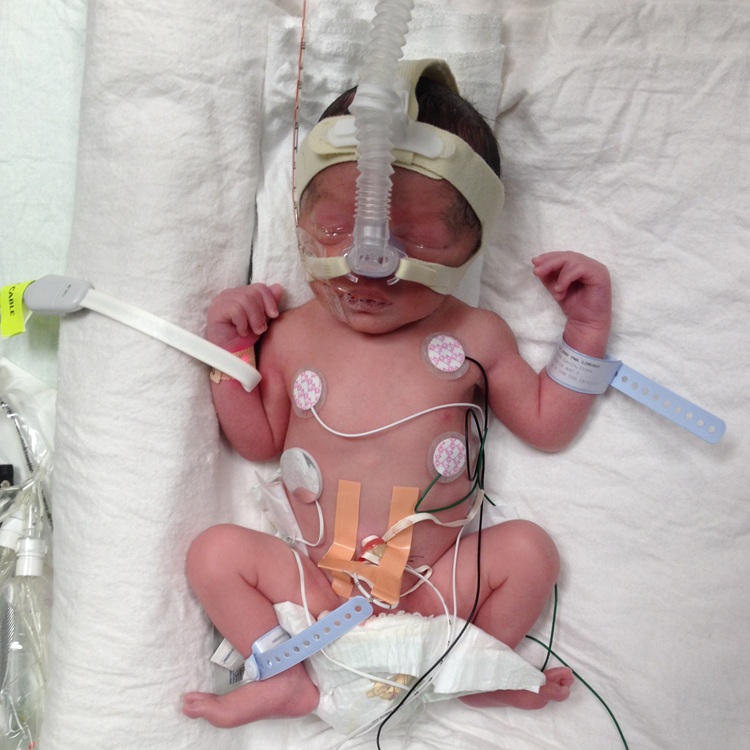
University of Wisconsin-Madison reported spike in premature births caused by COVID, halted by vaccines
On Nov. 27, 2023, University of Wisconsin-Madison researchers released a study that showed COVID-19 caused an alarming surge in premature births, but vaccines were key to returning the early birth rate to pre-pandemic levels, according to a new analysis of California birth records.
“The effect of maternal COVID infection from the onset of the pandemic into 2023 is large, increasing the risk of preterm births over that time by 1.2 percentage points,” says Jenna Nobles, a University of Wisconsin–Madison sociology professor. “To move the needle on preterm birth that much is akin to a disastrous environmental exposure, like weeks of breathing intense wildfire smoke.”
But the first two years of the pandemic alone were far worse for many pregnancies, according to findings Nobles and co-author Florencia Torche, a Stanford University sociology professor, published in the Proceedings of the National Academy of Sciences.
The virus that causes COVID-19 endangers pregnancies by causing immune and inflammation responses, and via deterioration of the placenta. One consequence is early interruption of the pregnancy and birth well in advance of the end of the expected 39- to 40-week gestation.
As the virus spread from July to November of 2020, the likelihood that a mother with COVID-19 in California would give birth more than three weeks before the due date was 5.4 percentage points higher than anticipated — 12.3% instead of 6.9% — according to the new study.
The researchers measured the impact of the pandemic with the help of birth records for California’s nearly 40 million people, using information on birth timing and the comparison of sibling births to help control for the pandemic’s disparate impacts on different demographic groups. They found the excess risk of preterm birth fell slightly in early 2021 before dropping steeply in 2022, at which point maternal COVID-19 infection in pregnancy caused no excess risk of preterm birth for infants. Vaccines contributed to that decrease, the researchers say, an effect that jumps out when the birth records are divided up geographically.
Preterm birth is associated with a host of short- and long-term health problems and deficiencies for the children and their families. It’s the leading contributor to infant mortality, and cutting short development in the womb can require additional medical attention that costs, on average, more than $80,000 per child. Preterm birth by even just a few weeks reduces expected educational attainment, health and earnings as an adult. The results should be a compelling argument in favor of getting vaccinations and boosters, according to the researchers, even after COVID-related premature birth risk ebbed in California.
Tags:
Source: University of WisconsinヨMadison
Credit: