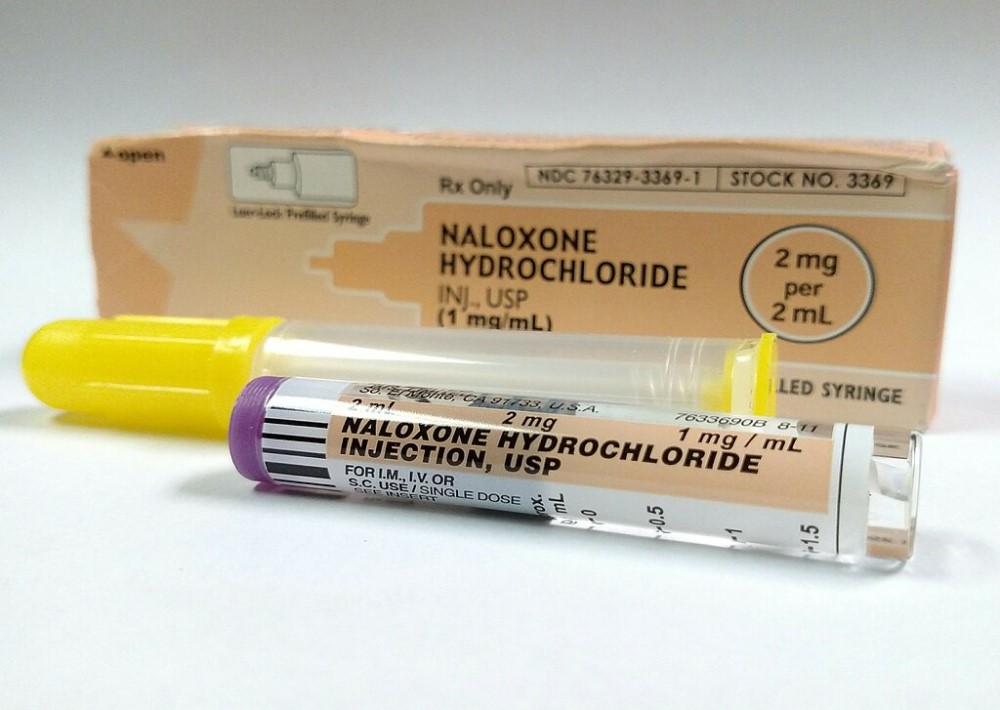
U.S. FDA approved second OTC Naloxone nasal spray product
On Jul. 28, 2023, the U.S. U.S. Food and Drug Administration (FDA) approved RiVive, 3 milligram (mg) naloxone hydrochloride nasal spray for over-the-counter (OTC), nonprescription use for the emergency treatment of known or suspected opioid overdose. This was the second nonprescription naloxone product the agency has approved, helping increase consumer access to naloxone without a prescription.
Drug overdose persists as a major public health issue in the United States. In the 12-month period ending in February 2023, more than 105,000 reported fatal overdoses occurred which were primarily driven by synthetic opioids like illicit fentanyl. Naloxone is a medication that rapidly reverses the effects of opioid overdose and is the standard treatment for opioid overdose.
The approval of RiVive nasal spray for nonprescription use was supported by data from a study submitted by the manufacturer that showed similar levels of RiVive reach the bloodstream as an approved prescription naloxone product. The drug has been demonstrated to be safe and effective for use as directed in its labeling. The manufacturer also provided data that showed consumers can understand how to use the drug safely and effectively without the supervision of a healthcare professional.
The use of RiVive nasal spray in individuals who are dependent on opioids may result in severe opioid withdrawal characterized by body aches, diarrhea, increased heart rate (tachycardia), fever, runny nose, sneezing, goose bumps, sweating, yawning, nausea or vomiting, nervousness, restlessness or irritability, shivering or trembling, abdominal cramps, weakness and increased blood pressure.
Through the FDA Overdose Prevention Framework, the agency remains focused on responding to all facets of substance use, misuse, substance use disorders, overdose and death in the U.S. The framework’s priorities include supporting primary prevention by eliminating unnecessary initial prescription drug exposure and inappropriate prolonged prescribing; encouraging harm reduction through innovation and education; advancing development of evidence-based treatments for substance use disorders; and protecting the public from unapproved, diverted or counterfeit drugs presenting overdose risks.
Tags:
Source: U.S. Food and Drug Administration
Credit: