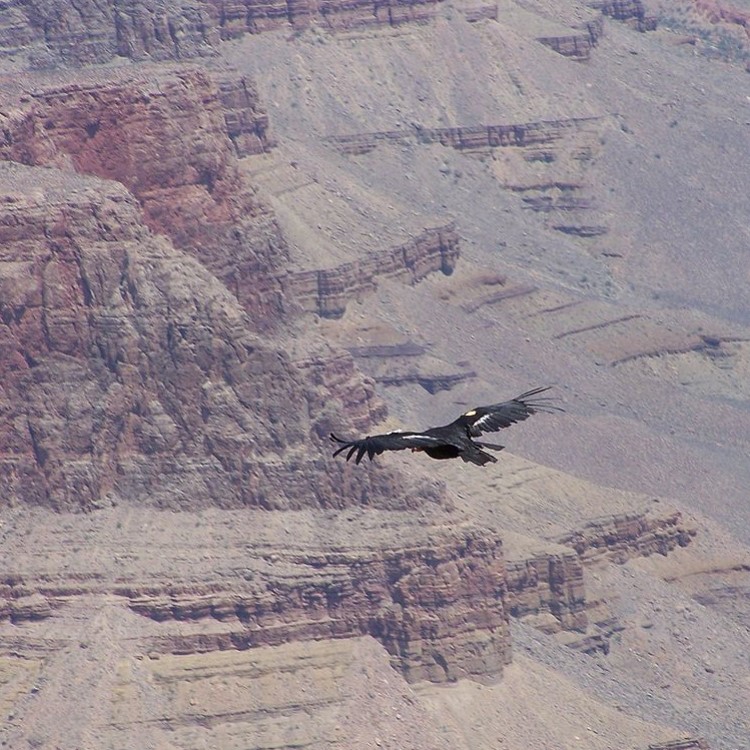
The Last endangered California Condor Was Taken into Captivity
On Apr. 19, 1987, biologists reported the Last wild California Condor was taken into captivity. Only 27 condors remain in captive breeding facilities at Los Angeles Zoo and San Diego Wild Animal Park. By the 1980s, the California Condor was on the brink of extinction. Populations had plummeted due to shooting, poisoning, collisions with power lines, egg collecting, and habitat loss.
With the success of the captive breeding program – led by the San Diego Zoo and Los Angeles Zoo – attention turned to returning condors to the wild. The first releases began in 1992 at former strongholds in southern California, followed by releases in Arizona near the Grand Canyon in 1996. Monterey County, along California’s central coast, was also part of the condor’s historical range.
In 1997, the Ventana Wildlife Society began releasing condors on the Big Sur coast, reintroducing these majestic birds to their ancestral home. The Society collaborated with the U.S. Fish and Wildlife Service, California Department of Fish and Wildlife, The Peregrine Fund, National Park Service, Zoological Society of San Diego, Los Angeles Zoo, Oregon Zoo, and most recently Oakland Zoo in re-establishing, monitoring, and managing wild populations of California Condors.
Although recovery progress has been remarkable, serious challenges remain. Condors feed exclusively on carcasses and are vulnerable to poisoning from contaminants in their food. Lead poisoning – caused by fragments from lead ammunition – remains the greatest threat, despite the statewide ban on lead bullets. To combat this, we provide non-lead food sources, trap and treat condors with high lead levels, and use radio tracking to account for each bird nearly every day.
The long-term goal of the California Condor Recovery Program is to establish two self-sustaining wild populations – one in California and one in Arizona and one captive population, each with at least 150 birds and 15 breeding pairs. While we’re not there yet, the remarkable comeback of the California Condor proves that with dedication, collaboration, and science-based management, recovery is within reach.
Tags:
Source: Ventana Wildlife Society
Credit: