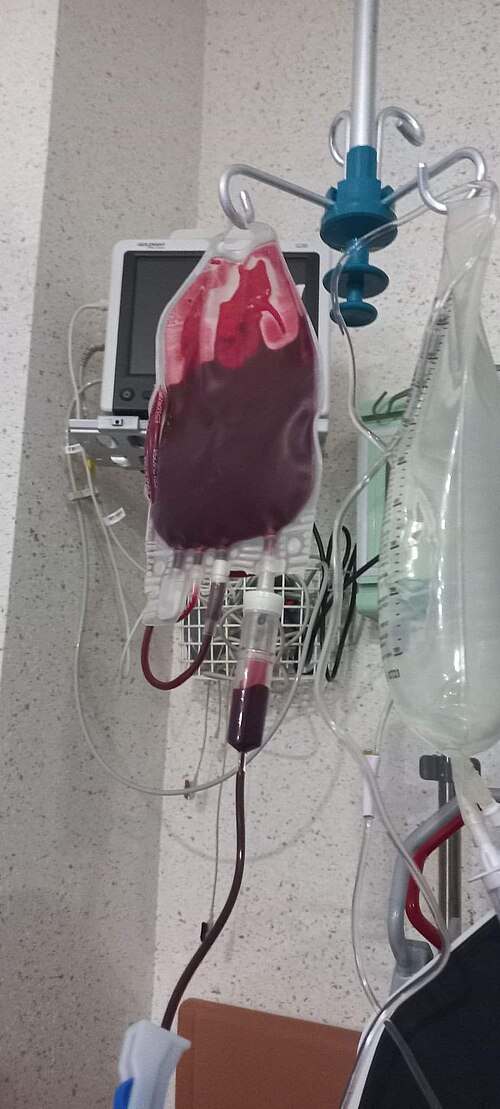
Testing of donor blood was implemented for HIV-1 and HIV-2 antibodies (anti-HIV-1 and anti-HIV-2)
On Jun. 1, 1992, the Food and Drug Administration (FDA) recommended that all donated blood be screened for antibodies to human immunodeficiency virus type 2 (HIV-2). This article provides U.S. Centers for Disease Control and Prevention (CDC) recommendations for the diagnosis of HIV-1 and HIV-2 infections in persons being tested in settings other than blood centers and CDC/FDA guidelines for serologic testing with combination HIV-1/HIV-2 screening enzyme immunoassays (EIAs).
Epidemiologic data indicate that the prevalence of HIV-2 infections in persons in the United States is extremely low. Therefore, CDC does not recommend routine testing for HIV-2 in settings other than blood centers. However, when HIV testing is indicated, tests for antibodies to both HIV-1 and HIV-2 should be obtained if epidemiologic risk factors for HIV-2 infection are present, if clinical evidence exists for HIV disease in the absence of a positive test for antibodies to HIV-1, or if HIV-1 Western blot results exhibit the unusual indeterminate pattern of gag plus pol bands in the absence of env bands.
The following procedures are recommended if testing for both HIV-1 and HIV-2 is performed by means of a combination HIV-1/HIV-2 EIA. A repeatedly reactive specimen by HIV-1/HIV-2 EIA should be tested by HIV-1 Western blot (or another licensed HIV-2 supplemental test). A positive result by HIV-1 Western blot confirms the presence of antibodies to HIV, and testing for HIV-2 is recommended only if HIV-2 risk factors are present. If the HIV-1 Western blot result is negative or indeterminate, an HIV-2 EIA should be performed. If the HIV-2 EIA is positive, an HIV-2 supplemental test should be performed.
Tags:
Source: U.S. Centers for Disease Control and Prevention
Credit: