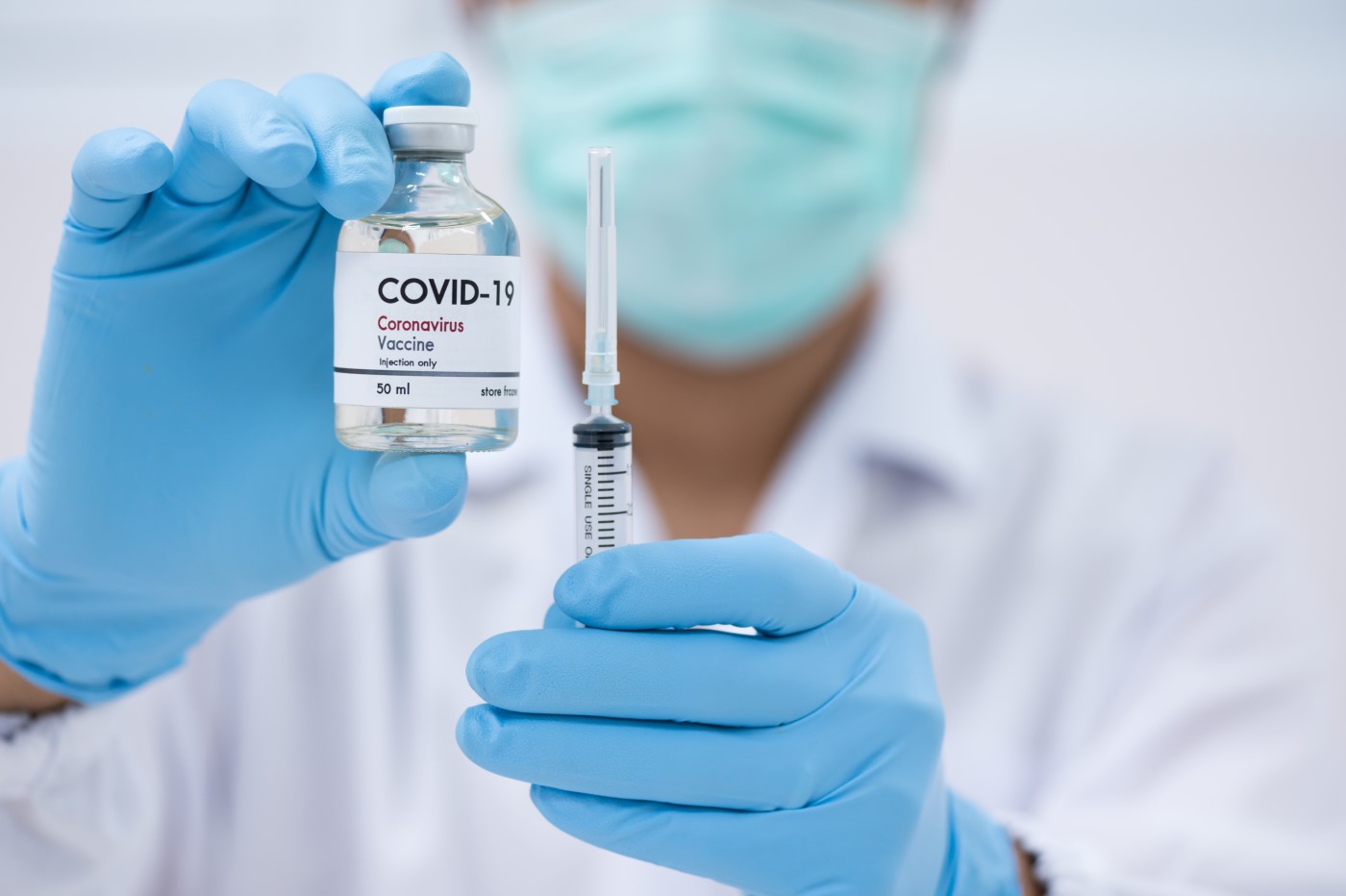
Study suggested staying current with COVID-19 vaccinations helped combat emerging variants
On Apr. 12, 2024, Oregon Health Sciences University (OHSU) announced research that shows using live SARS-CoV-2 virus revealed an updated vaccine provided a strong immune response against previous strains and emerging variants.
The findings, published as a preprint in medRxiv, suggested a clear benefit in receiving updated vaccinations on a regular basis, especially among older people or those with underlying medical conditions. OHSU was among the first to test in a biosafety level 3 laboratory whether vaccine-elicited antibodies block infection of a live virus. As the pandemic has receded from public consciousness, vaccine uptake has waned in the U.S., according to federal data.
The new study is the latest in laboratory research at OHSU testing variants of the SARS-CoV-2 virus. The project relies upon more than 2,000 university employees who have volunteered to have their blood drawn before, during and after vaccination. The research project began early in the pandemic with antibody testing. In the latest study, researchers isolated blood drawn from 55 people before and after they received an updated vaccine beginning last fall that targets the XBB.1.5 subvariant of the omicron variant of the virus.
They found a strong response in terms of the levels of antibodies generated, and their ability to neutralize the original strain of SARS-CoV-2 plus new variants that have emerged since the novel coronavirus arrived in late 2019. Importantly, the vaccine appeared to generate a strong response against the JN.1 variant that is now circulating broadly worldwide – suggesting regularly updating the vaccine will be useful in confronting emerging variants.
The study marks another milepost in the evolution of the SARS-CoV-2 virus. In contrast to most other research studies, OHSU is among the first to test the ability of vaccine-elicited antibodies in blood serum to block infection of a live virus in a biosafety level 3 laboratory.
Tags:
Source: Oregon Health Sciences University
Credit: