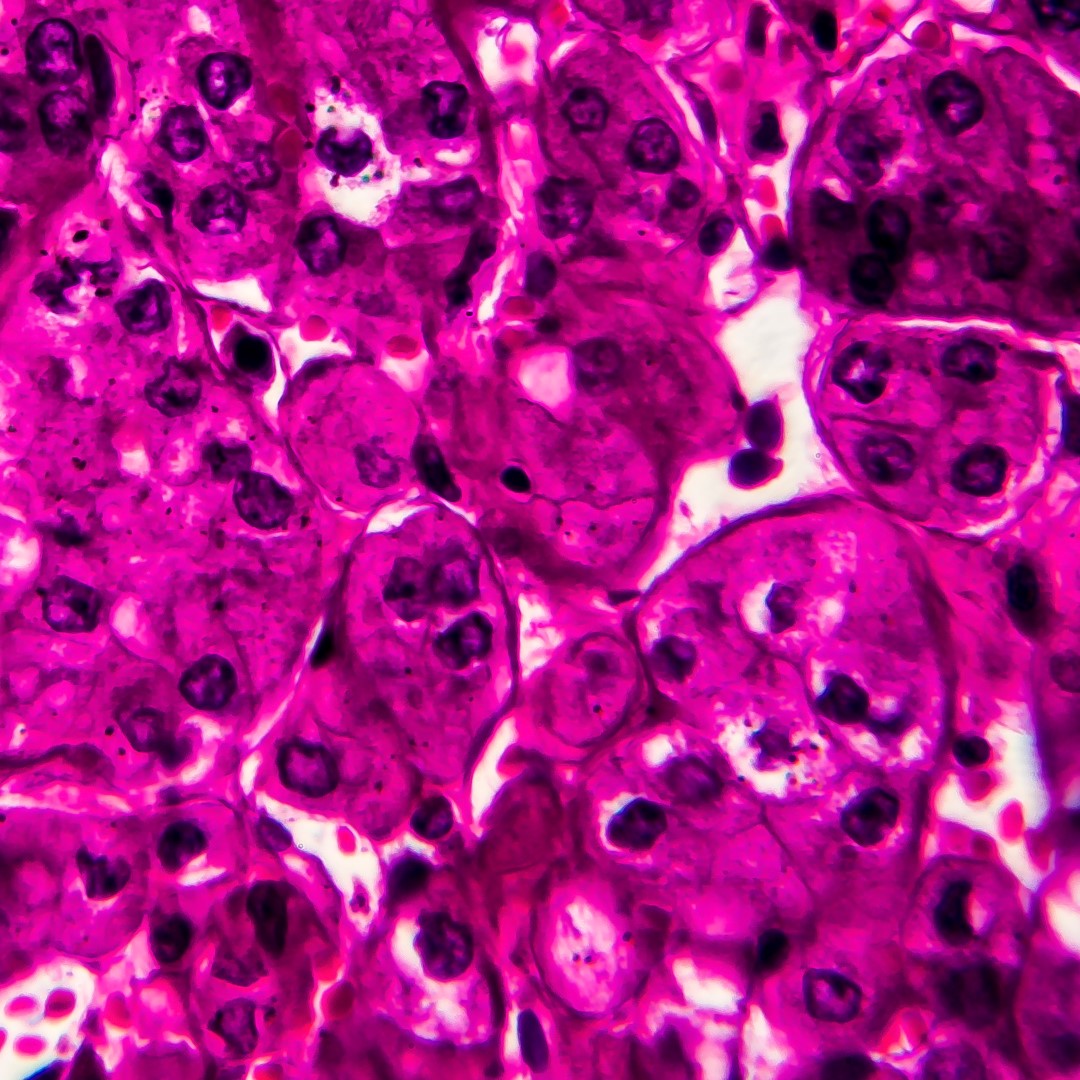
Stanford researchers discovered a molecule that kills kidney cancer cells
On Jul. 8, 2008, Stanford researchers announced discovered a molecule that kills kidney cancer cells. Ideally, the researchers said, a drug created from this molecule would help fight the life-threatening disease while leaving patients’ kidneys intact.
‘You now have a potential means of going after a disease that’s been difficult to treat,’ said Amato Giaccia, PhD, professor and director of radiation oncology and radiation biology at the medical school. His findings were published in the journal Cancer Cell on July 8.
Giaccia’s lab focused on renal cell carcinoma, or kidney cancer, because there is no known cure for it short of removing a damaged kidney from the body. ‘Patients still succumb,’ said Giaccia, also a researcher at the Stanford Cancer Center. ‘There is no effective chemotherapy to treat renal cell carcinoma.’
Almost 54,400 people in the United States will be diagnosed with kidney cancer this year, and about 13,000 will die from it, according to the American Cancer Society. Radiotherapy, a powerful weapon used to fight other cancers, has proven to be ineffective in killing kidney cancer, Giaccia said.
Giaccia’s work focuses on the von Hippel-Lindau tumor suppressor gene, or VHL gene, which normally slows tumor growth in humans but does not work in 75 percent of kidney tumor cells. Giaccia’s team searched for a small molecule that would kill cancer cells when this VHL gene is broken. They found their weapon in a molecule called STF-62247.
While STF-62247 is toxic to kidney cancer, it is generally harmless to most other cells in the human body, as they carry a working VHL gene, Giaccia said.
Patients treated with STF-62247 should not suffer some of chemotherapy’s infamous side effects, like nausea and hair loss, because STF-62247 is not toxic to the entire body. Clinical trials could begin ‘in the next couple years,’ Giaccia said.
Tags:
Source: Stanford Medicine
Credit: