Pfizer and BioNTech announced data from preclinical studies of mRNA-based vaccine candidate against COVID-19
On Sept. 9, 2020, Pfizer and BioNTech announced preliminary preclinical data in mouse and non-human primate models from their BNT162b2 mRNA-based vaccine program against SARS-CoV-2, the virus that causes COVID-19 disease. In a non-human primate preclinical study, immunization with the BNT162b2, a nucleoside-modified messenger RNA (modRNA) candidate, protected rhesus macaques against SARS-CoV-2 infection.
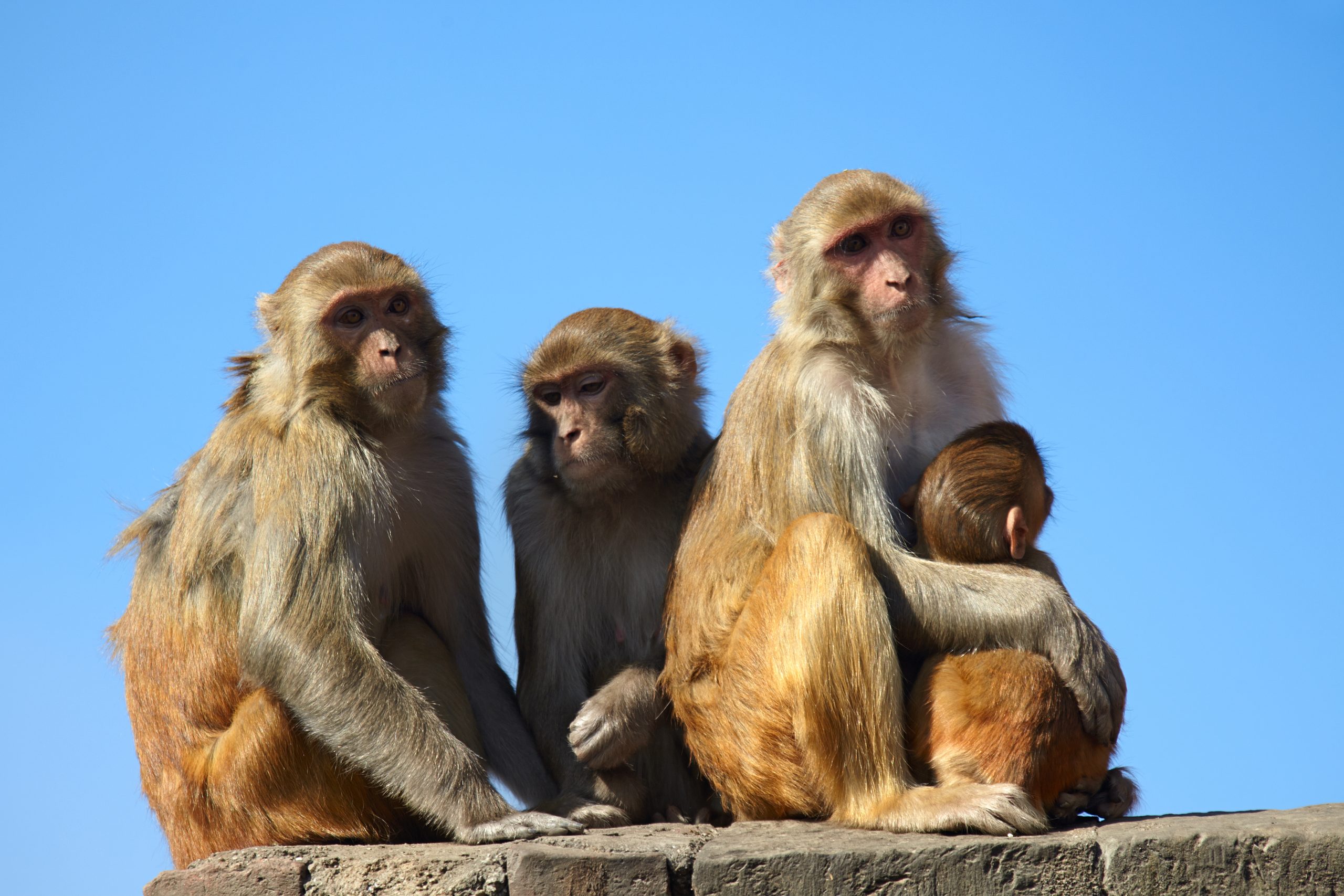
In the preclinical study, BNT162b2 demonstrated protective anti-viral effects in rhesus macaques, with concomitant high neutralizing antibody titers and a TH1-biased cellular response in rhesus macaques and mice. In a viral infection model, macaques that received two injections with 100 µg BNT162b2 and macaques that received saline control injections were challenged 55 days after the second immunization with a very high viral inoculum of approximately 1 million plaque forming units of SARS-CoV-2, via both intranasal (nose) and intratracheal (lung) routes. Immunization with BNT162b2 reduced viral infection with no viral RNA detected in the lower respiratory tract of the immunized animals, while in most non-immunized (saline) animals, there was evidence of viral RNA.
Importantly, BNT162b2 induced potent SARS-CoV-2 neutralizing antibodies in vaccinated-macaques, and viral antigen-specific CD4+ and CD8+ T cells. Rhesus macaques (2-4-year-old males) were immunized by intramuscular (IM) immunization with 30 µg or 100 µg of BNT162b2 or saline control on Days 0 and 21 (2 doses). After two immunizations, neutralization titers were detectable in rhesus macaques sera with geometric mean titers of 962 (on Day 35 for the 30 µg group) or 1,689 (on Day 28 for the 100 µg group). Neutralizing antibody titers persisted to at least day 56, with higher geometric mean titers (GMTs) than those in a panel of human convalescent sera. BNT162b2 vaccination elicited a high frequency of CD4+ T cells that produced IFN-ɣ, IL-2, and TNF-α, and almost no IL-4 producing CD4+ cells were detectable, indicating a TH1-biased response, which is an immune profile thought to promote vaccine safety. BNT162b2 also elicited spike-specific IFN-ɣ producing CD8+ T cell responses, which is thought to promote an anti-viral effect.
In a preclinical murine model, a single IM immunization of BNT162b2 (0.2, 1, or 5 µg) generated B-cell and T-cell immune responses in BALB/c mice, and SARS-CoV-2 pseudovirus neutralizing activity increased steadily to Day 28, the last day for which titers are reported. CD4+ and CD8+ T-cells from splenocytes isolated from BNT162b2-immunized mice were strongly positive for IFNγ and IL-2, producing high levels of the TH1 cytokines but minute amounts of TH2 cytokines, suggesting a robust, TH1-biased T cell adaptive immune response.
Many of these preclinical data and the Phase 1 clinical results contributed to the decision by Pfizer and BioNTech to commence the global (except for China) Phase 2/3 safety and efficacy portion of the clinical study to evaluate potential prevention of COVID-19 disease by BNT162b2. The Phase 2/3 study has enrolled over 25,000 participants 18 to 85 years of age in the U.S., Argentina and Brazil. Additional enrollment is planned in Germany, Turkey and South Africa. The study is an event-driven trial.
Tags:
Source: Pfizer
Credit: