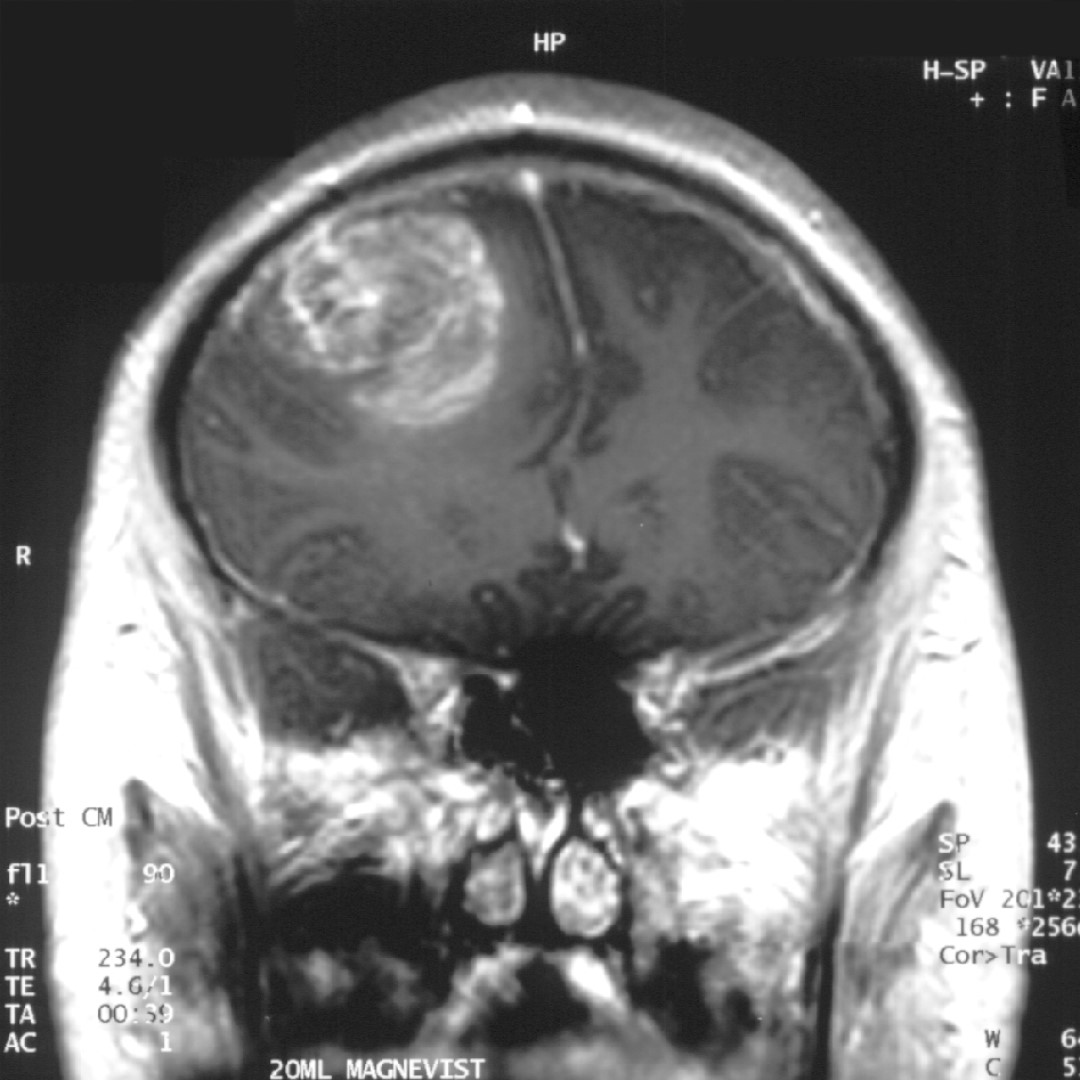
Immunotherapy shows promise in treating deadly brain tumours
On Jul. 1, 2026, a study led by a researcher based at King’s College London and McMaster University in Canada reveals how CAR-T cell therapy, a treatment that engineers a patient’s own immune cells to recognise and attack cancer, could be used to treat glioblastoma. Glioblastoma is one of the most aggressive and difficult-to-treat cancers, with devastatingly poor survival
In several preclinical models of glioblastoma, including those grown from human patient tumours, the therapy eliminated detectable tumours and led to long-term disease-free survival. Just 5% of patients with this type of brain cancer live beyond five years after diagnosis. The average survival time is just 12-18 months after diagnosis.
Glioblastoma is extremely hard to treat for many reasons. It aggressively spreads though the brain, forming threads into brain tissue rather than a clear lump which can be removed during surgeries. Even after surgery, microscopic remnants of cancer can remain. The cancer is also made up of multiple different types of cells, making it hard to target with chemotherapy and radiotherapy.
CAR-T therapy has transformed outcomes for some blood cancers, but it has not yet produced the same breakthrough for glioblastoma. Scientists are now investigating how the treatment could be used in glioblastoma, drawing on its known connections with the immune system.
The researchers identified a protein called GPNMB on both glioblastoma cells and tumour-supporting macrophages. This gave the team a rare opportunity to design a therapy that targets the tumour and the immune environment that helps sustain it. By engineering CAR-T cells to recognize GPNMB, the team developed a strategy designed to attack glioblastoma on two fronts at once.
Professor Singh added: “Instead of treating glioblastoma as only a mass of cancer cells, we need to think of it as a connected tumour-immune ecosystem. Our approach targets both the tumour and the environment that allows it to thrive. By going beyond the cancer cells alone, we are also targeting immune cells that help shield the tumour from treatment.”
The researchers stress that more work is needed before the treatment can move toward clinical trials. However, the study introduces a new treatment paradigm for one of the deadliest cancers in oncology by targeting the tumour and its immune defenses at the same time.
Tags:
Source: King’s College London
Credit: