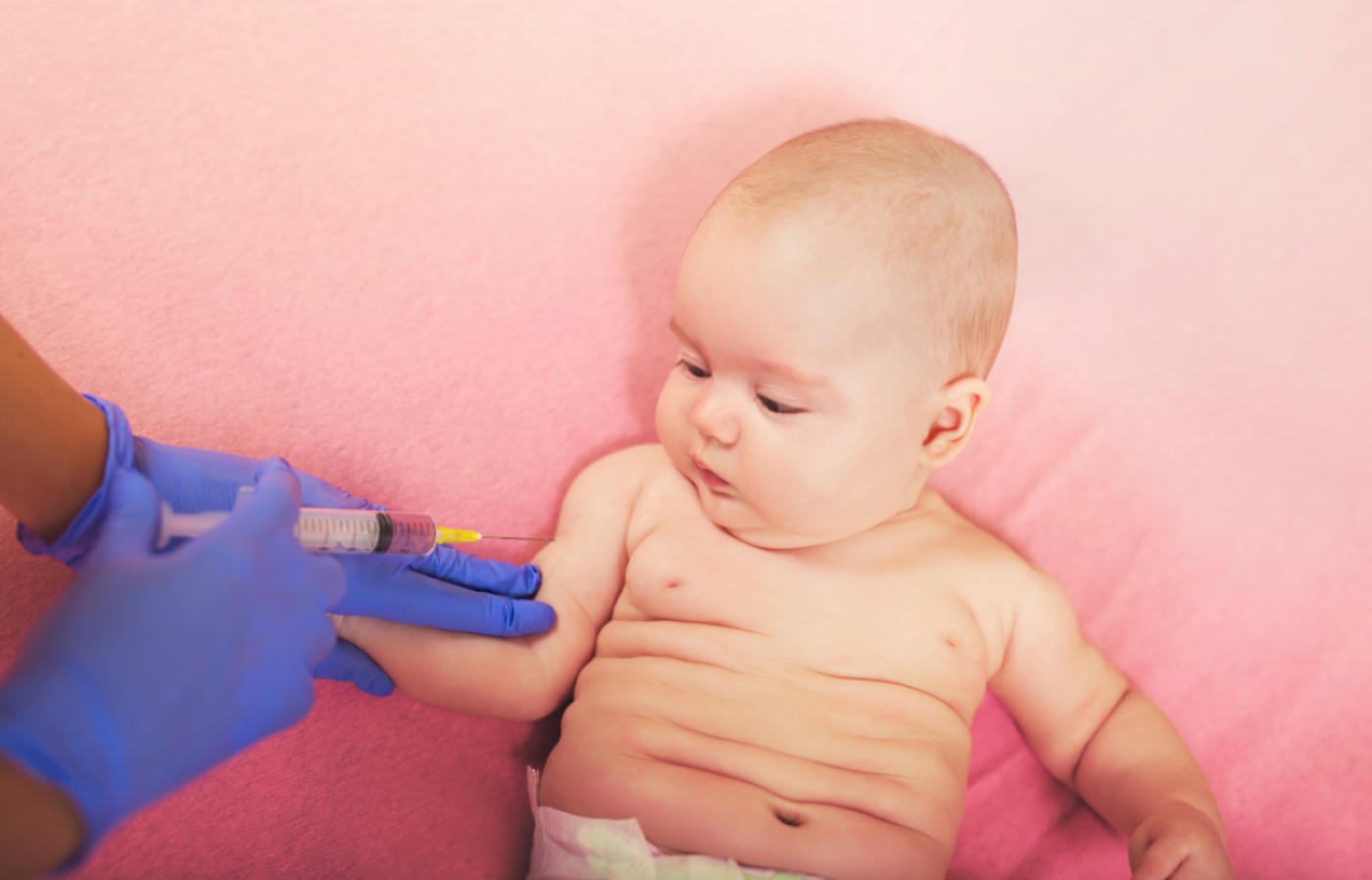
AAP issued policy stating that newborns should routinely receive hepatitis B vaccine within 24 hours of birth
On Aug. 28, 2017, the American Academy of Pediatrics (AAP) issued policy stating that newborns should routinely receive hepatitis B vaccine within 24 hours of birth. The recommendation aligned with that of the Centers for Disease Control and Prevention’s (CDC’s) Advisory Committee on Immunization Practices (ACIP).
The number of new cases of HepB infection has decreased by more than 90% since the introduction of hepatitis B immunization in 1982. Unfortunately, about 1,000 U.S. infants acquire HepB perinatally each year. These infants face up to a 90% chance of chronic HepB infection. If untreated, about 25% will die of hepatocellular carcinoma or liver cirrhosis.
Prevention of perinatal HepB infection involves identification of the infection in women before or during pregnancy and appropriate management of their infants after delivery. The birth dose of HepB vaccine is a critical component of this strategy.
In October 2016, ACIP recommended that all U.S.-born infants who weigh at least 2,000 g receive a dose of HepB vaccine before 24 hours of age. The Academy endorses this recommendation in the policy statement Elimination of Perinatal Hepatitis B: Providing the Birth Dose within 24 Hours.
Completing a three- or four-dose series of HepB vaccine results in protective antibody concentrations in 98% of healthy full-term infants. The vaccine is considered safe and is well-tolerated in infants. Perinatal HepB prevention strategies, consisting of administration of HepB vaccine and HepB immune globulin (HBIG) when appropriate, are considered cost-effective.
Tags:
Source: American Academy of Pediatrics
Credit: