Twist Bioscience single domain antibody TB202-3 showed potent binding to multiple strains of SARS-CoV-2
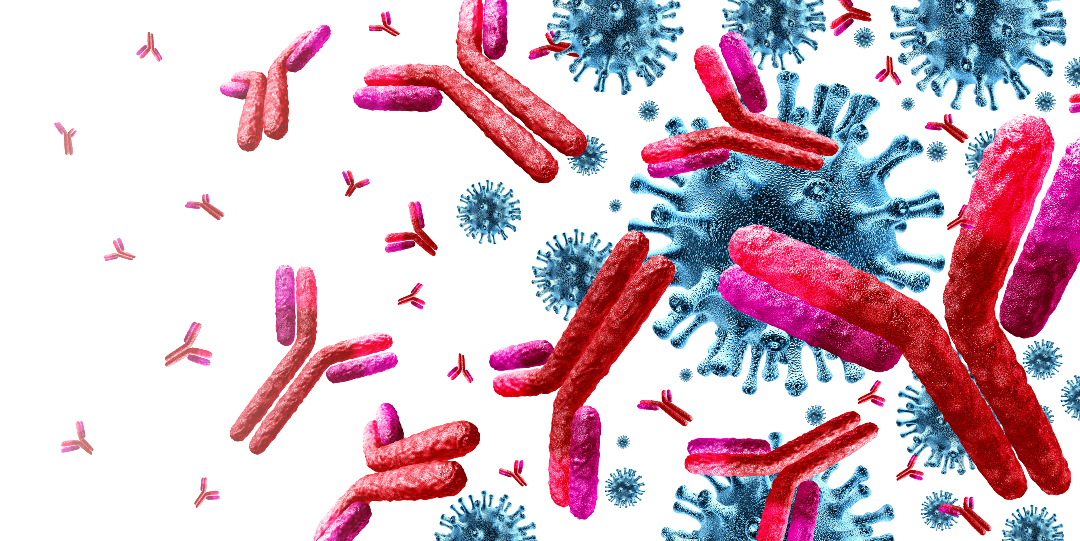
On Sept. 23, 2021, Twist Bioscience reported that its internally-discovered antibody candidate TB202-3 (CoVIC-094), demonstrated potent binding to diverse SARS-CoV-2 variant mutations, including strains with the E484K, N501Y, D614G, Y453F and K417N mutations in pseudovirus assays, indicating this therapeutic antibody may be effective in treating many strains of COVID-19.
The Coronavirus Immunotherapy Consortium (CoVIC), an academic-industry, non-profit collaborative research effort, performed the blinded analysis, confirming that TB202-3 completely blocked SARS-CoV-2 spike protein from binding to human ACE2. The results were published in Science today
CoVIC used high-throughput surface plasmon resonance analysis and cryo-EM structural determination, sorting antibodies that react within the SARS-CoV-2 receptor binding domain (RBD) into 7 different “communities” (RBD-1 through RBD-7). Antibodies in the RBD-4 community bind to the outer face of the RBD and can do so in either the “up” or “down” RBD conformation. Monoclonal antibodies that target RBD-4 bind towards the outer edge of the receptor binding motif and can block binding to ACE2 on human cells, the entry point for the virus. Select properties of RBD-4 antibodies indicate they may have increased potency against the virus.
COVID-19 continues to evolve, spurring additional mutations and viral strains. TB202-3 binds to a majority of known mutations, with the exception of the L452R mutation present in the Delta and Epsilon variants. Twist developed a new VHH single domain antibody, TB339-031, with a similar structure and potency to TB202-3, which also binds and neutralizes the Delta and Epsilon variants, that is now advancing through late-stage discovery and validation testing.
SARS-CoV-2 is an RNA virus. Viruses survive by replicating in their target host, in the case of SARS-CoV-2 this is humans. During the replication process, there is often an error that results in the copying process, which is the definition of a mutation. Most of the time, mutations do not make a difference in the virus. Sometimes, however, a mutation makes the virus more transmissible or more deadly. Depending on the location of the mutation, it may reduce the efficacy of therapeutic antibodies that bind at the mutated location. Therapeutic antibodies that bind to the virus in a place that is not impacted by mutations can treat the widest range of COVID-19 variant strains successfully.
Tags:
Source: Twist Bioscience
Credit: