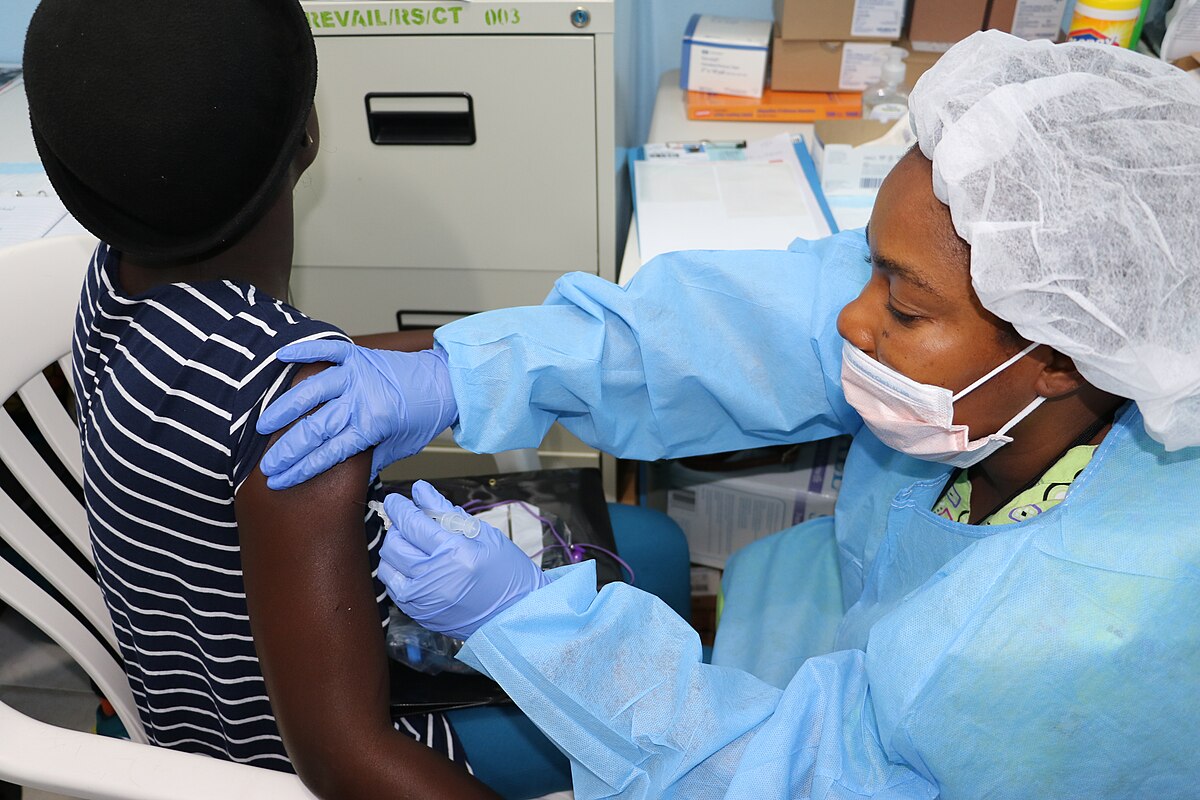
World leaders made historic commitments to provide equal access to vaccines for all
On Jun. 4, 2020, world leaders pledged an additional US$ 8.8 billion for Gavi, the Vaccine Alliance, far exceeding the target of US$ 7.4 billion. The funding will help immunise 300 million more children in the world’s poorest countries against diseases like measles, polio and diphtheria by the end of 2025.
The funding will help immunise 300 million more children in the world’s poorest countries against diseases like measles, polio and diphtheria by the end of 2025. It will also support health systems to withstand the impact of coronavirus and maintain the infrastructure necessary to roll out a future COVID-19 vaccine on a global scale.
The pledges were made at the Global Vaccine Summit 2020, hosted by UK Prime Minister Boris Johnson. Representatives from 62 countries, including 42 Heads of State and Government, joined leaders from global health organisations, the private sector, vaccine manufacturers and civil society organisations to support the Vaccine Alliance’s work protecting almost half the world’s children against deadly, preventable infectious diseases.
Gavi, the World Health Organization (WHO) and UNICEF have warned that 80 million children under the age of one are at risk of disease due to disruptions to vital immunisation programmes because of COVID-19.
The UK remains the Vaccine Alliance’s largest donor, pledging the equivalent of £330 million per year over the next five years. Other top donors include the Bill & Melinda Gates Foundation, Norway, Germany and the United States. Eight countries made their first ever pledge to Gavi, including Bhutan, Burkina Faso, Cameroon, Finland, Greece, New Zealand, Portugal and Uganda.
As well as supporting the routine vaccination of hundreds of millions of children in lower-income countries from infectious diseases, the new support will also be used to help lower-income countries meet the challenge of the coronavirus pandemic by strengthening health systems and vaccine distribution.
Gavi-supported countries will contribute US$ 3.6 billion towards the cost of buying vaccines – more than double the amount for the 2016-2020 period and more than 40% of the total estimated cost of supplying vaccines to these countries. They are also expected to invest around US$ 6 billion in immunisation service delivery costs over the same period. The dire economic effects of the COVID-19 pandemic may, however, disrupt these estimates.
Tags:
Source: GAVI
Credit: