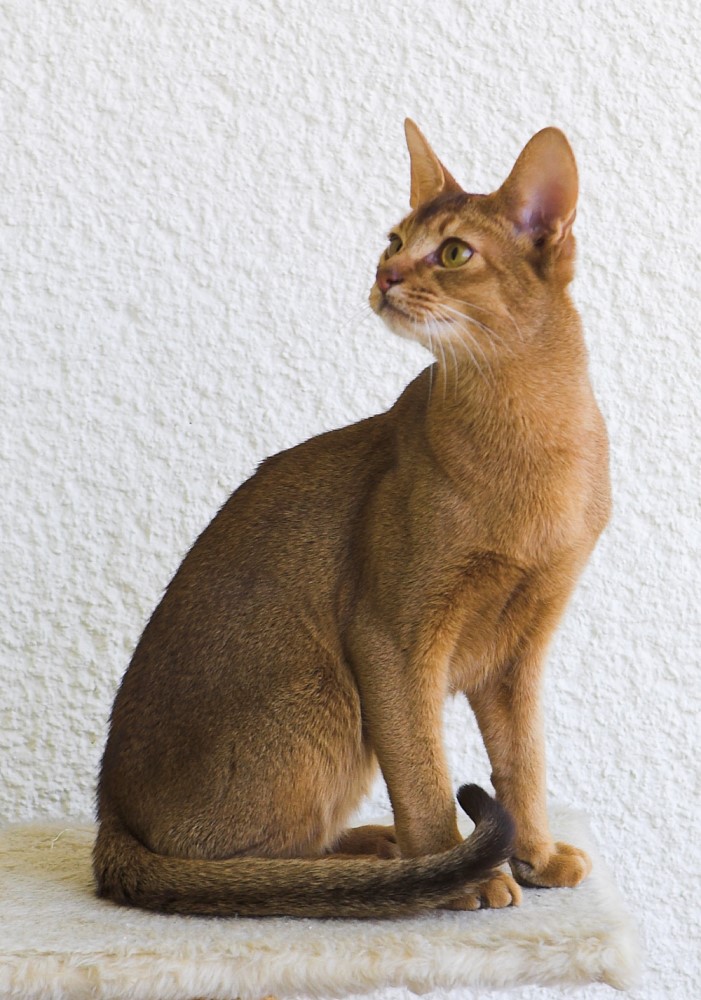
WHO reported influenza A(H5N1) identified in cats across Poland
On Jul. 27, 2023, the IHR National Focal Point of Poland notified WHO of unusual deaths in cats across the country. As of July 11, 47 samples were tested from 46 cats and one captive caracal, of which 29 were found to be positive for influenza A (H5N1). Fourteen cats were reported to have been euthanized, and a further 11 died, with the last death reported on 30 June. As of July 12, no human contacts of A(H5N1) positive cats were reported symptoms, and the surveillance period for all contacts was complete.
Genomic analysis of 19 viruses sequenced from this outbreak showed that they all belonged to the H5 clade 2.3.4.4b and were highly related to each other. Also, the viruses are similar to influenza A(H5N1) clade 2.3.4.4b viruses which have been circulating in wild birds and which caused outbreaks in poultry recently in Poland.
The source of exposure of cats to the virus is currently unknown and epizootic investigations are ongoing. There are several possibilities for the source of infection, among which the cats could have had direct or indirect contact with infected birds or their environments, ate infected birds, or ate food contaminated with the virus. Authorities are investigating all potential sources and to date have not ruled out any. Of the 25 cats for which the information is available, two were outdoor cats, 18 were indoor with access to a balcony, terrace, or backyard, and five were indoor cats with no access to the outside environment. Seven cats are reported to have had the opportunity for contact with wild birds.
This was the first report of high numbers of cats infected with avian influenza A(H5N1) spread over a wide geographical area within any country. Sporadic infections in domestic cats with A(H5N1) viruses, including A(H5N1) H5 clade 2.3.4.4b viruses, have been reported previously, following close contact of the cats with infected birds or from ingesting meat of infected birds.
The risk of human infections following exposure to infected cats at the national level is assessed as low for the general population, and low to moderate for cat owners and those occupationally exposed to H5N1-infected cats (such as veterinarians) without the use of appropriate personal protective equipment. WHO continues to monitor the situation and work in close collaboration with the animal and public health sectors, regional agencies, the Food and Agriculture Organization of the United Nations (FAO), the World Organisation for Animal Health (WOAH), and other partner agencies in Poland.
Tags:
Source: World Health Organization
Credit: