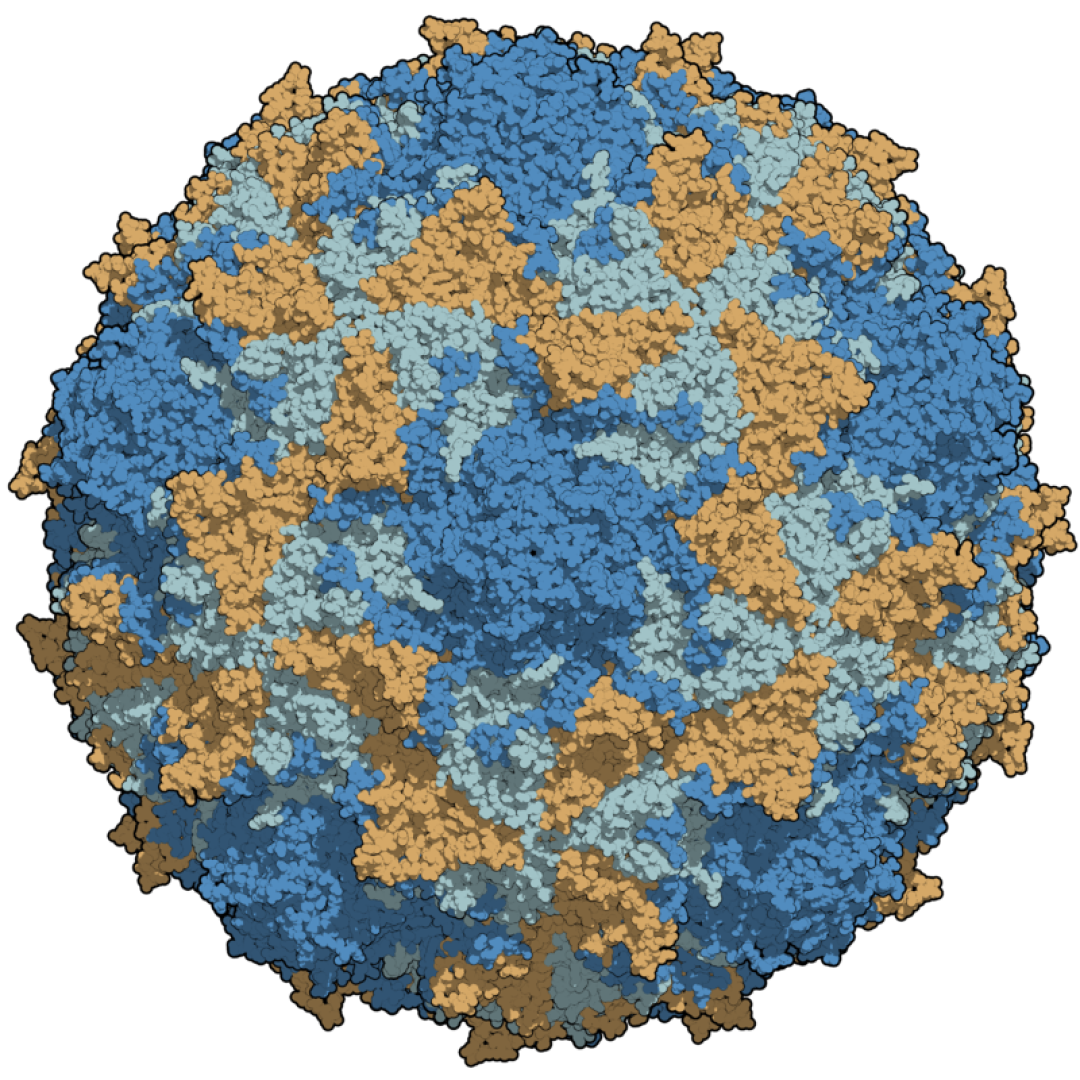
WHO Director-General declared the international spread of wild poliovirus in 2014 a Public Health Emergency of International Concern
On May 5, 2014, the World Health Organization (WHO) Director-General declared the international spread of wild poliovirus a Public Health Emergency of International Concern. At end-2013, 60% of polio cases were the result of international spread of wild poliovirus, and there was increasing evidence that adult travellers contributed to this spread.
The current situation stands in stark contrast to the near-cessation of international spread of wild poliovirus from January 2012 through the 2013 low transmission season for this disease (i.e. January to April). If unchecked, this situation could result in failure to eradicate globally one of the world’s most serious vaccine preventable diseases. It was the unanimous view of the Committee that the conditions for a Public Health Emergency of International Concern (PHEIC) have been met.
At end-2013, 60% of polio cases were the result of international spread of wild poliovirus, and there was increasing evidence that adult travellers contributed to this spread. During the 2014 low transmission season there has already been international spread of wild poliovirus from 3 of the 10 States that are currently infected: in central Asia (from Pakistan to Afghanistan), in the Middle East (Syrian Arab Republic to Iraq) and in Central Africa (Cameroon to Equatorial Guinea). A coordinated international response is deemed essential to stop this international spread of wild poliovirus and to prevent new spread with the onset of the high transmission season in May/June 2014; unilateral measures may prove less effective in stopping international spread than a coordinated response.
The consequences of further international spread are particularly acute today given the large number of polio-free but conflict-torn and fragile States which have severely compromised routine immunization services and are at high risk of re-infection. Such States would experience extreme difficulty in mounting an effective response were wild poliovirus to be reintroduced. As much international spread occurs across land borders, WHO should continue to facilitate a coordinated regional approach to accelerate interruption of virus transmission in each epidemiologic zone.
The over-riding priority for all polio-infected States must be to interrupt wild poliovirus transmission within their borders as rapidly as possible through the immediate and full application in all geographic areas of the polio eradication strategies, specifically: supplementary immunization campaigns with oral poliovirus vaccine (OPV), surveillance for poliovirus, and routine immunization. The Committee provided the following advice to the Director-General for her consideration to reduce the international spread of wild poliovirus, based on a risk stratification of the 10 States with active transmission (i.e. within the previous 6 months) as of 29 April 2014.
Tags:
Source: World Health Organization
Credit: