When it comes to DNA replication, humans and baker’s yeast are more alike than different
On Aug. 1, 2024, the Van Andel Institute reported that humans and baker’s yeast have more in common than meets the eye, including an important mechanism that helps ensure DNA is copied correctly.
The findings visualized for the first time a molecular complex — called CTF18-RFC in humans and Ctf18-RFC in yeast — that loads a “clamp” onto DNA to keep parts of the replication machinery from falling off the DNA strand. The studies were published in the journals Science and Proceedings of the National Academy of Sciences.
It is the latest discovery from longtime collaborators Huilin Li, Ph.D., of Van Andel Institute, and Michael O’Donnell, Ph.D., of The Rockefeller University, to shed light on the intricate mechanisms that enable the faithful passage of genetic information from generation to generation of cells.
DNA replication is a tightly controlled process that copies the genetic code, allowing its instructions to be conveyed from one generation of cells to the next. In diseases like cancer, these mechanisms can fail, leading to uncontrolled or faulty replication with devastating consequences. To date, at least 40 diseases, including many cancers and rare disorders, have been linked to problems with DNA replication.
Lastly, the study identified shared features between the yeast and human leading strand clamp loaders, which demonstrate an evolutionary link between the two. This finding underscores the value of yeast as powerful yet simple models for studying genetics.
Tags:
Source: Van Andel Institute
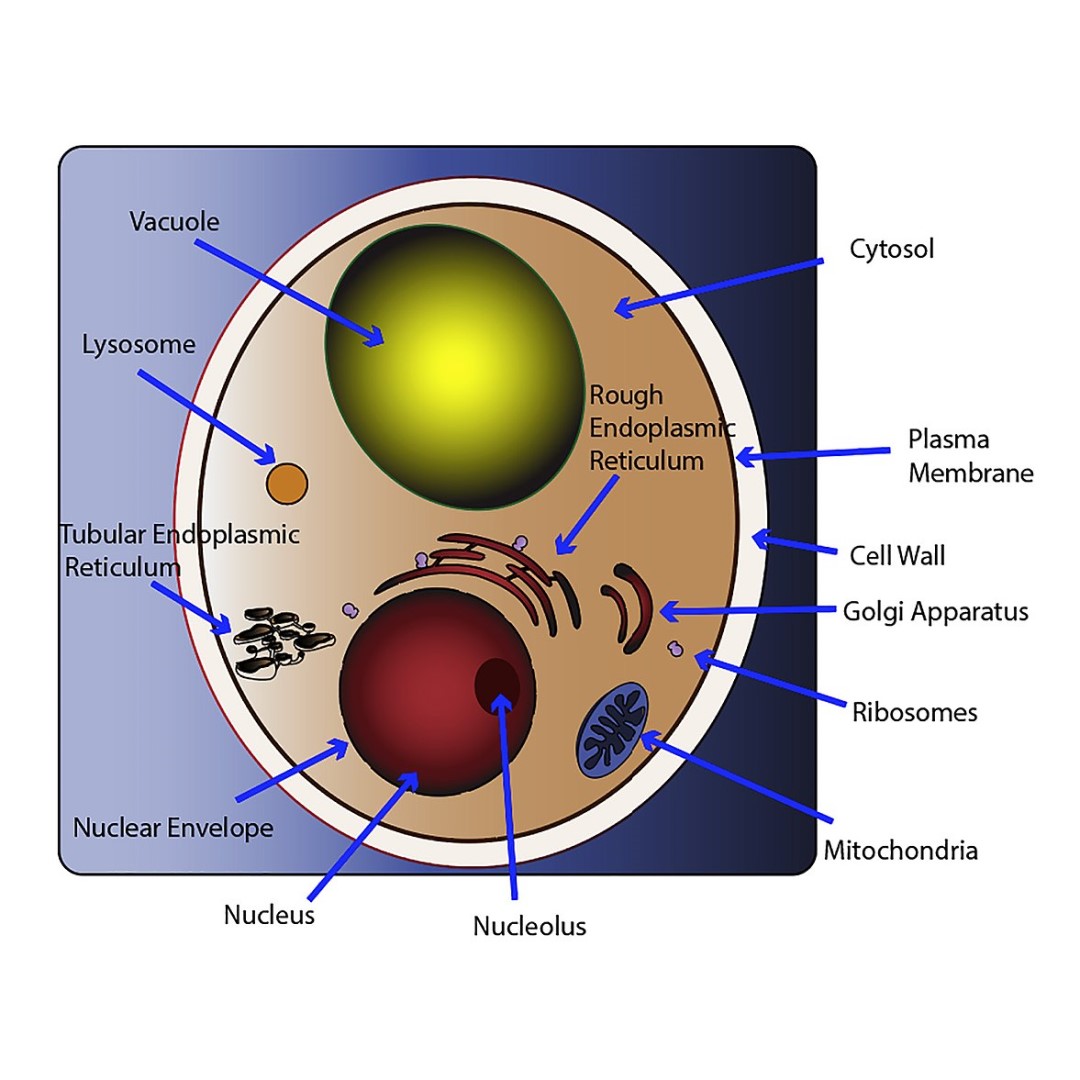
Credit: Yeast cell diagram courtesy: The Cell Document by James De La Rosa an