Washington University School of Medicine in St. Louis led pediatric COVID-19 vaccine trial launched
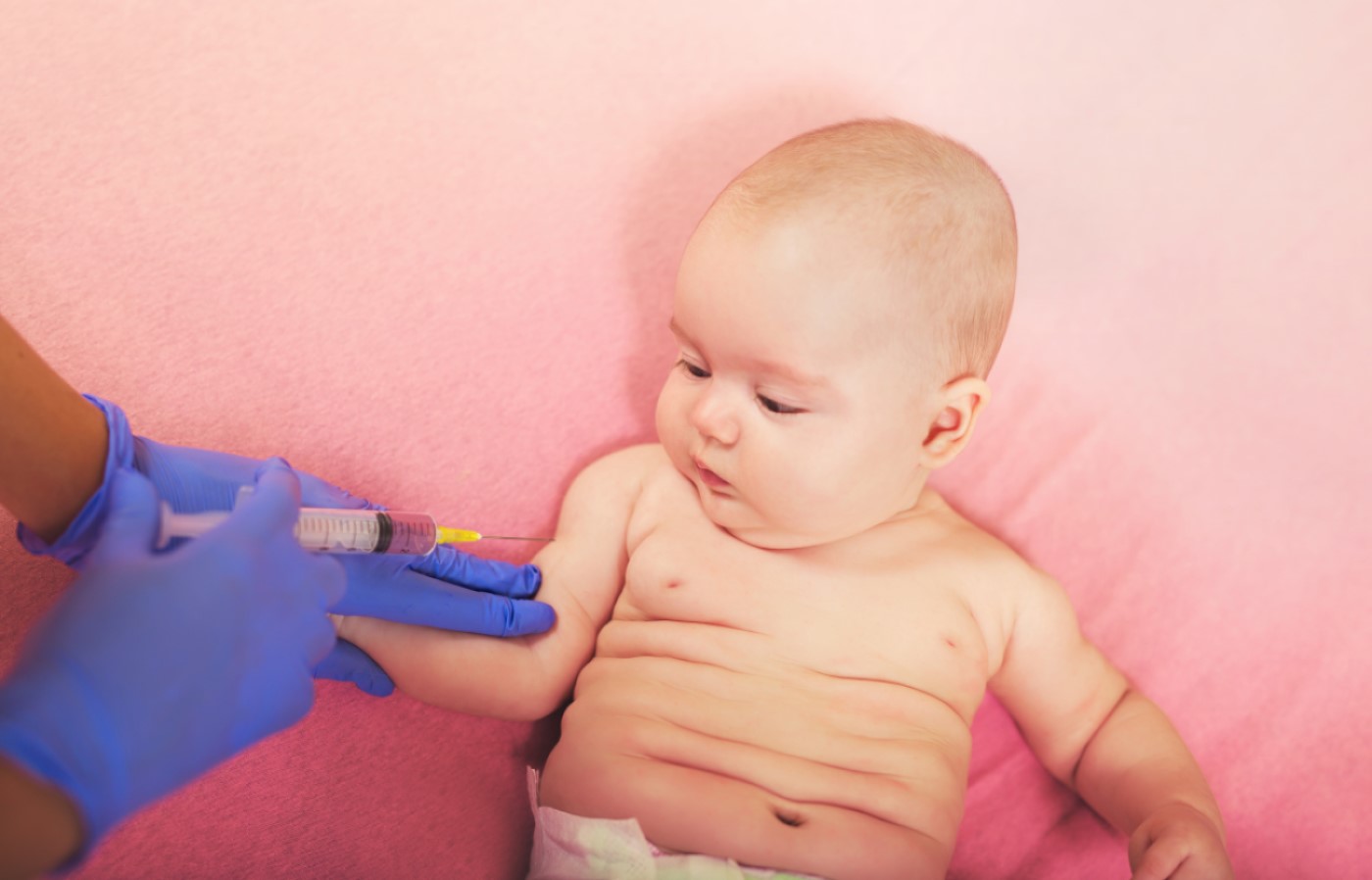
On Oct. 6, 2021, Washington University School of Medicine announced the start of a pediatric COVID-19 vaccine clinical trial in St. Louis. About 140 area children, ages 6 months to 11 years, received the two-shot Moderna vaccine or placebo at St. Louis Children’s Hospital as part of a clinical trial involving about 100 medical institutions in the U.S. and Canada.
Washington University’s infectious diseases physicians began administering injections in August to children ages 6 to 11 years old. These participants will be followed by children ages 2 to 5 years old, and then ages 6 months to just shy of age 2.
The study will help determine how well kids tolerate the vaccine, and their immune response. The U.S. Food and Drug Administration (FDA) has issued an emergency use authorization for the vaccine in adults ages 18 and older.
Blanketing the study is a sense of urgency due to the delta variant surging as kids have returned to school. In August, Moderna nearly doubled the study’s size to enroll up to 13,275 children from across the United States and Canada. The FDA already is reviewing data from a recent clinical trial evaluating the Moderna vaccine in older adolescents.
The new study in younger children is randomized, double-blinded, and placebo-controlled — the gold standard for clinical trials. This means the children are randomly selected to receive either the vaccine or a placebo, and that neither the families nor the health-care professionals administering the vaccine know whether participants receive the vaccine or the placebo. As is the case for adults, the injections are in the upper arm or thigh, 28 days apart.
At the Washington University site, nonwhite children will comprise half of the participants in the study, allowing researchers to also evaluate the vaccine’s effectiveness by race.
Health-care workers are monitoring the children’s health and potential reactions via telemedicine appointments and on-site visits. The children and their parents are keeping electronic diaries to record possible symptoms and keep track of health-care visits. St. Louis area parents expressed excitement for their children to participate in the study.
Tags:
Source: Washington University School of Medicine
Credit: