Valneva and Pfizer announced a collaboration to co-develop and commercialize Lyme disease vaccine
On Apr. 30, 2020, Valneva and Pfizer announced a collaboration to develop and commercialize Valneva’s Lyme disease vaccine candidate VLA15, which is currently in Phase 2 clinical studies.
VLA15 is the only active Lyme disease vaccine program in clinical development today, and covers six serotypes that are prevalent in North America and Europe. The investigational multivalent protein subunit vaccine, VLA15, targets the outer surface protein A (OspA) of Borrelia, an established mechanism of action for a Lyme disease vaccine. OspA is one of the most dominant surface proteins expressed by the bacteria when present in a tick. VLA15 has demonstrated strong immunogenicity and safety data in pre-clinical and Phase 1 studies.
The program was granted Fast Track designation by the U.S. Food and Drug Administration (FDA) in July 2017. Valneva has completed patient enrolment and follow-up for two Phase 2 studies of its Lyme disease vaccine candidate, in more than 800 people. Valneva expects to report the first Phase 2 results in mid-2020.
Valneva and Pfizer will work closely together throughout the development of VLA15. Valneva is eligible to receive a total of $308 million cash payments consisting of a $130 million upfront payment, $35 million in development milestones and $143 million in early commercialization milestones. Under the terms of the agreement, Valneva will fund 30% of all development costs through completion of the development program, and in return Pfizer will pay Valneva tiered royalties starting at 19%. Pfizer will lead late-stage development and have sole control over commercialization.
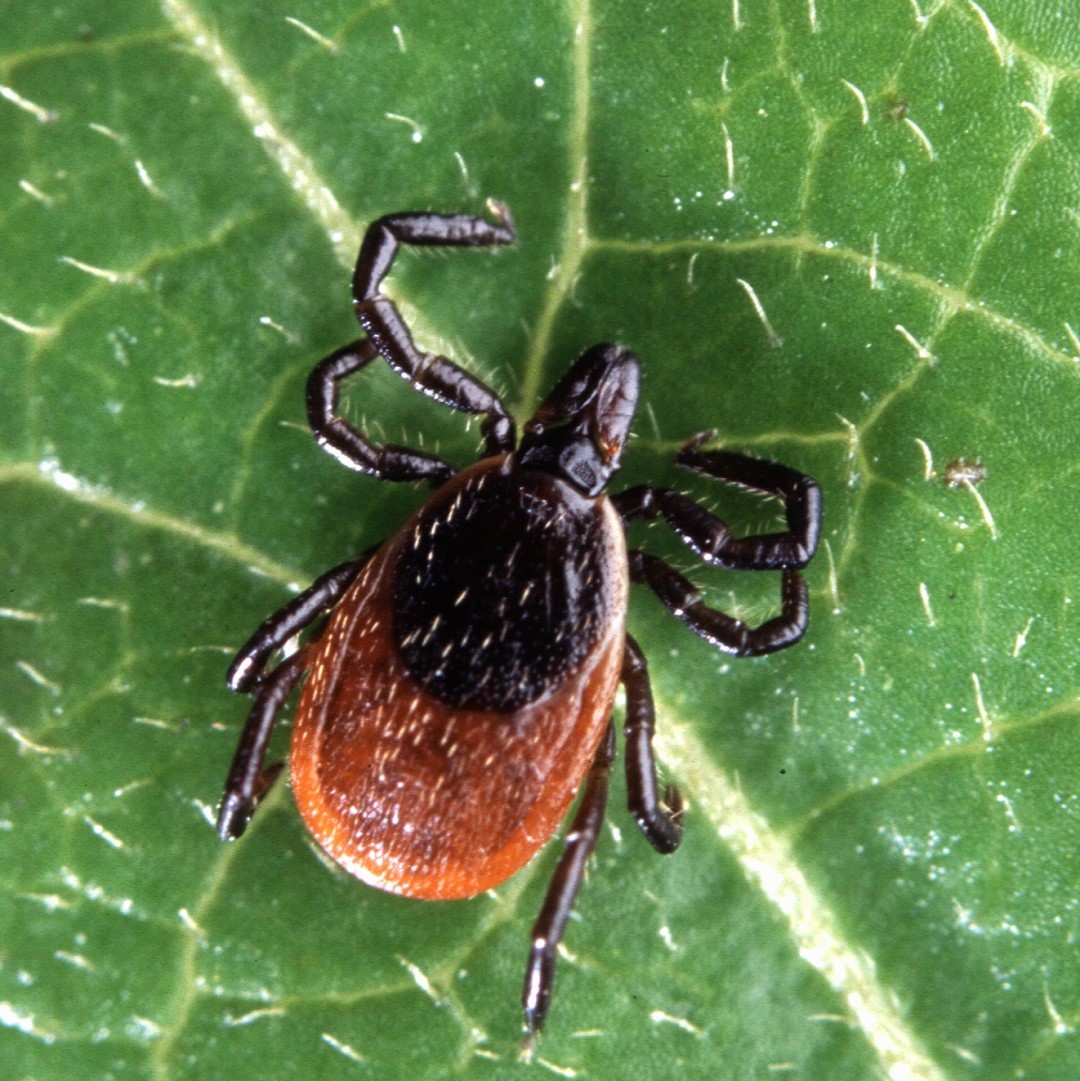
Lyme disease is a systemic infection caused by Borrelia bacteria transmitted to humans by infected Ixodes ticks. It is considered the most common vector borne illness in the Northern Hemisphere. According to the U.S. Centers for Disease Control and Prevention (CDC), approximately 300,000 Americans are diagnosed with Lyme disease each year with at least a further 200,000 cases in Europe.
Early symptoms of Lyme disease (such as a gradually expanding erythematous rash called Erythema migrans or more unspecific symptoms like fatigue, fever, headache, mild stiff neck, arthralgia or myalgia) are often overlooked or misinterpreted. Left untreated, the disease can disseminate and cause more serious complications affecting the joints (arthritis), the heart (carditis) or the nervous system. The medical need for vaccination against Lyme disease is steadily increasing as the disease footprint widens.
Tags:
Source: Pfizer
Credit: