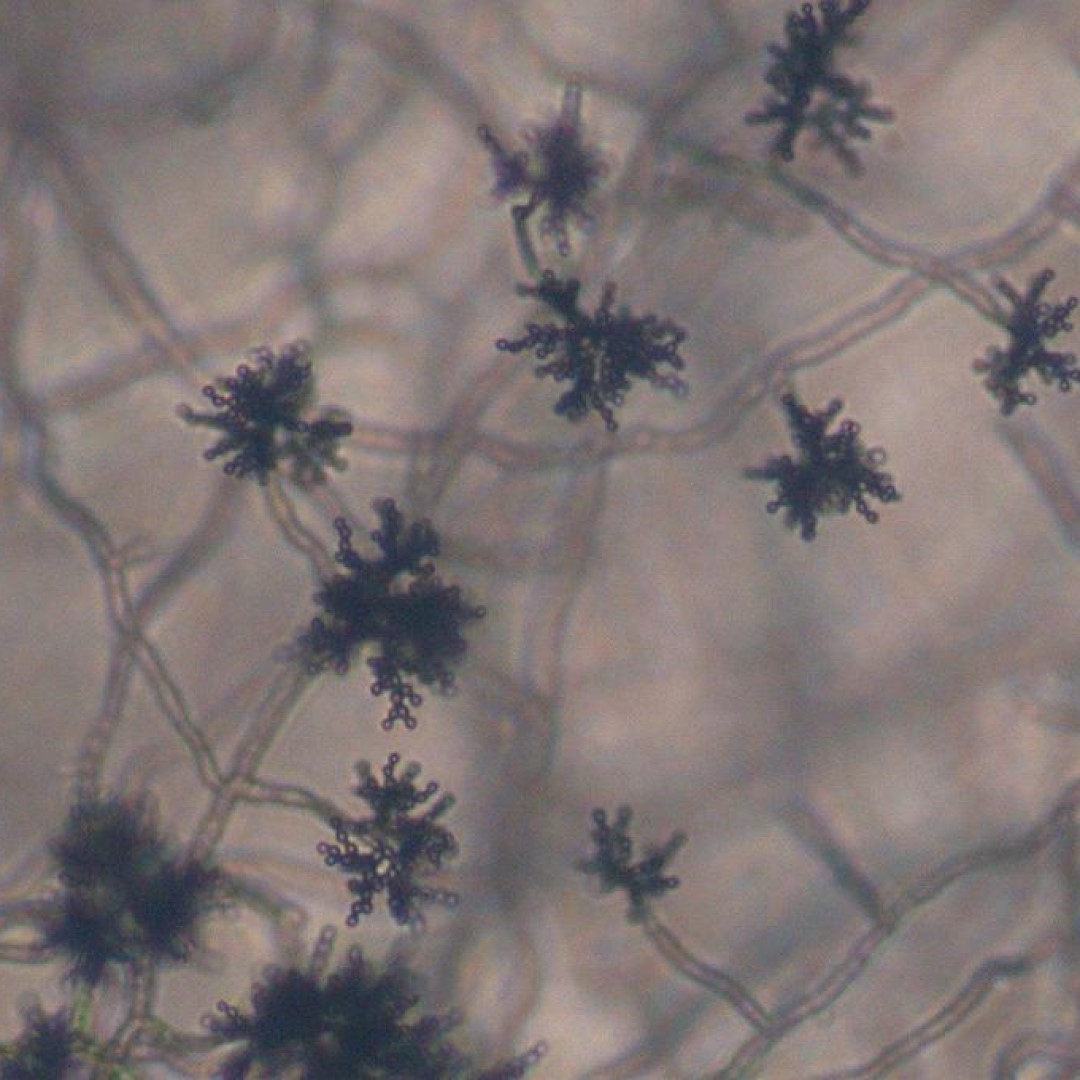
USDA study revealed airborne fungus can trigger plant growth
On Sept. 23, 2020, the U.S. Department of Agriculture’s (USDA) Agricultural Research Service (ARS) announced that a harmless airborne fungus, Cladosporium sphaerospermum strain TC09 (TC09), can dramatically accelerate plant growth if a germinating plant is near the fungus as it emits volatiles or gases.
Scientists used tobacco and pepper plants as models to study the conditions for accelerated plant growth once exposed to TC09. Following a relatively short duration of exposure at the seedling stage, the plants began to sense the fungi’s volatiles and gases. USDA scientists were then able to stimulate extremely rapid plant growth, earlier flowering and fruit yield increases.
The effects of TC09 were largely correlated with the duration of exposure. Visual observation indicated that plants with TC09 exposure for 10 days exhibited substantially more vigorous growth, thicker stems, larger leaves, and a more robust root system relative to plants without fungal exposure. Results also showed that treated plants flowered 20 days sooner and pepper plants yielded up to 213 percent more fruit that was ready for harvest three weeks earlier than untreated controls. More recent studies have shown similar research results for numerous other crops such as lettuce, arugula, kale, basil, and other leafy greens.
This species of fungus is commonly found in indoor environments and is not known to cause disease in plants or any ailments in humans or animals. Also, unlike other microbial species that have been tested, the researchers showed that TC09 does not induce defense or stress responses in exposed plants. Scientists hope to identify the specific volatiles and gases that stimulate plant growth in future research.
Research on microbial biostimulants that enhance plant growth has recently intensified because they provide an eco-friendly, cost-effective and sustainable strategy to benefit agriculture. USDA scientists will continue to study TC09 and seek practical strategies to apply it during commercial crop production, particularly for urban and indoor agricultural systems. They are awaiting approval of a patent and commercial evaluation license and partnered with NASA to apply this research technology to spaceflight conditions.
Tags:
Source: U.S. Dept. of Agriculture
Credit: