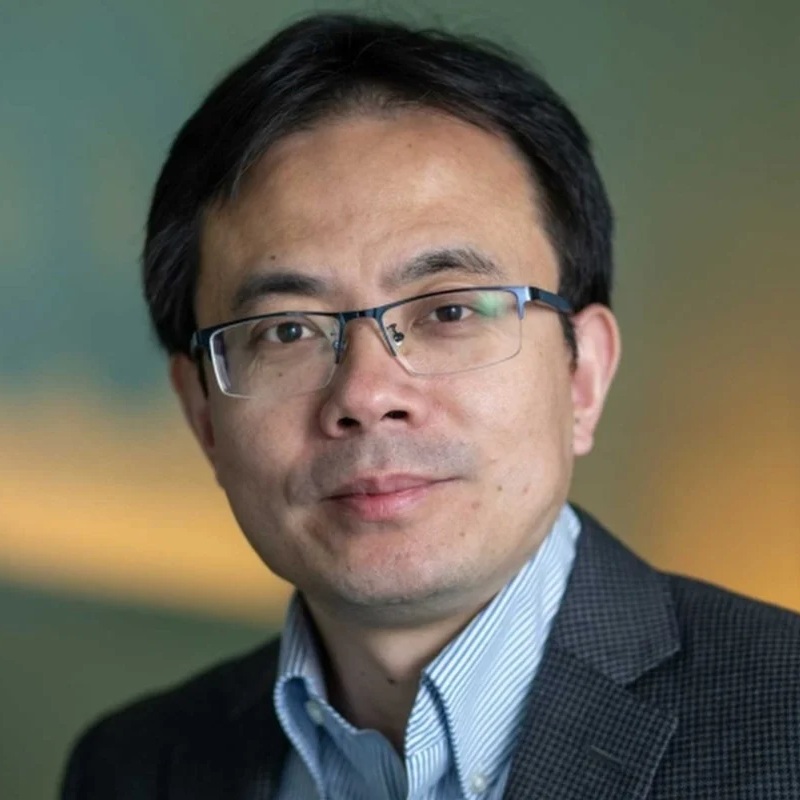
US prize-winning cancer scientist Wan Fengyi joins China’s Zhejiang University
On Oct. 19, 2026, a Johns Hopkins University scientist whose award-winning work suggests that a brief stomach bug could raise the risk of colon cancer has moved to China full time. Wan Fengyi, a professor at the Johns Hopkins Bloomberg School of Public Health, has joined Zhejiang University in Hangzhou, according to his new profile on the Chinese university’s website. Wan returned to China this month and now holds a chair professorship at Zhejiang University. He is based at a national laboratory at its Second Affiliated Hospital, which develops devices placed inside blood vessels.
He is one of at least five senior scientists from leading US institutions to take up full-time positions at Zhejiang University this year, according to the university. They include Qian Jiang, a Johns Hopkins eye expert whose arrival was announced this month, and Lin Fanghua, a New York University mathematician and a member of the US National Academy of Sciences, who joined in September. Mei Jianguo, a former head of chemistry at Purdue University, also joined in September. In May, Ge Kai, a senior scientist at the US National Institutes of Health, took up a post at one of the university’s hospitals.
At Johns Hopkins, Wan studied how germs, the immune system and the trillions of microbes in the gut interact – and how that interplay can keep the gut healthy or lead to inflammation and cancer. In 2022, his team reported in the journal Cancer Discovery that even a short-lived gut infection made mice more likely to develop colon cancer. The bacteria released a toxin that damaged the DNA of cells lining the gut. It is not yet clear whether the same happens in people, but the work won him the Bloomberg School’s Shikani/El-Hibri Prize for Discovery and Innovation the following year.
In 2024, Wan’s team reported in the journal Cell that proteins in breast milk help shape the bacteria that settle in a newborn’s gut, protecting baby mice from a dangerous infection. In lab tests, the team found the same proteins in human breast milk. “This represents an important expansion of our understanding of breast milk’s protective mechanisms,” Wan said in a university statement at the time. Wan graduated from Wuhan University in 1999 and earned his PhD in biophysics at the Chinese Academy of Sciences in 2003, according to his LinkedIn profile.
He then spent six years as a researcher at the National Institute of Allergy and Infectious Diseases before setting up his own lab at Johns Hopkins, where he rose from assistant professor to full professor. His lab at the Bloomberg School won more than US$4.7 million in National Institutes of Health grants between 2011 and 2025, according to the agency’s grant database. The most recent, from the US National Cancer Institute, aimed to find drugs that could treat cancer with fewer side effects.
Tags:
Source: South China Morning Post
Credit: