Universal mosquito vaccine tested
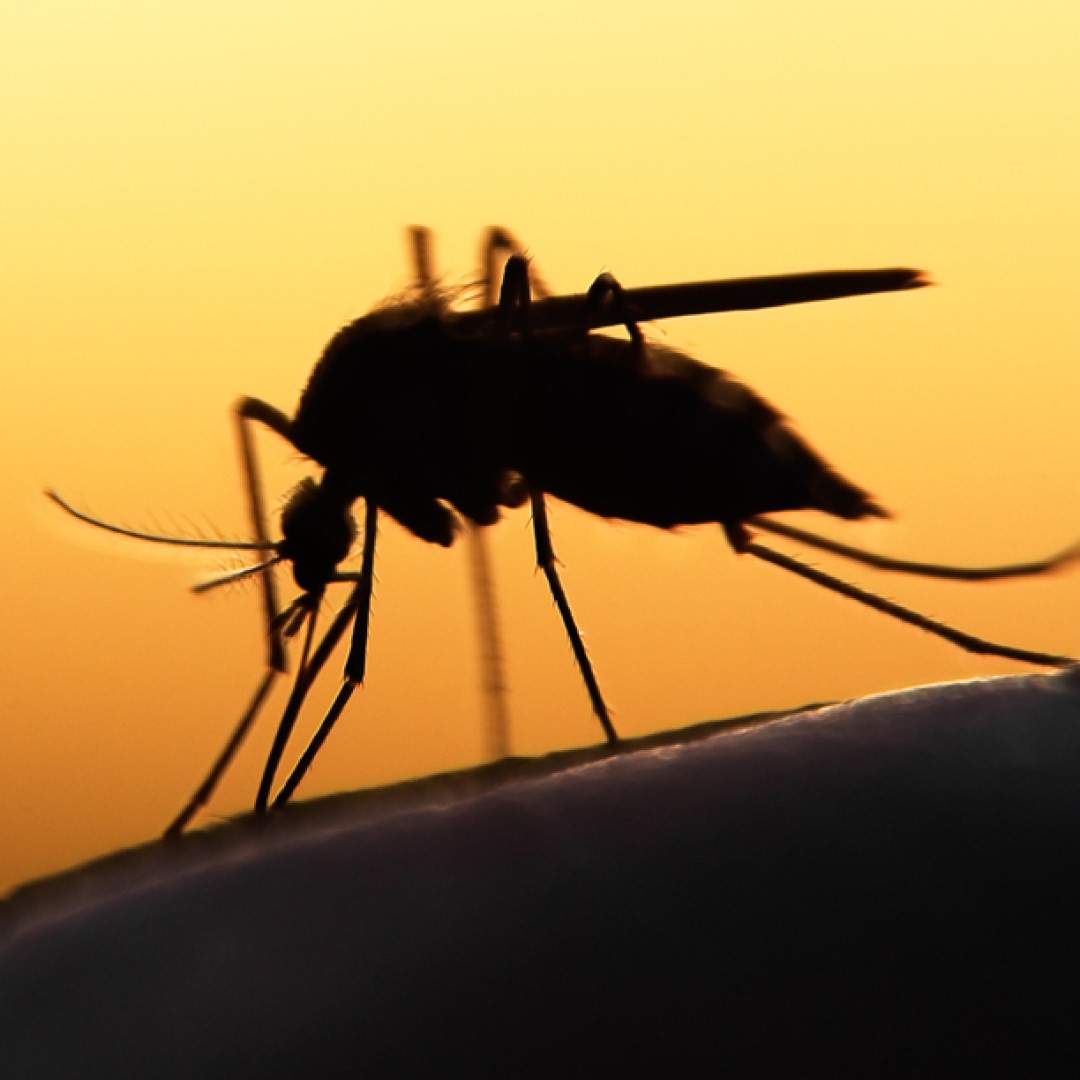
On Jun. 23, 2020, the National Institutes of Health (NIH) announced it had tested a ‘universal mosquito vaccine’ known as AGS-v. It contains four synthetic peptides that are found in the salivary gland proteins of different mosquito species. The work was funded by NIAID along with NIHメs Office of the Director and National Cancer Institute. The results were published in the Lancet.
Forty-nine healthy volunteers were randomly assigned to one of three groups. One group received injections of an inactive placebo (sterile water); one received injections of the vaccine; and one received injections of the vaccine combined with an adjuvant, a compound designed to enhance immune responses. They were given two injections 21 days apart.
On the 42nd day of the study, volunteers underwent a “feeding session” with disease-free mosquitoes bred at the NIH. The mosquitoes fed briefly from volunteers’ arms through a fine mesh while in a container resembling a cup.
The volunteers were monitored for twelve months after the first vaccination. None had serious adverse reactions to the vaccine or mosquito feeding. The mosquitoes were also monitored after the feeding session to see whether the vaccine had any impact on their survival or number of offspring they produced.
The volunteers’ blood tests showed that those who received the vaccine with adjuvant produced specific antibodies to the peptides. One of the volunteers developed a significant rash after the first dose of the vaccine, but no larger safety concerns were identified. The mosquitoes didn’t seem to be affected after feeding on people who’d been vaccinated. More research is needed to test whether the vaccine would work against individual pathogens and with exposure to mosquitoes in a natural environment.
Tags:
Source: National Institutes of Health
Credit: