Trial of potential universal flu vaccine opened at NIH Clinical Center
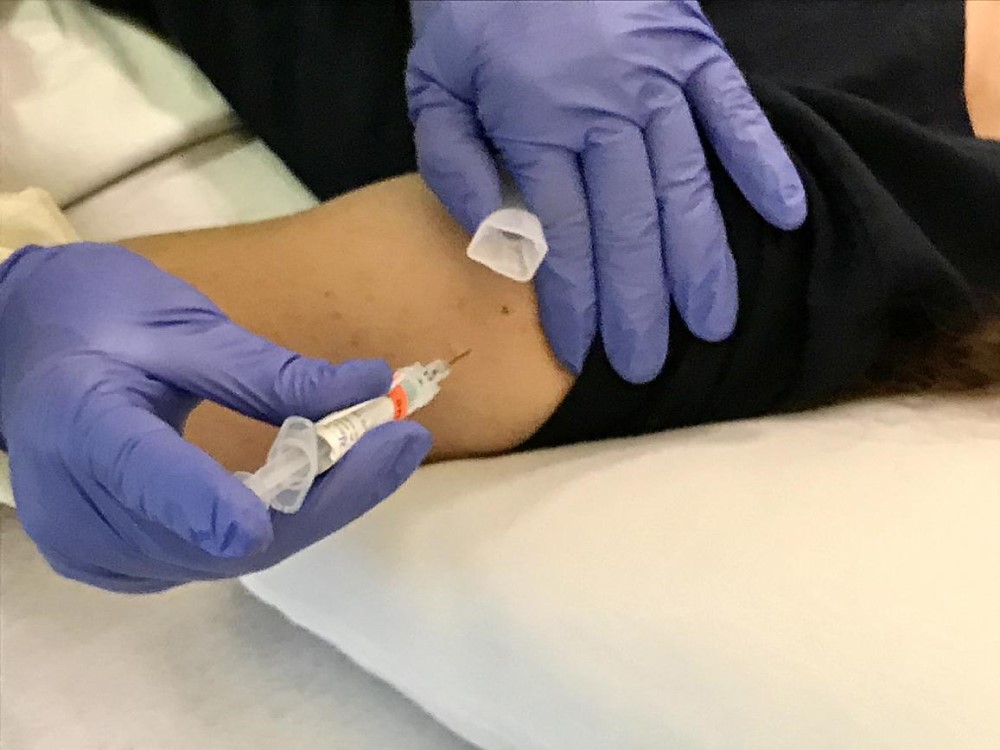
On Jun. 28, 2022, the National Institutes of Health (NIH) announced that a Phase 1 clinical trial of a novel influenza vaccine had begun inoculating healthy adult volunteers at the NIH Clinical Center in Bethesda, Maryland. The placebo-controlled trial tests the safety of a candidate vaccine, BPL-1357, and its ability to prompt immune responses. The vaccine candidate was developed by researchers at the National Institute of Allergy and Infectious Diseases (NIAID).
BPL-1357 is a whole-virus vaccine made up of four strains of non-infectious, chemically inactivated, low-pathogenicity avian flu virus. A study in animals, led by NIAID investigator Jeffery K. Taubenberger, M.D., Ph.D., and posted online as a pre-print, found that all mice receiving two doses of BPL-1357 vaccine delivered either intramuscularly or intranasally survived later exposure to lethal doses of each of six different influenza virus strains, including subtypes that were not included in the vaccine. Similar results were obtained in challenge experiments with BPL-1357-vaccinated ferrets.
In the Phase 1 trial, volunteers will be randomized in a 1:1:1 ratio into three groups and will receive two doses of placebo or vaccine spaced 28 days apart. Group A participants receive BPL-1357 intramuscularly along with intranasal saline placebo; Group B will receive doses of the candidate vaccine intranasally along with intramuscular placebo; volunteers in Group C receive intramuscularly and intranasally delivered placebo at both visits to the clinic.
Neither the study clinicians nor the volunteers know the group assignments. Volunteers must not have received any type of flu vaccination in the eight weeks prior to enrollment and must agree to forego seasonal flu vaccination for approximately two months after the second vaccine (or placebo) dose.
The study duration for each participant is approximately seven months. In addition to the two clinic visits to receive vaccine (or placebo), volunteers will be asked to return to the clinic seven times to provide blood and nasal mucosal samples that will be used by the investigators to detect and characterize immune responses.
Tags:
Source: National Institutes of Health
Credit: